Research Articles

How a Tiny Material Transformation Could Revolutionize Explosives Detection
Groundbreaking sensor material detects toxic explosives with unprecedented sensitivity through atomic-level transformation creating super-active sites for chemical analysis.
Catching Nano-Sized Lightning in a Bottle: The Power of Single Particle Collisions
Explore nanoparticle impact electroanalysis (NIE), a revolutionary technique for observing individual nanoparticles through electrochemical collisions.
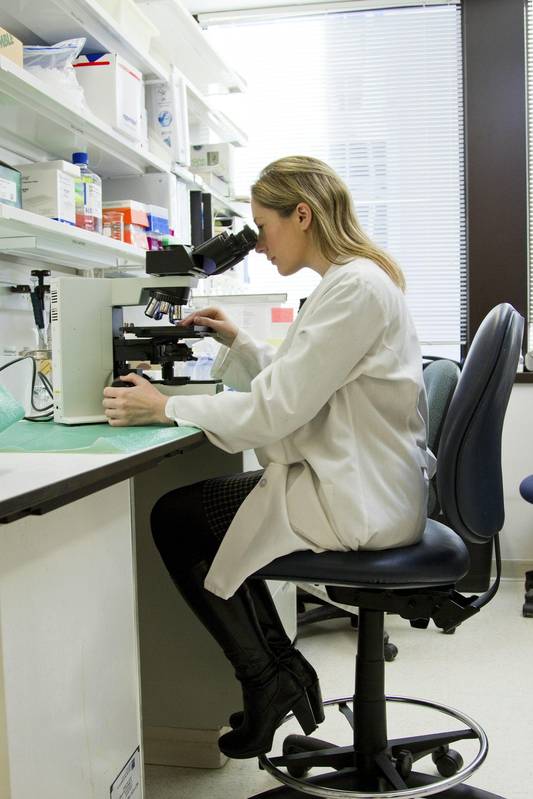
The Molecular Matchmaker: How Soap Molecules Help Detect a Cancer Drug
Discover how anionic surfactant molecular structure enhances detection of the leukemia drug nilotinib through innovative electrochemical analysis.

The Invisible Detectives: How Interdigitated Microelectrodes are Revolutionizing Science
Explore how interdigitated array microelectrodes (IDAs) are transforming scientific detection with unprecedented sensitivity and applications across medicine, food safety, and environmental monitoring.
Nanocarbon Electrochemistry and Electroanalysis: The Invisible Revolution
Explore how nanocarbon materials are revolutionizing electrochemistry and electroanalysis through enhanced sensitivity, efficiency, and innovative applications.

The Alchemy of Detection: Tracking Acetaldehyde in Our Fuel
Discover how scientists use electroanalysis and DNPH to detect volatile acetaldehyde in fuel ethanol, improving biofuel quality and environmental monitoring.

The Molybdophosphate Method: A Scientific Sleuth for Trace Phosphate Detection
How scientists use electroanalysis to uncover hidden environmental pollutants through the molybdophosphate method.
The Invisible Revolution: How Nanoelectrodes are Transforming Scientific Measurement
Explore how nanoelectrode dimensions influence electrode performance and their revolutionary applications in electroanalysis and sensing.
Taming a Hidden Poison: How Atomic-Level Engineering is Revolutionizing Arsenic Detection
Discover how scientists are using atomic-level engineering to create advanced sensors for detecting toxic arsenic in water supplies.
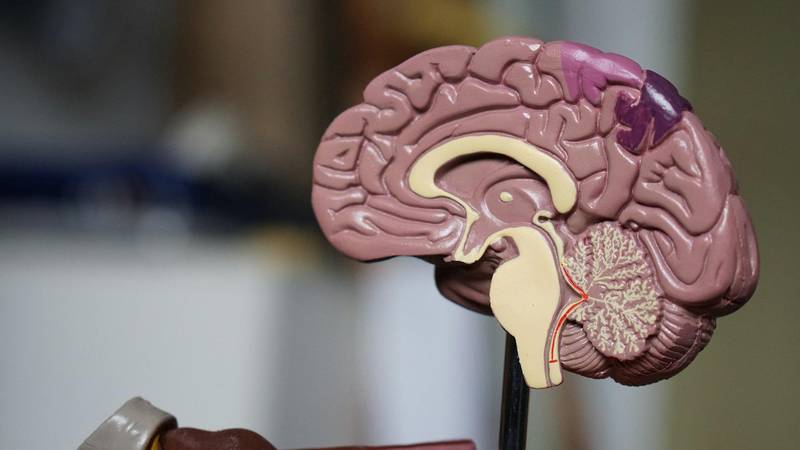
Tiny Messengers, Big Challenge: Ensuring Our Medical Nanobots Survive the Journey
Exploring how electroanalysis helps assess the bio-stability of microRNA-146a conjugated nanoparticles for medical applications