Research Articles

Nano-Detectives: How Tiny Particles Revolutionize Chemical Sensing
Explore how nanoparticles are transforming electroanalysis with unprecedented sensitivity and applications in medicine, agriculture, and environmental monitoring.

The Green Detective: How Bismuth Film Electrodes Are Revolutionizing Chemical Sensing
Discover how screen-printed bismuth film electrodes (SP-BiFEs) are transforming chemical sensing with their environmental safety and exceptional performance in forensic and environmental applications.

Organic Analytical Reagents in Electroanalysis: The Molecular Key to Modern Detection
Explore the role of organic analytical reagents in electroanalysis, their molecular recognition capabilities, recent innovations, and future applications in chemical sensing.
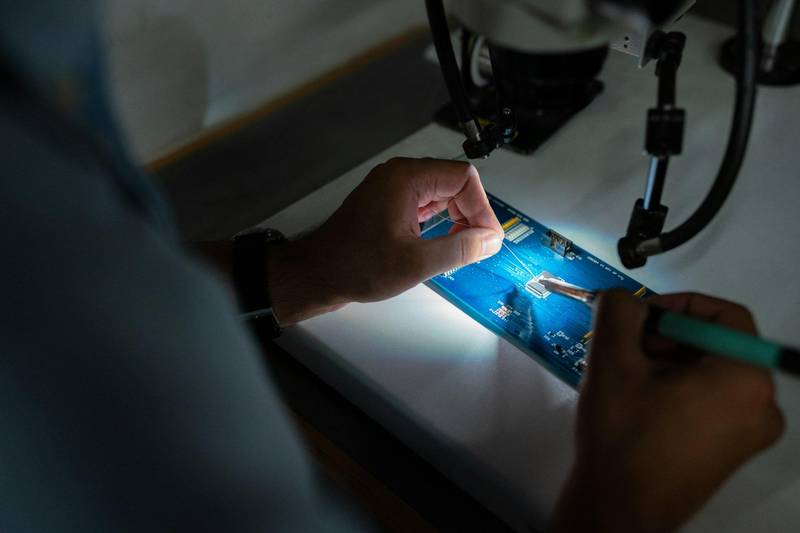
Computerized Electroanalysis: The Digital Revolution in Chemical Sensing
Explore how computerized electroanalysis has transformed chemical sensing through digital technology, virtual instrumentation, and open-source potentiostats.
Nano-Scales and Molecular Cages: How Carbon Nanotubes and Metal Complexes are Revolutionizing Chemical Sensing
Explore how carbon nanotubes combined with metalloporphyrins and metallophthalocyanines create advanced chemical sensors for environmental monitoring and medical diagnostics.
The Invisible Detectives: How Engineered Nanomaterials are Revolutionizing Chemical Sensing
Explore how engineered nanomaterials and nanohybrids are transforming electroanalysis for advanced chemical sensing applications in medicine, environment, and food safety.
The Silent Revolution: How Advanced Electrode Materials are Transforming Chemical Sensing
Explore how advanced electrode materials are revolutionizing chemical sensing through nanotechnology, AI-driven discovery, and innovative material engineering.
The Sensing Power of Rust: How Manganese Dioxide Composites Detect Everyday Chemicals
Explore how manganese dioxide graphite composite electrodes detect hydrogen peroxide, ascorbic acid, and nitrite through innovative low-temperature fabrication methods.