The Electric Heartbeat
Decoding Propranolol's Electrochemical Signature
More Than Just a Pulse Regulator
Propranolol, a cornerstone β-blocker medication, quiets racing hearts and eases hypertension for millions. But beyond its physiological effects lies an electrochemical personality—one that scientists are harnessing to revolutionize drug monitoring. When this molecule meets a glassy carbon electrode, it reveals secrets not just about itself, but about its metabolic offspring. This article explores how electrochemical detectives decode these signals to transform clinical diagnostics and doping control.
Clinical Significance
Propranolol is prescribed for hypertension, angina, arrhythmias, and anxiety, making its monitoring crucial for patient safety.
Electrochemical Advantage
Electrochemical methods offer rapid, sensitive detection compared to traditional chromatography techniques.
The Language of Electron Transfer
The Electroactive Drug Molecule
Propranolol's structure features a naphthalene ring and secondary amine group, making it susceptible to oxidation. When voltage is applied on an electrode, it loses electrons in two distinct steps:
Metabolites Enter the Chat
The liver transforms propranolol into key metabolites:
The Pivotal Simultaneous Detection Experiment
Methodology: Catching Three Signals in One Scan
Polish researchers (Baranowska & Koper, 2011) designed a landmark experiment to capture propranolol and its metabolites in a single voltammetric sweep 2 :
-
Electrode PrepBare GCE polished to mirror-like finish using 0.05 µm alumina slurry.
-
Buffer SystemBritton-Robinson buffer (pH 7.4) mimicking physiological conditions.
-
TechniqueDifferential Pulse Voltammetry (DPV)—applying voltage pulses to enhance resolution.
-
SamplesSpiked human plasma with propranolol, 4'-OH PH, and 4'-OH PS.
| Compound | Oxidation Peak (V) | Biological Significance |
|---|---|---|
| Propranolol | 0.99 | Parent drug; short half-life |
| 4'-OH PH | 0.85 | Active metabolite; β-blocker |
| 4'-OH PS | 1.10 | Primary excretion marker |
Results & Analysis: The Diagnostic Triad
Peak Separation
Clear resolution between oxidation peaks (ΔV > 0.14 V) enabled simultaneous quantification 2 .
Sensitivity
Linear detection from 4.0×10⁻⁶ mol/L (propranolol) to 3.5×10⁻⁶ mol/L (4'-OH PS)—sufficient for urine analysis.
Validation
Matched ultra-HPLC results with <5% error, confirming electrochemical reliability 2 .
The Scientist's Toolkit: Reagents & Revolutionaries
| Item | Function | Innovation Purpose |
|---|---|---|
| Surface-Active Ionic Liquids (e.g., HDMIC) | Mimic cell membranes; enhance drug-electrode interaction | Biomimetic sensing 1 |
| Carbon Black/Nafion Composite | Increases electrode surface area 100-fold; traps propranolol | Ultra-trace detection (nM) 3 7 |
| Multi-Walled Carbon Nanotubes (MWCNTs) | Accelerate electron transfer kinetics | Lower oxidation overpotential 8 |
| Phosphate Buffered Saline (PBS) (pH 7.4) | Simulate physiological conditions | Biorelevant electroanalysis 2 |
| Ag/AgCl Reference Electrode | Maintains stable potential during measurements | Signal accuracy 1 3 |

Modern Electrochemical Setup
State-of-the-art equipment enables precise measurement of drug oxidation potentials.
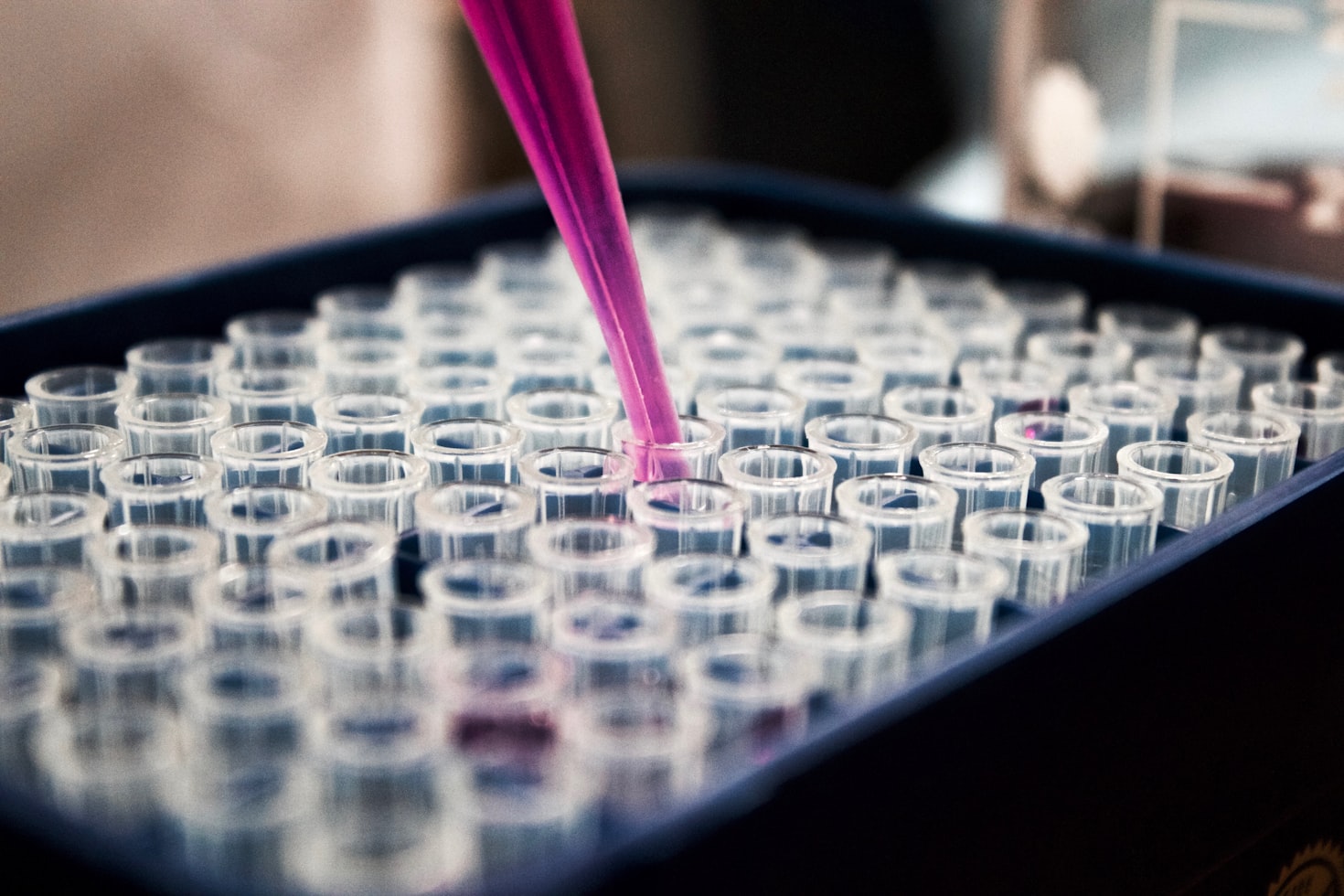
Nanomaterial Enhancements
Carbon nanotubes and nanoparticles significantly improve sensor performance.
Why This Electrifies Medicine and Beyond
Electrochemical profiling of propranolol isn't just academic—it's reshaping real-world scenarios:
Doping Control
Detecting 4'-OH PS in urine proves propranolol misuse in sports 4 .
Personalized Dosing
Rapid metabolite quantification helps adjust hypertension regimens 6 .
Environmental Monitoring
Sensitive electrodes track drug residues in wastewater 3 .
Future frontiers include implantable microsensors for real-time cardiac drug monitoring and CRISPR-engineered enzymes that amplify electrochemical signals. As electrodes shrink to nanoscale, our grasp on molecular storytellers like propranolol only grows stronger.
"In the silent dance of electrons, drugs confess their secrets."