Overcoming Electrode Fouling in Pharmaceutical Electroanalysis: Strategies for Reliable Drug Detection
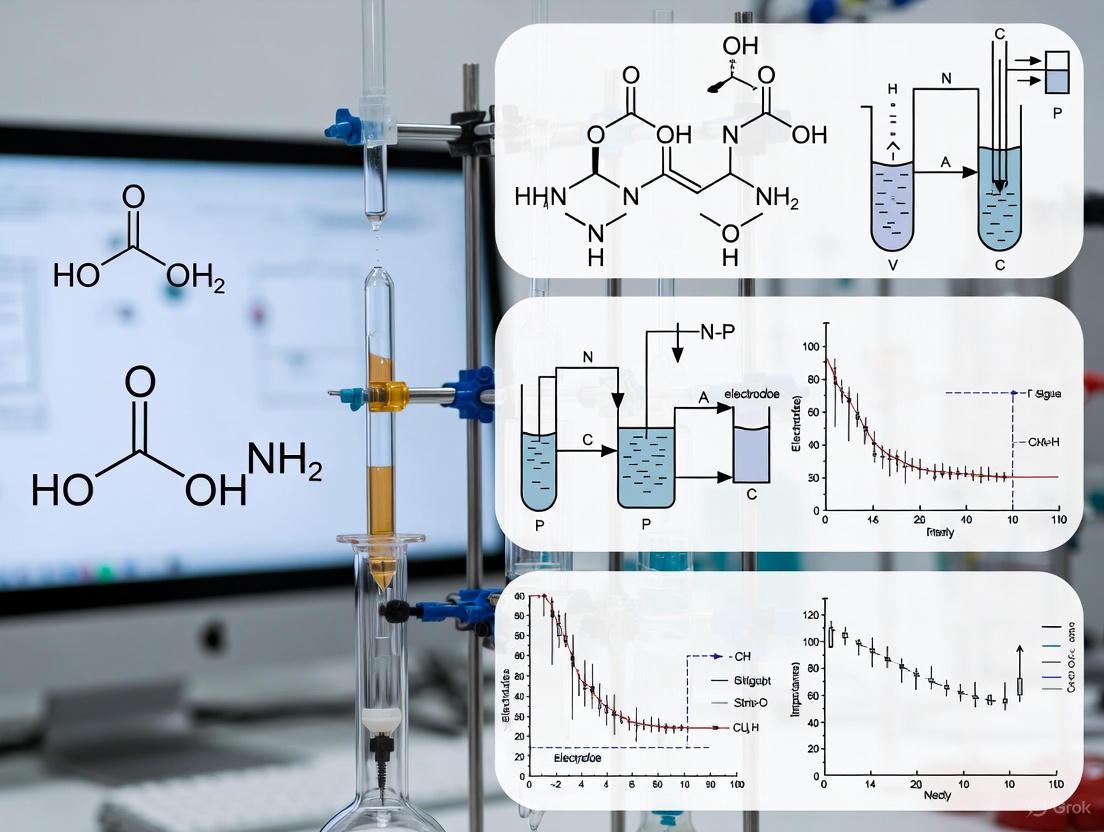
Electrode fouling presents a significant challenge in pharmaceutical electroanalysis, compromising sensor sensitivity, selectivity, and reproducibility.
Overcoming Electrode Fouling in Pharmaceutical Electroanalysis: Strategies for Reliable Drug Detection
Abstract
Electrode fouling presents a significant challenge in pharmaceutical electroanalysis, compromising sensor sensitivity, selectivity, and reproducibility. This article provides a comprehensive examination of fouling mechanisms—including biofouling from biomolecules and chemical fouling from reactive drug metabolites—across various pharmaceutical applications. We explore innovative antifouling strategies, from advanced nanomaterials like boron-doped diamond to novel detection methods that circumvent fouling. The discussion covers practical optimization techniques, performance validation in complex matrices, and comparative analysis of material efficacy. This resource equips researchers and drug development professionals with the knowledge to design robust electrochemical sensors for accurate therapeutic drug monitoring, quality control, and environmental pharmaceutical analysis.
Understanding Electrode Fouling: Mechanisms and Impact on Pharmaceutical Analysis
FAQs: Understanding Electrode Fouling
What is electrode fouling and why is it a critical problem in pharmaceutical electroanalysis? Electrode fouling, also referred to as electrode passivation, is the phenomenon where an electrode surface becomes progressively passivated by an accumulating layer of fouling agents. This layer forms an increasingly impermeable barrier that inhibits the direct contact of an analyte with the electrode surface, preventing electron transfer. In pharmaceutical analysis, this can severely degrade key analytical performance characteristics, including sensitivity, detection limit, reproducibility, and overall reliability of electrochemical sensors and techniques [1].
What are the primary mechanisms by which fouling occurs? Fouling mechanisms are broadly categorized by the nature of the adhering species:
- Biofouling: The nonspecific adsorption of biomolecules such as proteins (e.g., BSA), lipids, and other biological materials from complex matrices like cell culture media or biological fluids [2] [3] [4].
- Chemical Fouling (Polymerization): The deposition of insoluble polymeric films formed from the reaction products of the analyte itself. This is common during the electrochemical analysis of compounds like phenolic compounds and neurotransmitters such as serotonin and dopamine [5] [3] [1]. For example, during phenol oxidation, radical intermediates form which couple to create dimers, oligomers, and finally a coherent polymeric film on the electrode [5].
- Scaling/Passivation: In processes like electrocoagulation, this involves the precipitation of inorganic species (e.g., metal hydroxides, calcium carbonate, magnesium hydroxide) on the electrode surface, increasing electrical resistance and reducing electroactivity [6] [7].
How can I quickly identify if my electrode is fouled during an experiment? Look for these characteristic signs in your electrochemical data:
- A consistent decay in the Faradaic signal current over time or during repetitive scans [5] [1].
- An increase in the background charging current [2].
- A shift in the peak potential (ΔEp) in voltammetric measurements [3] [8].
- Increased ohmic resistance and overpotential, leading to higher energy consumption to achieve the same response [6].
Troubleshooting Guides
Guide 1: Diagnosing Fouling Type and Selecting a Mitigation Strategy
Use this table to diagnose the type of fouling based on symptoms and common culprits, and to select an appropriate initial mitigation strategy.
Table 1: Fouling Diagnosis and Mitigation Guide
| Fouling Type | Common Sources in Pharma Analysis | Key Experimental Symptoms | Recommended Mitigation Strategies |
|---|---|---|---|
| Biofouling [3] [4] [1] | Serum, plasma, cell culture media (e.g., BSA, F12-K nutrient mix, immunoglobulins). | Signal decay in complex media but not in simple buffer; increased noise. | Apply antifouling coatings (e.g., hydrogels, sol-gel silicate, PEG) [2] [1]; use nanostructured electrodes [4]. |
| Chemical Fouling (Polymerization) [5] [3] [1] | Phenolic compounds, neurotransmitters (dopamine, serotonin). | Rapid current decay even in pure analyte solutions; passivating polymeric film observed. | Modify electrode surface (e.g., CNTs, nanocellulose composites) [4] [1]; use pulsed waveforms or polarity reversal [6]. |
| Inorganic Scaling/ Passivation [6] [7] | Phosphate buffers, calcium/magnesium salts in sample matrices. | Precipitate visible on electrode; gradual signal loss coupled with increased voltage requirement. | Add chloride ions to promote pitting; employ polarity reversal (PR) [6]; mechanical/chemical cleaning. |
Guide 2: Implementing Antifouling Electrode Coatings
Applying a physical barrier is one of the most common and effective antifouling strategies. The following workflow provides a general protocol for applying and validating a sol-gel silicate coating, which was identified as allowing sustained catalyst performance during prolonged incubation [2].
Experimental Protocol: Evaluating Coating Efficacy
- Baseline Measurement: Perform Cyclic Voltammetry (CV) or Differential Pulse Voltammetry (DPV) of your target analyte (or a standard redox probe like RuHex or ferricyanide) in a clean buffer solution [2] [4].
- Fouling Challenge: Incubate the coated electrode in the relevant fouling medium (e.g., 1 g/L BSA solution, diluted human plasma, or a solution of a phenolic compound) for a set period (e.g., 3 hours to 6 weeks) [2].
- Post-Fouling Measurement: Re-test the electrode in the same clean solution as step 1.
- Quantify Performance: Calculate the percentage of signal retention. A high-performing coating like sol-gel silicate or poly(l-lysine)-g-poly(ethylene glycol) can retain >50% signal after prolonged incubation, unlike uncoated electrodes which may fail completely [2].
Guide 3: Advanced Strategy – Polarity Reversal for Fouling Mitigation
For certain systems, especially where the analyte itself is the fouling agent, electrochemical cleaning methods like Polarity Reversal (PR) can be effective. This technique is particularly useful in electrocoagulation and other applied electrochemical processes [6].
Table 2: Polarity Reversal Configuration Guide
| Parameter | Considerations and Settings |
|---|---|
| Principle | Periodically switching the current direction to dislodge/dissolve fouling layers. As the cathode becomes the anode, corrosion reactions displace mineral scales, and H₂ gas evolution at the new cathode scours loosely-bound precipitates [6]. |
| Effectiveness by Electrode | Aluminum Electrodes: PR mode can result in high coagulant production efficiencies, reduced energy consumption, and diminished fouling [6]. Iron Electrodes: PR was less effective, with Faradaic efficiency decreasing with increasing PR frequency [6]. |
| Frequency Optimization | A very high frequency (e.g., every 0.5 minutes) can be detrimental, reducing Faradaic efficiency. Optimal frequency must be determined empirically for the specific system [6]. |
The Scientist's Toolkit: Essential Research Reagents and Materials
This table details key materials used in developing fouling-resistant electrochemical systems as featured in the cited research.
Table 3: Key Reagents and Materials for Fouling Research
| Material / Reagent | Function and Explanation | Example Application |
|---|---|---|
| Nanocellulose (NC) / Carbon Nanotube (CNT) Composites [4] | A sustainable composite material. NC disperses CNTs and provides a hygroscopic, fouling-resistant barrier, while CNTs offer high surface area and conductivity. | Used to create composite electrodes with superior fouling resistance in human plasma compared to CNT-only electrodes [4]. |
| Sol-Gel Silicate [2] | A porous, mechanically stable inorganic coating that acts as a permselective and antifouling layer. | As a protective layer enabling electrode functionality after 6 weeks of incubation in cell culture medium [2]. |
| Poly(l-lysine)-g-poly(ethylene glycol) (PLL-g-PEG) [2] | A biocompatible polymer coating that forms a brush-like layer on surfaces, repelling biomolecules via strong hydration and steric repulsion. | An antifouling layer effective in sustaining catalyst performance in cell culture environments [2]. |
| Bovine Serum Albumin (BSA) [3] [4] | A model protein used to simulate biofouling conditions in controlled experiments. | A standard fouling agent in initial screening of antifouling coatings [3] [4]. |
| Sulfide Ions (S²⁻) [3] [8] | A chemical fouling agent specifically for Ag/AgCl reference electrodes, decreasing their open circuit potential and causing peak shifts. | Used to study and replicate reference electrode fouling observed during chronic in vivo implantation [3] [8]. |
| Bismuth-based Composites (e.g., Bi₂WO₆) [9] | Provides a stable, conductive platform with antifouling properties, often integrated within a 3D porous BSA matrix for heavy metal detection. | Used in composites to maintain 90% signal after one month in untreated human plasma, serum, and wastewater [9]. |
The following diagram illustrates the generalized mechanism of electrode fouling, showing how different fouling agents lead to a common outcome of signal degradation.
Troubleshooting Guide: Identifying and Resolving Electrode Fouling
FAQ: How can I distinguish between biofouling and chemical fouling on my electrochemical sensor?
Differentiating the fouling type is the first critical step. The table below outlines the primary characteristics of each.
Table 1: Diagnostic Features of Biofouling vs. Chemical Fouling
| Feature | Biofouling | Chemical Fouling |
|---|---|---|
| Primary Cause | Adsorption of proteins, cells, and formation of biofilms from biological matrices (e.g., serum, plasma) [10] [11]. | Non-specific adsorption of drug molecules, excipients, or formation of insulating polymer layers [10]. |
| Key Mechanism | Multi-stage process: conditioning film, microbial attachment, EPS production, and biofilm maturation [12] [13]. | Physical adsorption or chemisorption of molecules, leading to a passivation layer that blocks electron transfer [10]. |
| Impact on Signal | Gradual, often irreversible signal drift and loss of sensitivity due to a resilient biological layer [11]. | Can be sudden or gradual; may cause signal suppression or shifts in redox peaks [10]. |
| Visual Inspection | Often invisible, but a slimy coating may be detectable [14]. | Typically invisible [10]. |
| Effective Cleaning Strategies | Enzymatic cleaners (e.g., proteases), surfactant solutions, or coatings that prevent initial cell adhesion [11]. | Electrochemical polishing (anodic/cathodic cleaning), chemical solvents, or surface modifications with anti-adhesive polymers [10] [15]. |
FAQ: What are the best strategies to prevent biofouling on electrochemical sensors?
Prevention is more effective than remediation. Implementing anti-fouling surface modifications is highly recommended.
Table 2: Biofouling Prevention Strategies for Electrodes
| Strategy Category | Example Materials | Mechanism of Action |
|---|---|---|
| Anti-adhesion Polymers | Polyethylene Glycol (PEG), Zwitterionic polymers [13]. | Creates a hydrophilic, steric, and hydration barrier that repels proteins and cells, preventing initial attachment [13]. |
| Biomolecule Functionalization | Peptides, Albumin [11] [13]. | Forms a bio-inert layer that minimizes non-specific interactions with biological components. |
| Electro-Chemical Prevention | Intermittent application of high voltage (e.g., 6V) [15]. | Applies a periodic electric field to repel foulants like extracellular polymeric substances (EPS) and dissolve formed layers. |
FAQ: My electrode signal has dropped suddenly. How do I clean it to restore performance?
Follow this systematic protocol to clean a fouled electrode. The method depends on the suspected foulant.
Experimental Protocol: Electrode Cleaning and Regeneration
Materials:
- Phosphate Buffered Saline (PBS), pH 7.4
- Protease solution (e.g., 1 mg/mL in PBS)
- Ethanol (70%)
- Nitric acid (0.1 M) or Sodium hydroxide (0.1 M)
- Soft polishing materials (e.g., alumina slurry on a microcloth)
Procedure:
- Rinse: Gently rinse the electrode with copious amounts of distilled water and PBS to remove loosely bound material.
- Diagnostic Clean:
- For suspected biofouling: Immerse the electrode in the protease solution for 30-60 minutes at 37°C to enzymatically degrade proteins and biofilms [11].
- For suspected chemical fouling: Rinse with an appropriate solvent like ethanol, or with 0.1 M NaOH/HNO₃ for 1-2 minutes to dissolve adsorbed organic layers [10].
- Electrochemical Cleaning: Perform a series of electrochemical steps in a clean supporting electrolyte (e.g., 0.1 M KCl):
- Cathodic Cleaning: Apply a negative potential (e.g., -1.0 V vs. Ag/AgCl) for 30-60 seconds to reduce surface oxides and desorb anions.
- Anodic Cleaning: Apply a positive potential (e.g., +1.5 V vs. Ag/AgCl) for 30-60 seconds to oxidize organic contaminants [15].
- Mechanical Polishing (Last Resort): If performance is not restored, polish the electrode surface with a soft cloth and fine alumina slurry (e.g., 0.05 µm) following a figure-8 pattern. Rinse thoroughly.
- Validation: Test the cleaned electrode in a standard solution (e.g., 1 mM Potassium Ferricyanide) using Cyclic Voltammetry. A well-defined, stable redox peak with a peak separation close to 59 mV indicates a clean, active surface.
The Scientist's Toolkit: Key Reagent Solutions
This table details essential materials for developing fouling-resistant electrochemical systems in pharmaceutical analysis.
Table 3: Research Reagent Solutions for Fouling Mitigation
| Reagent/Material | Function | Application Context |
|---|---|---|
| Zwitterionic Polymers (e.g., Sulfobetaine) | Forms a super-hydrophilic surface with a tight water layer, providing a physical and energetic barrier to protein adsorption [13]. | Coating for implantable sensors and long-term monitoring electrodes in biological fluids. |
| Polyethylene Glycol (PEG) | A classic polymer that provides a steric hindrance and hydration barrier, preventing fouling agent adhesion [13]. | A common additive in surface modification protocols to create anti-fouling electrode layers. |
| Nafion | A perfluorosulfonated ionomer that creates a charged, selective barrier, reducing interference and fouling from large, negatively charged species [12]. | Membrane and coating material for selective ion transport, though it can be susceptible to biofouling itself [12]. |
| Mucilage (e.g., from Taro) | An environmentally friendly natural coagulant and additive that can enhance the removal of organic contaminants in electrochemical processes [16]. | Potential green additive in electrocoagulation or as a component in composite coatings. |
| Silver Nanoparticles | Incorporated into membranes or coatings to provide antimicrobial activity, inhibiting the growth of biofilm-forming bacteria [12]. | Modifier for membranes in bioelectrochemical cells to mitigate biofouling. |
Mechanism and Workflow Visualization
Electrode Fouling Mechanisms and Mitigation
Electrode Cleaning and Regeneration Workflow
Electrode fouling is a pervasive challenge in pharmaceutical electroanalysis, characterized by the gradual passivation of the electrode surface due to the accumulation of unwanted materials. This process severely compromises the analytical performance of electrochemical sensors by reducing sensitivity, impairing selectivity, and degrading reproducibility and stability [17] [18]. In the context of pharmaceutical research, where the accurate detection of drugs, metabolites, and biomarkers in complex biological matrices is paramount, understanding and mitigating fouling is not merely beneficial—it is essential for generating reliable data [10].
Fouling mechanisms are broadly categorized based on the source of the contaminant. Biofouling refers to the nonspecific adsorption of biological materials such as proteins, cells, and oligonucleotides from the sample matrix onto the electrode surface [3] [18]. Chemical fouling, conversely, results from the deposition of the target analyte itself or its electrochemical reaction products. For instance, the oxidation of neurotransmitters like dopamine and serotonin can form polymeric by-products that adhere to the electrode [3]. Similarly, the oxidation of phenolic compounds generates radical species that polymerize into an insulating layer [17] [18]. Addressing these distinct fouling types requires tailored strategies, as a method effective against protein adsorption may not prevent fouling from phenolic reaction products.
Troubleshooting Guides & FAQs
Frequently Asked Questions
Q1: What are the most common signs that my electrochemical sensor is experiencing fouling?
The indicators of electrode fouling are often clear from the degradation of sensor performance. Key signs include a consistent decrease in the Faradaic current signal over successive measurements, a shift in the peak potential (e.g., for neurotransmitters like dopamine in FSCV) [3], a loss of signal resolution, increased background noise, and poor reproducibility between replicate measurements.
Q2: How can I determine whether the fouling is due to biofouling or chemical fouling?
Diagnosing the fouling type involves analyzing the experimental context. Biofouling is the likely culprit when working with complex, protein-rich biofluids like undiluted serum, plasma, or whole blood [17] [18]. Chemical fouling should be suspected when detecting fouling-prone analytes such as neurotransmitters (dopamine, serotonin) or phenolic compounds, even in clean buffer solutions. The fouling mechanism can be confirmed by testing the sensor in a pure buffer versus a complex matrix, or by analyzing the oxidation products of the target analyte [3].
Q3: My antifouling polymer modification (e.g., PEG) has successfully reduced fouling, but it has also decreased my signal sensitivity. What can I do?
This is a common trade-off, as many non-conductive antifouling polymers can create a barrier that impedes electron transfer. To address this, integrate the antifouling polymer with conductive materials. For example, research has successfully combined PEG with conductive polyaniline (PANI) nanofibers, or used conducting polymers like PEDOT:PSS, which inherently possess both electronic conductivity and antifouling properties [17] [18].
Q4: Can the reference electrode also foul, and how would that affect my measurements?
Yes, reference electrodes are also susceptible to fouling, which is a frequently overlooked issue. For Ag/AgCl reference electrodes, chronic implantation or exposure to biological fluids can lead to contamination by sulfide ions (S²⁻), which decrease the electrode's open circuit potential (OCP) [3]. This results in shifts in the measured peak potentials for analytes detected at the working electrode, undermining the accuracy of your measurements.
Troubleshooting Guide: Identifying and Correcting Fouling
Table 1: Troubleshooting Common Fouling Problems
| Problem Symptom | Likely Fouling Type | Immediate Corrective Action | Long-Term Antifouling Strategy |
|---|---|---|---|
| Signal drift & sensitivity loss in serum/plasma | Biofouling (Proteins) | Dilute sample if possible; clean electrode via polishing/electrochemical cycling. | Modify electrode with hydrophilic polymers (PEG) or zwitterionic materials [17] [18]. |
| Peak potential shifts & signal distortion with neurotransmitters | Chemical Fouling (Reaction Products) | Apply a more aggressive electrochemical cleaning protocol between scans. | Use conducting polymers (PEDOT:PSS) or surface modifiers that repel polymeric by-products [17] [3]. |
| Passivation during phenol detection | Chemical Fouling (Polymerized Phenols) | Use pulsed voltammetry (e.g., DPV) instead of CV to minimize by-product formation. | Employ catalytic redox couples or nanoporous electrodes to prevent precipitate adhesion [17]. |
| Inconsistent results & high background in complex media | Mixed Bio/Chem Fouling | Implement a rigorous electrode cleaning and recalibration regimen. | Design a multi-functional interface (e.g., peptide-based) that combines recognition, antifouling, and conductivity [19]. |
Detailed Experimental Protocols
Protocol 1: Evaluating Chemical Fouling from Neurotransmitters
This protocol is adapted from fast-scan cyclic voltammetry (FSCV) studies to characterize fouling caused by neurotransmitters like serotonin and dopamine [3].
1. Objective: To assess the degree of fouling on a carbon fiber microelectrode (CFME) induced by the oxidation by-products of serotonin and dopamine.
2. Materials:
- Working Electrode: Fabricated carbon fiber microelectrode (CFME) [3].
- Reference Electrode: Ag/AgCl reference electrode.
- Chemicals: Dopamine hydrochloride (1 mM stock), Serotonin (5-HT, 1 mM stock), Tris buffer (15 mM, pH 7.4).
- Equipment: Potentiostat capable of FSCV, Faraday cage.
3. Methodology:
- Stabilization: Stabilize the CFME in Tris buffer by applying the relevant voltage waveform for at least 30 minutes until a stable background current is achieved.
- Baseline Measurement: Record 5-10 stable background-subtracted cyclic voltammograms (CVs) in clean Tris buffer.
- Fouling Phase:
- For Dopamine Fouling: Submerge the electrode in 1 mM dopamine solution in Tris buffer. Apply a triangular waveform from -0.4 V to 1.0 V at 400 V/s for 5 minutes [3].
- For Serotonin Fouling: Submerge the electrode in 25 µM serotonin solution. Apply the "Jackson" waveform (e.g., 0.2 V to 1.0 V to -0.1 V to 0.2 V) at 1000 V/s for 5 minutes [3].
- Post-Fouling Measurement: Transfer the electrode back to the clean Tris buffer and immediately record another set of CVs.
- Data Analysis: Compare the post-fouling CVs to the baseline. Quantify fouling by the percentage decrease in peak oxidation current and any observed shift in peak potential (∆E_p).
Protocol 2: Assessing Biofouling Resistance in Protein-Rich Media
This procedure tests the efficacy of an antifouling surface modification against nonspecific protein adsorption.
1. Objective: To determine the ability of a polymer-modified electrode to resist fouling from bovine serum albumin (BSA) and nutrient-rich cell culture media.
2. Materials:
- Electrodes: Unmodified control electrode (e.g., GCE) and the antifouling polymer-modified electrode (e.g., PEGylated or zwitterionic polymer-modified).
- Fouling Agents: BSA solution (40 g/L in buffer) and F12-K Gibco Nutrient Mix [3].
- Equipment: Potentiostat, standard electrochemical cell.
3. Methodology:
- Initial Performance: Characterize both electrodes in a clean buffer solution using Cyclic Voltammetry (CV) or Electrochemical Impedance Spectroscopy (EIS). Record the initial signal for a redox probe (e.g., 1 mM Ferro/ferricyanide).
- Exposure to Fouling Agents: Immerse both electrodes in the BSA solution or F12-K Nutrient Mix for a set duration (e.g., 2 hours) while applying a low voltage waveform or at open circuit potential.
- Post-Incubation Performance: Gently rinse the electrodes with buffer and again record CV or EIS spectra in the clean redox probe solution.
- Data Analysis: Calculate the percentage retention of the initial current response for the modified electrode versus the control. A high-performing antifouling surface will retain >90% of its initial signal, whereas a fouled surface may show a drastic reduction [17] [19].
The Scientist's Toolkit: Key Reagents & Materials
Table 2: Essential Research Reagents for Antifouling Electroanalysis
| Material / Reagent | Function & Mechanism | Example Applications |
|---|---|---|
| Poly(ethylene glycol) (PEG) | "Gold standard" hydrophilic polymer; forms a hydration layer via steric hindrance to repel proteins [17] [18]. | Grafted onto polyaniline nanofibers for DNA sensing in human serum [17]. |
| Zwitterionic Polymers (e.g., pCBMA, pSBMA) | Forms a super-hydrophilic surface with a stronger bound water layer than PEG; highly resistant to nonspecific adsorption [17] [18]. | Used in protein microarrays for detection in 100% bovine serum [17]. |
| Conducting Polymers (e.g., PEDOT:PSS) | Combines electronic conductivity with antifouling properties; PSS repels negatively charged contaminants [17] [18]. | Continuous monitoring of tricresyl phosphate; repels cresol oxidation products [17]. |
| Multifunctional Peptides | Short peptide sequences engineered with a hydrophilic antifouling domain (e.g., alternating Lysine & Glutamic acid) and a specific biomarker recognition domain [19]. | Reagent-free, antifouling detection of Alzheimer's disease biomarkers (Aβ aggregates) in human serum [19]. |
| Thiolated Self-Assembled Monolayers (SAMs) | Forms an ordered, dense monolayer on gold surfaces, presenting terminal groups (e.g., oligo(ethylene glycol)) that resist protein adsorption [18]. | Creating well-defined, low-fouling surfaces for fundamental studies and biosensor applications. |
Visualizing Workflows and Mechanisms
Antifouling Material Selection Workflow
Mechanism of Polymer-Based Fouling Resistance
Frequently Asked Questions (FAQs) on Electrode Fouling
Q1: What is electrode fouling and why is it a critical issue in pharmaceutical electroanalysis? Electrode fouling is the passivation of an electrode surface by substances that form an impermeable layer, preventing the analyte from making direct contact with the electrode for electron transfer. [20] This is a severe problem in pharmaceutical analysis because complex samples like blood serum, wastewater, or drug formulations contain various foulants (e.g., proteins, phenols, polymers) that degrade sensor performance, leading to inaccurate results, increased maintenance, and unreliable data for critical decisions in drug development and quality control. [20] [21]
Q2: What are the primary mechanisms through which fouling occurs? Fouling occurs through several mechanisms, often in combination:
- Hydrophobic Interactions: Foulants with hydrophobic components (e.g., aromatic compounds, unfolded proteins) irreversibly adhere to hydrophobic electrode surfaces (like some carbon-based electrodes) in an entropically favorable process in aqueous solutions. [20]
- Hydrophilic/Electrostatic Interactions: Polar, hydrophilic, or charged species (like many proteins) can foul electrodes through dipole-dipole interactions, hydrogen bonding, or electrostatic attraction to charged functional groups on the electrode surface. This type of fouling is often more reversible. [20]
- Polymer Film Formation: The analyte itself or its electrochemical reaction product (common with phenols and neurotransmitters like dopamine) can form insoluble polymeric films that precipitate and form an impermeable layer on the electrode surface. [20]
Q3: Can the analyte itself be the fouling agent? Yes. In many cases, the target analyte or its oxidation/reduction products are the primary foulants. [20] For instance, during the electrochemical detection of dopamine, the reaction products can polymerize into a melanin-like film that strongly adheres to the electrode surface. [20] Similarly, the oxidation of phenolic compounds can lead to the formation of dimers, oligomers, and finally, insulating polymeric films that foul the electrode. [20] This makes fouling particularly challenging to address, as the very species you want to detect is responsible for degrading the sensor's performance.
Troubleshooting Guide: Fouling-Related Issues and Solutions
Problem 1: Drifting Baseline and Continuously Decreasing Signal
- Symptom: The baseline current or potential drifts unpredictably, and the analytical signal (e.g., peak current) decreases consistently over multiple measurements, even when using standard solutions.
- Underlying Cause: Progressive passivation of the electrode surface by a fouling agent. This builds up an insulating layer that increases resistance and hinders electron transfer. [20]
- Solutions:
- Implement a Cleaning Protocol: Use a standardized electrochemical cleaning procedure between measurements. This often involves applying a potential cycle or a fixed potential in a clean supporting electrolyte to desorb or electrochemically degrade the fouling layer. [22]
- Apply an Anti-Fouling Coating: Modify the electrode with a protective anti-fouling material such as polyethylene glycol (PEG), [21] zwitterionic polymers, [21] or Nafion. [20] These materials form a physical and chemical barrier that prevents foulants from reaching the electrode surface.
- Switch Electrode Material: Consider using more fouling-resistant electrode materials like boron-doped diamond (BDD) or certain forms of carbon nanotubes, which exhibit lower adsorption tendencies. [20]
Problem 2: Poor Reproducibility and High Variance in Replicate Measurements
- Symptom: Successive measurements of the same sample yield significantly different results, with high standard deviations and poor precision.
- Underlying Cause: Non-uniform fouling of the electrode surface. The fouling layer is not deposited evenly or reproducibly, leading to a constantly changing active electrode area and inconsistent electrochemical response. [20]
- Solutions:
- Standardize Electrode Pretreatment: Ensure the electrode undergoes an identical and rigorous pre-cleaning and conditioning step before every experiment to establish a consistent initial surface state. [22]
- Use a Rotating Disk Electrode (RDE): Hydrodynamic control via electrode rotation can minimize the deposition of foulants by maintaining a consistent diffusion layer and sweeping away reaction products.
- Employ a Sacrificial Membrane: Place a disposable, replaceable membrane (e.g., a dialysis membrane) over the electrode. This membrane can be changed between samples, protecting the electrode itself from fouling. [20]
Problem 3: Loss of Sensitivity and Increased Limit of Detection
- Symptom: The sensor requires a higher concentration of analyte to produce a measurable signal, and the calculated limit of detection (LOD) increases over time or is worse than expected.
- Underlying Cause: The fouling layer acts as a physical barrier to diffusion, increasing the distance the analyte must travel and reducing the number of molecules that reach the electrode surface per unit time. It may also block electrocatalytic sites on modified electrodes. [20] [23]
- Solutions:
- Modify with Nanomaterials: Use electrode modifiers like graphene oxide, metallic nanoparticles, or carbon nanotubes. [23] [24] [20] These materials can enhance electron transfer, provide a larger electroactive surface area, and possess inherent catalytic properties that can lower the overpotential for the reaction, making it less susceptible to interference from a fouling layer. [23]
- Optimize the Electrochemical Technique: Switch from cyclic voltammetry (CV) to pulse techniques like Differential Pulse Voltammetry (DPV) or Square Wave Voltammetry (SWV). [10] [24] These methods minimize the contribution of capacitive and background currents, improving the signal-to-noise ratio and helping to distinguish the analytical signal even in the presence of minor fouling. [10]
- Separate Recognition and Readout Platforms: A advanced strategy is to perform the immunorecognition or biological reaction on anti-fouling functionalized magnetic beads away from the electrode. After washing the beads to remove all non-specifically bound contaminants, they are transported to the clean electrode for signal measurement, virtually eliminating electrode fouling. [21]
Quantitative Impact of Fouling on Sensor Performance
The table below summarizes how fouling directly compromises key analytical figures of merit.
Table 1: Impact of Fouling on Key Analytical Parameters
| Analytical Parameter | Impact of Fouling | Underlying Mechanism |
|---|---|---|
| Sensitivity | Significant Decrease | The fouling layer acts as a physical and electronic barrier, increasing electron transfer resistance and reducing the effective electroactive area, which diminishes current response per unit concentration. [20] [23] |
| Limit of Detection (LOD) | Substantial Increase | The decreased signal-to-noise ratio and increased background instability caused by the inhomogeneous fouling layer make it difficult to distinguish the analyte signal from noise, raising the minimum detectable concentration. [20] [21] |
| Selectivity | Severe Compromise | The fouling layer can non-specifically trap interfering species or alter the electrochemical environment, leading to overlapping signals from interferents and the target analyte. It can also facilitate non-specific adsorption. [21] |
| Reproducibility | Poor and Unreliable | Non-uniform deposition of the fouling layer creates a constantly changing and non-regenerable electrode surface, leading to high variance between replicate measurements. [20] |
Experimental Protocol: Assessing and Mitigating Fouling
This protocol provides a step-by-step method to evaluate the effectiveness of an anti-fouling electrode modification using polymer brushes.
Title: Evaluating Anti-Fouling Performance of Polymer Brush-Modified Electrodes in Artificial Serum.
Objective: To compare the fouling resistance of a bare glassy carbon electrode (GCE) with a GCE modified with a poly(oligo(ethylene glycol) methyl ether methacrylate) (POEGMA) brush by monitoring the electrochemical response to a standard probe before and after exposure to a complex biological medium.
Principle: Non-fouling polymer brushes like POEGMA resist non-specific protein adsorption by forming a highly hydrated, sterically repulsive layer. This prevents biofouling, thereby maintaining the electrode's sensitivity and reproducibility in complex matrices. [25] [21]
Materials:
- Equipment: Potentiostat/Galvanostat, standard 3-electrode cell (Working, Counter, and Reference electrodes).
- Electrodes: Bare GCE (3 mm diameter) and POEGMA-modified GCE.
- Reagents:
- Phosphate Buffered Saline (PBS), pH 7.4.
- Potassium ferricyanide/ferrocyanide (5 mM
[Fe(CN)₆]³⁻/⁴⁻in PBS). - Artificial Serum: A solution containing proteins like Bovine Serum Albumin (BSA) and other constituents to mimic human serum. [21]
Procedure:
- Electrode Preparation: Polish the bare GCE sequentially with alumina slurries (e.g., 1.0, 0.3, and 0.05 µm) on a microcloth, followed by rinsing with deionized water and sonication in ethanol and water for 1 minute each. Dry under a nitrogen stream.
- Surface Modification (POEGMA brush):
- Immerse the cleaned GCE in a solution containing an initiator for surface-initiated atom transfer radical polymerization (SI-ATRP).
- Transfer the electrode to a deoxygenated solution containing the OEGMA monomer, catalyst, and solvent.
- Allow the polymerization to proceed for a controlled time (e.g., 1-2 hours) to grow the polymer brush layer.
- Rinse the modified electrode (POEGMA-GCE) thoroughly with water to remove any physisorbed species. [25]
- Initial Electrochemical Characterization:
- In the electrochemical cell containing the
[Fe(CN)₆]³⁻/⁴⁻probe solution, record Cyclic Voltammograms (CVs) for both the bare GCE and the POEGMA-GCE over a suitable potential range (e.g., -0.2 to 0.6 V vs. Ag/AgCl) at a scan rate of 50 mV/s. - Note the peak-to-peak separation (ΔEp) and the magnitude of the redox peak currents.
- In the electrochemical cell containing the
- Fouling Challenge:
- Immerse both electrodes in the artificial serum solution for a set period (e.g., 30 minutes) to simulate fouling.
- Remove the electrodes and rinse them gently with PBS to remove loosely adsorbed material.
- Post-Fouling Electrochemical Characterization:
- Place the electrodes back in the
[Fe(CN)₆]³⁻/⁴⁻probe solution and record the CVs again using the same parameters.
- Place the electrodes back in the
- Data Analysis:
- Calculate the percentage change in peak current and the change in ΔEp for both electrodes before and after the fouling challenge.
- The POEGMA-GCE should show a significantly smaller change in both parameters compared to the bare GCE, demonstrating its superior anti-fouling properties.
Research Reagent Solutions for Fouling Mitigation
Table 2: Key Materials for Developing Anti-Fouling Electrochemical Sensors
| Material / Reagent | Function in Fouling Mitigation | Example Application |
|---|---|---|
| Polyethylene Glycol (PEG) & Derivatives | Forms a hydrophilic, highly hydrated layer via hydrogen bonding, creating a steric and energetic barrier that prevents protein adsorption. [21] | Grafted onto gold electrodes or copolymerized with conductive polymers like PEDOT to create anti-fouling biosensing interfaces. [21] |
| Zwitterionic Polymers (e.g., PSBMA) | Possess equivalent positive and negative charges, making them electro-neutral overall. They bind water molecules tightly to form a hydration layer that resists electrostatic and hydrophobic adsorption of proteins. [21] | Used as a surface coating on electrodes or magnetic beads to minimize non-specific adsorption from serum and plasma samples. [21] |
| Nanomaterials (CNTs, Graphene, MXenes) | Provide high surface area, electrocatalytic properties, and sometimes inherent fouling resistance. They can enhance signal amplitude, making the sensor more robust against minor fouling. [23] [24] [20] | Used as a modifying layer on GCEs or screen-printed electrodes (SPEs) to improve the sensitivity and stability of sensors for antibiotics and NSAIDs. [23] [24] |
| Magnetic Beads | Enable separation of the immunorecognition zone from the signal readout electrode. The recognition occurs on the bead's surface, which can be washed clean of contaminants before measurement, preventing the electrode from ever being fouled. [21] | Coated with capture antibodies and anti-fouling polymers (e.g., PEG) for ultra-sensitive detection of tumor markers directly in serum. [21] |
| Conductive Polymers (PEDOT, PANI) | Provide a stable, conductive matrix that can be functionalized with anti-fouling agents. They help maintain good electron transfer rates even when combined with insulating anti-fouling polymers. [21] | Copolymerized with PEG or used as a base layer for subsequent PEG modification to create conductive anti-fouling films. [21] |
Workflow Diagram: Fouling Mechanisms and Mitigation Pathways
The following diagram illustrates the primary mechanisms of electrode fouling and the corresponding strategies to mitigate them, providing a visual guide for troubleshooting.
Troubleshooting Guides
Guide 1: Solving Persistent Fouling During Naproxen Detection
Problem: My sensor for detecting Naproxen (NAP) in biological fluids shows a continuous decrease in current response and a shift in oxidation peak potential after repeated use.
Background: This is a classic case of electrode fouling, a common challenge when detecting electroactive pharmaceutical compounds like NSAIDs. The oxidation of NAP and its metabolites can form insulating polymeric films on the electrode surface, blocking electron transfer [26] [27].
Diagnosis & Solutions:
Step 1: Confirm Fouling
- Procedure: Record successive cyclic voltammetry (CV) scans of your NAP standard solution. A progressive decrease in peak current and an increasing peak separation indicate fouling [28].
- Expected Outcome: Fouling is confirmed if the peak current for the 5th scan is less than 80% of the 1st scan.
Step 2: Implement a Cleaning Protocol
Step 3: Apply a Protective Electrode Coating
- Procedure: Modify your electrode surface with an antifouling nanomaterial. A common and effective method is drop-coating with a dispersion of Multi-Walled Carbon Nanotubes (MWCNTs) or Nafion [27] [28].
- Protocol: Disperse 1 mg of MWCNTs in 1 mL of dimethylformamide (DMF) and sonicate for 30 minutes. Pipette 5 µL of this dispersion onto a clean Glassy Carbon Electrode (GCE) surface and allow it to dry under an infrared lamp [27].
- Expected Outcome: The modified electrode should maintain >95% of its initial response after 10 measurement cycles due to the high surface area and fouling resistance of the nanomaterial [27].
- Procedure: Modify your electrode surface with an antifouling nanomaterial. A common and effective method is drop-coating with a dispersion of Multi-Walled Carbon Nanotubes (MWCNTs) or Nafion [27] [28].
Step 4: Optimize the Electrochemical Technique
- Procedure: Switch from Cyclic Voltammetry (CV) to a pulsed technique like Differential Pulse Voltammetry (DPV) or Square Wave Voltammetry (SWV). These methods apply potential in short pulses, reducing the continuous formation of fouling products [10] [29].
- Expected Outcome: Significant improvement in signal stability and lower detection limits.
Guide 2: Resolving Signal Instability in Neurotransmitter Detection
Problem: While detecting neurotransmitters like dopamine, I observe broad, irreproducible peaks and a high, unstable background current.
Background: Dopamine and its oxidation products (e.g., leukodopaminechrome and dopaminechrome) can polymerize on the electrode surface, forming an melanin-like insulating layer that fouls the surface and attracts other interfering species from the complex sample matrix [28] [29].
Diagnosis & Solutions:
Step 1: Identify the Fouling Agent
- Procedure: Analyze your sample matrix. Biological fluids (serum, urine) contain proteins and other macromolecules that can adsorb to the electrode. The analyte (dopamine) itself is also a known fouling agent [28].
- Expected Outcome: Determination of whether fouling is from the matrix, the analyte, or both.
Step 2: Employ a Fouling-Resistant Electrode Material
- Procedure: Use a Carbon Paste Electrode (CPE), which allows for easy surface renewal by simply pushing out a small amount of the old paste and polishing a fresh surface [29].
- Expected Outcome: A fresh, reproducible surface for each measurement, eliminating carry-over fouling.
Step 3: Modify the Electrode with a Selective Polymer
- Procedure: Coat the electrode with a protective polymer film like Nafion or poly(ethylene glycol) (PEG). These polymers create a physical and charge-based barrier that repels large, negatively charged molecules like proteins and lipids, while allowing the smaller cationic dopamine to pass through [28] [29].
- Protocol: Dip a pre-cleaned GCE in a 0.5-5% Nafion solution in alcohol for 30 seconds, then dry in air.
- Expected Outcome: Enhanced selectivity for dopamine against ascorbic acid and uric acid, along with reduced fouling from biological macromolecules.
- Procedure: Coat the electrode with a protective polymer film like Nafion or poly(ethylene glycol) (PEG). These polymers create a physical and charge-based barrier that repels large, negatively charged molecules like proteins and lipids, while allowing the smaller cationic dopamine to pass through [28] [29].
Step 4: Integrate Nanomaterials for Catalysis and Protection
- Procedure: Modify the electrode with carbon nanomaterials like graphene or metal nanoparticles (e.g., gold or platinum). These materials enhance electron transfer kinetics and can catalyze the dopamine redox reaction at lower overpotentials, minimizing the formation of polymeric byproducts [29].
- Expected Outcome: Sharper, more defined peaks, lower detection limits, and improved signal stability over time.
Frequently Asked Questions (FAQs)
FAQ 1: What are the most common signs that my electrode is fouled? The most common indicators are a continuous decrease in Faradaic current, an increase in peak potential separation (ΔEp), broadening of voltammetric peaks, loss of signal reproducibility, and an unstable or drifting baseline current [6] [28].
FAQ 2: My sacrificial anode (e.g., Mg, Zn) in electrosynthesis is underperforming. Could this be fouling? Yes. Sacrificial metal anodes can be passivated by the formation of insulating native oxide layers or by the precipitation of reaction byproducts (e.g., hydroxides, carbonates) on their surface. This prevents efficient metal stripping, leading to a dramatic increase in cell voltage and a drop in reaction yield [30] [6]. Troubleshooting strategies include mechanical polishing, using a different metal anode, or adding chloride ions to the electrolyte to disrupt passivating films [30].
FAQ 3: Are there any "in-situ" methods to clean a fouled electrode without physical polishing? Yes, several electrochemical methods can be attempted. These include:
- Potential Pulse Cleaning: Applying a series of high anodic and cathodic potentials to oxidize/reduce the fouling layer.
- Polarity Reversal: Periodically switching the current direction, which can be effective for certain types of fouling, particularly in electrocoagulation processes using aluminum electrodes [6]. The success of these methods depends heavily on the chemical nature of the fouling layer and the electrode material.
FAQ 4: Why does switching from a bare Glassy Carbon Electrode (GCE) to a nanomaterial-modified electrode reduce fouling? Nanomaterials like carbon nanotubes, graphene, and metallic nanoparticles offer several antifouling advantages:
- Increased Surface Area: They provide a larger electroactive area, which dilutes the surface coverage of the fouling agent, leaving more active sites available for the analyte.
- Enhanced Catalytic Activity: They can lower the overpotential required for the analyte's reaction, minimizing side reactions that lead to fouling product formation.
- Tunable Surface Chemistry: Their surfaces can be functionalized with hydrophilic groups or protective polymers that repel common fouling agents like proteins [22] [28] [29].
Experimental Data & Protocols
Performance of Modified Electrodes for Fouling-Prone Analytes
Table 1: Comparison of electrode modifications for detecting fouling-prone pharmaceuticals and neurotransmitters.
| Analyte | Electrode Modification | Electrochemical Technique | Key Improvement | Reference |
|---|---|---|---|---|
| Naproxen (NAP) | MWCNTs / β-Cyclodextrin | DPV | High sensitivity & stability in biological samples | [27] |
| Dopamine | Nafion / Graphene Oxide | SWV | Excellent selectivity & antifouling in serum | [29] |
| Various NSAIDs | Boron-Doped Diamond (BDD) | Amperometry | Inherently low fouling due to surface inertness | [28] |
| Phenolic Compounds | Poly(3,4-ethylenedioxythiophene) - PEDOT | CV | Resists fouling from polymeric byproducts | [28] |
Standard Protocol: "Dip and Dry" Electrode Modification
This is a fundamental physical method for creating a fouling-resistant sensor surface [22].
- Electrode Pre-treatment: Polish the bare electrode (e.g., GCE) with alumina slurry (0.05 µm) on a microcloth pad. Rinse thoroughly with distilled water and then with the solvent to be used for the modifier (e.g., ethanol, DMF).
- Modifier Dispersion Preparation: Weigh out the nanomaterial (e.g., 1 mg of graphene oxide). Disperse it in a suitable solvent (e.g., 1 mL of DMF) and sonicate for at least 30 minutes to obtain a homogeneous suspension.
- Modification: Using a micropipette, deposit a precise volume (e.g., 5-10 µL) of the dispersion directly onto the clean, dry electrode surface.
- Drying: Allow the solvent to evaporate under controlled conditions (e.g., at room temperature, under an IR lamp, or in a desiccator) to form a uniform film.
- Curing (if needed): For some polymer-based modifiers, a final curing step in an oven at a low temperature (e.g., 60°C for 10 minutes) may be applied to improve adhesion.
The Scientist's Toolkit: Key Research Reagent Solutions
Table 2: Essential materials and their functions for combating electrode fouling.
| Material / Reagent | Function in Fouling Mitigation | Example Application |
|---|---|---|
| Multi-Walled Carbon Nanotubes (MWCNTs) | High surface area; enhances electron transfer; can be functionalized to repel foulants. | Naproxen detection in urine [27] |
| Nafion | Cation-exchange polymer; repels negatively charged proteins and lipids. | Dopamine sensing in serum [28] [29] |
| Boron-Doped Diamond (BDD) | Inert, low adsorption surface with a wide potential window; inherently fouling-resistant. | Detection of oxidizable pollutants [28] |
| Alumina Polishing Slurry (0.05 µm) | For mechanical removal of fouling layers and surface regeneration. | Standard electrode cleaning protocol [22] [29] |
| Gold Nanoparticles (AuNPs) | Provide catalytic surfaces; can be coated with self-assembled monolayers for selectivity. | Biosensor development [29] |
Diagnostic and Mitigation Workflow
The following diagram illustrates a systematic approach to diagnosing and mitigating electrode fouling in pharmaceutical electroanalysis.
Advanced Antifouling Strategies and Material Solutions for Pharmaceutical Sensors
Frequently Asked Questions (FAQs)
Q1: What makes Boron-Doped Diamond (BDD) electrodes superior to traditional carbon electrodes for detecting neurotransmitters like dopamine? BDD electrodes offer a combination of exceptional properties ideal for complex biological analysis. They feature a wide electrochemical potential window (up to ~3.5 V in aqueous solutions), which prevents interference from water splitting reactions and allows for the detection of a broader range of analytes. They also exhibit very low background currents, leading to higher sensitivity and lower detection limits. Furthermore, BDD is renowned for its high resistance to (bio)fouling and robust chemical and mechanical stability, ensuring reliable performance over time in complex media like neuron cultivation supplements. For dopamine detection, polished BDD surfaces can achieve detection limits as low as 2 µM, which is within the physiological range [31] [32] [33].
Q2: My BDD electrode's performance has degraded. What are the most effective surface regeneration techniques? Electrode fouling, often from proteins or neurotransmitter oxidation by-products, can be mitigated through specific surface treatments. The two primary methods are:
- Electrochemical Anodic Activation: Applying a high positive potential (over +1.5 V vs. Ag/AgCl) in an aqueous solution generates hydroxyl radicals that electrochemically "clean" the surface, resulting in an oxygen-terminated (O-BDD) surface with improved repeatability [31].
- Mechanical Polishing: Physically polishing the BDD surface (p-BDD) removes fouling layers and creates a surface predominantly terminated with -OH groups, which can yield lower detection limits for certain analytes [31].
Q3: How does surface termination (H- vs. O-) affect my electrochemical measurements? Surface termination drastically influences the electrode's properties. Hydrogen-terminated (H-BDD) surfaces are hydrophobic and generally exhibit faster electron transfer kinetics for some redox probes. Oxygen-terminated (O-BDD) surfaces are hydrophilic and often show more sluggish electron transfer but provide better signal repeatability and enhanced fouling resistance against certain biofoulants. The choice depends on your analyte and the required balance between sensitivity and stability [31] [33].
Q4: What are the key considerations for maintaining a reliable Ag/AgCl reference electrode? A stable reference electrode is critical for accurate potential measurement. Common issues and their solutions include:
- Clogged Porous Frit: Caused by crystal formation or drying. Solution: Refill the electrode with fresh KCl solution and store it in the same solution when not in use.
- Chloride Depletion: Evaporation or diffusion lowers KCl concentration, altering the reference potential. Solution: Regularly check and refill with the correct concentration of KCl solution (e.g., 3 M).
- Contaminated or Damaged AgCl Layer: Leads to unstable potentials. Solution: The AgCl layer can be electrochemically re-coated by applying a small current (~10 µA) to the silver wire in a KCl solution using a platinum counter electrode [34].
Troubleshooting Guides
Problem 1: Declining Sensitivity and Signal Stability in Complex Media
Issue: Electrode performance degrades when analyzing neurotransmitters in protein-rich biological fluids or cultivation media.
Explanation: Complex media like Neurobasal supplemented with B-27 and GlutaMAX contain peptides and redox-active components (e.g., specific amino acids, vitamins) that adsorb onto the electrode surface. This biofouling insulates the electrode, reducing sensitivity, worsening peak shape, and decreasing reproducibility [31].
Solution Checklist:
- Switch Detection Mode: If using cyclic voltammetry (CV) or differential pulse voltammetry (DPV), try amperometry at a fixed potential. Amperometry has been shown to successfully detect 1–2 µM neurotransmitter spikes even in fouling media isolated after neuron growth [31].
- Implement Surface Regeneration: Incorporate periodic anodic activation (+1.5 V vs. Ag/AgCl) between measurements or batches to maintain a clean, O-terminated surface [31].
- Optimize Surface State: For analyses where ultimate sensitivity in clean buffers is needed, use a polished BDD (p-BDD). For better repeatability in complex media, use an oxidized BDD (O-BDD) [31].
- Utilize Nanocomposites: Consider using BDD in a composite form, such as boron-doped diamond nanosheet-enriched screen-printed electrodes (BDDPE). The nanostructured surface can enhance charge transfer and provide a larger electroactive area, improving performance in challenging matrices [35].
Problem 2: Inconsistent Results Between New and Old BDD Electrodes
Issue: Newly fabricated BDD electrodes perform differently from older ones, or performance varies between batches.
Explanation: The electrochemical properties of BDD are highly dependent on fabrication parameters and surface history. Key factors include the boron doping level, the presence of sp2 carbon impurities, and the surface termination [32] [36].
Solution Checklist:
- Characterize Electrode Properties: Before critical experiments, perform cyclic voltammetry (CV) of a standard redox probe like
[Fe(CN)6]^{3-/4-}. The peak separation (ΔEp) indicates the electron transfer kinetics and surface condition. A significantly higher ΔEp suggests surface contamination or a different termination state [31]. - Standardize Pre-treatment: Establish and consistently follow a standard electrode pre-treatment protocol (e.g., anodic activation followed by CV stabilization in your background electrolyte) for all experiments to ensure a reproducible initial surface state.
- Understand Fabrication Parameters: Be aware that the Carbon-to-Hydrogen (C/H) ratio during Chemical Vapor Deposition (CVD) growth critically affects electrode quality. A C/H ratio that is too low or too high can increase sp2 carbon content, narrowing the potential window and increasing background current. Optimal performance is often found at a specific balance, such as a C/H ratio of 0.7% [36].
Problem 3: High Background Noise and Narrowed Potential Window
Issue: Elevated background currents and a reduced usable potential window, limiting the range of detectable analytes.
Explanation: A narrowed potential window and high background current are often indicative of a high concentration of sp2-bonded carbon impurities at the grain boundaries of the BDD film. This can result from suboptimal fabrication conditions, such as an excessively high C/H ratio during deposition [32] [36].
Solution Checklist:
- Verify Electrode Quality: Consult the manufacturer's specifications or research the fabrication parameters of your BDD electrode. High-quality BDD with a low sp2 carbon content is essential for a wide potential window.
- Avoid Abrasive Cleaning: Harsh mechanical polishing, if done incorrectly, can create sp2 carbon on the surface. Use recommended procedures for polishing.
- Check for Metallic Conductivity: Ensure the boron doping level is sufficiently high (typically above ( 4–5 \times 10^{20} ) atoms cm⁻³) for metallic conductivity, which is required for optimal electrochemical performance [32].
Experimental Protocols
Protocol 1: Anodic Activation for BDD Electrode Regeneration
This protocol is designed to remove organic fouling and create a reproducible oxygen-terminated surface.
- Preparation: Place the fouled BDD working electrode and a platinum counter electrode in a beaker containing a clean supporting electrolyte (e.g., 0.1 M H₂SO₄ or 0.1 M KCl).
- Electrical Connections: Connect the BDD electrode as the working electrode and the Pt electrode as the counter in your potentiostat. Use an Ag/AgCl reference electrode.
- Application of Potential: Apply a constant potential of +1.5 V to +2.0 V (vs. Ag/AgCl) for 30-60 seconds.
- Rinsing: Thoroughly rinse the BDD electrode with high-purity deionized water.
- Stabilization: Perform cyclic voltammetry in a clean electrolyte (e.g., from 0 V to 1 V) until a stable background signal is achieved. The electrode is now ready for use [31].
Protocol 2: Evaluating BDD Electrode Performance and Fouling
Use this method to quantitatively assess the active surface area and detect fouling.
Baseline Measurement in Probe Solution:
- Prepare a 1 mM solution of
K₃[Fe(CN)₆]in 1 M KCl. - Record cyclic voltammograms (CVs) of this solution using your clean BDD electrode at a scan rate of 50 mV/s.
- Note the peak-to-peak separation (ΔEp) and the peak currents.
- Prepare a 1 mM solution of
Measurement After Exposure to Complex Medium:
- Immerse the electrode in your complex sample matrix (e.g., cell cultivation media) for a set time or run your analytical experiment.
- Rinse the electrode gently with water.
- Record CVs again in the
[Fe(CN)₆]^{3-}probe solution.
Analysis:
Table 1: Analytical Performance of BDD Electrodes for Neurotransmitter Detection
| Analyte | Electrode Type | Detection Method | Limit of Detection (LOD) | Matrix | Key Challenge / Note |
|---|---|---|---|---|---|
| Dopamine [31] | Polished BDD (p-BDD) | Differential Pulse Voltammetry (DPV) | 2 µM | Neat Neurobasal Medium | Comparable to physiological levels |
| Serotonin [31] | Polished BDD (p-BDD) | Differential Pulse Voltammetry (DPV) | 0.2 µM | Neat Neurobasal Medium | High sensitivity in simple matrix |
| Dopamine & Serotonin [31] | BDD | Amperometry at +0.75 V | 1-2 µM spikes detectable | Neurobasal + Supplements (post-neuron growth) | Preferred method in fouling, complex media |
| Dopamine [31] | Oxidized BDD (O-BDD) | Differential Pulse Voltammetry (DPV) | ~4 µM (2x higher than p-BDD) | Neat Neurobasal Medium | Provides better signal repeatability |
Table 2: Impact of BDD Fabrication Parameters on Electrochemical Properties
| Fabrication Parameter | Impact on Electrode Properties | Optimal Range / Target |
|---|---|---|
| Boron Doping Level [32] | Determines conductivity. Below ( 4–5 \times 10^{20} ) cm⁻³, material is semiconducting; above, it is metallic. | > ( 5 \times 10^{20} ) atoms cm⁻³ for metallic conductivity |
| Carbon-to-Hydrogen (C/H) Ratio [36] | Controls sp2 carbon content. Low ratio: may not grow properly. High ratio (e.g., 0.9%): increases sp2 carbon, narrows potential window, raises background. | Intermediate ratio (e.g., 0.7%) for minimized sp2 content and widest potential window (~2.88 V) |
| Surface Termination [31] [33] | H-termination: hydrophobic, faster kinetics for some probes. O-termination: hydrophilic, better fouling resistance, higher repeatability. | Choose based on application: O-termination for complex/fouling media. |
Workflow and Schematic Diagrams
BDD Electrode Regeneration and Testing Workflow
The Scientist's Toolkit: Research Reagent Solutions
Table 3: Essential Materials for BDD-Based Electroanalysis
| Item | Function / Purpose | Example / Specification |
|---|---|---|
| BDD Working Electrode | Primary sensing element. Provides wide potential window and low fouling. | Polished (p-BDD) for sensitivity; Oxidized (O-BDD) for repeatability. |
| Ag/AgCl Reference Electrode | Provides a stable, known potential for accurate voltage control/measurement. | 3 M KCl filling solution. Ensure frit is not clogged [34]. |
| Platinum Counter Electrode | Completes the electrical circuit in the three-electrode cell. | Inert wire or coil. |
| Potassium Ferricyanide (K₃[Fe(CN)₆]) | Redox probe for characterizing electrode surface condition and kinetics. | 1 mM solution in 1 M KCl for CV measurements [31]. |
| Neurobasal Medium | A complex, biologically relevant matrix for neuron cultivation and analysis. | Used to simulate real-world analytical challenges and test biofouling resistance [31]. |
| B-27 & GlutaMAX Supplements | Added to cultivation media to support neuron growth. Major source of biofouling peptides. | Critical for testing electrode performance in realistic in vitro conditions [31]. |
| Phosphate Buffered Saline (PBS) | Common supporting electrolyte for biological electrochemistry. Provides pH buffering. | 0.1 M, pH 7.4. |
| Screen-Printed BDD Electrodes (BDDPE) | Disposable, miniaturized electrodes incorporating BDD nanosheets for portable sensing. | Offers enhanced charge transfer and is suitable for point-of-care device development [35]. |
Troubleshooting Guide: Common Experimental Issues and Solutions
Electrochemical researchers often encounter specific challenges when working with protective polymer coatings. The table below outlines common problems, their likely causes, and recommended solutions.
| Problem Observed | Potential Causes | Recommended Solutions |
|---|---|---|
| Non-uniform coating formation | Improper deposition voltage parameters; Unstable deposition solution; Contaminated electrode surface [37] | Ensure triangle waveform from +1.5 V to -0.8 V is applied precisely at 100 mV/s for 15 cycles; Use fresh deposition solution (prepared within 12 hours) and mix for 1 minute prior to use [37]. |
| Low sensitivity to dopamine | Suboptimal PEDOT:Nafion ratio; Incorrect coating thickness [37] [38] | Increase EDOT concentration to 400 µM in deposition solution to create a "high-density" coating, which showed sensitivity of 46 ± 13 nA/µM compared to 13 ± 2 nA/µM for uncoated fibers [37] [38]. |
| Slow electrode response time | Excessive coating thickness; High-density PEDOT formation [37] [38] | Use lower EDOT concentration (200 µM) for "low-density" coating, which demonstrated a 10-90% response time of 0.46 ± 0.09 seconds, comparable to uncoated fibers (0.45 ± 0.11 seconds) [37] [38]. |
| Poor selectivity against interferents | Insufficient Nafion incorporation; Coating damage or degradation [37] | Verify Nafion content in deposition solution (200 µL LQ-1105 Nafion in 20 mL acetonitrile); Use Energy-dispersive X-ray spectroscopy (EDX) to confirm presence of both sulfur (PEDOT) and fluorine (Nafion) in coating [37]. |
| Acute in vivo biofouling | Lack of biocompatible coating; Protein adsorption and polymer fouling [37] [39] | Apply PEDOT:Nafion composite coating, which dramatically reduces acute in vivo biofouling as demonstrated in rat nucleus accumbens experiments [37]. |
| Reduced or lost signal in chronic applications | Long-term biofouling; Coating delamination; Inflammatory response [39] [40] | Utilize water-based PEDOT:Nafion formulations that show excellent stability and no cytotoxicity in fibroblast cultures, making them suitable for chronic applications [40]. |
Frequently Asked Questions (FAQs)
Q1: What is the primary mechanism by which PEDOT:Nafion coatings improve selectivity for cationic neurotransmitters?
The selectivity arises from two complementary mechanisms. First, Nafion is a sulfonated fluoropolymer whose sulfonic acid groups remain deprotonated (negatively charged) at physiological pH (pKa ≈ -6) [37]. This creates a negatively charged membrane that electrostatically repels anionic interferents like ascorbic acid (AA) and 3,4-dihydroxyphenylacetic acid (DOPAC), while attracting cations like dopamine [37]. Second, the PEDOT framework provides a stable, conductive matrix that ensures uniform incorporation of Nafion, creating cation-conducting sulfonate networks that facilitate the transport of positively charged species to the electrode surface [37].
Q2: My PEDOT:Nafion coated electrode shows inconsistent performance. How can I verify the coating quality?
Quality verification should include both physical and electrochemical characterization:
- Physical Characterization: Use Scanning Electron Microscopy (SEM) to confirm a uniform coating of approximately 100 nm thickness [37]. Energy-dispersive X-ray spectroscopy (EDX) should confirm the presence of both sulfur (from PEDOT) and fluorine (from Nafion) elements, confirming successful composite formation [37].
- Electrochemical Characterization: Test in standard dopamine solutions (e.g., 1.0 µM bolus). Compare sensitivity (nA/µM) and response time (10-90% rise time) to expected values (e.g., 26 ± 6 nA/µM and 0.46 ± 0.09 s for low-density coatings) [37] [38].
Q3: Why would I choose a PEDOT:Nafion composite over traditional Nafion dip-coating?
PEDOT:Nafion composites offer several distinct advantages over traditional dip-coated Nafion [37]:
- Mechanical Stability: The electro-polymerized composite forms a mechanically stable, robust coating that adheres strongly to carbon-fiber surfaces, unlike Nafion alone which can form non-uniform layers and poorly adhere to carbon surfaces [37].
- Controllable Deposition: The electrochemical deposition allows precise control over coating properties by adjusting EDOT concentration (200 µM vs. 400 µM) to tailor the trade-off between sensitivity and response time [37] [38].
- Reproducibility: The method provides a reproducible, facile means for deposition on cylindrical carbon-fiber microelectrodes, which has been challenging with dip-coating alone [37].
Q4: Is PEDOT:Nafion biocompatible for chronic implantation studies?
Yes, recent evidence supports its biocompatibility. A 2021 in vitro cytotoxicity study using primary rat fibroblasts showed that PEDOT:Nafion coatings obtained from water-based formulations were not cytotoxic [40]. The study investigated cell adhesion, proliferation, and viability through multiple assays (MTT, LDH, and neutral red), all confirming the material's biocompatibility, making it a reliable candidate for chronic neural recording and stimulation sessions [40].
Experimental Protocols
Detailed Methodology: Electrodeposition of PEDOT:Nafion on Carbon-Fiber Microelectrodes
Objective: To create a uniform, mechanically stable PEDOT:Nafion composite coating on carbon-fiber microelectrodes to enhance selectivity and sensitivity for in vivo dopamine detection while reducing biofouling [37].
Materials Required:
- Carbon-fiber microelectrodes (5-10 µm diameter) [37]
- EDOT (ethylenedioxythiophene) monomer (Sigma Aldrich) [37]
- Nafion LQ-1105 (Ion Power Inc.) [37]
- Acetonitrile (HPLC grade) [37]
- Three-electrode electrochemical cell with Gamry Instruments Reference 600 potentiostat or equivalent [37]
- Silver wire for counter and reference electrodes [37]
Step-by-Step Procedure:
- Solution Preparation: Prepare deposition solution by combining 100-200 µL of 0.04 M EDOT stock solution in acetonitrile with 200 µL of Nafion LQ-1105 in 20 mL acetonitrile [37]. For final concentrations of 200 µM EDOT (low-density coating) or 400 µM EDOT (high-density coating) [37]. Mix solution thoroughly for 1 minute and use within 12 hours [37].
Electrode Pretesting: Submerge carbon-fiber electrode in artificial cerebrospinal fluid (aCSF) and apply a triangle waveform from -0.4 V to +1.3 V at 400 V/s for 1 minute [37]. Discard electrodes without a stable background current [37].
Electrodeposition: In a three-electrode configuration, immerse the carbon-fiber working electrode in the deposition solution [37]. Apply a triangle waveform from +1.5 V to -0.8 V and back at a scan rate of 100 mV/s for 15 cycles [37]. Use an open-circuit potential prior to waveform application [37].
Post-deposition Rinsing: Rinse the coated electrode thoroughly with acetonitrile followed by MilliQ water to remove unreacted monomers and loosely bound polymer [37].
Quality Control: Characterize coating uniformity using SEM (should be ~100 nm thick) and elemental composition using EDX (should show presence of sulfur and fluorine) [37].
Key Optimization Parameters:
- EDOT Concentration: 200 µM for faster response times; 400 µM for higher dopamine sensitivity [37] [38].
- Deposition Cycles: 15 cycles typically produces optimal ~100 nm thickness [37].
- Voltage Range: +1.5 V to -0.8 V at 100 mV/s for complete polymerization [37].
Research Reagent Solutions
Essential materials for PEDOT:Nafion coating experiments and their specific functions:
| Reagent / Material | Function in Experiment | Key Specifications |
|---|---|---|
| Carbon-fiber microelectrodes | Working electrode substrate | 5-10 µm diameter [37] |
| EDOT (ethylenedioxythiophene) | Monomer for PEDOT formation | 0.04 M stock solution in acetonitrile; final concentration 200-400 µM [37] |
| Nafion LQ-1105 | Dopant and ion-exchange polymer | 200 µL in 20 mL acetonitrile; provides sulfonate groups for cation selectivity [37] |
| Acetonitrile | Solvent for deposition | HPLC grade [37] |
| Artificial cerebrospinal fluid (aCSF) | Electrochemical testing medium | 15 mM Tris HCl, 126 mM NaCl, 2.5 mM KCl, 20 mM Na2CO3, 1.2 mM NaH2PO4, 2.0 mM Na2SO4, 2.4 mM CaCl2, 1.2 mM MgCl2 (pH 7.40) [37] |
Experimental Workflows and Coating Mechanisms
PEDOT:Nafion Composite Electrodeposition Workflow
Mechanism of Cation Selectivity in PEDOT:Nafion
Technical Support Center
Troubleshooting Guide: Electrode Fouling
Electrode fouling is a common issue in pharmaceutical electroanalysis that manifests through specific experimental symptoms. The table below outlines common problems, their likely causes, and immediate corrective actions.
| Symptom | Likely Cause | Corrective Action |
|---|---|---|
| Signal drift or decreasing peak current over consecutive scans | Passivation of electrode surface by adsorbed analyte or reaction products [41] | Implement an electrode cleaning protocol between measurements (e.g., mechanical polishing or electrochemical activation) [42]. |
| Poor reproducibility between replicate measurements | Non-specific adsorption of matrix components (e.g., proteins) or the analyte itself blocking active sites [41] [22] | Modify the electrode surface with a protective antifouling membrane (e.g., Nafion) or a fouling-resistant nanomaterial like carbon nanotubes [43] [41]. |
| Shift in peak potential or increased background current | Formation of an insulating layer, altering the electrode's electrochemical properties [41] | Optimize sample pretreatment (e.g., filtration, pH adjustment) or use pulse voltammetric techniques like DPV that minimize fouling [42]. |
| Complete loss of signal | Severe, irreversible fouling creating a thick, impermeable layer on the electrode surface [41] | Consider using disposable screen-printed electrodes (SPCEs) to avoid cross-contamination and ensure a fresh surface for each experiment [44]. |
Frequently Asked Questions (FAQs)
Q1: My analyte of interest is a known fouling agent. What sensing strategies can I use?
When the analyte itself causes fouling, direct detection becomes challenging. Employ these alternative strategies:
- Indirect Sensing via Reaction By-products: Monitor a stable, electroactive by-product of the analyte's reaction instead of the analyte itself. This avoids electrolyzing the fouling agent directly on your electrode surface [44].
- By-product Monitoring from Secondary Reactions: Couple the analyte with a secondary enzymatic or chemical reaction that produces an easy-to-detect molecule (e.g., H₂O₂), and monitor that species instead [24].
- Use of Fouling-Resistant Modified Electrodes: Employ electrodes modified with specific materials that resist passivation. For example, a sensor for the drug xylazine used electrodes modified with carbon nanotubes, cyclodextrin, and a polyurethane membrane to achieve critical fouling resistance [43].
Q2: What are the most effective electrode modification materials for fouling resistance?
Nanomaterials and specific polymers are highly effective. The table below summarizes key materials and their functions.
| Material | Function | Example Application |
|---|---|---|
| Carbon Nanotubes (CNTs) | Increase electroactive surface area, provide electrocatalytic properties, and enhance fouling resistance [41] [22]. | Used in a fouling-resistant xylazine sensor to provide sensitivity and robust performance [43]. |
| Nafion & Polyurethane Membranes | Act as a size-exclusion or charge-selective barrier, preventing large or interfering molecules from reaching the electrode surface [43] [41]. | Serves as a semi-permeable antifouling layer in sensors for complex samples [43]. |
| Cyclodextrins | Utilize host-guest chemistry to selectively pre-concentrate the analyte at the electrode while excluding potential interferents [43]. | Incorporated into a sensor to improve selectivity for xylazine in the presence of other drugs [43]. |
| Metal Nanoparticles | Enhance electrocatalysis and electron transfer, which can help oxidize passivation layers before they form [41]. | — |
| Poly(ethylene glycol) - PEG | Creates a hydrophilic, protein-resistant barrier that reduces non-specific adsorption [41]. | — |
Q3: Which electrochemical technique is better for fouling-prone systems, Cyclic Voltammetry (CV) or Differential Pulse Voltammetry (DPV)?
Differential Pulse Voltammetry (DPV) is generally superior for fouling-prone systems and quantitative trace analysis [10] [24]. While CV is excellent for initial studies of redox mechanisms, its continuous sweeping can accelerate the deposition of fouling agents. DPV, by using small potential pulses, minimizes the background current (non-faradaic current) and reduces the time the electrode is held at fouling potentials. This results in a higher signal-to-noise ratio, lower detection limits, and better resolution in complex samples [10].
Experimental Protocols
Protocol 1: Fabrication of a Fouling-Resistant Sensor with a CNT-Cyclodextrin Composite
This protocol is adapted from research on xylazine detection and is applicable for developing sensors for other fouling-prone pharmaceuticals [43].
- Electrode Pretreatment: Begin with a clean Glassy Carbon Electrode (GCE). Polish the surface with alumina slurry (e.g., 0.05 µm) on a microcloth pad. Routine polishing is a fundamental physical method to regenerate a fouled surface [42].
- Nanomaterial Dispersion: Dispense 1 mg of carboxylic-acid functionalized Multi-Walled Carbon Nanotubes (COOH-MWCNT) into 1 mL of a suitable solvent (e.g., DMF or water). Sonicate for at least 30 minutes to achieve a homogeneous suspension [43].
- Composite Modification (Drop Coating): Prepare a solution containing β-Cyclodextrin (β-CD) in water. Mix the COOH-MWCNT dispersion and the β-CD solution in a predetermined optimal ratio. Pipette a precise volume (e.g., 5-10 µL) of this composite mixture onto the polished surface of the GCE. Allow it to dry under ambient conditions or a gentle stream of nitrogen [43]. Drop coating is a simple and widely used physical method for electrode modification [22].
- Membrane Casting (Polymer Coating): To add an additional layer of selectivity and fouling resistance, prepare a dilute solution of a polyurethane membrane (e.g., Tecoflex) in tetrahydrofuran (THF). Carefully drop-cast a small volume of this polymer solution over the already modified CNT-cyclodextrin layer and let the solvent evaporate completely, forming a thin protective film [43].
Protocol 2: Indirect Detection via By-product Monitoring
This generalized protocol can be adapted for analytes that produce an electroactive by-product.
- Identify a Suitable Reaction: Determine a chemical or enzymatic reaction where your target pharmaceutical analyte is converted into a stable, electroactive by-product. For instance, some drugs can be engineered to release H₂O₂ upon reaction with a specific oxidase enzyme [24].
- Sensor Setup: Use a standard three-electrode system. The working electrode can be a commercially available screen-printed carbon electrode (SPCE) for simplicity or a modified one for enhanced performance [44].
- Optimize Detection Parameters: Using a standard solution of the by-product (e.g., H₂O₂), optimize the electrochemical method. Amperometry (fixed potential) is often ideal for continuous monitoring of a reaction product. Find the applied potential that yields the highest and most stable current response for the by-product [24].
- Calibrate and Validate: Create a calibration curve by measuring the amperometric response to known concentrations of the by-product. Then, run the reaction with your target analyte and correlate the generated by-product signal back to the original analyte concentration using the calibration curve. Validate this method against a standard technique like HPLC [44].
The Scientist's Toolkit: Research Reagent Solutions
| Reagent / Material | Function in Fouling Correction |
|---|---|
| Screen-Printed Carbon Electrodes (SPCEs) | Disposable, single-use electrodes that eliminate cross-contamination and the need for polishing, ideal for rapid screening [44]. |
| Carboxylic-Acid Functionalized CNTs | Nanomaterials that provide a high surface area and electrocatalytic activity, which can help prevent surface passivation and enhance signal [43]. |
| β-Cyclodextrin (β-CD) | A host molecule that selectively encapsulates analytes via host-guest interactions, improving selectivity and reducing interference from fouling agents [43]. |
| Nafion | A cation-exchange polymer membrane coated on electrodes to repel negatively charged interferents (like proteins and uric acid) in biological samples [41]. |
| Polyurethane Membranes | Form a robust, semi-permeable layer that can block macromolecules while allowing the diffusion of small analyte molecules, providing mechanical and chemical fouling resistance [43]. |
Experimental Workflow and Signaling Pathways
The following diagram illustrates the logical decision pathway for selecting the appropriate detection strategy based on the fouling propensity of your analyte.
This diagram conceptualizes the signaling principle of an indirect sensor that monitors a reaction by-product to avoid fouling.
Troubleshooting Guides and FAQs
Frequently Asked Questions
Q1: What are the main advantages of using single-use electrodes in fouling-prone pharmaceutical analysis? Single-use electrodes eliminate the need for cleaning and revalidation, saving significant time and resources in a laboratory setting. They provide excellent reproducibility for single measurements by ensuring a fresh, uncontaminated surface for every experiment. This is particularly valuable when analyzing complex biological samples or molecules known to foul electrodes, such as neurotransmitters like serotonin and dopamine [3] [45]. Furthermore, additively manufactured (3D-printed) disposable cells can be produced rapidly at a low cost per unit, offering a customizable and low-waste solution [46].
Q2: My disposable sensor shows a loss of sensitivity over time, even during a single measurement. What could be causing this? Rapid signal deterioration, especially in the first few hours of contact with a complex medium like a cell culture, is a classic sign of fouling [2]. Even during a short experiment, the analyte itself or by-products of its redox reaction can form an impermeable layer on the electrode surface. For instance, the oxidation of dopamine can lead to the formation of melanin-like polymers that foul the electrode [45]. This underscores the importance of matching the sensor's operational lifetime to the timescale of your experiment.
Q3: Can the reference electrode in a system also suffer from fouling, and how would that affect my results? Yes, reference electrode fouling is a critical and often overlooked issue. While biofouling may not affect a Ag/AgCl reference electrode as directly, chemical fouling from specific ions, such as sulfide, can be detrimental. Sulfide ions can decrease the open circuit potential (OCP) of the Ag/AgCl electrode, leading to shifts in the peak voltages of your voltammograms and causing inaccurate measurements [3].
Q4: Are there any activation steps required for disposable electrodes before use? Some low-cost, additively manufactured carbon electrodes require electrochemical activation to enhance their performance. This can be achieved through methods like chronoamperometry in NaOH, which helps to reveal the conductive carbon material by removing excess plasticizer [46]. Always refer to the manufacturer's instructions for any pre-use conditioning.
Troubleshooting Common Experimental Issues
Problem: High Background Noise or Drifting Baseline
- Potential Cause: Nonspecific adsorption of proteins or other matrix components from the sample is creating an insulating layer on the electrode surface [2] [45].
- Solutions:
- Utilize Blocking Agents: If compatible with your assay, precondition the electrode with a known protein (like BSA) to passivate the surface in a controlled manner before introducing the sample [2].
- Dilute the Matrix: If the assay sensitivity allows, dilute the complex biological sample (e.g., serum, cell culture medium) with a compatible buffer to reduce the concentration of fouling agents.
- Consider a Different Electrode Material: Electrodes with hydrophilic surfaces are less prone to protein adsorption than hydrophobic ones [45].
Problem: Inconsistent Results Between Replicate Measurements
- Potential Cause: The working electrode is undergoing progressive and variable fouling with each measurement, or there is an issue with the reference electrode's stability [3] [45].
- Solutions:
- Strictly Single-Use: Treat the working electrode as strictly disposable. Do not attempt to reuse it, even for replicates of the same sample.
- Check the Reference Electrode: If using an external reference electrode, ensure it is stable and not contaminated. In systems with an integrated pseudo-reference electrode, be aware that its potential may be less stable than a commercial Ag/AgCl electrode [46].
- Standardize Incubation Time: Control the time the electrode is exposed to the sample solution, as prolonged incubation accelerates fouling [2].
Problem: Reduced Current Response or Signal Attenuation
- Potential Cause: The formation of a non-conductive polymer on the electrode surface, often from the analyte itself (e.g., during the detection of phenols or neurotransmitters), is blocking electron transfer [45].
- Solutions:
- Optimize Electrochemical Parameters: Adjust the detection potential or use pulsed voltammetric techniques (like Differential Pulse Voltammetry) instead of constant potential amperometry to minimize the formation of fouling by-products [10] [45].
- Use a Protective Coating: Apply an ultra-thin antifouling coating such as a sol-gel silicate or poly(L-lactic acid) layer, which can help sustain the catalyst's performance for the duration of the measurement [2].
Performance Data of Antifouling Strategies
The following table summarizes quantitative data on the effectiveness of various antifouling layers, which can inform the development of advanced single-use sensors.
Table 1: Performance Characteristics of Selected Antifouling Layers
| Antifouling Layer | Protective Effect Dynamics | Impact on Catalyst Performance | Recommended Use Case |
|---|---|---|---|
| Sol-Gel Silicate [2] | Signal halved after 3 hours, but still detectable after 6 weeks of incubation. | Sustained performance during prolonged incubation. | Long-term measurements in cell culture media. |
| Poly-L-lactic acid (PLLA) [2] | Lower changes in first hours; complete signal deterioration after 72 hours. | Sustained performance during prolonged incubation. | Shorter-term deployments (up to 72 hours). |
| Poly(L-lysine)-g-poly(ethylene glycol) (PLL-g-PEG) [2] | Not specified in detail. | Sustained performance during prolonged incubation. | General antifouling for biological samples. |
| PEDOT:Nafion Coating [3] | N/A (In vivo study) | Dramatically reduces acute in vivo biofouling compared to uncoated electrodes. | In vivo neurotransmitter detection. |
| PEDOT-PC Coating [3] | N/A (In vivo study) | Significantly reduces accumulation of biomacromolecules after implantation. | In vivo sensing with reduced biofouling. |
Standard Experimental Protocols
Protocol 1: Evaluating Antifouling Layers for Disposable Sensors
This protocol is adapted from research screening more than 10 antifouling layers for electrochemical sensors [2].
1. Electrode Fabrication and Modification:
- Working Electrode: Fabricate or obtain disposable carbon working electrodes (e.g., screen-printed electrodes or 3D-printed carbon electrodes).
- Modification with Redox Mediator: Adsorb a stable redox mediator (e.g., syringaldazine) onto the electrode surface by immersion in a 0.5 mg/mL solution in ethanol for 60 seconds, then dry under ambient conditions [2].
- Application of Antifouling Layer: Apply the coating to be tested (e.g., via spin-coating, dip-coating, or drop-casting) onto the modified electrode according to its specific preparation methodology.
2. Electrochemical Measurement and Fouling Induction:
- Initial Testing: Perform cyclic voltammetry (CV) or differential pulse voltammetry (DPV) of the modified and coated electrode in a clean buffer solution (e.g., phosphate buffer, pH 7.4) to establish the baseline signal of the mediator.
- Incubation in Fouling Medium: Immerse the electrode in the fouling environment (e.g., cell culture medium, protein solution like 40 g/L BSA) while applying a relevant voltage waveform or under open-circuit conditions for a set period.
- Post-Incubation Testing: Remove the electrode, rinse gently, and again perform CV/DPV in the clean buffer solution to measure the remaining signal from the internal redox mediator.
3. Data Analysis:
- Compare the peak current before and after incubation.
- The percentage of signal retained is a direct measure of the protective effect of the antifouling layer and its impact on the catalyst.
Protocol 2: Simulating and Diagnosing Chemical Fouling
This protocol helps characterize fouling caused by the analyte itself, such as neurotransmitters [3] [45].
1. Solution Preparation:
- Prepare a Tris buffer solution (15 mM, pH 7.4).
- Prepare a solution of the fouling-prone analyte (e.g., 25 µM serotonin or 1 mM dopamine) in the Tris buffer.
2. Fouling Experiment:
- Stabilization: Place a new disposable carbon fiber working electrode and a Ag/AgCl reference electrode in the Tris buffer. Apply the specific voltage waveform (e.g., a triangle wave from -0.4 V to 1.0 V at 400 V/s for dopamine) until a stable background signal is achieved.
- Fouling Phase: Replace the solution with the analyte solution (e.g., 1 mM dopamine). Submerge the electrodes and apply the voltage waveform for a set period (e.g., 5 minutes) to induce the electrochemical reaction and subsequent fouling.
- Post-Fouling Test: Return the electrodes to the clean Tris buffer and record a CV. A decrease in sensitivity and a shift in peak potential indicate fouling of the working electrode.
Research Reagent Solutions
Table 2: Key Reagents and Materials for Fouling Studies
| Reagent/Material | Function in Experiment | Example Application |
|---|---|---|
| Syringaldazine [2] | Adsorbed redox mediator for evaluating protective coatings. | Screening antifouling layers by tracking signal retention. |
| Bovine Serum Albumin (BSA) [3] | Model protein to simulate biofouling. | Testing sensor performance in protein-rich environments. |
| F12-K Gibco Nutrient Mix [3] | Complex cell culture medium for realistic biofouling studies. | Evaluating long-term sensor stability in biologically relevant media. |
| Sodium Sulfide Nonahydrate [3] | Source of sulfide ions to study reference electrode fouling. | Investigating peak potential shifts in voltammetric signals. |
| Sol-Gel Silicate [2] | Porous, mechanically stable antifouling coating. | Protecting sensors in long-term implantable or monitoring applications. |
| Poly(l-lactic acid) (PLLA) [2] | Biocompatible polymer acting as a passive antifouling barrier. | Shorter-term protection of sensors in biological media. |
| Conductive CB/PLA Filament [46] | Material for fused filament fabrication (FFF) of disposable electrodes. | Rapid, low-cost prototyping of all-in-one single-use electrochemical cells. |
Experimental Workflow and Diagnostics
The following diagram illustrates a structured workflow for diagnosing and addressing electrode fouling in pharmaceutical electroanalysis.
Electrode Fouling Diagnosis and Solution Workflow
Welcome to the Technical Support Center for Electrode Fouling in Pharmaceutical Electroanalysis. This resource is designed to support researchers and scientists in the pharmaceutical industry in diagnosing, understanding, and correcting electrode fouling—a pervasive challenge that compromises the sensitivity, accuracy, and reliability of electrochemical analyses. Electrode fouling describes the passivation of an electrode surface by an impermeable layer, which blocks the analyte's access to the electrode and inhibits electron transfer [47]. In pharmaceutical research, where analyses are often performed in complex biological media like blood, serum, or cellular suspensions, fouling from proteins, lipids, and reaction byproducts can lead to significant signal drift, poor reproducibility, and failed experiments [48] [49]. This guide provides targeted troubleshooting FAQs, detailed experimental protocols, and data-driven strategies to empower you in developing robust, fouling-resistant electrochemical sensors.
Frequently Asked Questions (FAQs)
Q1: What are the primary types of electrode fouling encountered in bioanalytical settings? There are two major classifications:
- Biofouling (or passive fouling): This is caused by the non-specific adsorption of biological macromolecules present in the measurement environment, such as proteins, lipids, and cells, onto the electrode surface [48] [49]. In blood analysis, human serum albumin, IgG, and fibrinogen are the main culprits [49].
- Electrochemical fouling (or active fouling): This occurs when the analyte itself or the byproducts of its redox reaction form an insulating layer on the electrode. A classic example is the polymerization of dopamine oxidation products into melanin-like polymers that block the electrode surface [48] [47].
Q2: My sensor performance degrades rapidly in undiluted serum. What is the fastest way to improve its fouling resistance? Applying a highly hydrated chemical interface is one of the most effective and rapid strategies. Modifying your electrode with poly(ethyleneglycol) (PEG), zwitterionic polymers, or hydrogels can create a physical and energetic barrier that minimizes non-specific protein adsorption [49]. These materials prevent fouling by rendering the surface hydrophilic, forming a tight hydration layer that proteins cannot displace entropically [49].
Q3: How does electrode surface geometry influence fouling? Surface geometry and roughness play a critical role. Planar electrodes are highly susceptible to fouling because a single layer of adsorbed proteins can completely block the active surface. In contrast, electrodes with nanostructured, three-dimensional geometries—such as forests of carbon nanofibers (CNFs) or spaghetti-like networks of multi-walled carbon nanotubes (MWCNTs)—possess a much larger surface area and complex topography. Fouling agents cannot easily block all available adsorption sites and diffusion pathways within these porous structures, leading to significantly better retention of electrochemical performance [48].
Q4: My analyte (e.g., dopamine) is also the fouling agent. What strategies can I use? When the analyte is the source of fouling, simple protective coatings may not be suitable as they can also block the analyte. Effective strategies include:
- Using nanostructured carbon electrodes: Materials like MWCNT/ta-C and CNF/ta-C have been shown to be much less affected by dopamine fouling compared to planar pyrolytic carbon [48].
- Engineering surface chemistry: Creating hydrophilic surfaces can reduce the adhesion of polymeric fouling products [48].
- Applying an electrochemical activation or cleaning protocol: Implementing periodic potential pulses or cycles in a clean solution can help desorb fouling layers and regenerate the electrode surface [47].
Troubleshooting Guides
Diagnosing Fouling Type and Source
Use this flowchart to systematically identify the nature of your electrode fouling issue.
Troubleshooting Common Experimental Failures
| Problem | Possible Cause | Diagnostic Steps | Solution |
|---|---|---|---|
| Gradual signal decline over multiple measurements in biological fluid [49] | Build-up of a protein fouling layer. | Test sensor in buffer vs. serum-spiked buffer. Inspect electrode surface microscopically. | Implement a nanostructured electrode (e.g., MWCNTs [48]) or apply a hydrophilic antifouling coating (e.g., PEG, zwitterions [49]). |
| Rapid signal loss during a single scan of a specific analyte (e.g., dopamine) [47] | Electrochemical fouling by analyte oxidation products. | Characterize fouling in a controlled environment. Perform post-experiment surface analysis (e.g., SEM). | Switch to a fouling-resistant electrode material (e.g., CNF/ta-C [48]) or use pulsed waveforms that include cleaning potentials. |
| High background noise and unstable readings in complex fluids [50] | Non-specific adsorption of interfering molecules or cells. | Measure electrochemical impedance to detect an insulating layer. | Modify the electrode with a selective membrane (e.g., Nafion) or a highly hydrated antifouling layer to repel interferents [49] [47]. |
| Poor reproducibility between electrodes or batches [47] | Inconsistent electrode surface modification or roughness. | Characterize surface morphology (SEM) and chemistry (XPS) across batches. | Standardize electrode pre-treatment and modification protocols. Use materials with consistent nanostructures like vertically aligned CNFs [48]. |
Quantitative Data on Fouling-Resistant Electrodes
The following table summarizes experimental data from key studies, providing a comparison of different electrode materials and their performance when exposed to fouling agents. This data can guide your material selection.
Table 1: Performance Comparison of Fouling-Resistant Electrode Materials
| Electrode Material | Key Physicochemical Properties | Fouling Test Condition | Key Performance Metric (vs. Planar Control) | Reference |
|---|---|---|---|---|
| MWCNT/ta-C | "Spaghetti-like" morphology, high roughness, defective surface [48] | DA in cell culture media (F12-K) with proteins | "Much less seriously affected" than planar PyC; retained higher activity after fouling [48] | [48] |
| CNF/ta-C | "Forest-like" vertically aligned fibers, weakly hydrophilic [48] | DA in cell culture media (F12-K) with proteins | "Much less seriously affected"; performance improved after PBS washing [48] | [48] |
| Planar Pyrolytic Carbon (PyC) | Flat surface, moderately hydrophilic [48] | DA in cell culture media (F12-K) with proteins | "The worst" fouling; severe signal loss, no recovery with PBS washing [48] | [48] |
| COF TpPA-1-CNT Composite | Abundant hydrophilic groups, uniform composite, good conductivity [51] | Uric Acid (UA) in real serum samples | Successful detection in serum; demonstrated "good chemical and bio-fouling resistant performance" [51] | [51] |
| Porous Gold Electrodes | Nanoporosity acts as a diffusion filter [49] | Protein-containing solutions | Smaller molecules (analyte) can diffuse through pores while larger proteins are excluded, reducing fouling [49] | [49] |
Detailed Experimental Protocols
Protocol: Fabrication of a Fouling-Resistant CNT-Based Composite Electrode
This protocol is adapted from recent research on covalent-organic framework (COF)-CNT composites, which have shown excellent antifouling properties for sensing in serum [51].
Objective: To fabricate a uniform, conductive, and hydrophilic COF-CNT composite electrode for electrochemical sensing in complex biological media.
Materials (The Scientist's Toolkit):
- Carboxylic multi-walled carbon nanotubes (CNT): Provides high electrical conductivity and electrocatalytic activity. Function: Serves as the conductive backbone of the composite [51].
- COF TpPA-1 powder: A covalent organic framework with abundant hydrophilic groups and a porous structure. Function: Disperses the CNTs, imparts hydrophilicity, and provides fouling resistance via its stable, hydrated surface [51].
- N,N-Dimethylformamide (DMF) or deionized water: Solvent for dispersing materials.
- Glassy carbon electrode (GCE): Standard electrode substrate.
- Polishing kit: Alumina slurry and polishing cloth.
Procedure:
- Electrode Pre-treatment: Polish the glassy carbon electrode sequentially with 1.0 µm, 0.3 µm, and 0.05 µm alumina slurry on a microcloth. Rinse thoroughly with deionized water between each polishing step and sonicate in ethanol and water for 1 minute each to remove residual alumina.
- Dispersion Preparation: Weigh 1 mg of COF TpPA-1 and 1 mg of carboxylic CNT. Add them to 1 mL of DMF or deionized water.
- Composite Formation: Sonicate the mixture for 60-90 minutes until a homogeneous, black dispersion is obtained without visible aggregates. The COF TpPA-1 will wrap around the CNTs, facilitating a stable dispersion.
- Electrode Modification: Pipette 5-10 µL of the homogeneous COF-CNT dispersion onto the freshly polished surface of the GCE. Allow it to dry under ambient conditions or under an infrared lamp to form a uniform film.
Validation and Characterization:
- Electrochemical Characterization: Use cyclic voltammetry (CV) in a standard redox probe like [Ru(NH₃)₆]³⁺ or [Fe(CN)₆]³⁻/⁴⁻ to confirm successful modification and assess electron transfer rates.
- Surface Hydrophilicity: Measure the water contact angle. A significant decrease compared to a bare or CNT-only electrode indicates enhanced hydrophilicity [51].
- Fouling Resistance Test: Perform CV or amperometric measurements in a solution of 1-2 mg/mL bovine serum albumin (BSA) or diluted serum, followed by measurement of your target analyte (e.g., uric acid). Compare the signal stability and recovery to an unmodified electrode.
Workflow: Systematic Development of a Fouling-Resistant Sensor
The following diagram outlines a logical workflow for developing and validating a fouling-resistant electrochemical sensor for pharmaceutical analysis.
The Scientist's Toolkit: Essential Research Reagents & Materials
Table 2: Key Materials for Fouling-Resistant Electrode Development
| Material Category | Specific Examples | Primary Function in Fouling Resistance |
|---|---|---|
| Nanostructured Carbons | Multi-walled Carbon Nanotubes (MWCNTs) [48], Carbon Nanofibers (CNFs) [48], 3D Porous Graphene [51] | Creates high-surface-area, tortuous pathways that are less susceptible to complete pore blockage by fouling agents. |
| Hydrophilic Polymers | Poly(ethylene glycol) (PEG) [49], Zwitterionic polymers [49], Hyaluronic acid [49] | Forms a strong hydration layer via hydrogen bonding, creating a physical and energetic barrier to protein adsorption. |
| Advanced Composites | COF TpPA-1-CNT [51], PTB/Conducting Polymer [51] | Combines the conductivity of nanocarbons with the exceptional hydrophilicity and stability of other materials (e.g., COFs, proteins) for synergistic antifouling effects. |
| Protective Membranes | Nafion [47], Base-hydrolyzed Cellulose Acetate (BCA) [48] | Provides a physical barrier and/or electrostatic repulsion against negatively charged interferents and large biomolecules. |
| Surface Characterization Tools | Scanning Electron Microscopy (SEM) [48], Contact Angle Goniometer [48] [51], X-ray Photoelectron Spectroscopy (XPS) [51] | Essential for verifying successful surface modification, measuring hydrophilicity, and detecting the presence of fouling layers. |
Practical Optimization Frameworks and Fouling Mitigation Protocols
Experimental Design (DoE) for Systematic Optimization of Antifouling Strategies
Troubleshooting Guide: Common Electrode Fouling Issues
FAQ: Why has my sensor's signal output decreased significantly? This is a primary symptom of electrode fouling, where insulating layers from sample matrices (like proteins or lipids) build up on the electrode surface, blocking electron transfer and reducing sensitivity [22]. To confirm, perform electrochemical impedance spectroscopy (EIS); a large increase in charge-transfer resistance indicates fouling.
FAQ: My calibration curves are no longer linear. Is this fouling? Yes. Fouling layers often create a physical barrier that disrupts the predictable diffusion of analytes to the electrode surface, leading to non-linear and non-reproducible calibration curves [22]. This necessitates electrode cleaning or surface renewal.
FAQ: Does polarity reversal work for all electrode types? No. Systematic studies show polarity reversal (PR) is highly effective at mitigating fouling on aluminum electrodes but is less effective for iron electrodes. In Fe-EC systems, PR can lead to low Faradaic efficiency (as low as 10% with high PR frequency) and does not consistently reduce energy consumption or fouling [6].
FAQ: What can I do if polarity reversal is not effective for my setup? Consider these alternative strategies:
- Electrode Modification: Modify your electrode surface with nanomaterials or polymers to create a protective, selective layer that resists fouling [22].
- Chemical Addition: Introduce chloride ions to the solution to promote pitting corrosion, which can break down passivating layers [6].
- Alternative Configurations: Employ a non-sacr cathode, such as Ti-IrO₂, which is less prone to certain types of fouling [6].
- Ultrasound: Apply ultrasound to mechanically dislodge fouling layers from the electrode surface [6].
Experimental Protocols for Fouling Mitigation
Protocol 1: Polarity Reversal (PR) Operation This method periodically switches the polarity of the electrodes to dissolve fouling layers in situ [6].
- Setup: Configure your potentiostat or power supply for alternating current (AC) or pulsed DC operation.
- Parameter Selection: The optimal PR frequency is system-dependent. A typical range to test is between 0.1 and 10 minutes per cycle. Note that higher frequencies can reduce coagulant production efficiency in some systems [6].
- Operation: Run the electrochemical system in PR mode. As the current direction switches, the cathode becomes the anode, dissolving mineral scales, and H₂ gas evolution at the new cathode helps scour loosely-bound organic precipitates.
Protocol 2: Electrode Surface Modification via Drop Casting Modifying the electrode surface can enhance its antifouling properties and electrocatalytic activity [22].
- Material Preparation: Prepare a suspension of your modifying nanomaterial (e.g., graphene, carbon nanotubes, or metal nanoparticles) in a suitable solvent.
- Surface Preparation: Clean the bare electrode (e.g., Glassy Carbon Electrode) according to standard procedures.
- Modification: Pipette a desired volume (e.g., 5-10 µL) of the modifier suspension onto the electrode surface.
- Drying: Allow the solvent to evaporate under ambient conditions, under a nitrogen stream, or with mild heating to form a modified layer.
- Note: Be aware of the "coffee-ring" effect, which can cause uneven distribution of particles. To mitigate this, use electrowetting or highly hydrophobic surfaces [22].
Protocol 3: Electrochemical Characterization of a Fouled Electrode Use these techniques to quantify the extent of fouling.
- Cyclic Voltammetry (CV): Record CVs in a standard redox probe solution like [Fe(CN)₆]³⁻/⁴⁻ before and after exposure to the fouling medium. A decrease in peak current and an increase in peak-to-peak separation indicate fouling.
- Electrochemical Impedance Spectroscopy (EIS): Measure the impedance spectrum. Fouling typically manifests as a significant increase in the diameter of the semicircle in the Nyquist plot, corresponding to higher charge-transfer resistance.
Research Reagent Solutions for Antifouling Studies
| Research Reagent | Function in Antifouling Strategies |
|---|---|
| Aluminum (Al) & Iron (Fe) Sacrificial Anodes | Source of coagulant ions (Al³⁺/Fe²⁺); choice of material significantly impacts PR efficiency [6]. |
| Sodium Chloride (NaCl) | Source of chloride ions (Cl⁻) to induce pitting corrosion and break down passivating oxide layers on electrodes [6]. |
| Functional Nanomaterials | Enhance conductivity, catalytic activity, and can create a selective barrier to reduce fouling [22]. |
| Conductive Polymer Films | Used to modify electrode surfaces, improving selectivity and potentially resisting non-specific adsorption [22]. |
| Ti-IrO₂ Electrode | A dimensionally stable cathode used in novel configurations to minimize fouling from mineral precipitation [6]. |
Table 1: Comparison of Electrode Fouling Mitigation Strategies
| Strategy | Key Parameters | Effectiveness | Limitations |
|---|---|---|---|
| Polarity Reversal (PR) | Frequency (e.g., 0.5 - 10 min), Current Density | High for Al electrodes, reduces energy use & fouling. Low for Fe electrodes, can reduce Faradaic efficiency to ~10% [6]. | Effectiveness is highly electrode-material dependent. |
| Electrode Modification | Type of nanomaterial (e.g., CNTs, Graphene), Coating method (Drop-cast, Electrodeposition) | High for improving sensitivity and selectivity; can be tailored for specific antifouling properties [22]. | Risk of inhomogeneous coating (e.g., coffee-ring effect); long-term stability can be variable [22]. |
| Chemical Addition (Cl⁻) | Chloride ion concentration | Moderate for preventing passivation via pitting corrosion [6]. | Introduces ions into the solution, may not be suitable for all applications. |
| Ultrasonic Cleaning | Ultrasonic power, Duration, Frequency | High for mechanical removal of existing fouling layers [6]. | Typically an ex-situ process, requires reactor downtime. |
Experimental Workflow Diagrams
Systematic Optimization Workflow for Antifouling Strategies
Polarity Reversal Fouling Mitigation Mechanism
Frequently Asked Questions
FAQ 1: Which voltammetric technique is generally most effective for minimizing the effects of electrode fouling in complex samples?
For trace-level analysis in complex matrices like biological fluids, Differential Pulse Voltammetry (DPV) and Square Wave Voltammetry (SWV) are generally superior to Cyclic Voltammetry (CV) for fouling resistance. These pulse techniques enhance sensitivity and provide better discrimination against background currents caused by fouling agents. DPV applies potential pulses and measures the current difference, which effectively minimizes non-faradaic background currents. This makes it highly effective for detecting analytes in fouling-prone environments, as demonstrated by its successful application in sensitive detection of epinephrine, warfarin, and xylazine in biological and pharmaceutical samples [52] [53] [54]. SWV offers similar advantages with the benefit of faster scanning speeds [10] [24].
FAQ 2: Why is Cyclic Voltammetry (CV) less suitable for direct quantitative analysis in fouling-prone systems?
While CV is an excellent tool for initial diagnostic studies of electrode surfaces and understanding redox mechanisms, it is more susceptible to fouling interference for quantitative analysis. This is because CV measures the total current, which includes both faradaic and non-faradaic (capacitive) components. In fouling conditions, the passivating layer on the electrode surface can significantly increase the non-faradaic background and hinder electron transfer, leading to distorted signals and reduced sensitivity over successive scans [10] [24]. Therefore, CV is best used for characterizing the electrochemical system and electrode stability, while DPV or SWV should be employed for actual quantification when fouling is a concern.
FAQ 3: What experimental strategies, beyond technique selection, can be used to combat electrode fouling?
A multi-pronged approach is most effective. The core strategy involves combining pulse voltammetry with advanced electrode modifications that create a physical or chemical barrier to foulants.
- Nanostructured Barriers: Using materials like Vertically-Ordered Mesoporous Silica Films (VMSF) can provide size-exclusion and charge-selective filtration, blocking large fouling molecules like proteins while allowing small analyte molecules to reach the electrode surface [55].
- Anti-Fouling Coatings: Cross-linked polymer matrices, such as those incorporating bovine serum albumin (BSA) and conductive nanomaterials, have been shown to maintain 90% of electrode signal even after prolonged exposure to challenging matrices like human plasma and wastewater [9].
- Conductive Composites: Modifying electrodes with composites containing carbon nanotubes (CNTs) and cyclodextrins can enhance sensitivity and provide fouling resistance through synergistic effects, as proven in sensors for drugs like xylazine [53] [54].
Technique Comparison and Selection Guide
The table below summarizes the core characteristics, strengths, and weaknesses of each technique in the context of fouling resistance.
Table 1: Comparative Analysis of Voltammetric Techniques for Fouling Resistance
| Technique | Primary Use | Fouling Resistance | Key Advantage for Fouling-Prone Samples | Key Limitation | Example Performance (from search results) |
|---|---|---|---|---|---|
| Cyclic Voltammetry (CV) | Mechanistic studies, surface characterization, reversibility assessment | Low | Provides rapid diagnostic information on surface fouling and redox behavior. | High susceptibility to capacitive current interference from fouling layers. | Used for initial electrode characterization and stability tests [52] [9]. |
| Differential Pulse Voltammetry (DPV) | Highly sensitive quantitative analysis | High | Minimizes non-faradaic (capacitive) background current, enabling lower detection limits. | Slower scan rate compared to SWV. | Detected epinephrine with LOD of 0.18 nM; effective for warfarin and xylazine in biological samples [52] [53] [54]. |
| Square Wave Voltammetry (SWV) | Fast, sensitive quantitative analysis | High | Very fast scan rates and excellent background suppression. | Signal interpretation can be more complex than DPV. | Noted for fast scanning and excellent sensitivity in pharmaceutical analysis [10] [24]. |
Experimental Protocols for Fouling-Resistant Analysis
Protocol 1: Developing a Fouling-Resistant Sensor with an Anti-Fouling Nanocomposite Coating
This protocol is adapted from strategies used to create robust sensors for complex matrices like human serum and wastewater [55] [9].
Workflow Overview:
Materials:
- Base Electrode: Screen-printed carbon electrode (SPCE) or Glassy Carbon Electrode (GCE).
- Conductive Composite: Multi-walled carbon nanotubes (MWCNTs), ionic liquid (e.g., BMIMPF6).
- Anti-fouling Precursors: Tetraethyl orthosilicate (TEOS) for VMSF growth; or Bovine Serum Albumin (BSA), g-C3N4, and glutaraldehyde (GA) as a cross-linker.
- Test Solution: Potassium ferricyanide/ferrocyanide ([Fe(CN)₆]³⁻/⁴⁻) redox couple in supporting electrolyte.
Step-by-Step Procedure:
- Electrode Pretreatment: Polish the GCE with alumina slurry and rinse thoroughly with deionized water. For SPCEs, use as received.
- Conductive Layer Modification: Drop-cast a well-dispersed suspension of MWCNTs and ionic liquid in a suitable solvent onto the electrode surface. Allow to dry under ambient conditions.
- Anti-Fouling Layer Fabrication:
- For VMSF: Grow a vertically-ordered mesoporous silica film on the modified electrode using an electrochemically assisted self-assembly method [55].
- For Polymer Matrix: Prepare a solution of BSA and g-C3N4 in buffer. Add a cross-linking agent (glutaraldehyde) and mix. Immediately drop-cast this pre-polymerization solution onto the electrode and allow it to form a cross-linked film [9].
- Electrochemical Characterization: Perform Cyclic Voltammetry (CV) in a solution containing 5mM [Fe(CN)₆]³⁻/⁴⁻ and 0.1M KCl. Scan between -0.2V and +0.6V (vs. Ag/AgCl) at 50 mV/s. A low peak separation (ΔEp ~60-80 mV) and high peak current indicate good electron transfer kinetics.
- Fouling Resistance Validation: Incubate the modified electrode in a challenging matrix (e.g., 10 mg/mL Human Serum Albumin solution or diluted serum) for a set time (e.g., 1 day). Re-run the CV measurement in the [Fe(CN)₆]³⁻/⁴⁻ solution. A sensor retaining >90% of its original current signal demonstrates excellent anti-fouling properties [9].
Protocol 2: Quantitative Analysis of a Target Analyte Using DPV
This protocol uses DPV for quantification, leveraging its high sensitivity and low background, as demonstrated for epinephrine and warfarin detection [52] [53].
Workflow Overview:
Materials:
- Fouling-resistant modified electrode (from Protocol 1 or commercially available).
- Standard solutions of the target analyte at known concentrations.
- Appropriate supporting electrolyte/buffer.
Step-by-Step Procedure:
- Instrument Setup: Configure the potentiostat for DPV. Typical parameters include:
- Pulse Amplitude: 50 mV
- Pulse Width: 50 ms
- Scan Rate: 10-20 mV/s
- Potential window set to encompass the analyte's oxidation/reduction peak.
- Calibration Curve:
- Immerse the sensor in the supporting electrolyte and run a DPV scan.
- Sequentially add known concentrations of the standard analyte solution.
- After each addition, run a DPV scan and record the peak current.
- Plot a graph of peak current (μA) versus analyte concentration (μM or nM). The plot should be linear over the working range.
- Sample Measurement:
- Prepare the unknown sample in the same supporting electrolyte. Minimal pretreatment may be required.
- Run a DPV scan using the exact same parameters.
- Measure the peak current of the target analyte.
- Quantification: Interpolate the peak current from the sample into the calibration curve equation to determine the analyte concentration.
The Scientist's Toolkit: Essential Research Reagents
Table 2: Key Materials for Fouling-Resistant Electrochemical Sensor Development
| Material Category | Specific Examples | Function in Fouling Resistance | Reference |
|---|---|---|---|
| Nanostructured Carbon | Multi-Walled Carbon Nanotubes (MWCNTs), Graphene | Enhances electron transfer kinetics and provides a high surface area matrix for further modification. | [55] [53] [54] |
| Perm-Selective Films | Vertically-Ordered Mesoporous Silica Films (VMSF) | Acts as a physical sieve via uniform nanochannels, blocking macromolecules while allowing small analytes to pass. | [55] |
| Cross-Linked Polymers | BSA/g-C3N4/Glutaraldehyde, Polyurethane | Forms a hydrophilic, 3D porous matrix that resists non-specific adsorption of proteins and other foulants. | [9] [54] |
| Ionic Liquids | BMIMPF6 | Improves conductivity and acts as a dispersing agent for nanomaterials, enhancing composite stability. | [55] |
| Host-Guest Receptors | Cyclodextrins (e.g., β-CD) | Improves selectivity through inclusion complex formation, which can help shield the electrode surface. | [54] |
This technical support resource is designed for researchers and scientists in pharmaceutical electroanalysis who are encountering the common and persistent challenge of electrode fouling. This phenomenon, where contaminants adsorb onto the electrode surface, leads to signal drift, reduced sensitivity, and poor reproducibility, ultimately compromising the accuracy of analytical results [56]. The optimization of fundamental electrochemical parameters—pH, potential windows, and scan rate—is a critical strategy for mitigating fouling and ensuring data reliability. This guide provides targeted troubleshooting advice and detailed protocols to help you maintain electrode integrity and achieve precise measurements in your pharmaceutical research.
Frequently Asked Questions (FAQs) and Troubleshooting
1. Why does my sensor signal continuously decrease during repeated measurements in biological media?
A continuous signal decrease is a classic symptom of electrode fouling, often caused by two primary mechanisms:
- Biological Fouling: The exponential phase of signal loss, typically occurring within the first few hours, is largely due to proteins and blood components adsorbing to the electrode surface. This fouling layer physically blocks the electrode and reduces the electron transfer rate [56].
- Electrochemically Driven Degradation: A slower, linear signal drift is often caused by the electrochemically driven desorption of the self-assembled monolayer (SAM) from the electrode surface. This process is highly dependent on the applied potential window [56].
- Troubleshooting Steps:
- Narrow the Potential Window: Confine your voltammetric scans to a window between -0.4 V and -0.2 V vs. Ag/AgCl, where the desorption of a thiol-on-gold SAM is minimized [56].
- Utilize Protective Coatings: Apply a semi-permeable membrane like polyurethane (PU) or use electrode modifiers like carbon nanotubes to enhance selectivity and create a physical barrier against fouling agents [57].
- Implement a Cleaning Protocol: Between measurements, employ a rigorous electrode cleaning procedure (e.g., polishing) to remove adsorbed contaminants and regenerate the active surface.
2. How can I make my electrode more selective to my target pharmaceutical analyte to prevent interference?
Enhancing selectivity is key to preventing fouling from non-target species.
- Incorporate Host-Guest Chemistry: Modify your electrode surface with molecules like β-cyclodextrin, which can form selective inclusion complexes with specific pharmaceutical compounds, thereby reducing interference from other molecules in the sample [57].
- Use Nanomaterial-Based Modifiers: Employ carbon-based nanomaterials (e.g., graphene oxide, carbon nanotubes) or metallic nanoparticles on the electrode surface. These materials can enhance electrocatalytic activity and improve selectivity towards your target analyte [23].
3. My calibration curve for xylazine has two distinct linear regions. What does this indicate?
A calibration curve with two linear regions is a strong indicator of progressive electrode fouling by the oxidation product of your analyte. The first linear region corresponds to the response on a relatively clean electrode surface. As measurements continue, oxidation products adsorb onto the electrode, progressively blocking active sites and changing the electrode's response characteristics, leading to the second, different linear region [57]. To address this, consider using the adsorptive cathodic stripping technique mentioned in the protocols below or modify your electrode with antifouling layers.
Optimizing Key Parameters to Mitigate Fouling: A Quantitative Guide
The following table summarizes the core electrochemical parameters and their influence on electrode fouling and analytical performance. Optimizing these is the first line of defense.
Table 1: Key Parameter Optimization for Fouling Mitigation
| Parameter | Optimization Goal | Fouling Link & Mechanism | Recommended Starting Range |
|---|---|---|---|
| Potential Window | Minimize to essential range | High anodic potentials can oxidize the electrode or analyte, forming insulating films. Very cathodic potentials can cause reductive desorption of SAMs [56]. | -0.4 V to -0.2 V vs. Ag/AgCl (for SAM-coated Au electrodes) [56] |
| Solution pH | Match to analyte and electrode stability | Affects the charge state of the analyte and electrode surface, influencing adsorption. Can trigger precipitation or undesirable side reactions [58]. | Analyte-dependent; requires empirical optimization. |
| Scan Rate | Balance sensitivity and surface exposure | Faster scan rates reduce the time the electrode is exposed to fouling agents at high potentials but may miss surface-sensitive signals [10]. | 50-100 mV/s for initial characterization [10]. |
Detailed Experimental Protocols
Protocol 1: Establishing a Fouling-Resistant Potential Window
This protocol is crucial for ensuring the long-term stability of sensors, especially those used for continuous monitoring.
- Objective: To determine the electrochemical potential window that minimizes damage to the electrode interface (e.g., SAM desorption) while still effectively measuring the target analyte.
- Materials:
- Phosphate Buffered Saline (PBS), pH 7.4
- Working Electrode (e.g., Gold disk electrode with a SAM)
- Potentiostat
- Method:
- Prepare the electrode with the appropriate surface modification (e.g., a thiol-based SAM).
- Immerse the electrode in PBS and begin cyclic voltammetry scans.
- Systematically vary the positive and negative limits of the potential window. For example, test different combinations, such as fixing the negative limit at -0.4 V while varying the positive limit from -0.2 V to +0.2 V, and vice versa.
- Run a high number of cycles (e.g., 1500) for each window condition.
- Precisely monitor the decay of the peak current or charge transfer of a redox probe (e.g., methylene blue) over time.
- Expected Outcome: A narrow window, such as -0.4 V to -0.2 V, should show minimal signal loss (<5% after 1500 scans), whereas wider windows that encroach on oxidative or reductive desorption potentials will show significant decay [56].
Protocol 2: Indirect Analysis via Adsorptive Cathodic Stripping for Fouling-Prone Analytes
For analytes like xylazine whose oxidation products cause severe fouling, this method provides an alternative, more robust detection pathway.
- Objective: To detect an analyte by electrochemically reducing its pre-adsorbed oxidation product, thereby avoiding continuous operation at high anodic potentials that cause fouling.
- Materials:
- Multi-walled carbon nanotube (MWCNT) modified electrode
- Polyurethane (PU) coating solution
- β-cyclodextrin solution
- Acetate buffer (pH 4.5)
- Method:
- Fabricate the sensor by drop-casting MWCNTs onto a glassy carbon electrode, followed by a coating of PU and β-cyclodextrin to enhance selectivity and fouling resistance [57].
- In an acetate buffer, hold the electrode at a high anodic potential (e.g., +1.4 V) for a short time to oxidize the target analyte (e.g., xylazine) and allow its oxidation product to adsorb onto the electrode surface.
- Switch the technique to Differential Pulse Voltammetry (DPV) and scan in a negative direction (cathodic).
- Measure the resulting reduction current, which is indirectly proportional to the original concentration of the analyte in solution.
- Expected Outcome: This method yields a stable, quantifiable cathodic peak with an average sensitivity of ~35 nA/μM for xylazine, successfully bypassing the fouling associated with direct anodic oxidation [57].
Research Reagent Solutions
The following table lists key materials used in the featured experiments to combat electrode fouling.
Table 2: Essential Research Reagents for Fouling Mitigation
| Reagent/Material | Function in Fouling Correction | Example Application |
|---|---|---|
| Polyurethane (PU) | Semi-permeable membrane; provides a physical, fouling-resistant barrier that blocks interferents while allowing target analytes to diffuse [57]. | Selective detection of Xylazine in complex samples like urine and beverages [57]. |
| β-Cyclodextrin | Selectivity enhancer; its host-guest chemistry forms selective inclusion complexes with target molecules, reducing non-specific adsorption [57]. | Incorporated into polyurethane layers to improve sensor selectivity for Xylazine [57]. |
| Multi-walled Carbon Nanotubes (MWCNTs) | Signal amplifier; enhances electrode surface area and electron transfer kinetics, improving sensitivity and signal-to-noise ratio [57]. | Used as a base modifier on electrodes to boost the signal in adsorptive stripping voltammetry [57]. |
| Methylene Blue | Redox reporter; used in mechanistic studies to track electron transfer rates and quantify the extent of surface fouling [56]. | Studying the stability and fouling of electrochemical aptamer-based (EAB) sensors [56]. |
| Boron-Doped Diamond (BDD) Electrode | Electrode material; known for its wide potential window, high stability, and inherent resistance to surface fouling [59]. | Used in harsh oxidative environments, such as electrochemical lignin depolymerization, where fouling is a major concern [59]. |
Workflow and Mechanism Diagrams
Fouling Mitigation Strategy Workflow
The following diagram illustrates a logical workflow for diagnosing and addressing electrode fouling in pharmaceutical electroanalysis.
Electrode Fouling Mechanisms
This diagram visualizes the primary mechanisms that cause signal degradation on electrode surfaces, as identified in recent research.
Troubleshooting Guides
FAQ 1: Why is my electrochemical signal decaying, and how can I restore electrode performance?
Problem: Gradual loss of sensor sensitivity, decreased peak current, or shifted peak potentials during pharmaceutical electroanalysis.
Root Causes: Electrode fouling occurs when unwanted materials accumulate on the electrode surface, forming an impermeable layer that inhibits electron transfer between the analyte and electrode surface. In pharmaceutical research, this is commonly caused by:
- Biofouling: Accumulation of proteins, lipids, or other biomolecules from complex samples [3] [60]
- Chemical Fouling: Adsorption of reaction products, particularly from phenolic compounds or neurotransmitters like serotonin and dopamine [3] [5]
- Polymer Formation: Electro-polymerization of analytes during detection, creating insulating films [5] [60]
Solutions:
- Implement Protective Coatings: Apply antifouling layers such as Nafion, poly(ethylene glycol), or PEDOT-based polymers before analysis [60]
- Optimize Electrode Material: Carbon electrodes with tailored defect sites show different fouling susceptibility [3]
- Apply Polarity Reversal: For electrocoagulation systems, periodically switch current direction to dislodge fouling layers [6]
- Chemical Cleaning: Use acid treatments (e.g., HCl for inorganic deposits) or alkaline solutions (for phenolic compounds) to dissolve fouling materials [61]
FAQ 2: What methods effectively regenerate activated carbon used in filtration systems?
Problem: Decreased adsorption capacity of activated carbon used in pharmaceutical water purification or solvent recovery systems.
Root Causes: Activated carbon loses effectiveness through:
- Pore Blockage: Organic and inorganic compounds physically clog the porous structure [62]
- Ash Accumulation: Metallic ions and mineral deposits reduce available surface area [62]
- Chemical Degradation: Irreversible binding of strong adsorbates alters surface chemistry [63]
Solutions:
- Thermal Reactivation:
Acid Pre-treatment:
Steam Reactivation:
Table 1: Comparison of Activated Carbon Regeneration Methods
| Method | Temperature Range | Primary Applications | Efficiency | Limitations |
|---|---|---|---|---|
| Thermal Reactivation | 600-900°C | Organic compounds, general purpose | Restores ~60% surface area [62] | High energy cost, mass loss |
| Acid Reactivation | Ambient-70°C | Inorganic deposits, mineral scales | Effective for specific foulants [61] | Limited to acid-soluble foulants |
| Steam Reactivation | Varies with pressure | Volatile organic compounds | Excellent for solvents [61] | Limited to volatile compounds |
| Biological Reactivation | Ambient | Biodegradable organics | Continuous in some systems [61] | Slow, specific applications only |
Experimental Protocols
Protocol 1: Electrode Surface Regeneration for Fouled Pharmaceutical Sensors
Purpose: Restore electrochemical activity to electrodes fouled during drug compound analysis.
Materials:
- Fouled working electrode (carbon fiber, glassy carbon, or gold)
- Ag/AgCl reference electrode
- Platinum counter electrode
- Phosphate buffer (0.1 M, pH 7.4)
- 0.1 M HCl solution
- 0.1 M NaOH solution
- Ethanol (70%)
- Ultrasonic cleaner
Procedure:
- Initial Assessment:
- Record cyclic voltammogram in standard solution (e.g., 1 mM K₃Fe(CN)₆)
- Note decreased current response and increased peak separation indicating fouling
Mechanical Cleaning:
- Gently polish electrode with 0.05 μm alumina slurry on microcloth
- Rinse thoroughly with deionized water
- Sonicate in ethanol for 5 minutes
Electrochemical Conditioning:
- Immerse in blank phosphate buffer
- Apply cyclic potential scanning from -0.5V to +1.0V (vs. Ag/AgCl) at 100 mV/s for 50 cycles
- Monitor stabilization of background current
Chemical Treatment (for specific foulants):
- Protein fouling: Immerse in 0.1 M NaOH for 10 minutes, then rinse
- Polymer films: Soak in 0.1 M HCl for 5 minutes, then rinse
- Lipid deposits: Rinse with ethanol, then water
Validation:
- Retest with standard solution
- Compare current response to pre-fouling baseline
- Calculate regeneration efficiency: (Iregen/Iinitial) × 100%
Table 2: Troubleshooting Electrode Fouling in Pharmaceutical Analysis
| Fouling Type | Primary Indicators | Recommended Regeneration Method | Validation Metrics |
|---|---|---|---|
| Protein Biofouling | Gradual current decay, increased background | NaOH treatment (0.1M, 10 min), electrochemical conditioning [3] [60] | >85% signal recovery, stable background |
| Phenolic Compound Polymerization | Rapid passivation, distorted peaks | Mechanical polishing, HCl treatment, potential cycling [5] | Peak shape restoration, >90% recovery |
| Neurotransmitter By-products | Shifted peak potentials, sensitivity loss | PEDOT:Nafion coatings, optimized waveforms [3] | Peak potential stability, RSD <5% |
| Inorganic Scaling | Surface discoloration, increased impedance | Acid dissolution (HCl, 5%), ultrasonic treatment [61] | Impedance reduction, visual inspection |
Protocol 2: Thermal Reactivation of Spent Activated Carbon
Purpose: Regenerate spent activated carbon from pharmaceutical water systems to restore adsorption capacity.
Materials:
- Spent granular activated carbon (GAC)
- Tube furnace with temperature control
- Nitrogen gas supply
- Steam generator
- Deionized water
- Acid solutions (HCl, H₃PO₄)
Procedure:
- Pre-treatment:
Thermal Reactivation:
Cooling and Conditioning:
- Cool slowly under inert atmosphere
- Wash with deionized water to remove residual ash
- Dry at 105°C for storage
Quality Control:
- Measure BET surface area (target: >90% of virgin carbon)
- Determine ash content (target: <5% increase from virgin)
- Perform adsorption tests with standard compounds (e.g., 2-methylisoborneol) [63]
Signaling Pathways and Workflows
Electrode Regeneration Decision Pathway
The Scientist's Toolkit: Research Reagent Solutions
Table 3: Essential Materials for Surface Regeneration Research
| Reagent/Material | Function | Application Context | Concentration/Type |
|---|---|---|---|
| PEDOT:Nafion Coating | Anti-fouling surface modification | In vivo neurotransmitter sensing [3] | Conductive polymer blend |
| Phosphoric Acid (H₃PO₄) | Ash removal from activated carbon | Carbon regeneration pre-treatment [62] | 0.5 M solution |
| Hydrochloric Acid (HCl) | Dissolution of inorganic deposits | Electrode scaling removal [61] | 5% weight solution |
| Sodium Hydroxide (NaOH) | Protein desorption, phenolic compound removal | Biofouling treatment [61] | 0.1 M solution |
| Bovine Serum Albumin (BSA) | Biofouling simulation in experiments | Controlled fouling studies [3] | 40 g/L solution |
| Sodium Sulfide | Reference electrode fouling studies | Sulfide fouling mechanism research [3] | 1 M stock solution |
| Potassium Hydroxide (KOH) | Chemical activation agent | Activated carbon regeneration [62] | Solid, various ratios |
Material Reactivation Workflow
FAQ: Addressing Electrode Fouling in Pharmaceutical Electroanalysis
1. What are the primary mechanisms of electrode fouling in pharmaceutical analysis? Electrode fouling occurs through several mechanisms, predominantly depending on the identity of the responsible agent. Fouling can result from:
- Adsorption of Macromolecules: Proteins and other biological molecules can adhere to the electrode surface via hydrophobic, hydrophilic, or electrostatic interactions, forming an impermeable layer that inhibits electron transfer [64].
- Polymer Formation: Analytes like phenols and neurotransmitters can undergo electrochemical oxidation to form reactive radicals. These radicals can couple to form dimers, oligomers, and finally, insoluble polymeric films that precipitate on the electrode surface [65] [64].
- Mineral Precipitation: In aqueous matrices, minerals such as calcium carbonate or magnesium hydroxide can precipitate onto the electrode surface, particularly at the cathode where the local pH becomes highly basic due to hydroxide ion generation [6].
2. My analyte is also a fouling agent (e.g., phenol). What strategies can I use? When the analyte itself causes fouling, passive protective coatings are often ineffective. Instead, the following active strategies are recommended:
- Polarity Reversal (PR) / Alternating Current (AC): Periodically switching the current direction can help dislodge nascent fouling layers. The cathode becomes the anode and vice versa, using chemical reactions and hydrogen gas scouring to clean the surface in situ [6]. The effectiveness is highly dependent on electrode material and reversal frequency.
- Surface Modification with Electrocatalytic Materials: Coatings such as boron-doped diamond (BDD) or Ti-IrO₂ demonstrate superior fouling resistance. For instance, the presence of chloride ions at a BDD electrode held at a high potential (>2.7 V vs SHE) can generate active chlorine species that prevent polymer film formation [65].
- Advanced Voltammetric Techniques: Methods like Sampled-Current Voltammetry on an electrode array can circumvent passivation by ensuring the analysis occurs on a continuously renewed electrode surface, effectively mimicking a dropping mercury electrode [66].
3. How does the choice of electrode material influence fouling? The electrode material is a critical factor in fouling propensity and the effectiveness of mitigation strategies.
- Fe (Iron) vs. Al (Aluminum): In electrocoagulation studies, polarity reversal was effective at diminishing fouling on Al electrodes but not on Fe electrodes [6].
- Pt (Platinum): Bare Pt electrodes are highly susceptible to fouling from phenolic compounds via polymer film formation [65].
- Boron-Doped Diamond (BDD): BDD electrodes are known for their low adsorption propensity and wide potential window, making them more resistant to fouling [64].
- Carbon-based Materials (CNT, Graphene): These are often used as electrode coatings due to their large surface area, electrocatalytic properties, and inherent fouling resistance [64].
4. What is the role of chemical additives in fouling mitigation? Chemical additives can significantly alter the electrochemical environment to reduce fouling.
- Chloride Ions: Chloride is a particularly effective additive. At sufficiently high anode potentials, chloride oxidizes to form active chlorine species (e.g., Cl•, Cl₂), which can prevent the formation of polymeric fouling films from phenolic compounds [65].
- Other Electrolytes: The choice of supporting electrolyte can influence the thermodynamics of the electrode process and the solubility of reaction products, thereby affecting the fouling rate.
Experimental Protocols for Fouling Mitigation
Protocol 1: Evaluating Polarity Reversal (PR) for Fouling Control
This protocol is adapted from systematic investigations into PR for electrocoagulation and can be adapted for sensor remediation [6].
1. Objective: To determine the optimal polarity reversal frequency for maintaining electrode activity and signal stability in a fouling-prone matrix.
2. Materials and Equipment:
- Potentiostat/Galvanostat
- Appropriate working, counter, and reference electrodes
- Test solution containing the target analyte and foulants
- Data acquisition software
3. Procedure:
- Step 1: Set up the electrochemical cell with your chosen electrode system.
- Step 2: Prepare a solution containing your pharmaceutical analyte at a relevant concentration in the desired matrix (e.g., simulated biological fluid).
- Step 3: Program the potentiostat to run your analytical method (e.g., amperometry, cyclic voltammetry) while applying a square-wave current or potential to periodically reverse the polarity.
- Step 4: Run the experiment at different PR frequencies (e.g., 0.01 Hz, 0.1 Hz, 1 Hz). The PR frequency is a key variable; one study noted that Faradaic efficiency dropped to 10% at a very high frequency of 0.5 minutes [6].
- Step 5: Monitor and record the output signal (current or potential) over time.
4. Data Analysis:
- Compare the signal decay (e.g., reduction in peak current or sensitivity) over time for each PR frequency.
- The optimal frequency is the one that provides the most stable signal with the highest Faradaic efficiency over the duration of the experiment.
Protocol 2: Investigating Chloride as a Fouling Mitigant
This protocol is based on research into the electro-oxidation of phenol [65].
1. Objective: To assess the impact of chloride ion concentration on the rate of electrode passivation.
2. Materials and Equipment:
- Potentiostat
- Pt or BDD working electrode, Pt counter electrode, Ag/AgCl reference electrode
- Analyte solution (e.g., 1 mM phenol in a pH-buffered solution)
- Sodium Chloride (NaCl)
3. Procedure:
- Step 1: Prepare a series of analyte solutions with identical concentrations of the foulant (phenol) but varying concentrations of NaCl (e.g., 0 mM, 10 mM, 50 mM, 100 mM).
- Step 2: Set the working electrode potential to a value high enough for the analyte's oxidation (e.g., >1.0 V for phenol oxidation, or >2.7 V vs SHE to activate chloride's role) [65].
- Step 3: Perform chronoamperometry for each solution, recording the current over a fixed period (e.g., 30 minutes).
- Step 4: Alternatively, run repeated cyclic voltammetry scans and observe the decrease in peak current.
4. Data Analysis:
- Plot normalized current vs. time for each chloride concentration.
- A slower rate of current decay indicates effective fouling mitigation. The effectiveness of chloride is highly dependent on the applied anode potential [65].
Data Presentation: Comparison of Fouling Mitigation Strategies
The following table summarizes key quantitative findings from the literature on various electrode fouling mitigation strategies.
Table 1: Comparison of Electrode Fouling Mitigation Strategies
| Mitigation Strategy | Experimental Context | Key Performance Metric | Result | Reference |
|---|---|---|---|---|
| Polarity Reversal (PR) | Fe-electrocoagulation (Fe-EC) | Faradaic Efficiency (ϕ) | ϕ decreased with increasing PR frequency; as low as 10% at 0.5-min frequency. | [6] |
| Polarity Reversal (PR) | Al-electrocoagulation (Al-EC) | Fouling & Energy Consumption | Reduced electrode fouling and lower energy consumption. | [6] |
| Chloride Addition | Phenol electro-oxidation on Pt | Fouling Layer Thickness | At >2.7 V vs SHE, chloride presence prevented formation of a 2.3 µm polymer film. | [65] |
| Sampled-Current Voltammetry on Electrode Array | Phenol analysis (10⁻² mol L⁻¹) | Calibration Linearity | Achieved a linear calibration plot (R² = 0.989) despite high phenol concentration. | [66] |
| Ti-IrO₂ Cathode | Fe DC-EC and Al DC-EC | Fouling Mitigation | Periodical current reversal prevented fouling by Ca/Mg minerals on the cathode. | [6] |
Research Reagent Solutions
This table lists essential materials and their functions for developing fouling-resistant electrochemical methods.
Table 2: Key Reagents and Materials for Fouling Mitigation Experiments
| Reagent / Material | Function in Fouling Mitigation | Example Application |
|---|---|---|
| Sodium Chloride (NaCl) | Electrolyte additive that generates active chlorine species to prevent polymer formation. | Mitigating phenolic fouling at high anode potentials [65]. |
| Boron-Doped Diamond (BDD) Electrode | Electrode substrate with low adsorption properties and a wide potential window. | Resisting fouling from complex biological matrices [64]. |
| Nafion Polymer | Cation-exchange polymer coating used to create a protective, selective barrier on the electrode surface. | Repelling negatively charged foulants like proteins in biological samples [64]. |
| Iron (Fe) or Aluminum (Al) Electrodes | Sacrificial electrodes for electrocoagulation pretreatment to remove foulants from solution. | Pre-treatment of complex wastewater to reduce fouling load prior to analysis [67]. |
| Ti-IrO₂ Electrode | Dimensionally stable, electrocatalytic electrode used as a cathode to minimize mineral scaling. | Preventing Ca- and Mg-containing mineral fouling in electrocoagulation [6]. |
Workflow Diagram for Fouling Troubleshooting
The following diagram outlines a logical decision pathway for selecting an appropriate fouling mitigation strategy based on the nature of the sample matrix and the analyte.
Performance Validation and Comparative Analysis of Antifouling Electrodes
Troubleshooting Guides
Guide 1: Addressing Electrode Fouling and Its Impact on Sensitivity
Problem: A gradual, significant decrease in analyte signal (peak current) is observed over multiple measurement cycles, accompanied by a widening peak and increased baseline noise.
Diagnosis: This pattern strongly indicates electrode fouling, where contaminants form an impermeable layer on the electrode surface, inhibiting electron transfer and degrading sensitivity [68].
Immediate Corrective Actions:
- Mechanical Cleaning: Gently polish the electrode surface with an appropriate slurry (e.g., alumina or diamond paste) using a figure-eight motion on a microcloth. Rinse thoroughly with deionized water [6].
- Electrochemical Cleaning: Perform cyclic voltammetry scans in a suitable blank electrolyte solution (e.g., Britton-Robinson buffer or sulfuric acid) over a wide potential range. This helps desorb contaminants through repeated oxidation and reduction cycles [68].
- Chemical Cleaning: Soak the electrode in a mild cleaning solution (e.g., ethanol, diluted nitric acid, or a commercial electrode cleaner) to dissolve specific foulants, followed by copious rinsing [69].
Long-Term Preventive Strategies:
- Apply Antifouling Coatings: Modify the electrode surface with a protective layer.
- Hydrophilic Polymers: Use Nafion or poly(ethylene glycol) (PEG) to create a barrier against hydrophobic foulants like proteins [68].
- Nanomaterial Films: Coat with carbon nanotubes, graphene, or metallic nanoparticles. These materials offer high surface area, electrocatalytic properties, and inherent fouling resistance [68] [22].
- Utilize Polarity Reversal (PR): For electrocoagulation or certain sensing setups, periodically switch the current direction. This dislodges fouling layers (e.g., Ca/Mg-containing minerals) when the cathode becomes the anode and vice versa. Note: PR is highly effective for Al electrodes but may reduce Faradaic efficiency for Fe electrodes [6].
Guide 2: Resolving Poor Reproducibility and High Limit of Detection (LOD)
Problem: Measurements show high variability (poor reproducibility) between replicates or between different electrodes, and the method fails to detect low analyte concentrations (high LOD).
Diagnosis: Inconsistent electrode surfaces and non-uniform modification are primary causes. This includes inhomogeneous modifier coverage, particle agglomeration, and unstable films, which directly impact LOD and reproducibility [22].
Corrective Actions:
- Standardize Electrode Modification: Adopt a consistent, optimized protocol for surface modification.
- For Drop Coating: To avoid the "coffee-ring" effect (which causes uneven film deposition), mix the modifier suspension with a binder, use highly hydrophobic surfaces, or employ electrowetting techniques to ensure uniform distribution [22].
- Alternative Coating Methods: Consider spin coating for thin, uniform films or spray coating for larger, homogeneous surfaces, though these may require specialized equipment [22].
- Validate Electrode Surface Quality:
- Use Electrochemical Impedance Spectroscopy (EIS) and Cyclic Voltammetry (CV) in a standard redox probe (e.g., Ferri/Ferrocyanide, ) to characterize the electrode surface before use. A reproducible low charge-transfer resistance (R ) and well-defined redox peaks indicate a consistent surface [70] [71].
- Calculate the electroactive surface area from CV data to ensure consistency across different electrode preparations [70].
- Implement Rigorous Calibration: Regularly calibrate the sensor with fresh standard solutions. For pH-sensitive measurements, control and monitor the solution temperature and use correct calibration buffers to prevent drift [69].
Frequently Asked Questions (FAQs)
Q1: My sensor's signal is stable in buffer but deteriorates rapidly in real biological samples like blood serum. What is the most likely cause and solution?
A1: The cause is almost certainly biofouling from proteins and other biological macromolecules in the serum adsorbing onto the electrode [68]. The solution is to use a effective antifouling coating. A common and effective strategy is to modify the electrode with a hydrophilic polymer like Nafion or PEG, which forms a physical barrier that repels proteins while allowing smaller analyte molecules to diffuse through [68].
Q2: What is the most effective way to modify an electrode to improve its sensitivity and lower the LOD for a new drug compound?
A2: The most effective approach is to use nanocomposite materials that enhance conductivity and provide a larger electroactive surface area. A proven strategy is to modify a glassy carbon electrode (GCE) with a composite such as Ti C @CoAl O * or *reduced graphene oxide (RGO). These nanomaterials significantly increase the electron transfer rate and the number of active sites, leading to higher sensitivity and a lower LOD, as demonstrated by detection limits in the nanomolar range [70] [71].
Q3: How can I quickly determine if my electrode is fouled during an experiment?
A3: Perform a quick check using Cyclic Voltammetry (CV) with a standard redox probe like before and after your sample measurements. A significant increase in the peak-to-peak separation (ΔEp), a decrease in peak current, or a distorted voltammogram shape after exposure to the sample are clear indicators of electrode fouling [68] [70].
Experimental Protocols for Key Assessments
Protocol: Fabrication of a Nanocomposite-Modified Electrode
This protocol outlines the "drop-casting" method for modifying a Glassy Carbon Electrode (GCE) with a Ti C @CoAl O nanocomposite, based on a published sensor for antipsychotic drugs [70].
1. Objective: To create a highly sensitive and reproducible modified electrode for the detection of electroactive pharmaceutical compounds.
2. Materials and Reagents:
- Glassy Carbon Electrode (GCE, 3 mm diameter)
- Ti C @CoAl O nanocomposite powder (synthesized as per literature)
- Alumina polishing slurry (0.05 µm)
- Deionized water
- Ethanol
- Nafion solution (e.g., 0.5% in alcohol)
3. Procedure:
- Step 1: Pre-treatment of Bare GCE.
- Polish the GCE surface thoroughly with 0.05 µm alumina slurry on a microcloth using a figure-eight motion for 60 seconds.
- Rinse the electrode sequentially with deionized water and ethanol in an ultrasonic bath for 1-2 minutes to remove all polishing residues.
- Dry the electrode under a gentle stream of nitrogen gas.
- Step 2: Preparation of Modifier Suspension.
- Disperse 2.0 mg of the Ti C @CoAl O nanocomposite powder in 1 mL of a solvent mixture (e.g., 3:1 v/v water:ethanol).
- Add 20 µL of 0.5% Nafion solution as a binder to improve film adhesion.
- Sonicate the mixture for at least 30 minutes to obtain a homogeneous, well-dispersed suspension.
- Step 3: Electrode Modification (Drop-Casting).
- Pipette a precise volume (e.g., 5 µL) of the homogeneous suspension onto the clean, dry surface of the GCE.
- Allow the electrode to dry at room temperature or under an infrared lamp until the solvent has completely evaporated, forming a uniform film.
- Step 4: Post-modification Rinse.
- Gently rinse the modified electrode with deionized water to remove any loosely bound particles before use.
Protocol: Evaluating Sensitivity, LOD, and Reproducibility
This protocol uses Differential Pulse Voltammetry (DPV) to assess the key analytical performance metrics of the modified sensor [70] [71].
1. Objective: To quantitatively determine the sensitivity, Limit of Detection (LOD), Limit of Quantification (LOQ), and reproducibility of the electrochemical sensor.
2. Materials and Equipment:
- Modified electrode (from Protocol 3.1)
- Potentiostat
- Standard solutions of the target analyte (e.g., Cariprazine, Favipiravir) at known concentrations
- Supporting electrolyte (e.g., Britton-Robinson buffer, pH 7.0)
3. Procedure:
- Step 1: Record Calibration Curve.
- Place the modified electrode in an electrochemical cell containing the supporting electrolyte.
- Using DPV, measure the analytical signal (peak current, I ) for a series of standard solutions with increasing analyte concentrations.
- For Favipiravir detection, a typical linear range might be 1.5–420 ng/mL, while for Cariprazine, it might be 0.2–5.6 µM [71] [70].
- Step 2: Data Analysis for Sensitivity, LOD, and LOQ.
- Plot the peak current (I ) versus the analyte concentration (C). Perform linear regression to obtain the calibration curve. The sensitivity is given by the slope of this line.
- Calculate the LOD and LOQ using the formulas:
- LOD = 3.3 × σ / S
- LOQ = 10 × σ / S
- where σ is the standard deviation of the blank response (or the y-intercept of the regression line), and S is the slope of the calibration curve.
- Step 3: Assess Reproducibility.
- Prepare at least five independently modified electrodes following the same protocol (Protocol 3.1).
- Measure the DPV response for the same concentration of analyte using each electrode.
- Calculate the Relative Standard Deviation (RSD) of the peak currents. A low RSD (e.g., <3-5%) indicates high reproducibility and a robust modification protocol [70].
Workflow and Signaling Diagrams
Electrode Fouling Mechanisms and Mitigation Pathways
Sensor Performance Validation Workflow
Research Reagent Solutions
The following table details key materials used for electrode modification and their role in enhancing analytical performance and combating fouling.
| Material/Reagent | Function & Application | Key Performance Benefit |
|---|---|---|
| Reduced Graphene Oxide (RGO) | Carbon nanomaterial used to modify carbon paste electrodes. Increases electroactive surface area and electrocatalyzes analyte oxidation [71]. | Enhances sensitivity; enables very low LOD (e.g., 0.44 ng/mL for Favipiravir) [71]. |
| Ti₃C₂ MXene (@CoAl₂O₄) | A 2D conductive MXene nanocomposite. Serves as a scaffold in modified glassy carbon electrodes, providing high conductivity and catalytic sites [70]. | Increases electron transfer rate and surface area; achieves low LOD (0.02 µM for Cariprazine) and high sensitivity [70]. |
| Nafion | A charged polymer coating. Acts as an antifouling barrier, repelling interfering species (like proteins) based on charge, while allowing analyte diffusion [68]. | Improves selectivity in complex matrices (e.g., blood, urine) and enhances sensor stability [68]. |
| Sodium Dodecyl Sulfate (SDS) | An anionic surfactant. Used in the measurement solution to improve the electrochemical response of the analyte at the modified electrode surface [71]. | Lowers LOD and increases peak current, improving overall sensitivity and signal-to-noise ratio [71]. |
| Cobalt Aluminate (CoAl₂O₄) | A spinel transition metal aluminate. Provides electrocatalytic activity, thermal stability, and increases the density of active sites when used in nanocomposites [70]. | Enhances electrocatalytic efficiency towards specific analytes, leading to higher sensitivity [70]. |
| Poly(ethylene glycol) (PEG) | A hydrophilic polymer coating. Creates a physical barrier on the electrode that resists protein adsorption (biofouling) via steric repulsion [68]. | Mitigates signal decay in biological fluids; improves reproducibility and sensor lifespan [68]. |
Troubleshooting Guide: Common Experimental Issues and Solutions
Q1: My electrochemical sensor shows a continuous decrease in signal sensitivity during repeated measurements of neurotransmitters. What is the primary cause and how can it be resolved?
A: The signal degradation is most likely caused by electrode fouling, where byproducts of the electrochemical reaction form an insulating layer on the electrode surface. This is particularly common when detecting molecules like dopamine, as its oxidation can lead to the formation of melanin-like polymers that adhere strongly to the electrode [72].
- Solution with Nanodiamond: Switch to a carboxyl-terminated nanodiamond-modified electrode. Data-driven studies have shown that this functionalization provides superior antifouling stability, with >85% signal retention over a 30-day equivalent period, significantly outperforming graphene and carbon nanotube interfaces [73].
- Alternative Strategy: If using conventional carbon electrodes, implement an indirect detection method. Instead of measuring the analyte (e.g., Bisphenol A) directly, quantify the redox reaction of a by-product (e.g., hydroquinone). This avoids exposing the electrode to the fouling precursor [74].
Q2: I am getting high background noise and a narrow potential window on my glassy carbon electrode (GCE) in complex biological media. What material alternative offers a cleaner baseline?
A: Boron-Doped Diamond (BDD) electrodes are the ideal solution. They are renowned for a wide potential window, very low background current, and remarkable resistance to surface contamination from complex samples like serum or saliva [73] [33]. This combination allows for the detection of analytes at more extreme potentials without interference from water splitting or high background signals, which is a common limitation for GCEs [33].
Q3: For a one-time, low-cost diagnostic test, are nanodiamond electrodes always the best choice?
A: Not necessarily. While nanodiamond excels in long-term and continuous monitoring, single-use nanocarbon electrodes (e.g., based on carbon nanotubes or graphene) can be a superior choice for disposable applications. They offer low-cost, easy fabrication, and highly reproducible sensing for a single measurement, effectively circumventing fouling concerns by being discarded after use [74].
Frequently Asked Questions (FAQs)
Q: What is the fundamental material property that gives nanodiamond its superior antifouling resistance? A: The key property is the stable sp³ carbon structure of the diamond lattice. This structure leads to very weak molecular adsorption, meaning fouling agents have difficulty sticking to the surface. In contrast, other carbon materials like graphene and carbon nanotubes have sp² carbon structures, which are more prone to strong adsorption and subsequent fouling [74].
Q: How does surface functionalization tune the performance of nanodiamond electrodes? A: Terminating the nanodiamond surface with different functional groups (e.g., carboxyl -COOH, hydroxyl -OH, amine -NH₂) directly influences its interfacial properties. For instance:
- Hydrogen-terminated surfaces are hydrophobic.
- Oxygen-terminated surfaces are hydrophilic [33]. Data-driven modelling has identified carboxyl-terminated surfaces as optimal for long-term electrochemical reliability and charge-transfer efficiency with biomolecules [73].
Q: Can conventional carbon electrodes be treated to improve their performance? A: Yes, electrochemical activation is a common "treatment" for electrodes like glassy carbon. This process involves applying a specific potential in an electrolyte, which can alter the surface morphology and composition by creating functional groups and increasing the electroactive surface area, thereby enhancing electron-transfer kinetics [75].
Q: Beyond antifouling, what are other proven advantages of Boron-Doped Diamond (BDD) electrodes? A: BDD electrodes offer a suite of beneficial properties [33]:
- Wide Electrochemical Potential Window: Allows detection of analytes that would be obscured by water oxidation/reduction on conventional electrodes.
- Robust Mechanical and Chemical Stability: Withstands harsh environments and extreme pH conditions.
- Low and Stable Background Current: Enables higher sensitivity and lower detection limits.
Comparative Performance Data
The table below summarizes key performance metrics for different electrode materials, highlighting their suitability for pharmaceutical electroanalysis.
Table 1: Quantitative Comparison of Electrode Materials for Electroanalysis
| Material Property | Nanodiamond (Functionalized) | Glassy Carbon (GCE) | Carbon Nanotubes (CNTs) | Graphene |
|---|---|---|---|---|
| Signal Retention (Stability) | >85% over 30 days [73] | Significant fouling common [73] | Prone to oxidative degradation [73] | Prone to oxidative degradation [73] |
| Charge-Transfer Resistance | 42% reduction relative to unmodified carbon [73] | High (baseline for comparison) | Varies, but generally higher than ND [73] | Varies, but generally higher than ND [73] |
| Electroactive Surface Area | 3.2-fold increase relative to unmodified carbon [73] | Low (baseline for comparison) | High | High |
| Fouling Resistance | Exceptional [73] [74] | Poor, requires frequent polishing/activation [22] | Moderate | Moderate |
| Typical Cost & Fabrication | Higher cost, complex fabrication [74] | Low cost, widely available | Moderate cost | Moderate cost |
Experimental Protocols
Protocol 1: Fabrication of a Nanodiamond-Modified Electrode via Drop-Casting
This protocol is adapted from methodologies used for sensitive detection of compounds like Bisphenol A [74].
- Electrode Pretreatment: Polish a Glassy Carbon Electrode (GCE) with alumina slurry (e.g., 0.05 µm) on a microcloth pad. Rinse thoroughly with deionized water to remove all alumina residue.
- Sonication: Place the polished GCE in an ultrasonic water bath for 3-5 minutes to remove any adhered particles, then dry it.
- Ink Dispersion: Disperse nanodiamond powder (e.g., 1-2 mg) in a suitable solvent (e.g., dimethylformamide - DMF) to create a homogeneous suspension. Use ultrasonication for at least 30 minutes to achieve a well-dispersed ink.
- Drop-Casting: Using a micropipette, deposit a precise volume (e.g., 5-10 µL) of the nanodiamond ink onto the clean, dry surface of the GCE.
- Drying: Allow the modified electrode to dry under ambient conditions or under a gentle stream of an inert gas like Nitrogen (N₂) to form a stable film [22] [74].
- Curing (Optional): For enhanced stability, the electrode may be placed in an oven at a low temperature (e.g., 50-60°C) for 15-30 minutes.
Protocol 2: Indirect Detection Method for Fouling-Prone Analytes
This protocol provides a strategy for continuous monitoring when the analyte itself causes fouling, as demonstrated for BPA detection [74].
- Initial Oxidation: Immerse the sensor (e.g., a nanocarbon electrode) in a solution containing the analyte (e.g., BPA). Apply an anodic potential sufficient to oxidize the target molecule (e.g., +0.6 V vs. Ag/AgCl for BPA). This step converts BPA to an quinone by-product.
- Analyte Quantification: Without replacing the electrode, immediately perform a voltammetric scan (e.g., Cyclic Voltammetry or Differential Pulse Voltammetry) in a lower potential range (e.g., -0.2 V to +0.4 V) to monitor the reversible redox reaction of the generated hydroquinone/quinone couple.
- Calibration: The peak current from the hydroquinone/quinone redox reaction acts as a proxy, which can be correlated to the original concentration of the fouling analyte via a pre-established calibration curve [74].
Material Selection Workflow
The following diagram illustrates the decision-making process for selecting the appropriate electrode material based on your experimental goals and constraints.
The Scientist's Toolkit: Essential Research Reagents & Materials
Table 2: Key Materials for Electrode Fabrication and Modification
| Material / Reagent | Function in Experimentation | Key Consideration |
|---|---|---|
| Boron-Doped Nanodiamond Powder | Core electrode material providing high stability, low fouling, and wide potential window. | Boron doping level controls conductivity. Surface termination (O/H) dictates hydrophilicity [73] [33]. |
| Alumina Polishing Slurry | For mechanical polishing and cleaning of solid electrodes (e.g., GCE) to renew the active surface. | Different particle sizes (e.g., 1.0, 0.3, 0.05 µm) are used for sequential polishing [74]. |
| Nafion Perfluorinated Resin | A cation-exchange polymer used as a coating to repel negatively charged interferents and improve selectivity. | Can slow down electron transfer kinetics; thickness needs optimization [72]. |
| Carboxyl-functionalized CNTs/Graphene | Conventional nanocarbon materials used to increase electroactive surface area and provide catalytic sites. | Prone to agglomeration in suspension; requires sonication for dispersion [76] [22]. |
| Potassium Ferricyanide (K₃[Fe(CN)₆]) | A standard redox probe used with Electrochemical Impedance Spectroscopy (EIS) or Cyclic Voltammetry (CV) to characterize electrode performance and electron transfer rate. | Provides data on charge-transfer resistance (Rct) and electroactive surface area [73]. |
Electrode fouling is a critical challenge in the electroanalysis of pharmaceutical formulations and biological fluids. This phenomenon, characterized by the non-specific adsorption of proteins, lipids, and other matrix components onto the electrode surface, severely compromises analytical performance by reducing sensitivity, impairing selectivity, and diminishing reproducibility [77]. In real-sample validation, where complex matrices like serum, plasma, and urine are analyzed, fouling can lead to inaccurate quantification of active pharmaceutical ingredients and their metabolites, ultimately threatening the reliability of pharmaceutical research and quality control [10] [78]. This technical support center provides targeted troubleshooting guides and FAQs to help researchers overcome these persistent challenges, enabling robust and reliable electroanalytical methods for pharmaceutical applications.
► Frequently Asked Questions (FAQs)
1. What is electrode fouling and why is it particularly problematic in pharmaceutical and biological analysis? Electrode fouling refers to the passivation of an electrode surface by fouling agents that form an increasingly impermeable layer, preventing direct contact between the analyte and the electrode surface for electron transfer [77]. In pharmaceutical and biological analysis, this is especially problematic because complex samples like serum, plasma, and urine contain numerous potential fouling agents such as proteins (e.g., human serum albumin), lipids, and other biological macromolecules [79] [78] [77]. This fouling leads to decreased sensitivity, increased detection limits, poor reproducibility, and ultimately unreliable analytical data for drug quantification [10] [77].
2. What are the primary mechanisms through which fouling occurs in biological fluids? Fouling in biological fluids occurs through multiple mechanisms:
- Hydrophobic Interactions: Electrodes with hydrophobic surfaces promote adhesion of species with hydrophobic components, including aromatic compounds and proteins, which may unfold to expose their hydrophobic residues [77].
- Hydrophilic and Electrostatic Interactions: Polar, hydrophilic, or charged species can foul electrodes through dipole-dipole interactions, hydrogen bonding, or ion-dipole interactions with the electrode surface [77].
- Polymer Formation: Some analytes or their electrochemical reaction products may form insoluble polymeric structures that precipitate on the electrode surface [77].
3. Which electrode modification strategies are most effective for suppressing fouling in serum-based analyses? Surface modification with hydrophilic layers has proven highly effective. Research demonstrates that covalent modification of glassy carbon electrodes with diols (ethyleneglycol, diethyleneglycol, 1,2-propanediol, 1,3-propanediol) creates a hydrophilic surface that significantly suppresses non-specific adsorption of serum proteins, maintaining performance even in human serum [79]. Additionally, coatings with polyethylene glycol (PEG) and zwitterionic polymers provide excellent antifouling properties by creating a hydrated barrier that resists protein adsorption [78] [77].
4. How does polarity reversal mitigate electrode fouling and when is it most effective? Polarity reversal (PR) mitigates fouling by periodically switching the current direction, which helps dislodge fouling layers through changed electrochemical reactions and hydrogen gas bubble scouring [6]. However, its effectiveness depends on electrode material. PR works well for aluminum electrodes but shows limited effectiveness for iron electrodes, where it can even reduce Faradaic efficiency to as low as 10% at high reversal frequencies [6]. Systematically optimizing PR frequency for specific applications is crucial.
5. What cleaning techniques effectively restore fouled electrodes? Several cleaning techniques can restore electrode performance:
- Mechanical polishing using abrasive materials like alumina or diamond paste [42]
- Chemical cleaning with appropriate solvents or reagents (nitric acid for noble metals, sodium hydroxide for glassy carbon) [42]
- Ultrasonic cleaning utilizing high-frequency sound waves to dislodge contaminants [42]
► Troubleshooting Guides
Common Electrode Fouling Scenarios and Solutions
| Scenario | Symptoms | Root Cause | Solution |
|---|---|---|---|
| Protein Fouling in Serum Samples [79] [78] [77] | Signal drift, decreased sensitivity, poor peak definition | Non-specific adsorption of proteins (e.g., HSA) onto electrode surface | Implement diol-based surface modifications [79] or apply PEG/zwitterionic polymer coatings [78] |
| Polymer Formation from Analyte [77] | Current decay over successive scans, passivation | Electrochemical reaction products forming insulating polymers (e.g., melanin from dopamine) | Modify operating potential; use pulsed techniques (DPV, SWV); apply permselective coatings (Nafion) [77] |
| Mineral Scaling in Electrocoagulation [6] | Increased energy consumption, reduced contaminant removal | Precipitation of Ca-/Mg-containing minerals (e.g., CaCO₃, Mg(OH)₂) on cathode | For Al-EC, employ polarity reversal; use alternative electrode materials (Ti-IrO₂ cathode) [6] |
| Fouling by Lipids/ Cellular Debris [78] [77] | Baseline instability, increased background current | Adsorption of hydrophobic biological components | Incorporate nanostructured carbon coatings (CNT, graphene); increase surface hydrophilicity [77] |
| Analyte itself as Fouling Agent [77] | Signal loss specifically during target analyte measurement | Adsorption or polymerization of the target molecule itself | Utilize electrode materials with inherent antifouling properties (BDD); combine hydrodynamic with electrochemical measurements [77] |
Decision Workflow for Addressing Electrode Fouling
The following diagram illustrates a systematic approach to troubleshooting electrode fouling problems:
Surface Modification Protocol for Fouling Suppression
This diagram outlines the experimental workflow for creating a diol-modified glassy carbon electrode to suppress fouling in biological fluids:
► Experimental Protocols
Protocol 1: Diol-Modified Glassy Carbon Electrode for Protein Fouling Suppression
This protocol details the covalent modification of a glassy carbon (GC) electrode with diols to suppress non-specific adsorption of serum proteins, based on the method described by The Pharmaceutical Society of Japan [79].
Materials and Reagents:
- Glassy carbon electrode
- Aluminum oxide polishing slurry (0.05 µm)
- Ethyleneglycol, diethyleneglycol, 1,2-propanediol, or 1,3-propanediol
- Deionized water
- Human serum albumin (HSA) solution
- Potassium ferrocyanide/ferricyanide solution
- Electrochemical cell
Procedure:
- Electrode Pretreatment: Polish the GC electrode mechanically with aluminum oxide slurry to create a uniform surface. Rinse thoroughly with deionized water.
- Electrochemical Modification: Place the cleaned GC electrode in an electrochemical cell containing the selected diol solution. Perform electrochemical oxidation to covalently attach the diol molecules to the GC surface.
- Characterization: Rinse the modified electrode and characterize using cyclic voltammetry in the presence of Fe(CN)₆⁴⁻/Fe(CN)₆³⁻ ions to confirm successful modification.
- Performance Validation: Test the antifouling performance by exposing the electrode to HSA solution and human serum, comparing the electrochemical response before and after exposure.
Expected Results: Diol-modified GC electrodes should show significantly reduced fouling in HSA solution and human serum compared to bare GC electrodes, with maintained electrochemical activity due to the created hydrophilic surface barrier [79].
Protocol 2: Evaluating Polarity Reversal for Fouling Mitigation in Electrocoagulation
This protocol outlines a systematic approach to evaluate polarity reversal (PR) for mitigating electrode fouling, adapting methodology from water treatment research for pharmaceutical applications [6].
Materials and Reagents:
- Iron (Fe) or aluminum (Al) electrodes
- Power supply capable of polarity reversal
- Simulated or real pharmaceutical wastewater
- Electrochemical cell
- Analytical instruments for contaminant removal efficiency
Procedure:
- System Setup: Configure the electrochemical cell with Fe or Al electrodes placed in the pharmaceutical wastewater sample.
- DC-EC Baseline: Operate the system in direct current mode (DC-EC) to establish baseline performance for coagulant production and contaminant removal.
- PR-EC Evaluation: Switch to polarity reversal mode (PR-EC), testing different reversal frequencies (e.g., from 0.5 minutes to longer intervals).
- Performance Monitoring: Monitor key parameters including Faradaic efficiency, energy consumption, electrode fouling extent, and contaminant removal efficiency.
- Surface Analysis: Examine electrode surfaces using scanning electron microscopy (SEM) to quantify fouling layer formation.
Expected Results: The effectiveness of PR is highly electrode-dependent. For Al-EC, PR operation should result in high coagulant production efficiencies, reduced energy consumption, and diminished electrode fouling. For Fe-EC, PR may show limited benefits with Faradaic efficiency potentially dropping to 10% at high reversal frequencies (0.5 minutes) [6].
► Research Reagent Solutions
Antifouling Materials and Their Applications
| Material | Function/Mechanism | Application Examples |
|---|---|---|
| Polyethylene Glycol (PEG) [78] | Forms hydrophilic, hydrated barrier; creates 'stealth' effect through low interfacial energy and chain mobility | PEGylated nanoparticles for extended circulation; electrode coatings to reduce protein adsorption [78] |
| Zwitterionic Polymers [78] | Creates neutral charge surface with strong hydration layer via both positive and negative charged groups | Poly(sulfobetaine ethacrylate), poly(2-methacryloyloxyethyl phosphorylcholine) for advanced NP formulations [78] |
| Diol Compounds [79] | Covalently modifies GC surface to create hydrophilic barrier resisting protein adsorption | Ethyleneglycol, diethyleneglycol, 1,2-propanediol modifications for fouling suppression in serum [79] |
| Nanostructured Carbons [77] [80] | Provides large surface area, electrocatalytic properties, and inherent fouling resistance | Carbon nanotubes, graphene coatings for sensors detecting paracetamol and other pharmaceuticals [77] [80] |
| Conductive Polymers [77] | Forms permselective barriers while maintaining electrode conductivity | Nafion, PEDOT, polypyrrole coatings for selective analyte detection in complex matrices [77] |
Performance Comparison of Antifouling Strategies
| Strategy | Fouling Reduction | Signal Retention | Implementation Complexity | Best Use Cases |
|---|---|---|---|---|
| Diol Modification [79] | High (Minimal fouling in serum) | >90% (based on CV performance) | Medium | Protein-rich fluids (serum, plasma) |
| PEG Coating [78] | High (Stealth effect) | >85% (extends circulation time) | Low-Medium | Nanoparticles for drug delivery |
| Zwitterionic Polymers [78] | Very High (Superior to PEG) | >90% (enhanced stability) | Medium | Complex biological environments |
| Polarity Reversal (Al-EC) [6] | Medium-High (Diminished fouling) | Variable (maintains coagulant production) | Low | Electrocoagulation processes |
| Nanostructured Carbon Coatings [77] [80] | Medium-High (Inherent resistance) | >80% (maintains sensitivity) | Medium | Pharmaceutical quality control |
Electrode Cleaning Techniques Comparison
| Technique | Effectiveness | Potential Drawbacks | Suitable Electrode Types |
|---|---|---|---|
| Mechanical Polishing [42] | High (Removes surface contaminants) | May alter surface morphology | Glassy carbon, noble metals |
| Chemical Cleaning [42] | High (Dissolves fouling layers) | May damage sensitive modifications | Noble metals (nitric acid), glassy carbon (NaOH) |
| Ultrasonic Cleaning [42] | Medium (Dislodges particulates) | May not remove strongly adsorbed layers | Most electrode types |
Long-Term Stability and Fouling Resistance Testing Protocols
## Troubleshooting Guides
### Guide 1: Addressing Gradual Signal Drift in Long-Term Studies
Problem: A steady decrease in sensor response is observed during repeated measurements over several hours or days.
Diagnosis: This is a classic symptom of electrode fouling, where contaminants build up on the electrode surface, forming an impermeable layer that inhibits electron transfer [81]. The gradual nature suggests accumulation of foulants from the sample matrix or the formation of polymeric by-products from the analyte itself [49] [81].
Solutions:
- Immediate Action: Perform a standardized cleaning protocol. This typically involves mechanical polishing with alumina slurry on a microcloth, followed by rinsing with deionized water [42].
- Preventive Strategy: Implement a routine electrode regeneration step between measurements. For example, apply a series of high-potential pulses in a clean supporting electrolyte to oxidize adsorbed organic materials [81].
- Long-Term Solution: Modify the electrode surface with an anti-fouling agent. Poly(ethyleneglycol) (PEG) or hyaluronic acid can create a hydrated physical barrier that reduces non-specific adsorption of proteins and other biomolecules [49].
### Guide 2: Poor Reproducibility Between Measurement Cycles
Problem: High variability in results (e.g., peak current, potential shift) when the same sample is tested multiple times.
Diagnosis: Inconsistent electrode surface states caused by incomplete cleaning or irreversible fouling are the most likely causes. This can stem from residual adsorption or a damaged electrode surface from overly aggressive polishing [42] [22].
Solutions:
- Standardize Cleaning: Ensure your cleaning procedure is rigorous and reproducible. After mechanical polishing, use ultrasonic cleaning in deionized water for 5-10 minutes to remove any residual polishing material [42].
- Validate Surface Cleanliness: Use a standard redox probe like potassium ferricyanide to check the electrode's electrochemical activity before starting a new experiment. A consistent peak separation and current confirm a clean, active surface [82] [22].
- Surface Modification: Employ a more robust, fouling-resistant electrode coating. Nanostructured materials like porous gold or carbon nanotube composites can act as diffusion filters, blocking larger fouling agents like proteins while allowing smaller analytes to reach the electrode surface [49].
### Guide 3: Sudden Loss of Sensitivity in Complex Samples
Problem: The sensor works perfectly in buffer solutions but fails when introduced to complex biological matrices like blood, plasma, or formulated drug suspensions.
Diagnosis: This is typically caused by rapid biofouling. Components in the sample, such as human serum albumin, immunoglobulins, or fibrinogen, immediately adsorb onto the electrode surface, blocking active sites [49].
Solutions:
- Sample Pre-treatment: For offline analysis, simple filtration or centrifugation can remove particulate matter and some larger proteins [42].
- Chemical Additives: Incorporate anti-fouling additives like surfactants (e.g., Triton X-100) or chelating agents (e.g., EDTA) into your measurement solution. These can compete for binding sites or stabilize the analyte [42].
- Advanced Surface Chemistry: Functionalize the electrode with a highly hydrophilic polymer brush or an anti-fouling peptide. These layers create a strong hydration barrier that is energetically unfavorable for proteins to adsorb onto, preserving sensitivity in blood and other biofluids [49].
## Frequently Asked Questions (FAQs)
Q: What is electrode fouling and why is it a critical issue in pharmaceutical analysis? A: Electrode fouling is the passivation of the electrode surface by an increasingly impermeable layer of adsorbed material (the "fouling agent") [81]. This layer prevents the analyte from making physical contact with the electrode, severely affecting key analytical parameters such as sensitivity, detection limit, and reproducibility [49] [81]. In pharmaceutical research, where precision and reliability are paramount for drug quality control and therapeutic monitoring, fouling can lead to inaccurate data and flawed conclusions.
Q: What are the most common fouling agents in electrochemical pharmaceutical analysis? A: The common foulants depend on the sample type:
- Biological Samples: Proteins (e.g., albumin, IgG), lipids, and cells from blood, serum, or plasma [49].
- Pharmaceutical Compounds: The analyte itself or its reaction products can be the foulant. For instance, compounds like phenols, certain neurotransmitters (e.g., dopamine), and some active pharmaceutical ingredients can form insulating polymeric films on the electrode surface during the electrochemical reaction [81].
Q: Beyond surface modification, what are some key strategies for preventing electrode fouling? A: A multi-pronged approach is most effective:
- Optimized Sample Preparation: Techniques like filtration, dilution, or pH adjustment can significantly reduce the fouling potential of the sample [42].
- Proper Electrode Maintenance: Strict protocols for regular cleaning, polishing, and correct storage (in a dry, clean environment) are fundamental to preventing baseline fouling [42].
- Instrumental Operation: Optimizing electrochemical parameters, such as using pulsed waveforms instead of constant potentials, can minimize the formation of fouling reaction products [42] [81].
Q: How do I quantitatively assess the long-term stability and fouling resistance of my electrode? A: The most direct method is to perform long-term cyclic voltammetry (CV) tests [82]. The table below outlines key metrics and acceptance criteria for stability testing:
Table 1: Quantitative Metrics for Long-Term Stability Assessment
| Metric | Testing Protocol | Acceptance Criterion for Good Stability |
|---|---|---|
| Signal Retention | Measure peak current response for a standard analyte over 1000 CV cycles [82]. | >90% signal retention after 1000 cycles [82]. |
| Potential Shift | Monitor the peak potential of a standard redox probe over multiple measurements. | Shift of < ±10 mV indicates stable surface chemistry. |
| Fouling Resistance (Rf) | Calculate from the change in electron transfer kinetics before and after exposure to a fouling agent [83]. | A lower Rf value indicates superior antifouling performance. |
## Experimental Protocols
### Protocol 1: Standardized Long-Term Stability Test via Cyclic Voltammetry
This protocol evaluates the electrochemical stability of an electrode material over extended operational periods, as demonstrated in studies of thin-film platinum microelectrodes [82].
Methodology:
- Electrochemical Setup: Use a standard three-electrode system with your test electrode as the working electrode, a platinum wire as the counter electrode, and an Ag/AgCl reference electrode.
- Baseline Measurement: In a 0.1 M KCl electrolyte, record 10 cyclic voltammograms (CVs) at a scan rate of 100 mV/s over a potential window of -0.2 V to +0.6 V (vs. Ag/AgCl) to establish a stable baseline [82].
- Long-Term Cycling: Run the CV continuously for 1000 cycles at a scan rate of 100 mV/s.
- Post-Test Analysis: After 1000 cycles, record another set of 10 CVs under the same initial conditions.
- Data Analysis: Compare the CVs from before and after the long-term test. Calculate the percentage of signal retention based on the peak current of a characteristic redox reaction. Inspect the electrode surface using a scanning electron microscope (SEM) to check for physical damage or deposits [82].
Diagram: Workflow for Long-Term Electrode Stability Testing
### Protocol 2: Evaluating Fouling Resistance in Complex Media
This protocol tests an electrode's ability to resist fouling when exposed to a complex, protein-rich solution like blood serum.
Methodology:
- Sensor Calibration: Calibrate the electrode by measuring the electrochemical response (e.g., via amperometry or differential pulse voltammetry) to known concentrations of your target analyte in a clean buffer.
- Exposure to Fouling Medium: Immerse the electrode in undiluted fetal bovine serum (FBS) or a solution of 1-2 mg/mL human serum albumin (HSA) for 30-60 minutes [49].
- Response Measurement in Fouling Medium: Without cleaning the electrode, measure the sensor's response to the same concentration of the target analyte, but now in the fouling medium.
- Recovery Test: Gently rinse the electrode with buffer and measure the response to the analyte in the clean buffer again.
- Data Analysis: Calculate the percentage of signal loss after exposure to the fouling medium. A significant drop that does not recover after rinsing indicates severe fouling. Compare this performance between unmodified and anti-fouling-modified electrodes.
Diagram: Strategy Overview for Fouling-Resistant Electrode Design
## The Scientist's Toolkit: Research Reagent Solutions
Table 2: Essential Materials for Fouling-Resistance Experiments
| Reagent/Material | Function/Application | Key Consideration |
|---|---|---|
| Alumina Polishing Slurry | Mechanical polishing and regeneration of electrode surfaces (e.g., glassy carbon) to remove fouling layers [42]. | Use different particle sizes (e.g., 1.0, 0.3, 0.05 µm) for sequential polishing to achieve a mirror finish. |
| Poly(Ethylene Glycol) (PEG) | A widely used polymer to create hydrophilic, hydrated surfaces that resist protein adsorption [49]. | Longer PEG chains (>10 EG units) generally provide better antifouling coverage and performance. |
| Human Serum Albumin (HSA) | A model protein for creating standardized fouling challenges to test sensor performance in biologically relevant conditions [49]. | Typical test concentrations range from 1 mg/mL to 50 mg/mL to mimic levels in blood. |
| Potassium Ferricyanide | A standard redox probe for characterizing electrode kinetics and active surface area before and after fouling experiments [22]. | A stable and well-defined redox couple for calculating electron transfer rates and detecting surface passivation. |
| Nafion | A charged ionomer coating used to repel interfering species (e.g., surfactants) based on charge exclusion and to pre-concentrate analytes [81]. | Effective for preventing fouling from anionic species but can be susceptible to fouling from proteins. |
Frequently Asked Questions (FAQs)
Q1: What are the primary mechanisms of electrode fouling in electrochemical sensors for pharmaceutical analysis?
Electrode fouling occurs through two main mechanisms. Biofouling refers to the accumulation of biomolecules (such as proteins or lipids) on the electrode surface. Chemical fouling is caused by the deposition of unwanted chemical species, particularly the oxidative by-products from the analytes' redox reactions. For instance, neurotransmitters like serotonin and dopamine generate irreversible oxidative by-products that adhere to the electrode surface [3] [8]. In electrocoagulation (EC) processes, fouling can also involve the precipitation of metal (hydr)oxides or minerals like calcium carbonate on the electrode surface [6].
Q2: How does electrode fouling impact analytical performance in techniques like FSCV?
Fouling significantly degrades analytical performance. In Fast-Scan Cyclic Voltammetry (FSCV), both biofouling and chemical fouling on the carbon fiber micro-electrode (CFME) working electrode decrease sensitivity and cause peak voltage shifts in the voltammogram, directly affecting accuracy and reliability [3] [8]. Fouling of the reference electrode (e.g., Ag/AgCl by sulfide ions) can also decrease its open circuit potential, leading to shifts in oxidative and reduction peaks [3] [8]. Furthermore, in electrocoagulation, electrode fouling leads to decreased coagulant production, increased energy consumption, and reduced contaminant removal efficiency [6].
Q3: What strategies can mitigate electrode fouling in electrochemical analyses?
Several effective mitigation strategies exist:
- Polymer Coatings: Coating electrodes with materials like PEDOT:Nafion or a cell-membrane-mimic film (PEDOT-PC) dramatically reduces the accumulation of biomacromolecules [3].
- Nanomaterial Modifications: Using electrodes modified with carboxylic-acid functionalized multi-walled carbon nanotubes (COOH-MWCNT) can enhance sensitivity and provide fouling resistance [43].
- Polarity Reversal (PR): In electrocoagulation, periodically switching the current direction can help dislodge fouling layers from electrodes, particularly with aluminum anodes [6].
- Host-Guest Chemistry: Employing cyclodextrins in conjunction with semi-permeable membranes can improve selectivity and fouling resistance [43].
- Mechanical/Chemical Cleaning: Physically polishing electrodes or cleaning them with chemicals can remove fouling layers, though this may not be suitable for in-situ or on-site applications [43] [6].
Q4: When benchmarking a portable NIR spectrometer against HPLC for drug analysis, what performance metrics should I consider?
A comparative study should focus on the following key metrics, illustrated by a real-world evaluation [84]:
- Sensitivity: The ability of the test to correctly identify substandard or falsified (SF) medicines. A study in Nigeria found an NIR spectrometer had an overall sensitivity of only 11% compared to HPLC.
- Specificity: The ability of the test to correctly identify authentic, non-SF medicines. The same study reported an overall specificity of 74% for the NIR device.
- Analysis Time and Portability: While HPLC is a laboratory-based technique, the handheld NIR device provided results in about 20 seconds, enabling real-time, on-site analysis [84].
Table 1: Performance Comparison of a Handheld NIR Spectrometer vs. HPLC for Drug Analysis [84]
| Drug Category | Number of Samples (N) | HPLC Failure Rate | NIR Sensitivity | NIR Specificity |
|---|---|---|---|---|
| All Medicines | 246 | 25% | 11% | 74% |
| Analgesics | 110 | Not Specified | 37% | 47% |
| Antibiotics | 38 | Not Specified | Data Not Available | Data Not Available |
| Antihypertensives | 31 | Not Specified | Data Not Available | Data Not Available |
| Antimalarials | 67 | Not Specified | Data Not Available | Data Not Available |
Troubleshooting Guides
Troubleshooting Electrode Fouling in Voltammetric Sensors
Problem: Gradual loss of sensitivity (signal decrease) and shifting peak potentials in voltammetric measurements, such as those for neurotransmitter or drug detection.
Explanation: This is a classic symptom of electrode fouling, where contaminants build up on the electrode surface, impeding electron transfer and altering electrochemical properties [3] [8] [43].
Step-by-Step Solution:
- Confirm Fouling: Before and after experiments, run standard solutions of your analyte. A consistent drop in current response or a shift in peak potential between runs confirms fouling.
- Identify the Fouling Type:
- Biofouling: Likely if analyzing complex biological fluids (e.g., blood, brain tissue). Test by exposing the electrode to a protein-rich solution like Bovine Serum Albumin (BSA) [3].
- Chemical Fouling: Likely if the analyte (e.g., serotonin, dopamine, xylazine) is known to form insoluble oxidative products [3] [43].
- Apply a Mitigation Strategy:
- For New Experiments: Use pre-emptively coated electrodes. Fabricate carbon fiber microelectrodes (CFMEs) coated with PEDOT:Nafion or other antifouling polymers [3].
- For In-Situ Remediation: If using an electrocoagulation system with aluminum electrodes, implement a polarity reversal (PR) protocol. For a Fe-based system, consider a configuration with a non-sacrificial cathode (e.g., Ti-IrO₂) [6].
- For Post-Hoc Cleaning: If the electrode design allows, clean by mechanical polishing (for solid electrodes like GCE) or according to a validated chemical cleaning protocol [43] [6].
- Validate the Solution: After applying the mitigation strategy, re-test with the standard solution. The signal and peak potential should return to their original baseline levels.
Troubleshooting Method Validation When Benchmarking a New Technique
Problem: When comparing a new, rapid method (like handheld NIR) to a traditional reference method (like HPLC), the new method shows poor sensitivity and specificity.
Explanation: This discrepancy can arise from issues with the new method's reference library, calibration models, or the inherent limitations of the technique when faced with diverse drug formulations [84].
Step-by-Step Solution:
- Audit the Reference Library: Ensure the handheld spectrometer's spectral library is built with a sufficient number of authentic, verified samples of the exact drug product (brand, dosage form, and ideally lot number) you are testing. Inadequate library data is a primary source of error [84].
- Verify Laboratory Reference Data: Confirm that the HPLC results used for comparison are definitive. This includes validating the HPLC method for the specific drug matrix and ensuring proper sample preparation [84].
- Segment Analysis by Drug Formulation: Do not rely on overall performance metrics. Evaluate the device's sensitivity and specificity for each specific drug and formulation, as performance can vary dramatically (e.g., 37% sensitivity for analgesics vs. 11% overall) [84]. See Table 1.
- Consult Independent Evaluations: Before implementation, seek out independent, peer-reviewed studies (not just manufacturer claims) that test the device on the specific drug formulations relevant to your work [84].
Experimental Protocols
Protocol 1: Evaluating Antifouling Electrode Coatings for Neurotransmitter Detection
This protocol outlines a method to test the efficacy of polymer coatings in mitigating biofouling on carbon fiber microelectrodes (CFMEs) used in FSCV [3].
1. Materials and Reagents
- Working Electrode: Fabricated CFME (carbon fiber: 7 μm diameter, exposed length: 70–120 μm) [3].
- Reference Electrode: Ag/AgCl wire electrode [3].
- Buffer Solution: Tris(hydroxymethyl)aminomethane (TRIS) buffer (15 mM Trizma hydrochloride, 10 mM NaCl, pH 7.4) [3].
- Fouling Agent: Bovine Serum Albumin (BSA) solution (40 g L⁻¹ prepared in TRIS buffer) [3].
- Analyte: Dopamine hydrochloride (1 mM stock in TRIS buffer, diluted to working concentration) [3].
- Coating Material: PEDOT:Nafion or PEDOT-PC solution for coating [3].
- Instrumentation: FSCV setup with potentiostat (e.g., WINCS Harmoni system) and data acquisition software [3].
2. Step-by-Step Procedure
- Fabricate Coated CFMEs: Apply the chosen polymer coating (e.g., PEDOT:Nafion) to the CFMEs following a validated fabrication procedure [3].
- Baseline FSCV Measurement: Place the coated CFME and Ag/AgCl reference in TRIS buffer. Apply a triangular waveform (e.g., from -0.4 V to 1.0 V at 400 V s⁻¹, 10 Hz) and record the stable background current. Introduce a known concentration of dopamine (e.g., 1 μM) and record the FSCV voltammogram. Repeat with uncoated CFMEs as a control.
- Induce Biofouling: Immerse both the coated and uncoated CFMEs in the BSA solution (40 g L⁻¹) while applying the same triangular waveform for 2 hours [3].
- Post-Fouling FSCV Measurement: Remove the electrodes from the BSA solution, rinse with TRIS buffer, and place in fresh TRIS buffer. Again, record the FSCV response to the same known concentration of dopamine.
- Data Analysis: Compare the peak oxidation current for dopamine before and after fouling for both coated and uncoated electrodes. Calculate the percentage loss of sensitivity. Effective coatings will show a significantly smaller loss of sensitivity compared to uncoated controls.
Visual Workflow: Evaluating Antifouling Coatings
Protocol 2: Mitigating Fouling in Electrocoagulation via Polarity Reversal
This protocol describes how to set up an electrocoagulation (EC) experiment to test the effectiveness of polarity reversal (PR) in reducing electrode scaling [6].
1. Materials and Reagents
- Electrodes: Aluminum or Iron plate electrodes (sacrificial anodes). For a novel configuration, a Ti-IrO₂ cathode can be used [6].
- Reactors: Batch or continuous-flow EC reactors.
- Water Matrix: Synthetic wastewater containing foulants such as hardness ions (Ca²⁺, Mg²⁺) or target contaminants (e.g., pharmaceuticals like amoxicillin, diclofenac) [85] [6].
- Power Supply: A DC power supply capable of operating in constant current mode and automated polarity reversal.
- Analytical Equipment: Inductively Coupled Plasma Optical Emission Spectroscopy (ICP-OES) or similar for measuring metal coagulant concentration, and relevant instruments for analyzing contaminant removal (e.g., HPLC for pharmaceuticals) [85] [6].
2. Step-by-Step Procedure
- Setup: Install the electrodes (e.g., Al electrodes) in the reactor with a fixed gap. Fill the reactor with the synthetic water matrix.
- Run DC-EC Control: Apply a constant DC current density (e.g., 1 mA/cm²) for a set duration (e.g., 30 minutes) without polarity reversal. Sample the water at regular intervals to measure coagulant (Al³⁺) concentration and contaminant removal.
- Run PR-EC Experiment: Under identical conditions, run the EC system in PR mode. Set the power supply to automatically reverse polarity at a specific frequency (e.g., every 1-5 minutes). Sample the water as before.
- Monitor Performance: Calculate the Faradaic efficiency (ϕ) for both DC-EC and PR-EC runs, which is the actual coagulant production divided by the theoretical production based on charge passed [6].
- Inspect Electrodes: After the experiments, visually inspect and/or analyze the electrode surfaces using microscopy (e.g., SEM) to compare the extent of fouling/scaling between the DC and PR modes [6].
Visual Workflow: Polarity Reversal in Electrocoagulation
The Scientist's Toolkit: Key Research Reagent Solutions
Table 2: Essential Materials for Fouling and Electroanalysis Research
| Reagent / Material | Function / Application | Example Use Case |
|---|---|---|
| PEDOT:Nafion Coating | Conductive polymer coating to resist adsorption of biomolecules. | Coating CFMEs to reduce acute in vivo biofouling during neurotransmitter detection [3]. |
| Carboxylic-Acid Functionalized MWCNTs (COOH-MWCNT) | Nanomaterial for electrode modification to enhance sensitivity and fouling resistance. | Used in composite films for voltammetric detection of xylazine, improving signal strength [43]. |
| β-Cyclodextrin (β-CD) | Host molecule for selective guest binding, improving sensor selectivity. | Incorporated into sensor membranes to enhance selectivity for target analytes like xylazine [43]. |
| Bovine Serum Albumin (BSA) | Model protein for simulating biofouling conditions in vitro. | Used in solutions to test the biofouling resistance of electrode coatings [3]. |
| Sodium Sulfide Nonahydrate | Source of sulfide ions (S²⁻) to study chemical fouling of reference electrodes. | Added to buffer to test its effect on Ag/AgCl reference electrode potential [3] [8]. |
| Aluminum (Al) & Iron (Fe) Electrodes | Sacrificial anodes for electrocoagulation processes. | Used in EC reactors to remove contaminants; fouling behavior differs between metals [6]. |
| Ti-IrO₂ Electrode | Dimensionally stable mixed metal oxide electrode, resistant to fouling. | Used as a non-sacrificial cathode in novel EC configurations to minimize fouling [6]. |
Conclusion
Electrode fouling remains a significant but surmountable challenge in pharmaceutical electroanalysis. The integration of advanced nanomaterials, strategic detection methods, and systematic optimization frameworks provides powerful tools to enhance sensor reliability. Boron-doped diamond electrodes demonstrate exceptional fouling resistance, while indirect detection methods and disposable sensors offer practical alternatives for challenging applications. Future advancements will likely focus on smart materials with self-cleaning properties, AI-driven optimization of sensor parameters, and the development of integrated, miniaturized systems for point-of-care therapeutic drug monitoring. As these technologies mature, they will enable more accurate, reproducible, and fouling-resistant electrochemical analysis, accelerating drug development and improving clinical monitoring capabilities across the pharmaceutical industry.
References
- 1. Recent strategies to minimise fouling in electrochemical .. ... [https://www.degruyterbrill.com/document/doi/10.1515/revac-2015-0008/html?lang=en&srsltid=AfmBOoqZPEnvwHVXyi0XA7XgNIc3Eu79z_Jtzkr-dUtsrgDMS0GhnA6y]
- 2. Methods of Protection of Electrochemical Sensors against ... [https://pmc.ncbi.nlm.nih.gov/articles/PMC10831843/]
- 3. Understanding the different effects of fouling mechanisms ... [https://pmc.ncbi.nlm.nih.gov/articles/PMC11648937/]
- 4. Protein Adsorption and Its Effects on Electroanalytical ... [https://pmc.ncbi.nlm.nih.gov/articles/PMC10428158/]
- 5. Modeling analysis of electrode fouling during electrolysis ... [https://www.sciencedirect.com/science/article/abs/pii/S0013468613000388]
- 6. Mitigating Electrode Fouling in Electrocoagulation by ... [https://www.sciencedirect.com/science/article/abs/pii/S0043135421002724]
- 7. Unveiling challenges of aluminium electrode fouling and ... [https://pubmed.ncbi.nlm.nih.gov/39889876/]
- 8. Understanding the different effects of fouling mechanisms ... [https://pubs.rsc.org/en/content/articlelanding/2024/an/d3an02205f]
- 9. Antifouling bismuth composite for robust electrochemical ... [https://www.nature.com/articles/s43246-025-00990-1]
- 10. Electroanalysis Advances in Pharmaceutical Sciences [https://www.mdpi.com/2673-4532/6/2/12]
- 11. Combating medical device fouling [https://pubmed.ncbi.nlm.nih.gov/24438709/]
- 12. Mitigation Techniques of Membranes' Biofouling in ... [https://www.mdpi.com/2077-0375/15/11/332]
- 13. Polymers for anti-fouling applications: a review - RSC Publishing [https://pubs.rsc.org/en/content/articlehtml/2025/va/d5va00034c]
- 14. Monitoring of fouling and biofouling in technical systems [https://www.sciencedirect.com/science/article/pii/S0273122398007045]
- 15. Anti-fouling and Adaptation of an AnMBR with In-situ ... [https://www.sciencedirect.com/science/article/abs/pii/S0376738825006374]
- 16. Improving electrocoagulation performance by adding ... [https://www.nature.com/articles/s41598-025-14462-6]
- 17. Antifouling (Bio)materials for Electrochemical (Bio)sensing - PMC [https://pmc.ncbi.nlm.nih.gov/articles/PMC6358752/]
- 18. Antifouling (Bio)materials for Electrochemical (Bio)sensing [https://www.mdpi.com/1422-0067/20/2/423]
- 19. A reagent-free, fouling-resistant electrochemical ... [https://www.sciencedirect.com/science/article/pii/S2590006425006519]
- 20. Recent strategies to minimise fouling in electrochemical .. ... [https://www.degruyterbrill.com/document/doi/10.1515/revac-2015-0008/html?lang=en&srsltid=AfmBOoo_rVvAH5-kqAwZDrBHEnturu8LQCdsiFoH_9BgMd-9ucoqCfRn]
- 21. Anti-Fouling Strategies of Electrochemical Sensors for ... [https://pmc.ncbi.nlm.nih.gov/articles/PMC10256055/]
- 22. A brief review on methods and materials for electrode ... [https://link.springer.com/article/10.1007/s44373-024-00012-8]
- 23. Recent developments in electrochemical sensors for the ... [https://www.sciencedirect.com/science/article/pii/S0013468625017499]
- 24. Recent Advances in Electrochemical Sensors for the ... [https://pmc.ncbi.nlm.nih.gov/articles/PMC12563010/]
- 25. Recent Developments in Non-fouling Polymer Brushes for ... [https://pmc.ncbi.nlm.nih.gov/articles/PMC6986790/]
- 26. Advances in electrochemical sensors for naproxen detection [https://www.sciencedirect.com/science/article/pii/S240584402416937X]
- 27. Advances in electrochemical sensors for naproxen detection [https://pmc.ncbi.nlm.nih.gov/articles/PMC11699440/]
- 28. Recent strategies to minimise fouling in electrochemical .. ... [https://www.degruyterbrill.com/document/doi/10.1515/revac-2015-0008/html?lang=en&srsltid=AfmBOoqzgQO7tiLKUvA2MDLlrT81a5pJrQ2gXQ5mM2M_7b783XjJI7Vg]
- 29. Nanomaterial-based electrochemical sensing of ... [https://link.springer.com/article/10.1007/s00604-014-1308-4]
- 30. A guide to troubleshooting metal sacrificial anodes for organic ... [https://pubs.rsc.org/en/content/articlehtml/2024/sc/d3sc06885d]
- 31. Biofouling and performance of boron-doped diamond ... [https://www.sciencedirect.com/science/article/abs/pii/S1567539424000756]
- 32. Review Advances in boron-doped diamond electrodes [https://www.sciencedirect.com/science/article/abs/pii/S0925838825032840]
- 33. Boron-Doped Diamond Electrodes for Toxins Sensing in ... [https://www.mdpi.com/1424-8220/25/7/2339]
- 34. How to Repair Ag/AgCl Reference Electrode: A Complete ... [https://electrochemistrystore.com/blogs/electrodes/how-to-repair-ag-agcl-reference-electrodes-a-complete-guide?srsltid=AfmBOoo4fygRvcrcumdVCWiwU8ZoMtR5pKbn5Rb7lZoAczB66_bx12wm]
- 35. Boron-doped diamond nanosheet volume-enriched screen ... [https://pmc.ncbi.nlm.nih.gov/articles/PMC10516795/]
- 36. The Growth Mechanism of Boron-Doped Diamond in ... [https://www.mdpi.com/2072-666X/16/7/742]
- 37. Thin biocompatible PEDOT:Nafion composite electrode ... [https://pmc.ncbi.nlm.nih.gov/articles/PMC4902006/]
- 38. Biocompatible PEDOT : Nafion composite electrode coatings for... [https://pubmed.ncbi.nlm.nih.gov/25692657/]
- 39. Recent strategies to minimise fouling in electrochemical .. ... [https://www.degruyterbrill.com/document/doi/10.1515/revac-2015-0008/html?lang=en&srsltid=AfmBOor-tGQeVmMv75lTfOGc1ai7bslFZRYSwFuAqh_mR_8U_URcHCo7]
- 40. Evaluation of the In Vitro Biocompatibility of PEDOT:Nafion ... [https://pmc.ncbi.nlm.nih.gov/articles/PMC8398002/]
- 41. Recent strategies to minimise fouling in electrochemical detection... [https://www.degruyterbrill.com/document/doi/10.1515/revac-2015-0008/html]
- 42. The Ultimate Guide to Preventing Electrode Fouling [https://www.numberanalytics.com/blog/preventing-electrode-fouling]
- 43. Fouling-Resistant Voltammetric Xylazine Sensors for ... [https://pmc.ncbi.nlm.nih.gov/articles/PMC11598047/]
- 44. Electrochemical Sensing Device for Carboplatin Monitoring ... [https://www.mdpi.com/2079-4991/14/9/793]
- 45. Recent strategies to minimise fouling in electrochemical .. ... [https://www.degruyterbrill.com/document/doi/10.1515/revac-2015-0008/html?lang=en&srsltid=AfmBOopMQSTK-F4F0JPcA0NOwtUpr33CgkYtm2EDahMtMuQCc3w6scy0]
- 46. All-in-One Single-Print Additively Manufactured ... [https://pmc.ncbi.nlm.nih.gov/articles/PMC9838814/]
- 47. Recent strategies to minimise fouling in electrochemical .. ... [https://www.degruyterbrill.com/document/doi/10.1515/revac-2015-0008/html?lang=en&srsltid=AfmBOorjdAN_yHmVgYBKuYw48eXWmpnlO2FRMzkaXsruhFTXS7jhhBmh]
- 48. Nanostructured Geometries Strongly Affect Fouling of Carbon Electrodes - PMC [https://pmc.ncbi.nlm.nih.gov/articles/PMC8515610/]
- 49. Do not let electrode fouling be the enemy of bioanalysis [https://www.sciencedirect.com/science/article/abs/pii/S1567539423001160]
- 50. The Electrode Code [https://www.herox.com/ElectrodeCode]
- 51. Fouling-resistant electrode for electrochemical sensing based on covalent-organic frameworks TpPA-1 dispersed cabon nanotubes - ScienceDirect [https://www.sciencedirect.com/science/article/abs/pii/S003991402300913X]
- 52. and Differential as... pulse voltammetry chronoamperometry [https://pmc.ncbi.nlm.nih.gov/articles/PMC9446417/]
- 53. Highly selective differential pulse voltammetric ... [https://www.sciencedirect.com/science/article/abs/pii/S0026265X16301047]
- 54. Fouling-Resistant Voltammetric Xylazine Sensors for ... [https://www.mdpi.com/2305-6304/12/11/791]
- 55. Nanostructured Anti-Fouling Electrochemical Sensor ... [https://www.sciencedirect.com/science/article/abs/pii/S092540052501559X]
- 56. Elucidating the Mechanisms Underlying the Signal Drift of ... [https://pmc.ncbi.nlm.nih.gov/articles/PMC12038169/]
- 57. Adsorptive Cathodic Stripping Analysis of Xylazine Within ... [https://pmc.ncbi.nlm.nih.gov/articles/PMC12431543/]
- 58. Electro-driven pore expansion of pH-responsive ... [https://www.sciencedirect.com/science/article/abs/pii/S0376738825007033]
- 59. Controlling electrochemical lignin depolymerization via halide ... [https://pubs.rsc.org/en/content/articlehtml/2025/ra/d5ra05524e?page=search]
- 60. Recent strategies to minimise fouling in electrochemical .. ... [https://www.degruyterbrill.com/document/doi/10.1515/revac-2015-0008/html?lang=en&srsltid=AfmBOor3rOORQVgnNrWE8qoUXtgL_5Gw1VP3nMtPqZI_-Zxqwz8kw17R]
- 61. Reactivation of Granular Activated Carbon (GAC) [https://www.carbotecnia.info/en/learning-center/activated-carbon-theory/activated-carbon-reactivation/]
- 62. Pre-Treatment Methods for Regeneration of Spent Activated ... [https://pmc.ncbi.nlm.nih.gov/articles/PMC7584032/]
- 63. Improvement of thermal reactivation of activated carbon for ... [https://www.sciencedirect.com/science/article/abs/pii/S004313540600515X]
- 64. Recent strategies to minimise fouling in electrochemical .. ... [https://www.degruyterbrill.com/document/doi/10.1515/revac-2015-0008/html?lang=en&srsltid=AfmBOor2hy5OkbItpSl_rPS-m-6YCu_cZ7sGfBU8HCCkQifNauo3L6uv]
- 65. Characterization of electrode during fouling ... electrochemical [https://link.springer.com/article/10.1007/s11783-020-1345-7]
- 66. (PDF) A General Approach Based on Sampled- Current Voltammetry... [https://www.academia.edu/126659229/A_General_Approach_Based_on_Sampled_Current_Voltammetry_for_Minimizing_Electrode_Fouling_in_Electroanalytical_Detection]
- 67. Advanced pre-treatment strategies to control membrane ... [https://link.springer.com/article/10.1007/s13201-025-02558-3]
- 68. Recent strategies to minimise fouling in electrochemical .. ... [https://www.degruyterbrill.com/document/doi/10.1515/revac-2015-0008/html?lang=en&srsltid=AfmBOopJQpl54VQCkeq7jGVuHGBE2BncmItZ5u-O42yu20dA7wD618yh]
- 69. Troubleshooting Common Issues with PH Analyzers [https://www.boquinstrument.com/a-news-troubleshooting-common-issues-with-ph-analyzers.html]
- 70. Highly sensitive electrochemical determination of ... [https://link.springer.com/article/10.1007/s00604-025-07104-1]
- 71. A highly sensitive and green electroanalytical method for the ... [https://pmc.ncbi.nlm.nih.gov/articles/PMC10472665/]
- 72. Recent strategies to minimise fouling in electrochemical .. ... [https://www.degruyterbrill.com/document/doi/10.1515/revac-2015-0008/html?lang=en&srsltid=AfmBOoogwfW03jDcs33YSIvm4Vl67hJVI5mFrGEph04vJJA5k0NPOCdR]
- 73. Data-Driven Optimisation of Colloidal Nanodiamond ... [https://www.sciencedirect.com/science/article/abs/pii/S0927775725029279]
- 74. A comparative study of fouling-free nanodiamond and ... [https://www.sciencedirect.com/science/article/abs/pii/S0008622320311520]
- 75. Electrochemical activation of electrodes for electroanalysis [https://www.sciencedirect.com/science/article/abs/pii/S0026265X2501776X]
- 76. A review of carbon-based electrocatalytic electrodes for ... [https://www.sciencedirect.com/science/article/pii/S2468217925000814]
- 77. Recent strategies to minimise fouling in electrochemical .. ... [https://www.degruyterbrill.com/document/doi/10.1515/revac-2015-0008/html?lang=en&srsltid=AfmBOoqm1fiIYRmPOpgi5eDfYBe9xTMVAzHBuzgMpzCeeAtPVnBx3eOC]
- 78. Current status, challenges and prospects of antifouling ... [https://pmc.ncbi.nlm.nih.gov/articles/PMC11109453/]
- 79. Modification of a Glassy Carbon Electrode with Diols for the... [https://www.jstage.jst.go.jp/article/cpb1958/44/4/44_4_860/_article]
- 80. Advances in electrochemical sensors for paracetamol ... [https://www.sciencedirect.com/science/article/pii/S1452398124004681]
- 81. Recent strategies to minimise fouling in electrochemical .. ... [https://www.degruyterbrill.com/document/doi/10.1515/revac-2015-0008/html?lang=en&srsltid=AfmBOopmUgknGRGSWuBMuwbgYzts_K5ox7QOi0hGfltLkbQTii5qS9Yv]
- 82. A Study of the Long-Term Electrochemical Stability of Thin- ... [https://pmc.ncbi.nlm.nih.gov/articles/PMC10971937/]
- 83. sciencedirect.com/topics/engineering/ fouling - resistance [https://www.sciencedirect.com/topics/engineering/fouling-resistance]
- 84. A comparative study between Near-Infrared (NIR) ... [https://pmc.ncbi.nlm.nih.gov/articles/PMC11936202/]
- 85. Are pharmaceuticals removal and membrane fouling in ... [https://www.sciencedirect.com/science/article/pii/S0048969719332620]