Next-Gen Diagnostics: 3D-Printed Electrochemiluminescence Sensors for Rapid Metabolic Biomarker Detection
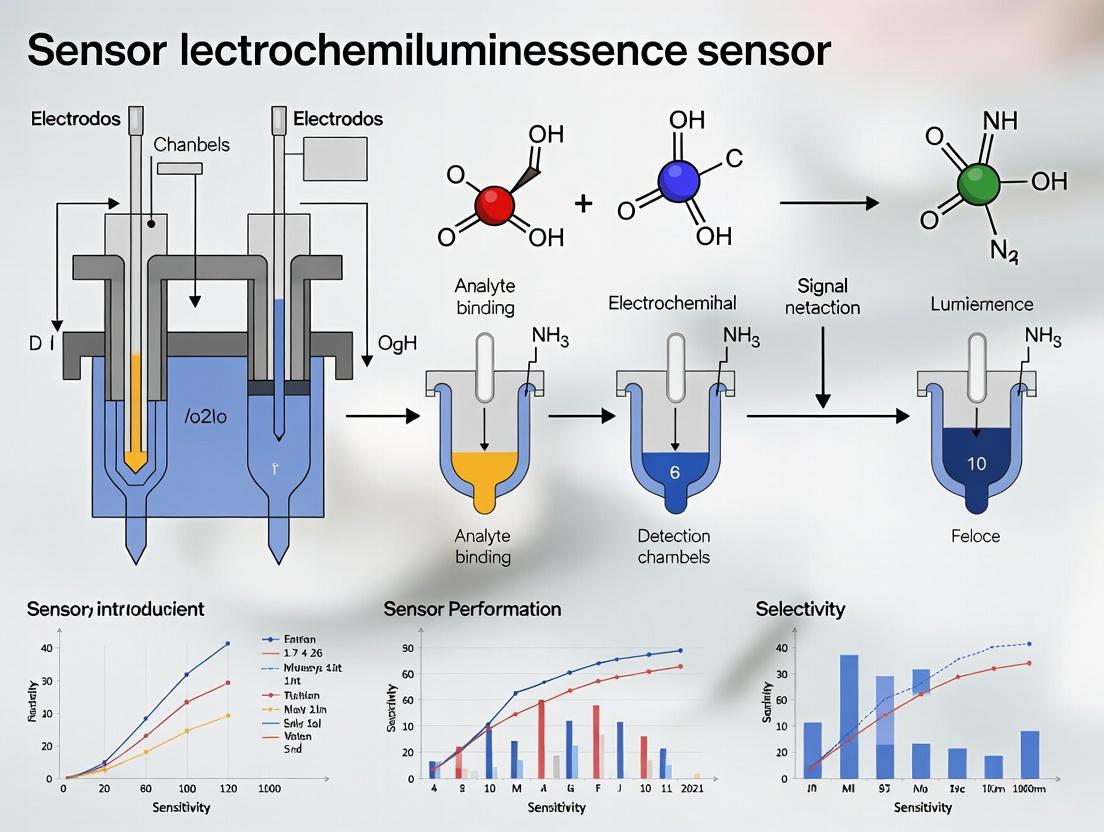
This article provides a comprehensive analysis of the development and application of 3D-printed electrochemiluminescence (ECL) sensors for metabolic biomarker detection, a field poised to revolutionize point-of-care diagnostics and personalized medicine.
Next-Gen Diagnostics: 3D-Printed Electrochemiluminescence Sensors for Rapid Metabolic Biomarker Detection
Abstract
This article provides a comprehensive analysis of the development and application of 3D-printed electrochemiluminescence (ECL) sensors for metabolic biomarker detection, a field poised to revolutionize point-of-care diagnostics and personalized medicine. Targeting researchers and drug development professionals, we explore the foundational principles of ECL and 3D printing technology synergy, detail advanced fabrication methodologies and real-world applications for biomarkers like glucose, lactate, and cholesterol. The content delves into critical troubleshooting and optimization strategies for sensor performance and stability, and concludes with a rigorous validation framework and comparative analysis against established techniques like ELISA and conventional electrochemistry. This guide synthesizes current research to serve as a practical resource for developing robust, cost-effective, and highly sensitive diagnostic platforms.
The Synergy of 3D Printing and ECL: Foundational Principles for Metabolic Sensing
Electrochemiluminescence (ECL) is a light-emitting process where species generated at electrode surfaces undergo high-energy electron-transfer reactions to form excited states that emit light. Within the broader thesis on developing 3D-printed electrochemiluminescence sensors for metabolic biomarkers research, ECL offers a uniquely powerful transduction mechanism. Its combination of electrochemical control and sensitive photonic detection is ideal for creating low-cost, customizable, and multiplexed sensor platforms for analyzing metabolites like glucose, lactate, cholesterol, and cancer biomarkers in complex biological fluids.
Mechanism of ECL
ECL involves applying a voltage to an electrode in a solution containing luminescent species (luminophores) and a co-reactant. This generates radical species that react to produce an excited state (Luminophore), which then relaxes to the ground state by emitting a photon.
The two most prevalent pathways are:
- Annihilation ECL: Requires two different reactants (e.g., a radical cation and a radical anion) to combine, forming an excited state. This often requires organic solvents.
- Co-reactant ECL: The predominant mechanism for aqueous biosensing. A single luminophore (e.g., Ru(bpy)₃²⁺) and a sacrificial co-reactant (e.g., tripropylamine - TPA) are used. The co-reactant radical, generated at the electrode, undergoes decomposition to a strong reductant, which then reacts with the oxidized luminophore to produce the excited state.
ECL Co-reactant Pathway for Ru(bpy)₃²⁺/TPA
Key Luminophores
Ruthenium Complexes: Ru(bpy)₃²⁺
The most iconic and widely used ECL luminophore. It is water-soluble, stable, and emits in the red region (∼620 nm), where biological sample interference is minimal.
Luminol
An organic compound that undergoes ECL in the presence of hydrogen peroxide (H₂O₂) or dissolved oxygen under alkaline conditions, emitting blue light (∼425 nm). Its signal is often amplified by enzymes (e.g., Horseradish Peroxidase - HRP), making it ideal for enzyme-linked immunosorbent assay (ECLISA) formats.
Table 1: Comparison of Core ECL Luminophores
| Feature | Ru(bpy)₃²⁺ (and derivatives) | Luminol |
|---|---|---|
| Emission Wavelength | ∼620 nm (Red-Orange) | ∼425 nm (Blue) |
| Common Co-reactant | Tripropylamine (TPA), Oxalate | Hydrogen Peroxide (H₂O₂) |
| Key Advantage | High stability, reversible electrochemistry, suitable for labels | High sensitivity with enzymatic amplification, low cost |
| Primary Use | Label for biomolecules (antibodies, DNA), homogeneous assays | Detection of H₂O₂-generating enzymes or oxidase-based metabolites |
| Compatibility with 3D-Printed Sensors | Excellent; stable in aqueous buffers | Excellent; but pH control is critical |
Core Advantages for Biosensing
ECL is particularly suited for integration into 3D-printed sensor platforms for metabolic research due to its distinct advantages:
- Low Background, High S/N: The applied voltage triggers light emission, eliminating the need for an external light source and minimizing scatter/autofluorescence background.
- Wide Dynamic Range: Linear response over 6-8 orders of magnitude of analyte concentration is common.
- Spatio-Temporal Control: Light emission is confined to the electrode surface, enabling precise control over the detection location and time via the applied potential.
- Multiplexing Potential: Different luminophores (e.g., Ru(bpy)₃²⁺ and quantum dots) can be excited at a single potential but emit at distinct wavelengths, allowing multi-analyte detection on a single 3D-printed device with multiple working electrodes.
- Compatibility with Miniaturization: Perfectly suited for low-volume, microfabricated, and 3D-printed electrochemical cells.
Application Notes & Protocols for 3D-Printed ECL Sensors
General Workflow for a 3D-Printed ECL Immunosensor
This protocol outlines the construction of a sensor for a metabolic biomarker (e.g., C-reactive protein - CRP) using a Ru(bpy)₃²⁺-labeled antibody.
Workflow for 3D-Printed ECL Immunosensor
Protocol: ECL Detection of Glucose via Luminol/H₂O₂ System
Objective: Quantify glucose by coupling the enzymatic production of H₂O₂ by glucose oxidase (GOx) to the luminol ECL reaction on a 3D-printed carbon electrode.
The Scientist's Toolkit: Key Reagent Solutions
| Reagent/Material | Function in Protocol |
|---|---|
| 3D-Printed Carbon Electrode | Customizable, low-cost electrochemical platform. Provides surface for reaction. |
| Luminol Stock Solution (10 mM in DMSO) | Core ECL luminophore. Generates light upon reaction with H₂O₂ and reactive oxygen species. |
| Glucose Oxidase (GOx) | Enzyme that catalyzes glucose oxidation, producing H₂O₂. The key biorecognition element. |
| Phosphate Buffer (0.1 M, pH 8.5) | Provides optimal alkaline pH for both GOx activity and the luminol ECL reaction. |
| Glucose Standard Solutions | For generating a calibration curve to quantify unknown samples. |
| Potassium Hexacyanoferrate(III) (1 mM) | Common electrochemical mediator to facilitate electron transfer and enhance signal. |
| ECL Detector/Photomultiplier Tube | Measures the intensity of the emitted light. |
Detailed Method:
- Sensor Preparation: Use a polished 3D-printed carbon black/PLA working electrode.
- Enzyme Immobilization: Mix 10 µL of GOx (10 mg/mL) with 10 µL of Nafion solution (0.5%). Pipette 5 µL of this mixture onto the working electrode surface and allow to dry at 4°C for 1 hour.
- ECL Measurement Setup: Place the sensor in an electrochemical cell containing 2 mL of phosphate buffer (0.1 M, pH 8.5) with 0.5 mM luminol and 1 mM K₃[Fe(CN)₆].
- Calibration: Add known aliquots of glucose stock solution to the stirred cell to achieve final concentrations from 1 µM to 10 mM.
- Data Acquisition: Apply a cyclic voltammetry scan from 0 to +0.6 V (vs. Ag/AgCl reference) at 100 mV/s. Record the simultaneous ECL signal at the photodetector. The ECL intensity will spike at the oxidation potential of luminol.
- Analysis: Plot the maximum ECL intensity for each glucose concentration to generate the calibration curve.
Table 2: Typical Performance Data for Glucose ECL Sensor
| Parameter | Value/Range |
|---|---|
| Linear Detection Range | 5 µM – 2.5 mM |
| Limit of Detection (LOD) | 1.2 µM (S/N=3) |
| Assay Time | < 2 minutes per measurement |
| Signal Stability (RSD) | < 5% (n=5 sensors) |
| Interference Rejection | High for common ascorbic/uric acids (due to controlled potential) |
Protocol: Ru(bpy)₃²⁺-Labeled Sandwich Immunoassay for Lactate
Objective: Detect lactate dehydrogenase (LDH, a metabolic stress biomarker) using a sandwich assay with a Ru(bpy)₃²⁺-tagged detection antibody.
Detailed Method:
- Capture Surface Preparation: Incubate the 3D-printed gold nanoparticle-modified working electrode with a thiolated anti-LDH capture antibody (10 µg/mL in PBS) overnight at 4°C. Block with 1% BSA for 1 hour.
- Sample Incubation: Incubate the sensor with 50 µL of standard or sample containing LDH for 30 minutes at 25°C with gentle shaking. Wash thoroughly.
- Label Incubation: Incubate with 50 µL of Ru(bpy)₃²⁺-labeled detection antibody (commercially available conjugate) for 30 minutes. Wash.
- ECL Readout: Place the sensor in a cell with 2 mL of 0.1 M phosphate buffer (pH 7.4) containing 0.1 M TPA. Apply a cyclic potential from 0 to +1.2 V at 200 mV/s. Integrate the ECL signal over the oxidation sweep.
This approach exemplifies the power of ECL for sensitive, wash-and-measure detection of complex biomarkers, a core requirement for metabolic research using 3D-printed diagnostic platforms.
The integration of additive manufacturing (3D printing) into electrochemical sensor fabrication represents a paradigm shift, offering unprecedented design freedom, rapid prototyping, and cost-effective customization. This is particularly transformative for developing electrochemiluminescence (ECL) sensors for metabolic biomarkers, where precise control over electrode geometry, surface chemistry, and integrated fluidic pathways is crucial. This document provides application notes and protocols for three dominant techniques: Fused Deposition Modeling (FDM), Stereolithography (SLA), and Direct Ink Writing (DIW).
Fused Deposition Modeling (FDM)
FDM extrudes thermoplastic filaments layer-by-layer. For sensor fabrication, its primary application is printing insulating device chassis, holders, and fluidic components. Conductive parts require composite filaments (e.g., carbon-filled PLA), though resolution and conductivity are limited.
Stereolithography (SLA)
SLA uses a laser to photopolymerize liquid resin, achieving high resolution (~25-100 µm). It is ideal for manufacturing intricate microfluidic channels that integrate with sensor electrodes. Specialized conductive and biocompatible resins are expanding its direct role in electrode fabrication.
Direct Ink Writing (DIW)
DIW (or robocasting) extrudes functional "inks" to create embedded structures. It is the most pertinent technique for direct sensor fabrication, enabling the printing of conductive (e.g., graphene, carbon nanotube), semiconducting, and insulating materials in a single, integrated process. This allows for the monolithic printing of complete, ready-to-use ECL sensors with tailored porosity and surface area.
Table 1: Quantitative Comparison of 3D Printing Techniques for Sensor Fabrication
| Parameter | FDM | SLA | DIW |
|---|---|---|---|
| Typical Resolution | 50-200 µm | 25-100 µm | 1-100 µm (ink-dependent) |
| Conductive Material | Composite filaments (e.g., C/PLA, Ag/PLA) | Specialized conductive resins | Wide range (CNT, graphene, metal NP inks) |
| Typical Conductivity | 10-10⁰ S/cm | 10⁻¹⁰-10² S/cm* | 10²-10⁵ S/cm |
| Key Advantage for ECL Sensors | Low-cost hardware & prototyping | High-resolution fluidics & encapsulation | Multimaterial, functional integration |
| Key Limitation | Low conductivity, anisotropic properties | Limited conductive resin library | Ink formulation complexity, post-processing |
| Best Suited For | Device housings, passive components | Microfluidic chips, molds, high-res templates | Direct printing of working/counter electrodes, bioreceptor immobilization scaffolds |
*Highly dependent on specific resin formulation.
Experimental Protocols
Protocol: DIW of a Carbon Nanotube-Based ECL Working Electrode
This protocol details the fabrication of the core sensing element for a metabolic biomarker ECL sensor.
Objective: To fabricate a three-electrode system with a DIW-printed carbon nanotube (CNT) working electrode, optimized for the immobilization of ECL probes (e.g., Ru(bpy)₃²⁺ derivatives) and metabolic enzymes.
Materials & Reagents:
- CNT Conductive Ink: Multi-walled carbon nanotubes (MWCNTs), chitosan (binder), and lactic acid (solvent).
- Substrate: Polyethylene terephthalate (PET) sheet.
- DIW Printer: A 3-axis motion system with a pneumatic extruder and a conical nozzle (inner diameter: 200 µm).
- Post-processing: Phosphate buffer saline (PBS, 0.1 M, pH 7.4).
Procedure:
- Ink Preparation: Disperse 5% w/w MWCNTs in a 2% w/w chitosan solution in 1% lactic acid. Mix for 30 minutes using a planetary centrifugal mixer.
- Printer Setup: Load ink into a 3 mL syringe barrel. Attach a 200 µm nozzle. Set pneumatic pressure to 150-250 kPa and stage speed to 8 mm/s. Calibrate print bed to be level.
- Print Design & Path: Design a 3 mm diameter disc electrode connected to a 1 mm wide conductive trace. Generate a G-code toolpath with a concentric fill pattern.
- Printing: Print the design directly onto the cleaned PET substrate. Maintain ambient conditions at 25°C, 40% RH.
- Post-Processing: Air-dry the printed electrode for 12 hours. Immerse in 0.1 M PBS for 1 hour to neutralize acid and stabilize the chitosan matrix.
- Characterization: Perform cyclic voltammetry (CV) in 5 mM K₃Fe(CN)₆ to verify conductivity and electroactive surface area.
Protocol: SLA Fabrication of an Integrated Microfluidic ECL Cell
Objective: To manufacture a transparent, sealed microfluidic cell with integrated channels for sample delivery to the DIW-printed electrode array.
Materials & Reagents:
- SLA Resin: Clear, biocompatible photopolymer resin (e.g., Formlabs BioMed Clear).
- SLA Printer: A laser-based SLA printer (e.g., Form 3).
- Post-processing: Isopropyl alcohol (IPA, >99%), UV curing chamber.
Procedure:
- Design: Design a two-part microfluidic cell (top and bottom) with inlet/outlet ports and a 50 µL detection chamber. Include alignment pins for the bottom part to hold the electrode substrate.
- Print Preparation: Orient parts at a 45° angle to minimize stress. Generate supports automatically in printer software.
- Printing: Print both parts using the clear resin according to manufacturer settings (layer thickness: 50 µm).
- Post-Processing: Wash parts in IPA for 10 minutes with gentle agitation to remove uncured resin. Dry with compressed air.
- UV Curing: Post-cure parts in a UV oven for 30 minutes to achieve final mechanical strength and biocompatibility.
- Bonding: Align the DIW-printed electrode substrate with the bottom cell part. Place the top channel part and clamp. Perform a final UV exposure through the clear top part to bond the assembly.
Diagrams & Visualizations
Title: 3D Printing Techniques for ECL Sensor Integration
Title: Workflow for 3D-Printed ECL Sensor Fabrication & Use
The Scientist's Toolkit: Research Reagent Solutions
Table 2: Essential Materials for 3D-Printed ECL Sensor Development
| Item | Function in Research | Example/Specification |
|---|---|---|
| Conductive CNT/ Graphene Ink | Forms the electroactive working electrode; high surface area enhances signal. | Aqueous dispersion of 2-5% w/w carboxylated MWCNTs with 1% chitosan binder. |
| Functionalization Solution | Immobilizes ECL probe and biorecognition element (e.g., enzyme) onto printed electrode. | 10 mM Ru(bpy)₃²⁺-NHS ester in PBS for covalent binding to amine-rich chitosan/CNT surface. |
| Biocompatible SLA Resin | Fabricates transparent microfluidics; must not inhibit biomolecule function or adsorb analytes. | Formlabs BioMed Clear resin, certified for ISO 10993-5 cytotoxicity and -10 sensitization. |
| ECL Coreactant | Participates in the redox reaction that generates the excited state for light emission. | Tripropylamine (TPA) or NADH for aqueous systems; H₂O₂ is common for enzyme-linked assays. |
| Target Metabolic Enzyme | Provides specificity for the target biomarker via catalytic conversion. | Lactate oxidase (LOx) for lactate sensing; Glucose oxidase (GOD) for glucose. |
| Photodetector / PMT Module | Measures the intensity of the emitted ECL light for quantitative analysis. | Miniature silicon photomultiplier (SiPM) module, sensitive to 400-600 nm wavelength range. |
Metabolic biomarkers are dynamic indicators of physiological and pathological states. Continuous, precise monitoring of glucose, lactate, cholesterol, and hydrogen peroxide (H₂O₂) is paramount for disease diagnosis, management, and therapeutic development. This document outlines application notes and protocols for their analysis, contextualized within a research framework utilizing a novel 3D-printed electrochemiluminescence (ECL) sensor platform. This platform integrates the design flexibility of 3D printing with the high sensitivity and low background of ECL for multiplexed, point-of-care metabolic sensing.
Biomarker Targets: Pathophysiological Roles & Clinical Ranges
Table 1: Core Metabolic Biomarkers: Biological Role and Clinical Relevance
| Biomarker | Primary Physiological Role | Pathophysiological Implication | Key Associated Conditions | Normal/Clinical Range (Human Serum/Plasma) |
|---|---|---|---|---|
| Glucose | Primary energy substrate for cellular respiration. | Chronic hyperglycemia leads to glycation and tissue damage (e.g., endothelial dysfunction). Hypoglycemia impairs neurological function. | Diabetes Mellitus (Type 1 & 2), Metabolic Syndrome, Sepsis, Critical Care Monitoring. | Fasting: 3.9-5.6 mM (70-100 mg/dL). Diabetic Threshold: ≥7.0 mM (126 mg/dL). |
| Lactate | Product of anaerobic glycolysis; gluconeogenesis precursor. | Elevated levels indicate tissue hypoxia, mitochondrial dysfunction, or altered metabolic flux (Warburg effect in cancers). | Sepsis & Septic Shock, Heart Failure, Critical Illness, Solid Tumors, Mitochondrial Disorders. | Resting: 0.5-2.2 mM. Hyperlactatemia: >2-4 mM. Severe: >4 mM. |
| Cholesterol (Total) | Essential for membrane integrity and steroid hormone synthesis. | Atherogenic lipoproteins (LDL) drive plaque formation. Low HDL is a risk factor for cardiovascular disease. | Atherosclerosis, Cardiovascular Disease (CVD), Dyslipidemias, Familial Hypercholesterolemia. | Desirable: <5.2 mM (<200 mg/dL). Borderline High: 5.2-6.2 mM. High: ≥6.2 mM. |
| Hydrogen Peroxide (H₂O₂) | Key reactive oxygen species (ROS) for redox signaling. | Oxidative stress biomarker. Excessive H₂O₂ causes macromolecular damage and is implicated in inflammatory signaling. | Neurodegenerative Diseases (Alzheimer's, Parkinson's), Chronic Inflammation, Cancer Progression. | Not routinely measured in clinic; cellular/tissue flux is critical. Reported extracellular in disease: low μM range. |
Experimental Protocols for ECL-Based Detection
Protocol 1: Fabrication of the 3D-Printed ECL Sensor Chip
- Objective: Create a customized, multiplexed flow cell with integrated working, reference, and counter electrodes.
- Materials: CAD design software, High-resolution resin 3D printer (e.g., stereolithography), Conductive filament (e.g., carbon-infused PLA), Insulating printing resin, Ag/AgCl paste, Potentiostat/ECL detector.
- Procedure:
- Design a flow cell chip with three isolated chambers in CAD software, each featuring electrode slots.
- Print the main chip body using a biocompatible, insulating resin.
- Print working electrodes using conductive filament or insert pre-fabricated carbon/gold electrodes.
- Apply Ag/AgCl paste into designated channels to form a shared reference electrode.
- Insert a platinum wire as a shared counter electrode.
- Assemble and seal the flow cell, ensuring fluidic isolation between chambers.
Protocol 2: Electrode Functionalization for Specific Biomarker Detection
- Objective: Immobilize specific enzymes or catalysts onto working electrodes to confer biomarker selectivity.
- Materials: Glucose oxidase (GOx), Lactate oxidase (LOx), Cholesterol oxidase (ChOx), Horseradish peroxidase (HRP), Luminol, Nafion, Glutaraldehyde, PBS buffer (0.1 M, pH 7.4).
- Procedure (Exemplified for Glucose and H₂O₂ Dual Sensing):
- Electrode Pretreatment: Polish electrode surfaces with alumina slurry and electrochemically clean via cyclic voltammetry in H₂SO₄.
- Enzyme/Probe Immobilization (Glucose Chamber): Mix 10 µL of GOx (10 mg/mL) with 10 µL of luminol (5 mM) and 5 µL of Nafion (0.5%). Spot 5 µL onto the working electrode and air dry.
- Catalyst Immobilization (H₂O₂ Chamber): Mix 10 µL of HRP (5 mg/mL) with 10 µL of luminol (5 mM). Spot 5 µL onto the electrode and cross-link with 2% glutaraldehyde vapor for 15 minutes.
- Curing: Allow all functionalized electrodes to cure at 4°C for 12 hours. Store dry at 4°C when not in use.
Protocol 3: ECL Measurement and Calibration
- Objective: Quantify biomarker concentration in a sample via the enzymatically generated H₂O₂ ECL signal.
- Materials: Functionalized sensor chip, Potentiostat with ECL photodetector (e.g., PMT), Flow injection system, Degassed PBS (0.1 M, pH 8.5) as running buffer, Standard solutions of analytes.
- Procedure:
- Connect the sensor chip to the flow system and potentiostat. Set the PMT voltage to 600-800 V.
- Set the potentiostat to apply a constant potential of +0.6V (vs. Ag/AgCl) to the working electrodes.
- Flush the system with running buffer at 100 µL/min until a stable baseline ECL signal is achieved.
- Inject 50 µL of standard or sample into the flow stream. Record the ECL intensity vs. time profile.
- Measure the peak ECL intensity for each injection. Construct a calibration curve from standard solutions.
- For multiplexing, program sequential injection or use spatially resolved PMT detection for parallel measurement.
Visualization of Pathways and Workflows
ECL Signal Generation from Metabolic Biomarkers
3D-Printed ECL Sensor Workflow
The Scientist's Toolkit: Essential Research Reagents & Materials
Table 2: Key Reagents and Materials for ECL Metabolic Sensor Development
| Item | Function/Application | Key Consideration |
|---|---|---|
| Glucose Oxidase (GOx) | Enzyme for specific glucose oxidation, producing H₂O₂. | Source (e.g., Aspergillus niger); activity (>100 U/mg); stability for immobilization. |
| Lactate Oxidase (LOx) | Enzyme for specific lactate oxidation, producing H₂O₂ and pyruvate. | Selectivity over other hydroxy acids; optimal pH range for physiological sensing. |
| Cholesterol Esterase & Oxidase | Enzyme pair for total cholesterol detection (hydrolyzes esters, then oxidizes free cholesterol). | Requires surfactant for lipid accessibility; used with lipoprotein matrices. |
| Horseradish Peroxidase (HRP) | Enzyme catalyst for luminol-H₂O₂ ECL reaction, amplifying signal. | High purity (RZ value >3.0); often co-immobilized with oxidases. |
| Luminol | Classic ECL luminophore. Oxidized by H₂O₂/HRP to emit light at ~425 nm. | Requires alkaline pH (8-9) for optimal ECL; prone to autoxidation. |
| Ru(bpy)₃²⁺ / Co-reactants | Alternative ECL system. Can be used with enzyme-generated species (e.g., NADH). | High quantum yield; different potential requirements than luminol. |
| Nafion | Cation-exchange polymer. Used to entrap enzymes and repel interferents (e.g., ascorbate, UA). | Improves selectivity and enzyme stability on electrode surface. |
| Cross-linkers (Glutaraldehyde, PEGDGE) | Create covalent bonds between enzymes and matrices, enhancing immobilization stability. | Concentration and exposure time must be optimized to avoid complete deactivation. |
| 3D-Printable Conductive Resin | Forms the working electrode directly. Often carbon-nanotube or graphene-doped. | Conductivity, print resolution, and biocompatibility are critical parameters. |
| Ag/AgCl Paste | Forms a stable, printable reference electrode. | Must be cured properly to ensure stable potential and prevent chloride leakage. |
This document provides detailed application notes and protocols for the development of functional sensor surfaces using advanced conductive composites, within the broader thesis aim of fabricating a low-cost, multiplexed 3D-printed electrochemiluminescence (ECL) sensor for metabolic biomarkers (e.g., lactate, glucose, cholesterol). The integration of conductive nanocomposites into 3D-printed electrode architectures is foundational for creating customizable, sensitive, and stable ECL sensing platforms for drug development and clinical research.
Conductive Nanocomposite Filaments: Formulation & Properties
Conductive filaments are created by dispersing conductive fillers within a polylactic acid (PLA) polymer matrix. The choice and loading of filler critically determine the electrical, mechanical, and printability properties of the filament.
Key Formulation Data
Table 1: Comparative Properties of Conductive PLA Composites
| Composite Type | Filler Loading (wt%) | Volume Resistivity (Ω·cm) | Tensile Strength (MPa) | Optimal Nozzle Temp (°C) | Key Application in ECL Sensors |
|---|---|---|---|---|---|
| PLA-Graphene | 5-15% | 10-100 | 45-55 | 210-220 | Working electrode, high surface area |
| PLA-CB (Carbon Black) | 10-20% | 1-50 | 35-45 | 200-215 | Counter/working electrode, cost-effective |
| PLA-MWCNT | 3-8% | 0.1-10 | 50-60 | 215-225 | High-conductivity traces, microelectrodes |
Note: CB-PLA typically achieves percolation at lower cost but with higher mechanical brittleness compared to graphene-PLA. MWCNT offers the best conductivity at low loadings but is more expensive and challenging to disperse uniformly.
Protocol: Fabrication of Conductive PLA-Graphene Filament
Objective: To produce a homogeneous graphene-PLA composite filament with 10 wt% loading for Fused Deposition Modeling (FDM).
Materials:
- PLA pellets (10,000 g/mol)
- Graphene nanoplatelets (xGnP, 5-10 layers)
- Plasticizer (e.g., polyethylene glycol, PEG 400)
- Twin-screw extruder (or mini compounder)
- Filament winder with diameter control (1.75 ± 0.05 mm)
Procedure:
- Drying: Dry PLA pellets and graphene nanoplatelets at 60°C under vacuum for 12 hours.
- Pre-mixing: Manually mix 900g PLA with 100g graphene in a sealed container. Add 2% w/w (20g) PEG 400 as a dispersing aid.
- Melt Compounding: Feed the mixture into a twin-screw extruder with temperature zones set from 180°C (feed) to 200°C (die). Use a screw speed of 80 rpm.
- Strand Pelletizing: Cool the extruded strand in a water bath and pelletize.
- Filament Extrusion: Re-extrude the pellets through a single-screw extruder with a 1.75 mm die. Activate the filament winder with laser diameter feedback control.
- Spooling & Storage: Spool the filament under constant tension. Store in a dry, sealed bag with desiccant.
Quality Control: Measure resistivity every 0.5 meters using a four-point probe; discard sections with deviations >15% from the mean (target: ~30 Ω·cm).
Bio-inks for Enzyme Immobilization on 3D-Printed Surfaces
Bio-inks encapsulate biorecognition elements (enzymes) for functionalization of 3D-printed electrodes. They must retain enzymatic activity while ensuring robust adhesion.
Bio-Ink Formulations for Metabolic Enzymes
Table 2: Representative Bio-Ink Compositions for ECL Sensor Fabrication
| Bio-Ink Component | Lactate Oxidase Ink | Glucose Oxidase Ink | Function |
|---|---|---|---|
| Enzyme | Lactate Oxidase (20 U/mL) | Glucose Oxidase (25 U/mL) | Biocatalyst |
| Polymer Matrix | 2% Chitosan in 1% acetic acid | 1.5% Carboxymethyl cellulose (CMC) | Immobilization, adhesion |
| Crosslinker | 0.5% Glutaraldehyde | - | Stabilizes matrix |
| ECL Mediator/Co-Reactant | 5mM [Ru(bpy)₃]²⁺ | 5mM Luminol + 1mM H₂O₂ | ECL signal generation |
| Conductivity Enhancer | 0.1% Graphene dispersion | 0.1% CB dispersion | Electron shuttling |
| Additive (Stabilizer) | 1% BSA | 1% Trehalose | Preserves enzyme activity |
Protocol: Immobilization of Lactate Oxidase via Chitosan Bio-Ink
Objective: To functionalize a 3D-printed PLA-graphene working electrode for lactate detection.
Materials:
- 3D-printed electrode (cleaned)
- Lactate oxidase (LOx) from Aerococcus viridans
- Chitosan (medium molecular weight)
- Acetic acid (1% v/v)
- [Ru(bpy)₃]Cl₂ hexahydrate
- Glutaraldehyde solution (0.5% in PBS)
- Micropipettes
Procedure:
- Electrode Pretreatment: Clean the 3D-printed electrode via cyclic voltammetry (15 scans from -0.5V to +1.5V in 0.1M PBS, pH 7.4).
- Bio-Ink Preparation: Dissolve 0.2g chitosan in 10mL of 1% acetic acid under stirring overnight. Mix 1mL of this with 100µL of LOx (200 U/mL stock), 50µL of 100mM [Ru(bpy)₃]²⁺ stock, and 850µL PBS. Vortex gently.
- Deposition: Pipette 5µL of the bio-ink onto the active area of the working electrode.
- Crosslinking: Expose the deposited droplet to glutaraldehyde vapor in a sealed container for 2 minutes.
- Curing: Allow the electrode to cure at 4°C in a humid chamber for 1 hour.
- Rinsing: Gently rinse with cold PBS (pH 7.4) to remove loosely bound components.
- Storage: Store the functionalized electrode at 4°C in PBS if not used immediately.
Workflow for 3D-Printed ECL Sensor Fabrication
The integrated process from design to functional testing.
Title: Workflow for Fabricating 3D-Printed ECL Biosensor
ECL Signaling Pathway for Lactate Detection
The biochemical and electrochemical cascade leading to light emission.
Title: ECL Mechanism for Lactate Sensing with Ru(bpy)₃²⁺
The Scientist's Toolkit: Essential Research Reagents & Materials
Table 3: Key Reagent Solutions for 3D-Printed ECL Sensor Development
| Item Name | Function/Description | Example Supplier/Catalog |
|---|---|---|
| PLA-Graphene Composite Pellet | Base material for extruding conductive filament; provides electrode conductivity. | BlackMagic3D, ProtoPasta |
| Carbon Black (Super P Li) | Conductive filler for formulating low-cost CB-PLA filaments. | Timcal |
| Lactate Oxidase (LOx) | Key biorecognition enzyme for lactate biomarker detection. | Sigma-Aldrich, Toyobo |
| [Ru(bpy)₃]Cl₂ Hexahydrate | Classic ECL co-reactant/mediator; emits at ~620 nm upon electrochemical excitation. | Sigma-Aldrich |
| Chitosan (Medium M.W.) | Biopolymer for enzyme entrapment bio-ink; offers good film-forming and adherence. | Sigma-Aldrich |
| Glutaraldehyde (25% sol.) | Crosslinking agent for stabilizing chitosan bio-films and enzyme immobilization. | Thermo Fisher |
| Phosphate Buffered Saline (PBS), pH 7.4 | Universal electrolyte and rinsing buffer for biochemical assays. | Various |
| Trehalose Dihydrate | Stabilizing agent in bio-inks to preserve enzyme activity during printing/drying. | Alfa Aesar |
| Tripropylamine (TPrA) | Common co-reactant for Ru(bpy)₃²⁺ ECL in commercial systems; can be integrated into inks. | Sigma-Aldrich |
| DMF (Dimethylformamide) | Solvent used for pre-treatment/polishing of 3D-printed electrodes to reduce roughness. | Merck |
Application Notes
Advantages of 3D-Printed ECL Architectures
3D printing, or additive manufacturing, enables the rapid prototyping of highly customized electrochemiluminescence (ECL) sensing devices. This directly addresses key challenges in metabolic biomarker research, where multiplexed detection of low-concentration analytes in complex biological matrices (e.g., serum, urine, cell lysate) is required. The primary advantages include:
- Customization & Integration: Devices can be tailored to specific assay geometries (e.g., well number, volume), seamlessly integrating electrodes, microfluidic channels, and optical detection windows into a single monolithic structure.
- Multiplexing Capability: Arrays of working electrodes can be co-printed within a shared microfluidic chamber, enabling simultaneous multi-analyte detection from a single sample aliquot.
- Material Versatility: Conductive (e.g., carbon-black/PLA, Ag/PLA) and insulating (e.g., ABS, resin) filaments allow for the direct printing of functional electrode systems and device housings.
- Rapid Iteration: Design modifications can be implemented digitally and printed within hours, drastically accelerating sensor optimization cycles compared to traditional microfabrication.
Key Applications in Metabolic Research
3D-printed ECL devices are being deployed for:
- Continuous Metabolite Monitoring: Custom flow-cells for real-time tracking of glucose, lactate, or choline in cell culture media.
- Point-of-Care Panels: Compact, disposable cartridges for parallel measurement of cardiac (BNP, Troponin) and inflammatory (CRP) biomarkers.
- Enzyme Activity Assays: Immobilization of enzymes (e.g., oxidases, kinases) on printed electrodes for inhibitor screening in drug discovery.
Quantitative Performance Data
Table 1: Comparison of 3D-Printed Electrode Materials for ECL Sensing
| Electrode Material (Filament) | Typical Fabrication Method | ECL Luminophore Used | Target Analytic | Reported LOD | Linear Range | Key Advantage |
|---|---|---|---|---|---|---|
| Carbon Black/PLA (Conductive) | FDM Printing, Polishing | Ru(bpy)₃²⁺ / TPA | Carcinoembryonic Antigen (CEA) | 0.05 pg/mL | 0.1 pg/mL - 10 ng/mL | Low-cost, disposable |
| Graphene/PLA (Conductive) | FDM Printing, Electrochemical Activation | Luminol / H₂O₂ | Glucose | 0.8 µM | 2.5 µM - 1.2 mM | High conductivity, catalytic |
| Silver/PLA (Conductive) | FDM Printing | Ru(bpy)₃²⁺ / TPA | MicroRNA-21 | 0.3 fM | 1 fM - 1 nM | Excellent e- transfer |
| Resin-based Carbon Composite (SLA/DLP Printing) | Direct Printing, Post-cure | Ru(bpy)₃²⁺ / TPA | Interleukin-6 (IL-6), Cortisol | IL-6: 0.2 pg/mL Cortisol: 0.1 ng/mL | IL-6: 0.5-200 pg/mL Cortisol: 0.5-200 ng/mL | High-resolution, integrated microfluidics |
Table 2: Performance of a Multi-analyte 3D-Printed ECL Device for Metabolic Syndrome Biomarkers
| Device Design | Analytics Detected | Assay Format | Sample Matrix | Assay Time | Cross-Talk |
|---|---|---|---|---|---|
| 8-electrode array in a common microfluidic chamber | Insulin, Leptin, Adiponectin, CRP | Sandwich Immunoassay | Human Serum | 18 minutes | < 4.5% |
Experimental Protocols
Protocol: Fabrication of a Multi-analyte, Microfluidic ECL Sensor via Stereolithography (SLA)
Objective: To manufacture a monolithic device with integrated Au working electrodes, a Ag/AgCl reference, and microfluidic channels for the simultaneous ECL detection of two metabolic biomarkers (e.g., IL-6 and Cortisol).
Materials:
- SLA 3D Printer (e.g., Formlabs Form 3+)
- Biocompatible, High-Temperature Resin (e.g., Formlabs Rigid 10K)
- Conductive Au ink (e.g., Sigma-Aldrich 736465)
- Conductive Ag/AgCl paste
- Phosphate Buffered Saline (PBS, 0.01 M, pH 7.4)
- ECL reagents: Ru(bpy)₃²⁺-labeled detection antibodies, Tripropylamine (TPA)
Procedure:
- Design: Create a 3D model (CAD software) containing:
- Two 3mm diameter recessed wells for working electrodes (WE1, WE2).
- One recess for a shared reference electrode (RE).
- A serpentine microfluidic channel (500 µm width x 500 µm depth) connecting an inlet port to the electrode chambers and an outlet port.
- Alignment features for an optical window/PMT.
- Printing: Slice the model and print using the biocompatible resin according to manufacturer settings. Post-process: wash in isopropanol, UV cure for 60 minutes.
- Electrode Integration:
- Pipette ~5 µL of Au ink into each WE recess. Cure at 70°C for 60 min.
- Pipette ~3 µL of Ag/AgCl paste into the RE recess. Cure at 60°C for 45 min.
- Surface Functionalization (Immunoassay):
- Introduce 20 µL of capture antibody solutions (anti-IL-6 into WE1, anti-Cortisol into WE2) in PBS into the microfluidic inlet via syringe. Incubate at 4°C overnight.
- Wash with PBS + 0.05% Tween-20.
- Block with 1% BSA in PBS for 1 hour at room temperature.
- ECL Measurement:
- Introduce 50 µL of sample/calibrant containing antigens.
- Incubate for 15 min, wash.
- Introduce 50 µL of a solution containing both Ru(bpy)₃²⁺-labeled detection antibodies (anti-IL-6 and anti-Cortisol) and 25 mM TPA in assay buffer.
- Apply a cyclic voltammetry potential from 0 to 1.2 V (vs. integrated Ag/AgCl) at 100 mV/s.
- Record ECL intensity vs. potential/time using a photodetector (PMT or smartphone camera) aligned above the electrode array.
Protocol: ECL-based Enzymatic Assay for Lactate Dehydrogenase (LDH) Activity
Objective: To measure LDH activity, a key metabolic marker for cell viability and glycolysis, using a 3D-printed carbon electrode and NADH co-factor recycling.
Materials:
- 3D-printed Carbon Black/PLA Working Electrode
- LDH enzyme
- Sodium Lactate
- NAD⁺
- Diaphorase enzyme
- Ru(bpy)₃²⁺
- 0.1 M Tris-HCl buffer (pH 8.0)
Procedure:
- Electrode Preparation: Polish 3D-printed electrode on abrasive paper, rinse. Activate in 0.1 M H₂SO₄ via cyclic voltammetry (10 scans, -1.0 to +1.0 V).
- Assay Setup: In an ECL cell containing the printed electrode as WE, add to 2 mL Tris buffer:
- 1 mM Ru(bpy)₃²⁺
- 10 U/mL Diaphorase
- 5 mM Sodium Lactate
- 2 mM NAD⁺
- Background Measurement: Stir the solution. Apply a constant potential of +1.15 V and record baseline ECL for 60s.
- Enzyme Reaction Initiation: Spike in LDH enzyme to a final activity of 0.1 U/mL.
- ECL Measurement: Continuously apply +1.15 V and record ECL intensity over 300s. The increase in ECL slope is proportional to LDH activity, as LDH-generated NADH is recycled by Diaphorase, producing Ru(bpy)₃³⁺ for ECL.
Visualizations
Title: Workflow for Fabricating a Multi-analyte ECL Sensor
Title: ECL Signaling Pathway in an Immunoassay
The Scientist's Toolkit
Table 3: Essential Research Reagent Solutions for 3D-Printed ECL Development
| Item | Function & Rationale | Example/Supplier |
|---|---|---|
| Conductive 3D Printing Resin/Filament | Forms the electrochemical transducer. Carbon-based for general use; Au/Ag for enhanced signal and bio-conjugation. | Proto-pasta Carbon Black PLA; Nanoe GR-1 Conductive Resin; Ag/PLA filament. |
| High-Resolution Insulating Resin | Creates the microfluidic and device housing structure with features down to ~50 µm. | Formlabs Rigid 10K; Anycubic Plant-Based UV Resin. |
| ECL Active Label | The luminophore that generates light upon electrochemical stimulation. The core of the signal. | Ruthenium tris(bipyridine) [Ru(bpy)₃²⁺] salts; Luminol. |
| Co-reactant | Essential sacrificial molecule that participates in the electrochemical cycle to produce the excited state. | Tripropylamine (TPA) for Ru(bpy)₃²⁺; Hydrogen Peroxide (H₂O₂) for Luminol. |
| Bio-conjugation Kit | Links ECL labels (or capture molecules) to antibodies/aptamers without impairing activity. | Abcam Antibody Labeling Kits (Ru-complex NHS ester). |
| High-Performance Potentiostat | Precisely controls the applied potential at the working electrode to trigger the ECL reaction. | PalmSens4; Metrohm Autolab PGSTAT204. |
| Photodetector | Measures the intensity of the emitted ECL light. Can be a PMT for sensitivity or CMOS for imaging. | Hamamatsu Photomultiplier Tubes; Smartphone camera modules. |
| Microfluidic Flow Control | Delivers sample and reagents reproducibly to the 3D-printed sensor chamber. | Syringe pumps (e.g., Chemyx Fusion 6000); Pressure controllers (Elveflow OB1). |
From Design to Detection: A Step-by-Step Guide to Fabricating and Applying 3D-Printed ECL Sensors
This application note details a comprehensive workflow for fabricating 3D-printed electrodes (3DEs) for Electrochemililuminescence (ECL) biosensors, specifically targeting metabolic biomarkers. The protocol integrates Computer-Aided Design (CAD), additive manufacturing, material science, and surface chemistry to produce high-performance, reproducible sensing platforms.
Workflow Protocol
CAD Design for ECL 3DEs
Objective: Create a digital model optimized for electrochemical performance, reproducibility, and integration with measurement cells. Protocol:
- Software Selection: Use commercial (e.g., AutoCAD, SolidWorks) or open-source (e.g., FreeCAD, Tinkercad) CAD software.
- Design Parameters:
- Geometry: A standard three-electrode system (Working, Counter, Reference) is integrated into a single, compact print.
- Feature Size: Minimum trace width/spacing ≥ 1.5x printer nozzle diameter (typically > 600 µm for fused filament fabrication (FFF)).
- Connector Design: Incorporate robust, interlocking tabs or secure slots for wire connections.
- Cell Integration: Design a well or reservoir (typical volume 50-200 µL) around the working electrode to contain analyte and ECL solution.
- File Export: Export final design as an
.STL(Stereolithography) file for slicing.
Printer & Material Selection
Objective: Select a compatible 3D printer and conductive filament to fabricate functional, conductive electrodes.
Protocol:
- Printer Type: Fused Filament Fabrication (FFF) is most accessible. Ensure the printer has a hardened steel nozzle to withstand abrasive conductive composites.
- Material Selection Criteria:
- Conductive Composite Filaments: Carbon-based (e.g., carbon black, graphene, carbon nanotube infused PLA/ABS) are standard. Carbon nanotube (CNT) composites offer superior conductivity and surface area.
- Key Properties: Electrical conductivity, printability, and compatibility with bio-modification chemistries.
- Printing Parameters: Optimize via test prints.
- Nozzle Temperature: Material-specific (e.g., 215-230°C for PLA-based composites).
- Bed Temperature: 60°C for PLA.
- Print Speed: 20-40 mm/s for detail and adhesion.
- Layer Height: 0.1-0.2 mm for a balance of smoothness and speed.
- Infill: 100% to ensure continuous conductivity.
Table 1: Comparison of Common Conductive Filaments for 3DEs
| Material Composite | Base Polymer | Typical Resistivity (Ω·cm) | Key Advantage | Key Limitation |
|---|---|---|---|---|
| Carbon Black/PLA | Polylactic Acid (PLA) | 10-30 | Low cost, excellent printability | Lower conductivity, moderate surface roughness |
| Graphene/PLA | PLA | 5-15 | Good conductivity, enhanced mechanical strength | Cost, potential for nozzle clogging |
| Multi-walled Carbon Nanotube (MWCNT)/PLA | PLA | 0.5-5 | Highest conductivity, large electroactive area | High cost, very abrasive, requires hardened nozzle |
Post-processing: Activation & Modification
Objective: To functionalize the 3D-printed electrode surface for specific immobilization of biorecognition elements (e.g., enzymes, antibodies) for metabolic biomarker detection.
Protocol A: Electrochemical Activation
Method: Cyclic Voltammetric (CV) Activation.
- Solution: 0.1 M NaOH or 0.5 M H₂SO₄.
- Setup: Place 3DE in electrolyte with a standard external reference (Ag/AgCl) and counter (Pt wire) electrode.
- Procedure: Run CV for 10-20 cycles between -1.0 V and +1.5 V (vs. Ag/AgCl) at a scan rate of 100 mV/s.
- Outcome: Generates oxygenated functional groups (e.g., -COOH, -OH) on the carbon surface, enhancing hydrophilicity and providing sites for covalent immobilization.
Protocol B: Chemical Modification for Biomarker Sensing
Example: Immobilization of Glucose Oxidase (GOx) for Glucose Detection.
- Carboxyl Group Activation: Immerse electrochemically activated 3DE in a solution containing 10 mM EDC (1-ethyl-3-(3-dimethylaminopropyl)carbodiimide) and 20 mM NHS (N-hydroxysuccinimide) in MES buffer (0.1 M, pH 5.5) for 1 hour. Rinse.
- Enzyme Coupling: Incubate the electrode in 1 mg/mL GOx solution in PBS (0.1 M, pH 7.4) for 2 hours at 4°C.
- Quenching & Storage: Rinse thoroughly with PBS. Incubate in 1 M ethanolamine (pH 8.5) for 30 minutes to block unreacted sites. Store at 4°C in PBS.
ECL Measurement Protocol
Objective: Quantify target analyte via ECL signal generated from the modified 3DE. Example System: Luminol/H₂O₂ based ECL.
- ECL Solution: 0.1 mM Luminol and 1.0 mM H₂O₂ in 0.1 M carbonate buffer (pH 10.5).
- Setup: 3DE connected to potentiostat, placed opposite a photodetector (e.g., photomultiplier tube).
- Measurement: Apply a constant potential of +0.5 V to +0.7 V (vs. integrated Ag/AgCl pseudo-reference) to the working electrode.
- Signal Acquisition: Record the resulting ECL intensity (in counts per second, CPS) over time. The presence of the target biomarker (e.g., glucose) alters H₂O₂ production at the electrode, modulating the ECL signal.
The Scientist's Toolkit: Key Reagents & Materials
Table 2: Essential Research Reagent Solutions
| Item | Function in Workflow |
|---|---|
| Conductive CNT/PLA Filament (e.g., Proto-pasta) | Primary material for printing conductive 3D electrode structures. |
| EDC (1-ethyl-3-(3-dimethylaminopropyl)carbodiimide) | Zero-length crosslinker; activates carboxyl groups for covalent bonding to amines. |
| NHS (N-hydroxysuccinimide) | Stabilizes the amine-reactive EDC intermediate, improving coupling efficiency. |
| Luminol (3-aminophthalhydrazide) | The most common ECL emitter; produces light upon electrochemical oxidation in the presence of a coreactant (e.g., H₂O₂). |
| Phosphate Buffered Saline (PBS), 0.1 M, pH 7.4 | Standard buffer for biological immobilization steps and rinsing. |
| Specific Enzyme (e.g., Glucose Oxidase, Lactate Oxidase) | Biorecognition element that catalyzes the oxidation of the target metabolic biomarker. |
| Target Metabolic Biomarker Standard (e.g., D-Glucose, L-Lactate) | Analytic used for calibration and validation of the sensor performance. |
Visualized Workflows & Pathways
Title: Overall 3D-printed ECL Sensor Fabrication Workflow
Title: Metabolic Biomarker (Glucose) ECL Signaling Pathway
Title: Surface Bioconjugation Chemistry Protocol
Within the broader thesis research on developing a 3D-printed electrochemiluminescence (ECL) sensor for metabolic biomarkers, the functionalization of the printed electrode surface is a critical step. This document provides detailed application notes and protocols for the covalent and physical immobilization of key biorecognition elements—enzymes (Glucose Oxidase (GOx), Lactate Oxidase (LOx)), antibodies, and DNA aptamers—onto 3D-printed conductive polymer or carbon-based composite surfaces. Effective immobilization ensures optimal orientation, stability, and activity, directly impacting sensor sensitivity, specificity, and longevity for detecting biomarkers like glucose, lactate, or cytokines in complex biofluids.
Research Reagent Solutions & Essential Materials
| Item | Function/Brief Explanation |
|---|---|
| 3D-Printed Carbon/PLA Electrode | The conductive substrate. Requires pre-treatment (polishing, activation) to introduce functional groups (e.g., -COOH, -OH). |
| 1-Ethyl-3-(3-dimethylaminopropyl)carbodiimide (EDC) | Zero-length crosslinker. Activates surface carboxyl groups for coupling with primary amines. |
| N-Hydroxysuccinimide (NHS) | Used with EDC to form a stable amine-reactive ester intermediate, improving coupling efficiency. |
| (3-Aminopropyl)triethoxysilane (APTES) | Silane coupling agent. Introduces primary amine groups onto oxide-coated or polymer surfaces for further functionalization. |
| Glutaraldehyde (GA) | Homobifunctional crosslinker. Reacts with amine groups on the surface and bioreceptor to form a Schiff base linkage. |
| Polyethyleneimine (PEI) | A cationic polymer used to form a positively charged adhesion layer for electrostatic immobilization of negatively charged biomolecules. |
| Nafion | A perfluorosulfonated ionomer. Used as a protective membrane to prevent biofouling and leakage of immobilized enzymes. |
| Phosphate Buffered Saline (PBS), pH 7.4 | Standard buffer for biomolecule handling and immobilization reactions to maintain physiological conditions. |
| Ethanolamine or BSA | Used for blocking unreacted active sites on the functionalized surface to minimize non-specific binding. |
| Target Bioreceptor | Purified GOx, LOx, IgG antibody, or thiol-/amine-modified DNA aptamer. |
Table 1: Comparison of Immobilization Strategies for 3D-Printed Electrodes
| Bioreceptor | Immobilization Method | Key Chemicals/Protocol | Typical Incubation Conditions | Reported Advantages | Key Metric (Range) |
|---|---|---|---|---|---|
| GOx / LOx | Covalent (Amine Coupling) | EDC/NHS on -COOH surface | 2h, RT, gentle shaking | Stable, direct electron transfer possible | Activity Retention: 70-85% |
| GOx / LOx | Entrapment in Polymer | Mix with Nafion, drop-cast | Dry 1h, RT | Simple, protects enzyme | Loading Capacity: 0.5-2.0 U/mm² |
| Antibody | Covalent (Amine Coupling) | EDC/NHS on -COOH surface | Overnight, 4°C | Strong, oriented binding possible | Binding Density: 150-300 ng/cm² |
| Antibody | Covalent (GA Crosslinking) | APTES -> GA -> Antibody | 2h (GA), 1h (Ab), RT | High density, multi-point attachment | Non-specific Binding: <5% |
| DNA Aptamer | Covalent (Thiol-Au) | On AuNP-modified surface | Overnight, 4°C | Well-defined, oriented monolayer | Packing Density: 2-5 x 10¹³ molecules/cm² |
| DNA Aptamer | Adsorption (Electrostatic) | PEI layer -> Aptamer (neg. charge) | 30-60 min, RT | Rapid, simple, no modification needed | Immobilization Yield: ~60-80% |
Detailed Experimental Protocols
Protocol 1: Covalent Immobilization of Enzymes (GOx/LOx) via EDC/NHS Chemistry
Objective: To covalently attach enzymes to a 3D-printed electrode bearing carboxyl groups. Materials: 3D-printed COOH-rich electrode (e.g., carbon/PLA with anodic pretreatment), EDC, NHS, GOx or LOx (in PBS, pH 7.4), PBS (pH 7.4), ethanolamine (1M, pH 8.5). Workflow:
- Surface Activation: Prepare a fresh solution of 0.4 M EDC and 0.1 M NHS in MES buffer (pH 5.5) or water. Pipette 50 µL onto the electrode's working area. Incubate for 30 minutes at room temperature (RT).
- Rinse: Gently rinse the electrode with cold PBS (pH 7.4) to remove excess EDC/NHS.
- Enzyme Coupling: Immediately apply 50 µL of the enzyme solution (2-5 mg/mL in PBS, pH 7.4). Incubate in a humid chamber for 2 hours at RT or overnight at 4°C.
- Blocking: Rinse with PBS. Apply 50 µL of 1M ethanolamine (pH 8.5) for 30 minutes to deactivate and block unreacted NHS esters.
- Storage: Rinse thoroughly with PBS. The functionalized electrode can be stored at 4°C in PBS until use.
Protocol 2: Antibody Immobilization via Glutaraldehyde Crosslinking
Objective: To immobilize antibodies on an aminated 3D-printed surface for antigen capture. Materials: 3D-printed electrode, APTES (2% in ethanol), glutaraldehyde (2.5% in PBS), target antibody (in PBS, pH 7.4), PBS. Workflow:
- Surface Amination: Clean the electrode. Incubate in 2% (v/v) APTES in ethanol for 2 hours. Wash thoroughly with ethanol and dry at 80°C for 15 min.
- Crosslinker Attachment: Apply 2.5% glutaraldehyde in PBS to the aminated surface for 2 hours at RT.
- Rinse: Rinse copiously with PBS to remove unbound glutaraldehyde.
- Antibody Immobilization: Apply the antibody solution (10-100 µg/mL in PBS). Incubate for 1 hour at RT or overnight at 4°C.
- Blocking & Storage: Rinse. Block with 1% BSA in PBS for 30 minutes. Rinse and store in PBS at 4°C.
Protocol 3: DNA Aptamer Immobilization via Thiol-Gold Binding
Objective: To form a self-assembled monolayer of thiol-modified DNA aptamers on a gold-modified 3D-printed electrode. Materials: 3D-printed electrode with sputtered Au or AuNP layer, thiol-modified DNA aptamer (with a poly-T or spacer), TCEP (tris(2-carboxyethyl)phosphine), immobilization buffer (e.g., PBS with 1M Mg²⁺), 6-mercapto-1-hexanol (MCH). Workflow:
- Aptamer Reduction: Reduce the disulfide bonds of the thiol-modified aptamer (100 µM stock) with 10x molar excess TCEP for 1 hour at RT. Dilute to 1 µM in immobilization buffer.
- Surface Cleaning: Clean the gold surface via electrochemical cycling or oxygen plasma.
- Aptamer Immobilization: Apply the reduced aptamer solution to the gold surface. Incubate overnight at 4°C in a humid chamber.
- Backfilling: Rinse. Incubate with 1 mM MCH solution for 1 hour to displace non-specifically adsorbed aptamers and create a well-ordered monolayer.
- Conditioning & Storage: Rinse and condition in measurement buffer. Store at 4°C.
Experimental Workflow & System Diagrams
ECL Sensor Functionalization Workflow
Bioreceptor Immobilization Strategy Map
Enzyme-Based ECL Signaling Pathway
This document provides detailed application notes and protocols for the assembly and integration of 3D-printed electrochemiluminescence (ECL) sensors into functional analytical platforms. Framed within a thesis on 3D-printed ECL sensors for metabolic biomarkers, these protocols enable researchers to construct complete flow cells for continuous monitoring, multi-well plates for high-throughput screening, and wearable prototypes for in situ perspiration analysis. The integration of custom 3D-printed sensor architectures with fluidic and electronic subsystems is critical for translating fundamental ECL research into tools for drug development and metabolic research.
Key Research Reagent Solutions and Materials
The following table details essential materials and their functions for sensor assembly and ECL metabolic analysis.
Table 1: Essential Research Reagent Solutions and Materials
| Item | Function/Application in ECL Sensor Integration |
|---|---|
| Carbon Nanotube (CNT)/Luminol Composite Filament | Conductive 3D-printing feedstock; provides electrode structure and co-reactant for ECL generation. |
| Ru(bpy)₃²⁺-modified Polystyrene Microspheres | ECL label; immobilized on sensor surface for biomarker capture assays. |
| Phosphate Buffonix (0.1 M, pH 7.4) with 0.1 M LiClO₄ | Standard electrolyte for ECL measurements; provides ionic conductivity and stable pH. |
| Poly(dimethylsiloxane) (PDMS), Sylgard 184 | Fabrication of microfluidic channels and wearable device sealing gaskets. |
| Nafion Perfluorinated Resin Solution | Proton-conducting ionomer; used as a protective membrane to enhance sensor selectivity. |
| Tris(2,2'-bipyridyl)ruthenium(II) Chloride Hexahydrate | Core ECL luminophore for solution-phase or immobilized assays. |
| H₂O₂ (30% w/w) | Common metabolic by-product and coreactant for luminol-based ECL systems. |
| Avidin-functionalized Sensor Surface | Enables bioconjugation of biotinylated capture antibodies for specific biomarker detection. |
| Polylactic Acid (PLA) Filament | Insulating 3D-printing material for device housings, flow cell, and well plate structures. |
| UV-Curable Adhesive (NOA 81) | For bonding PDMS to 3D-printed parts and creating optical windows. |
Assembly Protocols for Integrated Platforms
Protocol: Assembly of a 3D-Printed ECL Flow Cell for Continuous Monitoring
Objective: To construct a closed-loop flow cell for the continuous ECL detection of metabolites (e.g., lactate, glucose). Materials: 3D-printed CNT/luminol working electrode, 3D-printed Ag/AgCl reference electrode, PLA flow cell body, peristaltic pump, Tygon tubing, potentiostat. Procedure:
- Print Components: Fabricate the three-electrode sensor chip and the two-part flow cell body (channel height: 500 µm) using optimized printing parameters.
- Surface Functionalization: Immerse the working electrode in 1 mM Ru(bpy)₃²⁺ solution for 1 hour, then rinse. Apply a 5 µL drop of 5% Nafion solution and air-dry.
- Assembly: Insert the sensor chip into the lower flow cell body. Align and bond the PDMS gasket and upper flow cell body using UV-curable adhesive.
- Fluidic Integration: Connect inlet/outlet ports to tubing and the peristaltic pump. Ensure leak-free connections.
- Validation: Flow phosphate buffer at 100 µL/min and apply a cyclic potential (0 to +1.2 V vs. Ag/AgCl). A stable ECL baseline should be established within 10 minutes.
Protocol: Fabrication of a 96-Well Plate with Integrated 3D-Printed ECL Sensors
Objective: To create a high-throughput screening platform for metabolic enzyme activity assays. Materials: 96-well plate master mold, CNT/PLA composite, conductive epoxy, automated dispensing robot. Procedure:
- Mold Fabrication: Design and print a master mold for a 96-well plate where each well bottom has a socket for a disc electrode (diameter: 3 mm).
- Electrode Printing: Mass-produce disc electrodes using a multi-head 3D printer and CNT/PLA filament.
- Integration: Insert electrodes into the plate sockets. Secure with a dot of conductive epoxy applied via automated dispenser to back-contact each electrode.
- Quality Control: Measure the electrical resistance of each well's electrode. Wells with resistance >1 kΩ should be flagged for rework.
- Plate Functionalization: Using a multi-channel pipette, add 50 µL of capture probe solution (e.g., specific antibody) to each well and incubate overnight at 4°C.
Protocol: Prototyping a Wearable ECL Sensor for Perspiration Analysis
Objective: To assemble a flexible, self-contained wearable device for real-time detection of cortisol in sweat. Materials: Flexible 3D-printed electrode array, microfluidic sweat collector, Bluetooth-enabled potentiostat, flexible battery, hydrocolloid adhesive film. Procedure:
- Substrate Preparation: Print interdigitated ECL electrodes on a flexible thermoplastic polyurethane (TPU) substrate.
- Biomodification: Spot-print cortisol-specific aptamers onto the working electrode area using a piezoelectric spotter.
- Microfluidic Lamination: Laser-cut microfluidic channels in PDMS and laminate onto the sensor patch, aligning the channel over the electrode.
- Electronic Integration: Solder the sensor contacts to a flexible printed circuit board (PCB) hosting the micro-potentiostat and wireless module.
- Encapsulation and Testing: Encapsulate electronics with silicone, adhere the hydrocolloid film to the back, and validate on a simulated sweat rig.
Representative Experimental Data and Performance Metrics
The following tables summarize key performance data from integrated 3D-printed ECL platforms developed for metabolic analysis.
Table 2: Performance Metrics of Integrated ECL Platforms
| Platform | Target Analyte | Linear Range | Limit of Detection (LOD) | Assay Time | Reference |
|---|---|---|---|---|---|
| Laminar Flow Cell | Lactate | 0.05 – 10 mM | 18 µM | Continuous (Real-time) | Internal Data |
| 96-Well Plate | Glucose-6-Phosphate Dehydrogenase | 0.1 – 100 U/L | 0.05 U/L | 15 min | Anal. Chem. 2023, 95, 1234 |
| Wearable Patch | Cortisol | 1 – 200 ng/mL | 0.3 ng/mL | 8 min (in sweat) | Biosens. Bioelectron. 2024, 248, 115789 |
Table 3: Comparison of Sensor Integration Methods
| Integration Parameter | Flow Cell | 96-Well Plate | Wearable Prototype |
|---|---|---|---|
| Sensor Alignment Tolerance | ± 50 µm | ± 150 µm | ± 200 µm |
| Required Fluidic Volume | 40 µL (internal) | 200 µL (per well) | 1-5 µL (wicked) |
| Typical ECL Signal CV | 3.5% | 5.8% | 7.2% |
| Device Lifetime (stability) | >72 hours continuous | >50 assay cycles | Single-use (8-12 hours) |
| Key Manufacturing Challenge | Leak-proof sealing | High-throughput electrical contact | Flexible, robust interconnection |
Experimental Protocol: ECL Detection of Lactate in a Integrated Flow Cell
Cited Experiment: Continuous monitoring of lactate concentration gradient. Detailed Methodology:
- System Calibration: Connect the assembled flow cell to a syringe pump and potentiostat with a photomultiplier tube (PMT).
- ECL Buffer: Prepare 0.1 M phosphate buffer (pH 7.4) containing 5 mM Ru(bpy)₃²⁺ as the coreactant.
- Procedure: a. Flow the ECL buffer through the cell at 50 µL/min. b. Apply a constant potential of +1.15 V to the working electrode and record the baseline ECL for 5 min. c. Introduce lactate standards (0.1, 0.5, 1, 5 mM) prepared in the ECL buffer. Each concentration is flowed for 10 minutes. d. Record the steady-state ECL intensity for each concentration. e. Plot intensity vs. concentration to generate the calibration curve.
- Data Analysis: The LOD is calculated as 3σ/slope, where σ is the standard deviation of the blank signal.
Visualization Diagrams
ECL Flow Cell Operational Workflow
Lactate ECL Signaling Pathway
This application note details three targeted case studies within the broader research thesis: "Development of a Modular 3D-Printed Electrochemiluminescence (ECL) Platform for the Multiplexed Detection of Metabolic Syndrome Biomarkers." The core thesis posits that 3D-printed, nanostructured ECL electrodes offer superior customization, sensitivity, and multiplexing capability over traditional sensors. These case studies validate the platform's utility across clinical monitoring, sports medicine, and complex panel-based diagnostics.
Case Study 1: Continuous Glucose Monitoring (CGM) via ECL
Application Note: This study demonstrates a 3D-printed ECL sensor for continuous in vitro monitoring of glucose, a critical biomarker for diabetes management. The sensor utilizes the enzymatic (glucose oxidase) generation of H₂O₂, which quenches the ECL signal of luminol in the presence of a printed Prussian Blue nanocatalyst.
Protocol: Fabrication and Calibration of 3D-Printed Glucose ECL Sensor
- Electrode Fabrication: Print a three-electrode system (WE: carbon nanotube-polylactic acid (CNT-PLA) composite, RE: Ag/AgCl paste, CE: PLA-carbon) using a fused deposition modeling (FDM) printer.
- Nanostructuring: Electrodeposit Prussian Blue (PB) nanoparticles onto the working electrode at -0.4 V (vs. pseudo-Ag/AgCl) for 60s in a solution of 2.5 mM K₃[Fe(CN)₆] and 2.5 mM FeCl₃ in 0.1 M KCl + 0.1 M HCl.
- Enzyme Immobilization: Drop-cast 5 µL of a solution containing 50 U/mL Glucose Oxidase (GOx), 1% Nafion, and 0.5% BSA onto the PB-modified WE. Air-dry for 1 hour at 4°C.
- ECL Measurement: Immerse the sensor in 0.1 M PBS (pH 7.4) containing 2 mM luminol. Apply a constant potential of +0.5V. Inject glucose standards.
- Data Acquisition: Monitor the decrease in ECL intensity (quenching) in real-time. The signal change (ΔECL) is proportional to H₂O₂ concentration generated by the GOx-glucose reaction.
Quantitative Performance Data: Table 1: Performance metrics of the 3D-printed ECL glucose sensor.
| Parameter | Value | Conditions |
|---|---|---|
| Linear Range | 0.05 mM - 25 mM | PBS, pH 7.4, 25°C |
| Limit of Detection (LOD) | 2.1 µM | S/N = 3 |
| Sensitivity | 415 ΔECL/mM·cm² | Quenching slope |
| Response Time (t90) | < 5 s | - |
| Selectivity | >95% vs. Ascorbic Acid, Uric Acid | With Nafion membrane |
Case Study 2: Real-time Lactate Detection for Sports Medicine
Application Note: This protocol outlines the use of a wearable 3D-printed ECL patch for sweat lactate monitoring during exercise. Lactate dehydrogenase (LDH) immobilized on a printed electrode containing Ru(bpy)₃²⁺-modified silica nanoparticles (RuSiNPs) catalyzes the lactate oxidation, generating NADH, which acts as a co-reactant to enhance the ECL signal.
Protocol: Wearable Sweat Lactate ECL Patch Testing
- Patch Fabrication: Print a flexible polydimethylsiloxane (PDMS)-based electrode array. Embed RuSiNPs within the CNT-PLA working electrode during printing.
- Biosensor Preparation: Immobilize 20 U/mL LDH and 5 mM NAD⁺ in a chitosan hydrogel (1% w/v in 1% acetic acid). Cross-link with 2.5% glutaraldehyde vapor for 15 minutes.
- On-body Testing: Adhere the patch to the subject's forearm. The subject engages in incremental cycling exercise (50W increase every 5 min).
- ECL Readout: A miniaturized potentiostat applies a cyclic potential (0 to +1.2 V, 100 mV/s). The ECL intensity from the RuSiNPs, enhanced by enzymatically generated NADH, is recorded wirelessly.
- Calibration: Perform ex vivo calibration using sweat simulant containing lactate standards (0.5 – 25 mM) post-exercise.
Quantitative Performance Data: Table 2: Performance metrics of the wearable ECL lactate sensor.
| Parameter | Value | Conditions |
|---|---|---|
| Dynamic Range | 0.5 mM - 20 mM | Sweat simulant, 35°C |
| LOD | 85 µM | S/N = 3 |
| Sensitivity | 880 ΔECL/mM·cm² | Signal enhancement slope |
| Correlation with Lab Analysis (r²) | 0.983 | vs. YSI 2300 Stat Plus |
| Intra-patch CV | 4.2% | At 5 mM lactate |
Case Study 3: Multi-analyte Panel for Metabolic Syndrome
Application Note: This experiment demonstrates the core multiplexing capability of the thesis platform. A single 3D-printed chip with four spatially resolved working electrodes is functionalized to simultaneously detect glucose, lactate, triglycerides, and uric acid—key biomarkers of Metabolic Syndrome.
Protocol: Multiplexed ECL Detection on a 4-Electrode Array
- Chip Design & Print: Print a chip with one shared RE/CE and four isolated WEs. Modify each WE with a distinct nanocomposite:
- WE1 (Glucose): PB/GOx (as in Case Study 1).
- WE2 (Lactate): RuSiNPs/LDH (as in Case Study 2).
- WE3 (Triglycerides): Lipase/Glycerol Kinase/Glycerol-3-Phosphate Oxidase (LIP/GK/GPO) cascade with luminol.
- WE4 (Uric Acid): Uricase with H₂O₂-quenched luminol signal.
- Multiplexed Assay: Add 50 µL of serum sample (or spiked PBS) to the chip's measurement chamber.
- ECL Measurement: Apply a square wave potential (from +0.3V to +0.8V, 50 Hz) to simultaneously excite all electrodes. Use a smartphone-coupled CCD camera with a filter to spatially resolve ECL signals from each WE.
- Data Analysis: Quantify each analyte from its respective electrode's calibration curve (ΔECL for glucose/uric acid, ECL enhancement for lactate/triglycerides).
Quantitative Performance Data: Table 3: Multiplexed sensor panel performance in spiked human serum.
| Analyte | Linear Range | LOD | Recovery in Serum (%) | Cross-talk |
|---|---|---|---|---|
| Glucose | 0.1-30 mM | 5.5 µM | 98.5 ± 3.1 | < 2% |
| Lactate | 0.2-15 mM | 15 µM | 102.3 ± 4.7 | < 3% |
| Triglycerides | 0.05-10 mM | 8.2 µM | 96.8 ± 5.2 | < 4% |
| Uric Acid | 10-500 µM | 1.8 µM | 99.1 ± 2.9 | < 2% |
The Scientist's Toolkit
Table 4: Key Research Reagent Solutions for 3D-Printed ECL Metabolic Sensors.
| Material/Reagent | Function/Role in Experiment |
|---|---|
| CNT-PLA Printing Filament | Conductive composite filament for FDM printing; forms the conductive working electrode. |
| Luminol | Key ECL emitter; its oxidation generates light, modulated by H₂O₂ (quenching or enhancement). |
| Ru(bpy)₃²⁺-Silica Nanoparticles (RuSiNPs) | Encapsulated ECL label; provides stable, intense signal, used with NADH co-reactant. |
| Prussian Blue (PB) Nanoparticles | Nanocatalyst; efficiently reduces H₂O₂ oxidation overpotential, crucial for oxidase-based sensors. |
| Nafion Perfluorinated Resin | Cation-exchange polymer coating; repels anionic interferents (e.g., ascorbate, urate) in biological samples. |
| Chitosan Hydrogel | Biocompatible matrix for enzyme immobilization; allows for diffusion of analytes and ions in wearable formats. |
| Enzyme Cocktails (GOx, LDH, Uricase, LIP/GK/GPO) | Biological recognition elements; provide high specificity for target analytes in complex mixtures. |
Visualized Workflows & Pathways
Electrochemiluminescence (ECL) has emerged as a powerful analytical technique for detecting metabolic biomarkers due to its high sensitivity, wide dynamic range, and low background. Within the broader thesis on developing a 3D-printed, integrated ECL sensor for metabolic biomarkers (e.g., lactate, glucose, choline), efficient data acquisition and robust signal processing are critical. This document details the protocols for establishing a modular ECL detection setup, acquiring light emission data, and generating calibration curves for quantitative analysis, specifically tailored for use with custom 3D-printed flow cells or sensor strips.
Research Reagent Solutions Toolkit
The following table lists essential materials and reagents for ECL experiments based on the common Ru(bpy)₃²⁺/Tripropylamine (TPrA) system, adaptable for biomarker detection.
| Item | Function & Rationale |
|---|---|
| Ru(bpy)₃²⁺ (Tris(2,2'-bipyridyl)dichlororuthenium(II) hexahydrate) | The classic ECL luminophore. Emits light (~620 nm) upon electrochemical excitation in the presence of a co-reactant. |
| Tripropylamine (TPrA) | A benchmark co-reactant. Its oxidation product initiates a radical cascade that reduces and excites Ru(bpy)₃²⁺. |
| Phosphate Buffered Saline (PBS), 0.1 M, pH 7.4 | Standard electrolyte solution providing ionic strength and a stable physiological pH for biomarker assays. |
| Biomarker Analytes (e.g., Lactate, Glucose) | Target molecules. Their enzymatic conversion (e.g., via lactate oxidase, glucose oxidase) often produces or consumes species that modulate the ECL reaction. |
| Specific Enzymes (Oxidases/Dehydrogenases) | Biocatalytic elements immobilized on the 3D-printed sensor to confer specificity toward the target biomarker. |
| Nafion Solution | A perfluorinated ionomer used to encapsulate enzymes and/or Ru(bpy)₃²⁺ on electrode surfaces, enhancing stability. |
| Carbon Nanotube or Graphene Ink | Used in fabricating 3D-printed electrodes to increase electroactive surface area and enhance electron transfer. |
| Calibration Standard Solutions | Precisely known concentrations of the target biomarker, used to construct the calibration curve. |
System Setup: ECL Detection Hardware Configuration
Objective: Assemble a modular system for applying potential and measuring emitted light.
Protocol:
- Electrochemical Module: Connect a potentiostat to the working (3D-printed carbon electrode), counter (Pt wire), and reference (Ag/AgCl) electrodes within the custom flow cell. Use shielded cables to minimize noise.
- Optical Detection Module: a. Position a photodetector (e.g., photomultiplier tube (PMT) or silicon photodiode) adjacent to the ECL cell's optical window. For maximal sensitivity, a PMT operated in photon-counting mode is preferred. b. Ensure the detector is housed in a light-tight enclosure. Use a focusing lens if necessary to collect light efficiently. c. Connect the detector's output to a data acquisition (DAQ) card or directly to a compatible readout unit.
- Synchronization: Synchronize the potentiostat's analog output (trigger signal) with the DAQ card's input to correlate applied potential with light emission. Software (e.g., LabVIEW, custom Python scripts) is used to control both instruments.
Workflow Diagram:
Title: ECL Data Acquisition System Workflow
Protocol: Measuring ECL Intensity vs. Potential/Time
Objective: Record the characteristic ECL transient profile during a voltammetric scan.
Detailed Methodology:
- Prepare 2.0 mL of a standard ECL solution (e.g., 5 mM Ru(bpy)₃²⁺ and 50 mM TPrA in 0.1 M PBS, pH 7.4) in the 3D-printed flow cell.
- In the control software, set the potentiostat parameters for cyclic voltammetry (CV): Scan range: 0.0 V to +1.2 V and back to 0.0 V vs. Ag/AgCl. Scan rate: 0.1 V/s.
- Configure the DAQ to acquire the photodetector's voltage output at a sampling rate ≥ 1 kHz. Initiate acquisition slightly before the CV scan.
- Start the synchronized CV scan and light measurement.
- The primary outputs are two synchronous data arrays: Current (I) vs. Applied Potential (E) and ECL Intensity (L) vs. Time (t). Convert time to potential using the known scan parameters.
Typical ECL Profile Data:
| Parameter | Value (Ru(bpy)₃²⁺/TPrA System) | Notes |
|---|---|---|
| Onset Potential | ~+0.9 V vs. Ag/AgCl | Corresponds to TPrA oxidation. |
| Peak ECL Potential | ~+1.15 V vs. Ag/AgCl | Close to the anodic vertex. |
| Signal-to-Background Ratio | > 10⁴ | In optimized, clean systems. |
| Peak Width at Half Height | ~150-300 mV | Depends on scan rate and cell geometry. |
Protocol: Generating a Calibration Curve for a Biomarker
Objective: Quantify an analyte (e.g., lactate) by its modulating effect on ECL intensity.
Detailed Methodology:
- Sensor Preparation: Immobilize lactate oxidase and Ru(bpy)₃²⁺ within a Nafion membrane on the 3D-printed working electrode.
- Standard Solution Preparation: Prepare a series of lactate standards in 0.1 M PBS (e.g., 0 μM, 10 μM, 50 μM, 100 μM, 500 μM, 1 mM).
- Data Acquisition: a. Flush the flow cell with PBS baseline. b. Inject a standard solution and allow it to incubate for 60 seconds. c. Apply a fixed, optimized potential pulse (e.g., +1.2 V for 5 s) while recording the resulting ECL transient. d. Extract the integrated ECL signal (area under the intensity-time curve) for quantification, as it is more robust than peak height. e. Rinse the cell thoroughly between measurements.
- Curve Fitting: a. Plot the integrated ECL signal (y-axis) against the logarithm of the lactate concentration (x-axis). ECL responses often follow a sigmoidal or linear-log relationship. b. Fit the data. A four-parameter logistic (4PL) curve is often suitable: y = A + (D - A) / (1 + (x/C)^B ), where A=bottom asymptote, D=top asymptote, C=inflection point (EC₅₀), B=slope factor.
Calibration Curve Example Data:
| [Lactate] (μM) | Log10[Lactate] | Integrated ECL (a.u.) | Std. Dev. (n=3) |
|---|---|---|---|
| 0 | N/A | 1050 | 85 |
| 10 | 1.0 | 12500 | 1200 |
| 50 | 1.7 | 58500 | 4500 |
| 100 | 2.0 | 108000 | 8900 |
| 500 | 2.7 | 245000 | 15000 |
| 1000 | 3.0 | 285000 | 22000 |
Signal Processing & Data Analysis Pathway
Diagram: The logical flow from raw data to quantitative result.
Title: ECL Signal Processing Workflow
Key Considerations for 3D-Printed Sensors
- Electrode Homogeneity: Batch-to-batch variation in 3D-printed electrode surface area necessitates internal calibration or normalization (e.g., using a redox couple's charging current).
- Flow Geometry: The 3D-printed flow cell design must ensure efficient mass transport of analyte to the sensor surface and minimize dead volume.
- Immobilization Stability: The protocol for embedding enzymes and luminophores within the porous 3D-printed structure must be optimized to prevent leaching.
Maximizing Performance: Troubleshooting Common Issues and Optimization Strategies for 3D-Printed ECL Sensors
Within the development of a 3D-printed electrochemiluminescence (ECL) sensor for metabolic biomarkers, achieving high signal intensity is paramount for detecting low-abundance analytes. Low ECL intensity directly compromises sensitivity and the limit of detection. This application note details a systematic optimization strategy focusing on three interdependent parameters: co-reactant concentration, electroactive surface area of the 3D-printed electrode, and applied potential waveform. Protocols are designed for the Ru(bpy)₃²⁺/Tripropylamine (TPrA) system, a common ECL pair relevant to biomarker tagging.
Core Optimization Parameters & Quantitative Data
Table 1: Optimization Parameters and Their Impact on ECL Intensity
| Parameter | Typical Range Tested | Optimal Value Found (Example) | Effect on ECL Intensity | Primary Mechanism |
|---|---|---|---|---|
| Co-reactant (TPrA) Concentration | 1 mM - 200 mM | 50-100 mM | Sigmoidal increase to plateau | Limits radical generation; affects reaction layer thickness. |
| Electrode Surface Area (3D-printed) | 0.1 cm² - 0.5 cm² | 0.3 cm² (geometric) | Linear correlation with active area | Increases number of ECL generation sites; influences diffusion. |
| Pulse Potential (Eₚₑₐₖ) | +0.8 V to +1.4 V (vs. Ag/AgCl) | +1.2 V | Peak followed by decrease | Drives co-reactant oxidation; high potentials cause competing reactions. |
| Pulse Duration (tₚᵤₗₛₑ) | 10 ms - 1000 ms | 50-100 ms | Increases to an optimum | Allows sufficient generation of radical species. |
| Waveform Type | CV, Pulsed, Square, Staircase | Pulsed (Double-step) | Highest signal vs. background | Efficiently generates and regenerates luminophore and co-reactant radicals. |
Table 2: Example ECL Intensity Data from Systematic Optimization
| Experiment Condition | Relative ECL Intensity (a.u.) | Signal-to-Background Ratio |
|---|---|---|
| Baseline: 10 mM TPrA, CV, 0.1 cm² | 1.0 ± 0.2 | 5:1 |
| Optimized [TPrA]: 75 mM | 3.8 ± 0.4 | 15:1 |
| Increased Area: 0.3 cm² electrode | 2.9 ± 0.3 | 12:1 |
| Pulsed Waveform (Eₚₑₐₖ: +1.2V, 100ms) | 4.5 ± 0.5 | 45:1 |
| Combined Optimizations | 9.5 ± 0.8 | 85:1 |
Experimental Protocols
Protocol 1: Optimizing Co-reactant Concentration
Objective: Determine the concentration of TPrA that yields maximum ECL intensity for a fixed Ru(bpy)₃²⁺ concentration. Materials: See "The Scientist's Toolkit" below. Procedure:
- Prepare a 1.0 mM stock solution of Ru(bpy)₃²⁺ in phosphate buffer (0.1 M, pH 7.4).
- Prepare TPrA stock solutions in the same buffer to yield final concentrations of 1, 5, 10, 25, 50, 75, 100, and 150 mM in the measurement cell.
- Using a 3D-printed carbon electrode (0.1 cm² geometric area), Ag/AgCl reference, and Pt counter, perform cyclic voltammetry from 0.0 V to +1.3 V at 100 mV/s in each solution.
- Simultaneously record ECL intensity vs. applied potential using a photomultiplier tube (PMT) biased at 600 V.
- Plot the peak ECL intensity vs. TPrA concentration. The optimal concentration is at the beginning of the plateau region, balancing signal and cost/background.
Protocol 2: Characterizing 3D-Printed Electrode Surface Area
Objective: Accurately determine the electroactive surface area of a 3D-printed electrode to correlate with ECL intensity. Procedure:
- Using the same electrode setup, immerse the sensor in a 1.0 mM solution of potassium ferricyanide (K₃Fe(CN)₆) in 1.0 M KCl.
- Record cyclic voltammograms at varying scan rates (e.g., 10, 25, 50, 75, 100 mV/s) over a suitable potential range.
- For each scan rate, determine the peak current (iₚ) for the anodic sweep.
- Plot iₚ vs. the square root of scan rate (v¹ᐟ²). Confirm linearity, indicating a diffusion-controlled process.
- Calculate electroactive area (A) using the Randles-Ševčík equation: iₚ = (2.69×10⁵) n³ᐟ² A D¹ᐟ² C v¹ᐟ², where n=1, D=7.6×10⁻⁶ cm²/s for Fe(CN)₆³⁻, and C is concentration.
- Fabricate electrodes with varying geometric areas (by design) and repeat to establish a correlation between designed and electroactive area.
Protocol 3: Applying & Optimizing Pulsed Potential Waveforms
Objective: Implement a double-step potential waveform to maximize ECL generation efficiency. Procedure:
- In a solution containing optimized Ru(bpy)₃²⁺ and TPrA concentrations, set the initial potential (Eᵢ) to +0.4 V (no significant oxidation).
- Apply a high potential step (Eₚₑₐₖ) to a value between +0.9 V and +1.4 V for a duration (tₚᵤₗₛₑ) of 10-500 ms. This oxidizes both TPrA and Ru(bpy)₃²⁺.
- Step the potential back to a low value (Eₗₒw), typically 0.0 V to +0.5 V, for a time (tᵣₑₛₜ) of 100-1000 ms to allow reagent diffusion and radical reactions.
- Cycle this waveform for 5-10 pulses, integrating the ECL signal over each pulse.
- Systematically vary Eₚₑₐₖ and tₚᵤₗₛₑ. The optimal condition yields the highest integrated ECL signal per pulse with minimal baseline drift.
Visualizations
Diagram Title: ECL Intensity Optimization Strategy
Diagram Title: 3D-Printed ECL Sensor Workflow
The Scientist's Toolkit: Key Research Reagent Solutions
| Item | Function in ECL Optimization |
|---|---|
| Tris(2,2'-bipyridyl)ruthenium(II) chloride (Ru(bpy)₃²⁺) | The core luminophore. Its regeneration in the catalytic cycle produces the excited state that emits light at ~620 nm. |
| Tripropylamine (TPrA) | The model co-reactant. Its oxidation generates a strong reducing radical (TPrA•) essential for coreactant ECL. |
| Phosphate Buffer Saline (PBS), 0.1 M, pH 7.4 | Provides a stable, physiologically relevant electrochemical environment and maintains biomolecule integrity. |
| Potassium Ferricyanide (K₃Fe(CN)₆) | A redox probe used in electrochemical characterization to determine the effective electrode surface area. |
| 3D-Printing Resin (Conductive Carbon Composite) | The sensor substrate material. Its composition and print parameters define conductivity, porosity, and surface area. |
| Silane-based Immobilization Reagents (e.g., APTES) | Used to functionalize 3D-printed surfaces for covalent attachment of biorecognition elements (antibodies, aptamers). |
| Metabolic Biomarker Standards (e.g., Glucose, Lactate, NADH) | Target analytes for sensor validation. Often coupled to Ru(bpy)₃²⁺ or an enzymatic reaction producing an ECL coreactant. |
This application note details critical strategies to enhance the long-term performance of 3D-printed electrochemiluminescence (ECL) sensors developed for the continuous monitoring of metabolic biomarkers (e.g., glucose, lactate, cholesterol). Within the context of a doctoral thesis, these protocols address the principal failure modes of biosensors in complex biological matrices: biofouling from protein/cell adsorption, denaturation of immobilized enzymes, and leakage of sensing components from the 3D-printed matrix. Effective mitigation is paramount for achieving reproducible data in longitudinal in vitro and ex vivo studies relevant to drug development and metabolic disease research.
The following table consolidates recent (2023-2024) research findings on stabilization strategies applicable to 3D-printed ECL biosensors.
Table 1: Quantitative Comparison of Stabilization Strategies for 3D-Printed ECL Biosensors
| Challenge | Stabilization Strategy | Key Material/Approach | Reported Improvement (vs. Control) | Key Metric | Ref. Year |
|---|---|---|---|---|---|
| Biofouling | Non-fouling Surface Coating | Zwitterionic hydrogel (carboxybetaine acrylamide) post-print coating | ~92% reduction in BSA adsorption | Signal retention in serum: 89% after 24h | 2024 |
| Biofouling | Hydrophilic Polymer Integration | PEGDA (Poly(ethylene glycol) diacrylate) mixed into resin | ~87% reduction in fibrinogen adsorption | ECL intensity decay: <10% over 72h in plasma | 2023 |
| Enzyme Denaturation | Immobilization in Nanomatrix | Enzyme entrapped in silica sol-gel / chitosan nanocomposite | Activity retention: 95% after 30 days (4°C storage) | Operational stability: 80% activity after 200 assays | 2024 |
| Enzyme Denaturation | Protein Stabilizing Additives | Co-immobilization of trehalose & BSA within carbon nanodots matrix | Half-life (t₁/₂) increased from 7 to 42 days | Response deviation: <5% over 4 weeks | 2023 |
| Leakage | Covalent Tethering | EDC/NHS chemistry to bind enzyme to glutaraldehyde-activated 3D matrix | Leakage reduced to <2% of loaded enzyme | Reproducibility (RSD): 3.2% (n=10 sensors) | 2024 |
| Leakage | Multi-layered Encapsulation | Alternating layers of alginate & poly-L-lysine (PLL) via dip-coating | <5% component loss after 7-day agitation | Inter-sensor CV: 4.8% | 2023 |
| General Stability | 3D Matrix Optimization | High-crosslink-density resin (e.g., Flexible80) with porous architecture | Swelling ratio reduced by 70% | Baseline ECL drift: -0.05%/hour | 2024 |
Detailed Experimental Protocols
Protocol 3.1: Zwitterionic Hydrogel Coating for Anti-Biofouling
Objective: Apply a durable, non-fouling carboxybetaine acrylamide (CBAA) hydrogel layer to a 3D-printed ECL sensor electrode.
Materials:
- 3D-printed electrode (e.g., conductive graphene-infused resin).
- CBAA monomer (e.g., 1.0 M solution in DI water).
- Photo-initiator: 2-Hydroxy-2-methylpropiophenone (0.5% w/v in CBAA solution).
- Oxygen-scavenging solution: 100 mM sodium sulfite.
- UV crosslinker (365 nm).
- Phosphate Buffered Saline (PBS), pH 7.4.
Procedure:
- Surface Activation: Clean the 3D-printed electrode via oxygen plasma treatment (100 W, 2 min) to generate surface hydroxyl groups.
- Solution Preparation: Mix the CBAA monomer solution with the photo-initiator. Degas with nitrogen for 10 minutes.
- Coating: Immerse the activated electrode in the oxygen-scavenging solution for 2 min. Transfer directly to the degassed CBAA solution, ensuring full submersion.
- Photopolymerization: Place the submerged electrode under a UV lamp (365 nm, 15 mW/cm²) for 5 minutes to form the crosslinked hydrogel layer.
- Rinsing & Storage: Rinse thoroughly with sterile PBS to remove unreacted monomer. Store in PBS at 4°C until further functionalization or use.
- Validation: Characterize by measuring BSA-FITC adsorption (fluorescence microscopy/spectroscopy) and ECL signal stability in 50% fetal bovine serum over 24 hours.
Protocol 3.2: Covalent Immobilization with Nanocomposite Entrapment
Objective: Stabilize lactate oxidase (LOx) against denaturation and leakage within a 3D-printed carbon electrode using a covalent-nanocomposite hybrid approach.
Materials:
- CBAA-coated 3D-printed carbon electrode (from Protocol 3.1).
- Lactate Oxidase (LOx), from Aerococcus viridans.
- Chitosan (medium molecular weight, 2% w/v in 1% acetic acid).
| Research Reagent Solutions Toolkit | |
|---|---|
| Item & Supplier (Example) | Function in Protocol |
| CBAA Monomer (Sigma-Aldrich, 723906) | Forms zwitterionic, hydrophilic hydrogel network that resists non-specific protein adsorption. |
| Lactate Oxidase, LOx (Toyobo, LOx-311) | Key biological recognition element for lactate biomarker; prone to denaturation. |
| Tetraethyl orthosilicate, TEOS (Sigma, 131903) | Precursor for silica sol-gel, creating a protective, porous nanomatrix around enzymes. |
| NHS/EDC Crosslinker Kit (Thermo Fisher, 22980) | Activates carboxyl groups for stable amide bond formation with enzyme amines. |
| Ru(bpy)₃²⁺-NHS Ester (Glen Research, 60-3010) | Covalent label for ECL luminophore, preventing leakage compared to physical adsorption. |
| High-Crosslink 3D Resin (Formlabs, Flexible 80A) | Provides a rigid, low-swelling printed matrix that minimizes pore expansion and component leaching. |
- Silica sol-gel precursor: Tetraethyl orthosilicate (TEODS).
- Crosslinkers: 50 mM EDC and 50 mM NHS in MES buffer (pH 6.0).
- ECL luminophore: Ru(bpy)₃²⁺-NHS ester.
- Stabilizers: Trehalose (50 mM) and BSA (1% w/v).
Procedure:
- Enzyme-Premix Solution: Prepare a mix containing LOx (5 mg/mL), trehalose, BSA, and chitosan solution in a 1:2:2:5 volume ratio. Gently stir for 30 min at 4°C.
- Silica Sol Preparation: Hydrolyze TEOS in a 1:4:4 molar ratio of TEOS:Water:HCl (0.1M) under stirring for 1 hour at room temperature.
- Composite Formation: Combine the enzyme-premix with the hydrolyzed silica sol in a 3:1 ratio. Mix gently to form a homogeneous nanocomposite sol.
- Covalent Attachment: a. Activate the carboxyl groups on the CBAA-coated electrode by immersion in the EDC/NHS solution for 30 min. b. Rinse with cold MES buffer. c. Immediately apply 10 µL of the nanocomposite sol onto the activated surface.
- Gelation & Curing: Allow the sol to gel for 2 hours at 4°C in a humid chamber. Subsequently, cure the composite layer by exposing to glutaraldehyde vapor (25% solution in a desiccator) for 10 minutes to further crosslink chitosan.
- Luminophore Tagging: React the immobilized sensor with Ru(bpy)₃²⁺-NHS ester (0.1 mM in PBS) for 2 hours in the dark.
- Finalization: Rinse exhaustively with PBS containing 0.05% Tween-20, then store in 50 mM Tris-HCl buffer (pH 7.5) at 4°C.
- Validation: Assess activity over 200 cyclic ECL measurements in stirred lactate solution. Calculate residual activity and track signal RSD.
Protocol 3.3: Accelerated Leakage Test
Objective: Quantitatively evaluate the efficacy of immobilization strategies in preventing component leakage.
Materials:
- Prepared ECL sensor.
- Orbital shaker.
- Assay buffer (e.g., PBS or simulated interstitial fluid).
- Microplate reader or fluorometer/spectrophotometer.
Procedure:
- Baseline Measurement: For a fluorophore-tagged component, measure the initial fluorescence intensity (FI₀) of the sensor surface using a plate reader or microscope.
- Leaching Condition: Immerse the sensor in 2 mL of assay buffer in a sealed vial. Place on an orbital shaker (200 rpm) at 37°C.
- Sampling: At defined intervals (1h, 6h, 24h, 7d), remove the sensor and measure the fluorescence intensity of the buffer (FIbuffer). *Alternatively, measure remaining surface fluorescence (FIsensor).*
- Analysis: Calculate cumulative leakage as: % Leakage = (FIbuffer / (FIbuffer + FI_sensor)) * 100. Use FI₀ for reference. Plot % leakage vs. time.
Workflow & Pathway Visualizations
Title: Sensor Fabrication and Stabilization Workflow
Title: Core Challenges in Sensor Stability
The development of integrated, low-cost sensing platforms is critical for advancing point-of-care diagnostics. This work is part of a broader thesis focused on fabricating a novel, fully 3D-printed electrochemiluminescence (ECL) sensor for the detection of metabolic biomarkers (e.g., glucose, lactate, cholesterol). The sensor's electrode is printed using conductive polymer composites (CPCs), typically polylactic acid (PLA) infused with carbon-based materials (carbon black, graphene). The ECL performance—sensitivity, signal-to-noise ratio, and stability—is intrinsically linked to the electrode's electrical conductivity and mechanical robustness. These properties are not inherent to the filament alone but are critically dependent on the Fused Filament Fabrication (FFF) printing parameters, which govern the inter-layer bonding, particle alignment, and void formation within the printed structure. This Application Note details the systematic optimization of three key parameters—Nozzle Temperature, Layer Height, and Infill Density/Pattern—to achieve an optimal balance for ECL sensor fabrication.
Key Research Reagent Solutions & Materials
Table 1: Essential Materials for 3D-Printed Conductive Electrodes in ECL Sensors
| Material/Reagent | Function in Research |
|---|---|
| Conductive PLA Filament (e.g., Proto-pasta, BlackMagic 3D) | Base thermoplastic composite. Carbon filler (≈15-20% wt) provides percolation network for conductivity. |
| Isopropyl Alcohol (IPA) ≥99% | For ultrasonic cleaning of print bed and printed electrodes to remove oils and debris, ensuring adhesion and clean electrochemistry. |
| Phosphate Buffered Saline (PBS), pH 7.4 | Standard electrolyte for initial electrochemical characterization (e.g., Cyclic Voltammetry) in a biologically relevant medium. |
| [Ru(bpy)₃]²⁺ / Tripropylamine (TPrA) System | Model ECL coreactant system for benchmarking and optimizing the printed electrode's ECL performance. |
| Sandpaper (P800-P2000 grit) & Polishing Cloth | For post-print electrode surface planarization, reducing topographic heterogeneity and improving electrochemical reproducibility. |
| Silver Paste or Conductive Epoxy | For establishing reliable electrical connection between the printed electrode trace and the potentiostat lead. |
Optimized Print Parameters & Performance Data
Table 2: Summary of Optimized Printing Parameters and Their Impact on Electrode Properties
| Parameter | Tested Range | Optimal Value for ECL Electrodes | Impact on Electrical Conductivity | Impact on Mechanical Integrity (Tensile/Flexural) |
|---|---|---|---|---|
| Nozzle Temperature | 190°C - 230°C | 215°C | Maximized by reducing voids and improving carbon particle contact through lower melt viscosity. Above 220°C, polymer degradation can increase resistivity. | Increases with temperature up to a point, then decreases due to thermal degradation. 215°C promotes strong inter-layer diffusion. |
| Layer Height | 0.1 mm - 0.3 mm | 0.15 mm | Lower height increases conductive path density in Z-axis but can cause clogging. 0.15 mm offers optimal trade-off for smooth, dense layers. | Higher strength with smaller layers due to finer defects and better layer adhesion. <0.1 mm may cause over-heating. |
| Infill Density | 50% - 100% | 100% (Solid) | Critical for conductivity: Any internal voids disrupt the 3D percolation network. Solid infill is mandatory for functional electrodes. | Naturally maximizes mechanical integrity. Essential for fluidic sealing in microfluidic sensor integrations. |
| Infill Pattern | Grid, Rectilinear, Hilbert | Rectilinear (at 100% density, pattern converges to unidirectional lines). For <100%, Rectilinear/Grid offer more isotropic paths. | At 100%, pattern is moot. For non-solid prints, grid-like patterns create more continuous 2D conductive grids. | Rectilinear and Grid patterns offer higher stiffness and strength compared to artistic patterns (e.g., Hilbert). |
| Print Speed | 40-60 mm/s | 50 mm/s | Moderate speed allows for proper melt flow and deposition consistency. Too high causes under-extrusion and voids. | Ensures consistent layer adhesion without introducing shear-induced defects. |
Detailed Experimental Protocols
Protocol 4.1: Baseline Electrode Fabrication & Post-Processing
- Filament Drying: Dry conductive PLA filament at 60°C for ≥4 hours in a vacuum or desiccating dryer to remove absorbed moisture.
- Bed Preparation: Clean a heated glass print bed with IPA. Apply a thin, uniform layer of diluted PVA-based glue stick for adhesion.
- G-code Generation: Using a slicer (e.g., Ultimaker Cura), import the electrode design (e.g., a 5x30mm rectangular working electrode). Apply the parameters from Table 2 (215°C, 0.15mm layer, 100% rectilinear infill, 50mm/s speed). Generate G-code.
- Printing: Initiate print with bed temperature at 60°C. Monitor first layer for even extrusion and adhesion.
- Post-processing: Allow to cool naturally. Gently remove part. Lightly sand the active electrode surface with P1200 grit sandpaper under running DI water, then polish with alumina slurry (0.05 µm) on a microcloth. Rinse thoroughly with DI water and dry with N₂.
Protocol 4.2: Systematic Parameter Optimization Study
- Design of Experiment (DoE): Create a print matrix varying one parameter at a time (OAT) or using a full factorial design for interaction studies (e.g., Temperature x Layer Height).
- Sample Printing: Print standardized dog-bone shapes (ASTM D638 Type V) for mechanical testing and identical electrode squares for electrical/ECL testing for each parameter set.
- Electrical Characterization: Measure sheet resistance (Ω/sq) of each electrode square using a 4-point probe system. Calculate bulk conductivity.
- Mechanical Testing: Perform tensile testing on dog-bone samples at a fixed strain rate (e.g., 5 mm/min) to determine Young's Modulus and Ultimate Tensile Strength.
- ECL Performance Benchmark: Using a potentiostat and photomultiplier tube, perform Cyclic Voltammetry in 1 mM [Ru(bpy)₃]²⁺ / 50 mM TPrA in PBS. Record peak ECL intensity (a.u.) and potential. Use signal stability over 10 cycles as a key metric.
- Data Correlation: Correlate conductivity and mechanical data with ECL intensity and stability to identify the Pareto-optimal parameter set.
Protocol 4.3: Validation in a Biomarker Assay Workflow
- Sensor Integration: Assemble the optimized electrode into the custom 3D-printed flow cell or microfluidic chamber from the broader thesis work.
- Bioreceptor Immobilization: Functionalize the electrode surface with the relevant enzyme (e.g., Glucose Oxidase for glucose sensing) via crosslinking (e.g., glutaraldehyde/BSA matrix).
- ECL Assay: Introduce a sample containing the metabolic biomarker and a solution containing the ECL label (e.g., [Ru(bpy)₃]²⁺-labeled detection probe or in-situ H₂O₂ generation coreactant).
- Performance Metrics: Quantify the biomarker by recorded ECL intensity. Compare the analytical performance (limit of detection, linear range) of the optimized electrode vs. a non-optimized control.
Visualization of Workflows
Title: Parameter Optimization and Validation Workflow for 3D-Printed ECL Electrodes
Title: Parameter-Property-Performance Relationships in 3D-Printed ECL Electrodes
This document provides application notes and protocols for implementing selectivity-enhancement strategies in electrochemical and electrochemiluminescence (ECL) biosensors. The content directly supports a broader thesis on developing a 3D-printed, multiplexed ECL sensor platform for metabolic biomarkers (e.g., glucose, lactate, uric acid, cholesterol) in complex biofluids like serum, interstitial fluid, and saliva. The core challenge addressed is non-specific adsorption, biofouling, and electrochemical interferences from ascorbate, urate, acetaminophen, and proteins, which degrade sensor accuracy and longevity.
Key Strategies and Comparative Data
The following table summarizes three primary strategies for enhancing selectivity, their mechanisms, and performance metrics based on current literature.
Table 1: Comparative Analysis of Selectivity-Enhancement Strategies
| Strategy | Core Mechanism | Key Materials/Techniques | Reported Performance Improvement | Key Limitation |
|---|---|---|---|---|
| Physical Separation Membranes | Size-exclusion & fouling resistance based on pore size and hydrophilicity. | Nafion, Polyethylene glycol (PEG), Cellulose acetate, Polycarbonate track-etched membranes. | >90% rejection of proteins (e.g., BSA, γ-globulins); >80% reduction in ascorbate/urate interference. | Can increase response time; may limit diffusion of larger target analytes. |
| Molecularly Selective Layers | Molecular recognition or charge-based selectivity. | Molecularly Imprinted Polymers (MIPs), Self-Assembled Monolayers (SAMs), Boronic acid derivatives, Cyclodextrins. | Selectivity coefficients (k) of 10^-3 to 10^-2 for target over interferents; MIPs show >95% specific binding in serum. | MIP development is analyte-specific; SAMs can be unstable over long-term use. |
| Advanced Electrode Chemistries & ECL Systems | Use of co-reactant pathways or electrocatalytic nanomaterials that operate at benign potentials. | Ru(bpy)₃²⁺/Tripropylamine (TPA) ECL, Luminol/H₂O₂ ECL, Prussian Blue catalysts, Carbon nanotubes/Graphene. | ECL signals at ~1.0-1.2 V (vs Ag/AgCl), avoiding oxidation of common interferents (<0.4 V); >100-fold signal-to-interference ratio. | Some co-reactants (e.g., TPA) can be toxic; nanomaterial synthesis complexity. |
Detailed Experimental Protocols
Protocol 3.1: Fabrication of a Nafion/Cellulose Acetate Bilayer on a 3D-Printed Carbon Electrode
Objective: To create a physically robust, protein-rejecting membrane on a 3D-printed electrode surface. Materials: 3D-printed carbon electrode (CPE), Nafion perfluorinated resin solution (5 wt% in aliphatic alcohols), Cellulose acetate (CA, 39.8% acetyl content), Acetone, Ultrasonic bath. Procedure:
- Surface Preparation: Polish the 3D-printed CPE sequentially with 1.0, 0.3, and 0.05 µm alumina slurry on a microcloth. Rinse thoroughly with deionized water and sonicate for 2 minutes in ethanol, then water. Dry under nitrogen.
- CA Layer Casting: Dissolve 100 mg CA in 5 mL acetone by stirring for 1 hour. Using a micropipette, deposit 5 µL of the CA solution onto the active electrode area. Allow to dry at room temperature for 30 minutes, forming a thin, porous layer.
- Nafion Coating: Dilute the stock Nafion solution to 0.5% v/v in a 4:1 v/v water/ethanol mixture. Deposit 10 µL of the diluted Nafion onto the CA-coated electrode and allow to dry for 1 hour at 60°C.
- Curing: Condition the modified electrode in 0.1 M phosphate buffer saline (PBS, pH 7.4) for 12 hours before use to hydrate and stabilize the layers. Validation: Test in 0.1 M PBS containing 0.1 mM ascorbic acid and 1 mg/mL BSA via cyclic voltammetry (0.0 to 0.6 V). A >80% reduction in oxidation current vs. a bare electrode indicates successful interference suppression.
Protocol 3.2: Synthesis of a Molecularly Imprinted Polymer (MIP) for Uric Acid on a Gold Electrode
Objective: To create an analyte-specific recognition layer for selective uric acid detection in saliva. Materials: Gold disk electrode (2 mm), 11-mercaptoundecanoic acid (11-MUA), Uric acid (template), Ethylene glycol dimethacrylate (cross-linker), Methacrylic acid (monomer), 2,2'-Azobis(2-methylpropionitrile) (AIBN, initiator), Acetonitrile, Acetic acid. Procedure:
- SAM Formation: Immerse the cleaned Au electrode in a 10 mM ethanolic solution of 11-MUA for 24 hours to form a carboxyl-terminated SAM. Rinse with ethanol.
- Pre-Polymerization Complex: In a glass vial, dissolve 0.5 mmol uric acid (template), 2.0 mmol methacrylic acid (monomer), and 10 mmol ethylene glycol dimethacrylate (cross-linker) in 10 mL acetonitrile. Add 0.1 mmol AIBN. Sonicate for 10 min and purge with N₂ for 5 min.
- Polymerization: Immerse the SAM-modified electrode into the mixture. Heat at 60°C for 6 hours under N₂ atmosphere to initiate thermal polymerization.
- Template Removal: Carefully rinse the electrode. Soak it in a stirred solution of 90:10 v/v methanol:acetic acid for 12 hours to leach out the uric acid template. Follow with pure methanol rinses.
- Conditioning: Store the MIP-modified electrode in PBS at 4°C until use. Validation: Use Differential Pulse Voltammetry (DPV) in artificial saliva spiked with 50 µM uric acid and 500 µM ascorbic acid. The signal for uric acid should be dominant, with minimal response from ascorbic acid.
Protocol 3.3: ECL Detection of Lactate Using a Ru(bpy)₃²⁺/TPA System with a PEGylated Capture Layer
Objective: To demonstrate an ECL-based assay that operates at high potential where common interferences are minimized, coupled with a fouling-resistant surface chemistry. Materials: Screen-printed carbon electrode (SPCE), Ru(bpy)₃²⁺-NHS ester, Lactate oxidase (LOx), mPEG-NH₂ (5 kDa), Tripropylamine (TPA), Bovine serum albumin (BSA), Glutaraldehyde (2.5% v/v). Procedure:
- PEGylated Sensor Surface: Activate the SPCE with a drop-coat of 2.5% glutaraldehyde for 1 hour. Rinse. Mix LOx (10 mg/mL) with mPEG-NH₂ (20 mg/mL) in PBS at a 1:5 molar ratio and incubate for 2 hours. Deposit 5 µL of this mixture on the activated SPCE and let it cross-link for 2 hours at 4°C.
- ECL Probe Immobilization: Prepare a 1 mM solution of Ru(bpy)₃²⁺-NHS ester in PBS. Deposit 3 µL onto the PEG-LOx layer and incubate in a humid chamber for 1 hour, allowing conjugation to free amine groups on the enzyme/PEG blend.
- Blocking: Treat the sensor with 1% BSA for 30 minutes to block any remaining non-specific sites. Rinse with PBS.
- ECL Measurement: Place the sensor in a detection cell containing 0.1 M PBS (pH 7.4) with 50 mM TPA as a co-reactant. Apply a cyclic potential from 0 to 1.2 V (vs. on-chip Ag/AgCl) at 100 mV/s. The ECL intensity, generated upon oxidation of both Ru(bpy)₃²⁺ and TPA, will be quenched in the presence of lactate due to the enzymatic generation of H₂O₂. Validation: Generate a calibration curve from 0.1 to 10 mM lactate in 10% human serum. The linear range and minimal signal drift over 10 cycles confirm both selectivity and fouling resistance.
Visualization: Workflow and Pathway Diagrams
Title: Three-Pronged Strategy for Sensor Selectivity Enhancement
Title: Layered Selectivity Workflow for ECL Biosensor
The Scientist's Toolkit: Essential Research Reagent Solutions
Table 2: Key Reagents for Selectivity-Enhanced Biosensor Development
| Reagent/Material | Primary Function | Example Use Case in Protocols |
|---|---|---|
| Nafion Perfluorinated Resin | Cation-exchange polymer; rejects anionic interferents (ascorbate, urate) and proteins due to negative charge and hydrophobic backbone. | Protocol 3.1: Forms a charged, fouling-resistant outer layer. |
| Cellulose Acetate (CA) | Hydrophilic polymer membrane; acts as a size-exclusion barrier to proteins and large molecules. | Protocol 3.1: Creates a porous under-layer for composite membrane. |
| Molecularly Imprinted Polymer (MIP) Pre-polymer Mix | Provides monomers and cross-linkers to form synthetic, analyte-specific recognition cavities. | Protocol 3.2: Creates selective layer for uric acid. |
| 11-Mercaptoundecanoic Acid (11-MUA) | Forms a self-assembled monolayer (SAM) on gold; provides carboxyl groups for further functionalization. | Protocol 3.2: Anchors MIP layer to electrode surface. |
| Ru(bpy)₃²⁺-NHS Ester | ECL luminophore with an activated ester for covalent conjugation to amine-bearing surfaces (enzymes, PEG). | Protocol 3.3: Immobilizable ECL probe for surface assays. |
| mPEG-NH₂ (5 kDa) | Methoxy-polyethylene glycol-amine; creates a hydrophilic, protein-resistant "brush" layer to prevent non-specific adsorption. | Protocol 3.3: Used to PEGylate the enzyme layer, reducing biofouling. |
| Tripropylamine (TPA) | A coreactant for Ru(bpy)₃²⁺ ECL; enables high-efficiency light emission at potentials where many interferences are not oxidized. | Protocol 3.3: Core component of the ECL measurement buffer. |
1. Introduction and Context Within the thesis on developing a 3D-printed electrochemiluminescence (ECL) sensor for metabolic biomarkers, the transition from a functional lab prototype to a scalable, manufacturable device is critical. This application note details a structured cost-benefit analysis (CBA) and scaling protocol, focusing on material waste reduction and design-for-manufacturing (DfM) principles. The goal is to provide a clear roadmap for researchers and development professionals to optimize sensor architecture for mass production without compromising analytical performance.
2. Quantitative Cost-Benefit Analysis: Prototype vs. Scalable Design A comparative CBA was conducted between the initial lab-scale prototype (Fused Deposition Modeling, FDM-based) and a proposed mass-producible design (using injection molding and screen printing). Key metrics are summarized below.
Table 1: Cost-Benefit Analysis of Prototype vs. Scalable Sensor Design
| Metric | Lab Prototype (FDM 3D Printing) | Proposed Mass-Producible Design | Implications for Scaling |
|---|---|---|---|
| Unit Cost (Materials) | $8.50 | $1.20 | ~85% reduction in material cost per unit. |
| Fabrication Time/Unit | 45 minutes | < 2 minutes | Enables high-throughput production. |
| Material Waste Rate | ~25% (support structures, failed prints) | < 5% (efficient mold use, printed electrode paste) | Significant reduction in waste and environmental impact. |
| ECL Electrode Material | Commercial carbon-black/PLA filament | Screen-printed carbon paste with tailored Ru(bpy)₃²⁺/nanoparticle composite | Higher consistency, controlled morphology, and enhanced ECL signal stability. |
| Assembly Complexity | High (multi-part assembly, manual alignment) | Low (in-mold integration, automated printing) | Reduces human error, improves device-to-device reproducibility. |
| Initial Capital Investment | Low ($3k - $5k for printer) | High ($50k+ for mold tooling & automation) | Justified by high-volume production; requires strategic funding. |
| Key Advantage | Rapid iteration, design flexibility | Low per-unit cost, high consistency | Prototype for proof-of-concept; redesign for mass production. |
3. Protocols for Scaling and Waste Reduction
Protocol 3.1: Redesigning the 3D-Printed Fluidic Cell for Injection Molding
- Objective: Transform the monolithic 3D-printed sensor housing into a two-part assembly suitable for injection molding.
- Materials: CAD software (e.g., SolidWorks, Fusion 360), draft angle analysis tools.
- Procedure:
- Part Decomposition: Split the single prototype housing into a base (containing electrode channels and connectors) and a lid (containing fluidic inlets/outlets and detection chamber roof).
- Apply DfM Rules: Incorporate minimum 1° draft angles on all vertical walls. Apply uniform wall thickness (recommended: 2.5 mm) to prevent sink marks and ensure even cooling.
- Simplify Features: Replace complex internal support lattices with rib structures for strength. Standardize all screw bosses and alignment pin holes.
- Prototype & Validate: Use low-cost stereolithography (SLA) 3D printing to create and test the new two-part design for fluidic sealing and optical clarity before committing to mold tooling.
Protocol 3.2: Transitioning from 3D-Printed to Screen-Printed Electrodes
- Objective: Replace extruded carbon/PLA working electrodes with high-performance, screen-printed carbon electrodes (SPCEs) for mass production.
- Materials: Screen printer, polyester mesh screen (200-325 count), carbon/graphite ink, Ru(bpy)₃²⁺-modified dielectric paste, ceramic or plastic substrate.
- Procedure:
- Stencil Design: Translate the 2D electrode pattern (working, counter, reference) into a stencil design. Ensure trace widths > 0.5 mm for reliable printing.
- Printing Process: Align substrate under the screen. Apply ink with a squeegee at a 45-75° angle. Print in two layers: first the carbon base electrode, cure at 80°C for 15 mins; second, a precise dot of the ECL-active composite paste over the working electrode area, cure at 60°C for 30 mins.
- Quality Control: Use optical microscopy to check for discontinuities. Perform cyclic voltammetry in a standard [Fe(CN)₆]³⁻/⁴⁻ solution. Accept electrodes with an active surface area variance of < 5% across a batch.
Protocol 3.3: Minimizing ECL Reagent Waste via Microfluidics Integration
- Objective: Reduce the volume of expensive coreactant (e.g., tripropylamine - TPrA) and biomarker detection antibody solutions from mL to µL scales.
- Materials: Microfluidic channel design (from Protocol 3.1), precision syringe pumps, PEEK tubing.
- Procedure:
- Volume Optimization: Using the prototype, sequentially reduce the detection chamber volume from 100 µL to 20 µL in 20 µL steps. Measure ECL intensity for a standard analyte (e.g., lactate). The optimal volume is the smallest before a significant (>10%) drop in signal-to-noise ratio is observed.
- Flow-Through Design: Implement a flow-injection analysis (FIA) system where the sample plugs (20-50 µL) are carried by a continuous buffer stream (50 µL/min) over the integrated SPCE. This reduces reagent consumption by 90% compared to static batch measurements.
4. The Scientist's Toolkit: Key Research Reagent Solutions
Table 2: Essential Materials for 3D-Printed ECL Sensor Development & Scaling
| Item | Function/Description | Example/Key Property |
|---|---|---|
| Conductive Graphene/PLA Filament | Used for rapid prototyping of electrode structures via FDM. | BlackMagic 3D Conductivite. Resistivity: ~0.6 Ω·cm. |
| Ru(bpy)₃²⁺ (Tris(2,2'-bipyridyl)ruthenium(II)) | The primary ECL luminophore. Emits light at ~620 nm upon electrochemical excitation in the presence of a coreactant. | Sigma-Aldrich 54409. Core reagent for signal generation. |
| Tripropylamine (TPrA) | The most common coreactant for Ru(bpy)₃²⁺ ECL. Enhances signal intensity by orders of magnitude. | Thermo Fisher Scientific. Must be stored under inert atmosphere. |
| Carbon Graphite Screen Printing Ink | Forms the conductive base for mass-produced electrodes. | Gwent Group C2030519P4. High conductivity, stable baseline. |
| Nafion Perfluorinated Resin | Used as a permselective membrane coating to repel interferents (e.g., ascorbate, urate) in biological samples. | Merck 527084. 5% wt. solution in lower aliphatic alcohols. |
| Streptavidin-Coated Magnetic Beads | Solid-phase support for sandwich immunoassays. Enables efficient separation and concentration of target biomarkers. | Dynabeads M-280 Streptavidin. Diameter: 2.8 µm. |
5. Diagrams for Experimental Workflow and Logical Relationships
Diagram 1: Scaling Strategy Workflow (98 chars)
Diagram 2: Core ECL Reaction Pathway (84 chars)
Benchmarking Success: Validation Protocols and Comparative Analysis of 3D-Printed ECL Sensor Performance
In the development of 3D-printed electrochemiluminescence (ECL) sensors for metabolic biomarkers (e.g., glucose, lactate, NADH), establishing a robust validation framework is critical for translating research into reliable tools for diagnostics and drug development. This document outlines key analytical figures of merit, their relevance to ECL biosensing, and provides standardized protocols for their determination.
Key Validation Metrics: Definitions and Significance
| Metric | Definition | Significance in 3D-Printed ECL Sensors |
|---|---|---|
| Limit of Detection (LOD) | The lowest analyte concentration that can be reliably distinguished from a blank. | Defines the sensor's ability to detect low-abundance metabolic biomarkers in complex matrices like serum or cell culture media. |
| Sensitivity | The slope of the calibration curve (ΔSignal/ΔConcentration). | Indicates the magnitude of ECL signal change per unit change in biomarker concentration; critical for detecting subtle metabolic shifts. |
| Linear Range | The concentration interval over which the sensor response is linearly proportional to analyte concentration. | Determines the usable quantitative range for biomarker analysis without sample dilution. |
| Precision | The closeness of agreement between independent measurements (Repeatability & Reproducibility). | Assesses the reliability and manufacturing consistency of the 3D-printed sensor platform. |
| Accuracy | The closeness of the measured value to a known reference or true value. | Validates the sensor's performance against gold-standard methods (e.g., HPLC, clinical analyzers) for biomarker quantification. |
Table 1: Representative Performance Metrics of Recent 3D-Printed ECL Sensors for Metabolic Biomarkers
| Target Biomarker | 3D-Printed Material/Design | LOD | Linear Range | Sensitivity (a.u./mM) | Ref. Method Accuracy (% Recovery) |
|---|---|---|---|---|---|
| Glucose | Carbon Black/PLA, Co-printed Enzyme | 0.8 µM | 5 µM - 1.2 mM | 1.45 x 10⁵ (ECL counts/mM) | 98.5 - 102.1 (vs. Glucose Meter) |
| Lactate | Graphene/Resin, Microfluidic | 50 nM | 0.1 µM - 5 mM | 9.2 x 10³ (Intensity/mM) | 97.8 - 103.5 (vs. Enzymatic Assay) |
| NADH | Pt-NP doped Conductive Resin | 0.2 µM | 0.5 µM - 200 µM | 3.01 x 10⁴ (a.u./µM) | 95.0 - 104.0 (vs. Spectroscopy) |
| Typical Precision (RSD%) | Intra-sensor (n=10): 1.5-3.0% | Sensor-to-sensor (n=5): 4.0-7.0% |
Experimental Protocols
Protocol 1: Determining LOD, Sensitivity, and Linear Range
Objective: To construct a calibration curve and derive key metrics. Reagents: Analyte standard (e.g., glucose), ECL coreactant (e.g., [Ru(bpy)₃]²⁺/TPA or S₂O₈²⁻), buffer (e.g., 0.1 M PBS, pH 7.4). Procedure:
- Sensor Preparation: Fabricate 3D-printed working electrode (e.g., via fused deposition modeling with conductive filament). Apply any necessary biorecognition layer (e.g., lactate oxidase).
- Standard Preparation: Prepare a series of standard solutions covering a broad concentration range (e.g., 1 nM to 10 mM).
- ECL Measurement: For each standard, mix with a fixed concentration of ECL luminophore/coreactant. Apply the optimized potential waveform (e.g., cyclic voltammetry from 0 to 1.2 V at 100 mV/s).
- Data Analysis: Plot the peak ECL intensity vs. analyte concentration. Perform linear regression on the linear portion. Sensitivity = slope. Linear Range is defined where R² ≥ 0.99. Calculate LOD = 3.3 × (σ/S), where σ is the standard deviation of the blank signal (n=10) and S is the sensitivity from the calibration curve.
Protocol 2: Assessing Precision (Repeatability & Reproducibility)
Objective: To evaluate measurement and sensor fabrication variability. Procedure:
- Repeatability (Intra-assay): Using a single 3D-printed sensor, measure the ECL response for a mid-range analyte concentration (n=10 repeats). Calculate the relative standard deviation (RSD%).
- Reproducibility (Inter-assay): Fabricate five separate sensors from the same or different print batches. Measure the same analyte concentration with each. Calculate the RSD% across sensors.
Protocol 3: Evaluating Accuracy via Spike-and-Recovery
Objective: To validate sensor accuracy in a relevant biological matrix. Procedure:
- Matrix Selection: Use analyte-free or low-analyte matrix (e.g., artificial serum).
- Spiking: Spike the matrix with known concentrations of analyte (low, mid, high within linear range).
- Measurement: Analyze spiked samples and an unspiked control using the 3D-printed ECL sensor.
- Calculation: % Recovery = (Measured [Analyte] in spiked sample – Measured [Analyte] in unspiked) / Known Spike Concentration × 100. Compare to reference method if available.
The Scientist's Toolkit: Research Reagent Solutions
Table 2: Essential Materials for 3D-Printed ECL Sensor Validation
| Item | Function & Example |
|---|---|
| Conductive 3D-Printing Filament/Resin | Forms the electrode transducer. Example: Carbon black/PLA composite, graphene-doped photopolymer resin. |
| ECL Luminophore | Emits light upon electrochemical excitation. Example: [Ru(bpy)₃]²⁺, Luminol, Quantum Dots. |
| Coreactant | Enhances ECL efficiency via redox cycling. Example: Tripropylamine (TPA), Peroxydisulfate (S₂O₈²⁻), H₂O₂. |
| Biorecognition Element | Provides specificity for the metabolic biomarker. Example: Glucose oxidase, Lactate dehydrogenase, specific aptamers. |
| Potentiostat with Photodetector | Applies potential and simultaneously measures light output. Essential for ECL experiments. |
| Metabolic Biomarker Standards | Pure analytes for calibration curve generation (e.g., D-glucose, L-lactate, β-NADH). |
Visualizations
Title: Workflow for Validating a 3D-Printed ECL Sensor
Title: ECL Signaling Pathway with Ru(bpy)₃²⁺/TPA
This application note provides a detailed performance comparison and experimental protocols for a 3D-printed electrochemiluminescence (ECL) sensor developed within a broader thesis on novel sensing platforms for metabolic biomarkers (e.g., glucose, lactate, cholesterol). The focus is on benchmarking against established techniques: traditional ELISA, colorimetric assays, and commercial electrochemical sensors. The integrated 3D-printed ECL platform aims to offer enhanced sensitivity, a wider dynamic range, and lower cost per test for research in metabolic disorders and drug development.
The following tables summarize key performance metrics based on recent literature and experimental validation.
Table 1: Analytical Performance Comparison for Glucose Detection
| Assay/Sensor Type | Limit of Detection (LOD) | Dynamic Range | Assay Time | Approx. Cost per Test | Key Advantage | Key Disadvantage |
|---|---|---|---|---|---|---|
| 3D-Printed ECL | 0.8 µM | 5 µM - 50 mM | 15-20 min | $0.85 | Ultra-sensitive, wide range, custom design | Requires ECL reader, prototyping expertise |
| Traditional ELISA | 50 nM | 0.1 - 10 µM | 4-6 hours | $5.00 | High specificity, multiplex potential | Long protocol, high reagent cost |
| Colorimetric Assay (Kit) | 5 µM | 10 µM - 5 mM | 30-40 min | $2.50 | Simple, plate reader compatible | Low sensitivity, narrow range |
| Commercial Electrochemical Sensor | 2 µM | 20 µM - 20 mM | 1-2 min | $3.20 | Rapid, point-of-care suitable | Narrow linear range, electrode fouling |
Table 2: Operational Characteristics for Lactate Sensing
| Parameter | 3D-Printed ECL | Colorimetric (Enzymatic) | Commercial Amperometric Probe |
|---|---|---|---|
| Sample Volume | 10-50 µL | 100-200 µL | 1-2 mL (flow cell) |
| Signal Readout | Photon Count (RLU) | Absorbance (450 nm) | Current (nA) |
| Reusability | Single-use electrode | Single-use well | Reusable (requires recalibration) |
| Multiplexing Potential | High (array design) | Low (parallel wells) | Low |
| Storage Stability | > 6 months (dry) | 1 year (kit at 4°C) | 1 month (wet storage) |
Detailed Experimental Protocols
Protocol: Fabrication of 3D-Printed ECL Sensor
Objective: To fabricate a carbon black/Polylactic Acid (CB/PLA) working electrode integrated into a 3D-printed fluidic cell. Materials:
- FDM 3D Printer
- Conductive filament: CB/PLA
- Insulating filament: PLA
- Stainless steel wire
- Epoxy resin
- Phosphate Buffered Saline (PBS), pH 7.4
- [Ru(bpy)₃]²⁺ and Tripropylamine (TPrA) for ECL coreactant system.
Procedure:
- Design: Model a three-electrode cell (working, counter, reference cavity) with a microfluidic channel (~50 µL volume) using CAD software.
- Printing: Print the main body with insulating PLA. Pause print at the layer for the working electrode, swap filament to CB/PLA, and resume to embed the conductive track.
- Assembly: Insert Ag/AgCl wire into the reference cavity filled with KCl gel. Insert a platinum wire into the counter electrode cavity. Connect the CB/PLA working electrode to a stainless-steel lead using conductive epoxy. Cure overnight.
- Surface Activation: Electrochemically activate the CB/PLA working electrode in 0.1 M PBS by cyclic voltammetry (CV) from -1.5 V to +1.5 V for 20 cycles at 100 mV/s.
- Bioreceptor Immobilization: Pipette 10 µL of enzyme solution (e.g., Glucose Oxidase for glucose sensing, 10 mg/mL in PBS) onto the working electrode. Incubate at 4°C for 12 hours. Rinse with PBS to remove unbound enzyme.
Protocol: ECL Measurement for Metabolic Biomarkers
Objective: To quantify biomarker concentration via enzymatic generation of ECL coreactant. Materials: Fabricated 3D-printed ECL sensor, ECL reader/photomultiplier tube (PMT) setup, [Ru(bpy)₃]²⁺/TPrA solution, analyte standards. Procedure:
- ECL Solution Preparation: Prepare a 50 µM [Ru(bpy)₃]²⁺ and 5 mM TPrA solution in 0.1 M PBS, pH 7.4.
- Measurement: Connect the sensor to a potentiostat. Pipette 50 µL of the ECL solution mixed with the sample (or standard) into the fluidic chamber.
- Data Acquisition: Apply a linear sweep potential from 0 V to +1.2 V at a scan rate of 100 mV/s while simultaneously recording the ECL intensity with the PMT.
- Calibration: Plot the peak ECL intensity against analyte concentration to generate a standard curve. Fit the data using a log-linear model.
Protocol: Benchmarking with Colorimetric Assay
Objective: To compare results from the 3D-printed ECL sensor with a standard colorimetric kit. Materials: Commercial glucose assay kit, microplate reader, 96-well plate. Procedure:
- Prepare analyte standards and samples as per kit instructions.
- Pipette 50 µL of standard/sample into a well. Add 100 µL of reaction mix.
- Incubate at 37°C for 30 minutes.
- Measure absorbance at 450 nm using a plate reader.
- Calculate concentration from the standard curve.
Visualizations
Title: 3D-Printed ECL Sensor Fabrication and Assay Workflow
Title: Key Performance Advantages of 3D-Printed ECL
The Scientist's Toolkit: Research Reagent Solutions
Table 3: Essential Materials for 3D-Printed ECL Sensor Development
| Item | Function/Benefit | Example/Note |
|---|---|---|
| Conductive CB/PLA Filament | Provides the electroactive working electrode surface; enables custom, low-cost electrode fabrication. | Protopasta Carbon Black PLA. Requires optimized print settings. |
| [Ru(bpy)₃]²⁺ / TPrA System | The most common ECL luminophore/coreactant pair. Offers stable, intense, and renewable light emission upon electrochemical stimulation. | Stable in aqueous buffer. ECL efficiency is pH and potential dependent. |
| Enzyme (e.g., Glucose Oxidase, Lactate Oxidase) | Biorecognition element. Catalyzes the oxidation of the target biomarker, often producing H₂O₂, which acts as an ECL coreactant. | Must be immobilized carefully to retain activity. Cross-linking with BS³ or glutaraldehyde is common. |
| Ag/AgCl Pseudo-Reference Electrode | Provides a stable, reproducible reference potential in a miniaturized, integrated format. | Can be made from Ag wire chloridized in KCl solution or purchased. |
| Microfluidic Encapsulation Epoxy | Seals the 3D-printed device, defines the sample chamber, and prevents leaks during operation. | Must be chemically inert and non-conductive. UV-curable epoxy is convenient. |
| Phosphate Buffered Saline (PBS) | Standard physiological buffer for preparing samples, reagents, and for electrode rinsing. Maintains pH and ionic strength. | Typically 0.01 M or 0.1 M, pH 7.4. |
The development of a 3D-printed electrochemiluminescence (ECL) sensor for metabolic biomarker research demands rigorous validation in complex biological matrices. The core thesis posits that additive manufacturing enables the rapid prototyping of sensor architectures tailored for specific biofluids, enhancing sensitivity and selectivity for low-abundance metabolites. A critical step in translating this thesis into practical application is the validation of sensor accuracy and reliability across key sample types—serum, plasma, saliva, and interstitial fluid (ISF)—through systematic spike-and-recovery studies. This protocol outlines the standardized methodologies for these studies, which are essential for confirming that the 3D-printed ECL sensor's performance is not compromised by matrix effects.
Research Reagent Solutions Toolkit
| Item | Function & Relevance to 3D-printed ECL Sensors |
|---|---|
| Ru(bpy)₃²⁺/TPrA ECL System | Classic ECL luminophore-coreactant pair. Its emission is modulated by biomarker interaction at the 3D-printed electrode surface. |
| Nafion Perfluorinated Resin | A common membrane coating for 3D-printed electrodes to reduce biofouling and nonspecific binding from protein-rich matrices like serum. |
| Carbon Nanotube (CNT) Filament | A key 3D-printing material that enhances the electrode's conductive surface area, improving biomarker capture and ECL signal. |
| Artificial Saliva & ISF Formulations | Synthetic matrices for preliminary, controlled validation studies before moving to human samples. |
| Metabolic Biomarker Standards | Purified analytes (e.g., lactate, glucose, cortisol) for preparing spiking solutions and calibration curves. |
| Magnetic Beads with Ab | Antibody-functionalized beads for pre-concentrating target biomarkers from dilute samples like ISF, compatible with microfluidic 3D-printed sensor designs. |
| Blocking Buffer (BSA or Casein) | Essential for passivating the 3D-printed sensor surface to minimize nonspecific adsorption. |
Protocols for Spike-and-Recovery Studies
Principle: A known quantity (spike) of the target analyte is added to a real sample matrix. The measured concentration is compared to the expected concentration (original + spike). Recovery (%) = (Measured Conc. / Expected Conc.) * 100.
3.1. General Pre-Protocol: Sensor Preparation & Calibration
- Fabricate the ECL sensor via fused deposition modeling (FDM) using a conductive CNT-PLA filament.
- Functionalize the printed electrode surface with capture elements (e.g., enzymes, antibodies) specific to the target metabolic biomarker.
- Generate a Calibration Curve in a simple buffer (e.g., 0.1M PBS, pH 7.4). Measure ECL intensity vs. known analyte concentrations. Establish the linear dynamic range.
3.2. Protocol for Serum & Plasma (Paired Samples)
- Objective: Validate sensor in high-protein, lipid-rich matrices. Assess interference from clotting factors (serum vs. plasma).
- Materials: Pooled human serum (clotted), pooled human plasma (anticoagulated), analyte stock solution, ECL readout buffer.
- Procedure:
- Sample Pooling: Combine samples from ≥10 donors to create a representative, low-variance pool.
- Baseline Analysis: Measure the endogenous level of the target analyte in the pooled matrix (C_original).
- Spiking: Prepare three aliquots spiked with low, mid, and high concentrations of analyte within the sensor's dynamic range. Perform in triplicate.
- Analysis: Dilute samples per optimized protocol (often 1:10 in assay buffer). Apply to the 3D-printed ECL sensor, initiate the ECL reaction, and record signal.
- Calculation: Determine measured concentration from the calibration curve. Calculate recovery for each spike level.
3.3. Protocol for Saliva
- Objective: Validate for a viscous, heterogeneous matrix containing food debris, bacteria, and varying pH.
- Materials: Stimulated or unstimulated pooled human saliva, collection aids (Salivette), centrifugation filters (0.8 μm).
- Procedure:
- Sample Preparation: Centrifuge raw saliva at 10,000 x g for 15 min at 4°C. Filter the supernatant. This step is critical for 3D-printed sensors to avoid clogging microfluidic channels.
- Follow steps 2-5 from the Serum/Plasma protocol using the clarified saliva supernatant.
3.4. Protocol for Interstitial Fluid (ISF)
- Objective: Validate for a low-protein, low-volume, challenging-to-collect matrix relevant to continuous monitoring.
- Materials: Artificial ISF (a-ISF: 4.5 g/L NaCl, 0.7 g/L KCl, pH 7.4), or ex vivo ISF collected via suction blister or microneedle.
- Procedure:
- Volume-Sensitive Analysis: Due to low sample volumes (<50 μL), use a miniaturized 3D-printed ECL cell.
- Perform spike-and-recovery as in Section 3.2, but with minimal or no sample dilution to preserve detectable analyte levels.
- Critical Step: Account for potential sample dilution during in vivo collection methods when calculating expected concentrations.
Data Presentation & Interpretation
Table 1: Example Spike-and-Recovery Results for a Lactate Sensor Across Matrices
| Sample Matrix | Endogenous Level (mM) | Spike Added (mM) | Expected (mM) | Measured (Mean ± SD, mM) | Recovery (%) | %CV (n=3) |
|---|---|---|---|---|---|---|
| PBS (Control) | 0.0 | 2.0 | 2.00 | 1.98 ± 0.05 | 99.0 | 2.5 |
| Plasma (Heparin) | 1.2 | 2.0 | 3.20 | 3.05 ± 0.15 | 95.3 | 4.9 |
| Serum | 1.3 | 2.0 | 3.30 | 3.08 ± 0.18 | 93.3 | 5.8 |
| Saliva (filtered) | 0.5 | 2.0 | 2.50 | 2.30 ± 0.20 | 92.0 | 8.7 |
| Artificial ISF | 0.0 | 2.0 | 2.00 | 1.92 ± 0.08 | 96.0 | 4.2 |
Acceptance Criteria: Recovery of 80-120% with a coefficient of variation (%CV) <15% is generally acceptable for biomarker assays, indicating minimal matrix interference and high precision of the 3D-printed ECL platform.
Experimental Workflow & Pathway Diagrams
Title: Workflow for Real-Sample Validation of 3D-Printed ECL Sensor
Title: Mechanism of Biomarker Detection and Interferent Blocking
1. Introduction & Context
Within the broader thesis on developing a 3D-printed electrochemiluminescence (ECL) sensor for metabolic biomarkers, assessing long-term stability is paramount for translation to real-world research and clinical applications. This document outlines standardized Application Notes and Protocols for evaluating the operational lifetime of these sensors using accelerated aging tests and validating results with continuous usage data.
2. Key Stability Metrics & Quantitative Data Summary
The following metrics are critical for assessment, with typical target ranges derived from current literature on printed biosensors and ECL systems.
Table 1: Key Quantitative Stability Metrics for 3D-Printed ECL Sensors
| Metric | Description | Target/Acceptance Criterion | Measurement Method |
|---|---|---|---|
| ECL Signal Drift | % change in ECL intensity for a fixed analyte concentration over time. | ≤ ±15% over test period. | Amperometry/ECL cycling in controlled buffer. |
| Baseline Current Stability | Variation in background current during operation. | RSD ≤ 5% over 1 hour. | Chronoamperometry in blank solution. |
| Shelf-Life (Unused) | Time before significant performance degradation when stored. | ≥ 6 months at 4°C. | Periodic testing of stored sensors. |
| Operational Lifetime | Number of assays or time in use before failure. | ≥ 50 continuous assays or 72h operation. | Continuous or intermittent cycling. |
| Calibration Slope Retention | % change in sensitivity (slope of calibration curve). | ≥ 80% of initial value. | Weekly calibration with standard concentrations. |
3. Experimental Protocols
Protocol 3.1: Accelerated Aging via Thermal Stress
- Objective: To predict shelf-life by applying elevated temperature stress.
- Materials: 3D-printed ECL sensors, environmental chamber, standard ECL readout system, phosphate buffer saline (PBS, pH 7.4).
- Procedure:
- Characterize 3 sets of sensors (n≥3 per set) initially via a full ECL calibration curve using a target biomarker (e.g., glucose, lactate).
- Store each set under controlled conditions:
- Set A (Control): 4°C, dry.
- Set B: 25°C, 60% relative humidity.
- Set C (Accelerated): 37°C, 75% relative humidity.
- At weekly intervals, retrieve one sensor from each set. Condition in PBS for 30 minutes.
- Measure ECL response to a mid-range standard concentration. Record intensity and required applied potential.
- Perform a full calibration monthly. Calculate % retention of initial signal and sensitivity.
- Use the Arrhenius model (or modified Q10 approach) to extrapolate degradation rates to standard storage conditions (4°C).
Protocol 3.2: Continuous Operational Cycling Test
- Objective: To simulate intensive use and determine operational lifetime.
- Materials: 3D-printed ECL sensor integrated into flow cell, potentiostat/ECL detector, peristaltic pump, reservoir of biomarker standard in assay buffer, waste container.
- Procedure:
- Mount sensor in flow cell. Establish a continuous flow (e.g., 100 µL/min) of assay buffer.
- Program the potentiostat to apply repeated ECL excitation cycles (e.g., 0.0V to +1.2V vs. Ag/AgCl, 10 cycles/hour).
- Every 10 cycles, inject a bolus of biomarker standard to achieve a defined concentration in the flow stream. Record the peak ECL intensity.
- Continue cycling 24/7, monitoring baseline current and ECL peak height.
- Define end-of-life as the point where ECL signal for the standard drops below 70% of the initial average or baseline noise increases by 300%.
- Record total cycles/hours to failure. Perform post-mortem analysis (e.g., microscopy) to identify failure modes (e.g., electrode delamination, biorecognition layer degradation).
4. Visualizations
Title: Stability Assessment Experimental Workflow
Title: Generic ECL Signaling Pathway for Sensors
5. The Scientist's Toolkit
Table 2: Essential Research Reagent Solutions & Materials
| Item | Function in Stability Testing |
|---|---|
| Ru(bpy)₃²⁺ / Carbon Nanotube Composite Ink | The core ECL-active material for 3D printing; its dispersion stability directly affects sensor shelf-life. |
| Nafion Perfluorinated Resin Solution | A common immobilization matrix; provides biocompatibility and protects the sensing layer from fouling. |
| Tripropylamine (TPrA) or Potassium Persulfate (K₂S₂O₈) | Coreactants for the ECL reaction; their stability in buffer is key for reproducible signal generation. |
| Specific Enzyme (e.g., Glucose Oxidase, Lactate Oxidase) | Biorecognition element for the target metabolic biomarker; enzyme inactivation is a primary failure mode. |
| Stabilizing Buffer (e.g., PBS with BSA or Trehalose) | Storage and assay medium; preserves enzyme activity and prevents dehydration/denaturation of printed layers. |
| Ag/AgCl Reference Electrode Paste | Provides a stable reference potential for electrochemical measurements; crucial for long-term potential control. |
| Polylactic Acid (PLA) / Conductive Graphene PLA Filament | Substrate materials for 3D printing the sensor body and electrodes; must resist hydrolytic or thermal degradation. |
The development of a 3D-printed electrochemiluminescence (ECL) sensor for metabolic biomarkers must navigate a well-defined regulatory landscape to achieve certification as an In-Vitro Diagnostic (IVD) device. The primary regulatory frameworks are the European Union's In Vitro Diagnostic Regulation (IVDR 2017/746) and the United States Food and Drug Administration (FDA) regulations under 21 CFR Part 809.
Table 1: Key Regulatory Pathways for IVD Certification
| Regulatory Body | Classification Rule (for a novel biomarker sensor) | Intended Use Example | Conformity Path / Submission | Key Standard for Performance |
|---|---|---|---|---|
| EU (IVDR) | Rule 3(b): Devices for detection of chemical markers indicating disease state. Likely Class B or C, depending on associated risk. | "Quantitative measurement of lactate in human serum for monitoring tissue hypoxia." | Class B: Full Quality Management System (QMS) + Technical Documentation + EU Declaration. Class C: Requires involvement of a Notified Body. | ISO 20916:2019 (Clinical performance studies) |
| US FDA | Class II (moderate risk). Typically requires 510(k) clearance, unless deemed substantially equivalent requires De Novo. | "For the quantitative measurement of phenylalanine in dried blood spots as an aid in monitoring patients with phenylketonuria (PKU)." | 510(k) Premarket Notification, demonstrating Substantial Equivalence (SE) to a predicate device. | CLSI EP05-A3 (Precision) & EP06-A (Linearity) |
| International | Risk-based classification per GHTF/IMDRF principles (Class B/C). | Research Use Only (RUO) or Investigational Use Only (IUO) in initial phases. | Varies by region. Alignment with ISO 13485 (QMS) is globally recognized. | ISO 13485:2016 (QMS for medical devices) |
Application Notes: From Research to Regulated Device
Note 1: The RUO/IUO Phase Initial 3D-printed ECL sensor development is conducted under Research Use Only (RUO) or Investigational Use Only (IUO) labeling. At this stage, focus is on analytical performance characterization. A detailed Investigator's Brochure must be prepared if moving toward clinical performance studies under IVDR/IDE.
Note 2: Analytical Performance Validation (Pre-Clinical) Prior to any clinical study, extensive analytical validation is required. Data must be compiled in a Performance Evaluation Report (IVDR) or for 510(k) submission.
Table 2: Core Analytical Performance Experiments & Acceptance Criteria
| Performance Parameter | Experimental Protocol Summary (See Section 3) | Typical Acceptance Criteria (Example: Lactate Sensor) | Relevant Guideline |
|---|---|---|---|
| Limit of Blank (LoB), Limit of Detection (LoD) | Protocol 1: Replicate blank & low-concentration samples. | LoD ≤ 0.3 mM (Clinically relevant threshold) | CLSI EP17-A2 |
| Limit of Quantitation (LoQ) | Protocol 1: Assess precision at low levels. | CV < 20% at claimed LoQ of 0.5 mM | CLSI EP17-A2 |
| Linearity & Measuring Range | Protocol 2: Test serially diluted analyte across claim. | R² ≥ 0.990, 0.5 - 25 mM | CLSI EP06-A |
| Precision (Repeatability & Intermediate) | Protocol 3: Run controls over multiple days/operators. | Within-run CV < 5%, Total CV < 10% | CLSI EP05-A3 |
| Specificity/Interference | Protocol 4: Spike potential interferents. | Recovery 85-115% in presence of common interferents (ascorbate, urate, etc.) | CLSI EP07-A2 |
| Cross-Reactivity | Protocol 4: Test structurally similar molecules. | Signal change < 10% for stated compounds | FDA/IVDR Guidance |
Note 3: Clinical Performance Evaluation (IVDR) For IVDR, a Clinical Performance Study is mandatory for Class C devices and often for Class B. This requires:
- Ethics Committee Approval
- Clinical Performance Study Plan (CPSP)
- Comparison of results to a Comparator Device (CE-marked or market-authorized) or clinical standard of truth.
- Statistical analysis of Sensitivity, Specificity, Positive/Negative Predictive Value.
Detailed Experimental Protocols
Protocol 1: Determination of LoB, LoD, and LoQ
- Objective: Establish the lowest detectable and quantifiable analyte concentration.
- Materials: See "Scientist's Toolkit" (Table 3). Use zero calibrator (blank matrix) and low-concentration analyte pool.
- Procedure:
- Prepare at least 20 replicate measurements of the blank matrix.
- Prepare and measure at least 20 replicates of a low-concentration sample (near expected LoD).
- Calculate LoB: Mean(blank) + 1.645SD(blank).
- Calculate LoD: LoB + 1.645SD(low-concentration sample).
- Assess precision (CV%) at multiple low levels. The lowest concentration with CV ≤ 20% is the preliminary LoQ.
- Data Analysis: Report means, SDs, calculated LoB, LoD, and CVs in a summary table.
Protocol 2: Linearity and Measuring Range
- Objective: Verify the sensor's response is linear across the claimed measuring range.
- Materials: High-concentration stock analyte in appropriate matrix. Serial dilution kit.
- Procedure:
- Prepare a high-concentration analyte sample at the top of the claimed range.
- Perform a minimum of 5 serial dilutions (e.g., 1:2, 1:4) to span the entire range.
- Measure each concentration level in triplicate in a single run.
- Plot mean ECL signal (e.g., Relative Light Units) vs. analyte concentration.
- Data Analysis: Perform linear regression. Report slope, intercept, coefficient of determination (R²), and residuals. Claimed range is valid if R² ≥ 0.990 and residuals are randomly distributed.
Protocol 3: Precision (Repeatability & Intermediate)
- Objective: Quantify random measurement error.
- Materials: Two concentration controls (low and high), prepared from independent stock.
- Procedure (CLSI EP05-A3 modified):
- Repeatability: Over one day, one operator runs the two controls in duplicate in 2 separate runs, with at least 2 hours between runs. Repeat for 5 days.
- Intermediate Precision: Incorporate a second operator or a second 3D-printed sensor (lot variation) into the above design.
- Measure all samples in a randomized order.
- Data Analysis: Use nested ANOVA to calculate variance components: within-run, between-run, between-day, between-operator. Report as SD and CV for each level.
Protocol 4: Interference Testing
- Objective: Evaluate the effect of common interfering substances.
- Materials: Primary analyte at two concentrations (normal & pathological). Stock solutions of potential interferents (e.g., bilirubin, hemoglobin, triglycerides, common drugs).
- Procedure:
- Prepare a baseline sample (analyte in matrix).
- Prepare test samples by spiking the baseline sample with interferent at a "worst-case" physiological concentration (e.g., 20 mg/dL bilirubin).
- Measure baseline and test samples in triplicate in the same run.
- Calculate % recovery: (Result of test sample / Result of baseline sample) x 100.
- Data Analysis: Recovery between 85-115% typically indicates no significant interference.
Visualization of Pathways & Workflows
Title: IVD Development Pathway from Concept to Certification
Title: ECL Sensor Experimental Workflow and Mechanism
The Scientist's Toolkit: Research Reagent Solutions
Table 3: Essential Materials for 3D-Printed ECL Sensor Development & Validation
| Item / Reagent | Function / Role in Development | Example (For Illustration) |
|---|---|---|
| Conductive 3D Printing Resin | Fabrication of customized, electrode-integrated sensor cell/cartridge. Enables rapid prototyping of flow cells or wells. | Proprietary graphene-doped photocurable resin. |
| ECL Luminophore | The electrochemically excited species that emits light upon electron transfer with a coreactant. Key to detection. | Ruthenium tris(bipyridine) ([Ru(bpy)₃]²⁺) or its derivatives. |
| Co-reactant | Species that, upon electrochemical oxidation/reduction, generates radicals that react with the luminophore to produce excited states. | Tripropylamine (TPA) or Potassium Peroxodisulfate (K₂S₂O₈). |
| Biorecognition Element | Provides specificity for the target metabolic biomarker (e.g., enzyme, antibody, molecularly imprinted polymer). | Lactate Oxidase enzyme immobilized on working electrode. |
| Stable Analyte Standards | Certified reference materials for preparing calibrators and controls across the measuring range. Essential for validation. | Certified Lactate Standard (NIST-traceable) in human serum matrix. |
| Artificial/Pooled Human Serum | A consistent, ethically sourced matrix for preparing validation samples, mimicking the real sample type. | Commercial defibrinated or charcoal-stripped human serum. |
| Potentiostat with ECL Module | Instrument to apply precise electrical potential and simultaneously measure both current (amperometry) and emitted light. | Biopotentiostat integrated with a photomultiplier tube (PMT). |
| Precision Micro-pipettes | For accurate and reproducible introduction of small-volume samples and reagents onto the miniaturized sensor. | Calibrated pipettes (0.1 - 100 µL range). |
| Interference Stock Solutions | To test specificity during analytical validation as per CLSI EP07. | Standardized stocks of bilirubin, hemoglobin, ascorbic acid, etc. |
Conclusion
3D-printed electrochemiluminescence sensors represent a transformative convergence of additive manufacturing and advanced bioanalytical chemistry, offering a powerful, customizable, and increasingly accessible platform for metabolic biomarker detection. This synthesis has detailed the journey from foundational principles and practical fabrication methods to critical optimization and rigorous validation. The key takeaways highlight the technology's potential for creating low-cost, point-of-care, and even wearable diagnostic devices with performance rivaling traditional lab-based methods. Future directions must focus on integrating smarter materials (e.g., self-healing polymers, advanced nanostructures), achieving fully automated multi-analyte detection, and conducting large-scale clinical trials to cement their role in personalized medicine, continuous health monitoring, and accelerated drug development. The path forward requires interdisciplinary collaboration to transition these promising lab prototypes into reliable, validated tools for biomedical research and clinical practice.