Cysteine-Coated Sensors: Revolutionizing Dopamine Detection in the Human Brain
How L-Cysteine modified electrodes are transforming neurological research with unprecedented sensitivity and selectivity
The Significance of Dopamine Detection: Why It Matters
Dopamine is often called the "pleasure molecule" of our brain—a crucial neurotransmitter that influences everything from our movement and motivation to mood and memory. When dopamine levels are in balance, we experience normal cognitive function and emotional well-being. However, when these levels go awry, serious neurological disorders can emerge. Parkinson's disease, characterized by tremors and movement difficulties, is linked to dopamine deficiency, while schizophrenia and addiction may involve dopamine excess 1 .
Detecting dopamine accurately in biological samples represents one of the most significant challenges in neuroscience and clinical diagnostics. The ability to measure precise dopamine concentrations in real-time could revolutionize how we diagnose and treat neurological conditions.
Needle in a Haystack: The Problem of Detecting Dopamine
Imagine trying to hear a whisper in a roaring stadium—this approximates the challenge scientists face when attempting to detect dopamine in biological fluids. The problem isn't necessarily that dopamine exists in minuscule quantities (though it does), but rather that it's surrounded by other chemicals that interfere with detection methods.
- Ascorbic Acid (Vitamin C) - 100-1000x higher concentration
- Uric Acid - 100-1000x higher concentration
- Similar electrochemical properties to dopamine
- Electrode fouling - degradation in biological samples
- Low dopamine concentrations in biological fluids
- Rapid dopamine breakdown in the body
These compounds have similar electrochemical properties, meaning they react in much the same way when subjected to the electrical signals used to detect dopamine. Without sophisticated filtering methods, the signal from ascorbic acid and uric acid overwhelms the dopamine signal, making accurate measurement impossible 2 3 .
Cysteine-Coated Sensors: Nature's Molecular Sieve
Enter the innovative world of modified electrodes—specially designed sensors that incorporate advanced materials to enhance their detection capabilities. Among the most promising approaches are those that use L-cysteine, a naturally occurring amino acid, to create selective filters on electrode surfaces.
Molecular Sieve
Selectively filters dopamine from interfering substances
Enhanced Sensitivity
Detects dopamine at nanomolar concentrations
Improved Stability
Resists fouling in biological environments
L-cysteine possesses a unique molecular structure with a thiol group (-SH) that readily binds to gold and carbon surfaces, while its amino and carboxyl groups provide versatile functionality for interacting with target molecules. When deployed on electrode surfaces, L-cysteine forms either a self-assembled monolayer (SAM) on gold electrodes or becomes integrated into a Sonogel-Carbon matrix 4 .
The Science Behind the Sensor: From Theory to Application
The Sonogel-Carbon electrode represents a special class of sol-gel electrode that exhibits exceptional mechanical and electrical properties ideal for electrochemical sensing. This unique material is created through a sonication-assisted process that produces a porous, stable carbon structure with an extensive surface area for enhanced detection capabilities 4 .
When modified with L-cysteine, the Sonogel-Carbon electrode gains chiral recognition sites that can selectively interact with target molecules like dopamine.
The self-assembled monolayer (SAM) approach represents an alternative method for creating cysteine-modified surfaces. In this technique, gold electrodes are immersed in a solution containing L-cysteine molecules, which spontaneously organize into an ordered, single-molecule-thick layer on the gold surface .
This arrangement creates a precisely controlled chemical environment at the electrode surface that can be tailored for specific detection applications.
Comparison of Electrode Modification Approaches
| Feature | Sonogel-Carbon L-Cysteine | SAM L-Cysteine on Gold |
|---|---|---|
| Base Material | Carbon-based composite | Gold electrode |
| Modification Method | Integration into matrix | Self-assembly |
| Mechanical Stability | High | Moderate |
| Reproducibility | Good | Excellent |
| Best For | Biological sample analysis | Chiral recognition studies |
| Detection Limit for DA | Nanomolar range | Nanomolar range |
Spotlight on a Groundbreaking Study: The Sonogel-Carbon L-Cysteine Electrode
Methodology: Step-by-Step Sensor Development
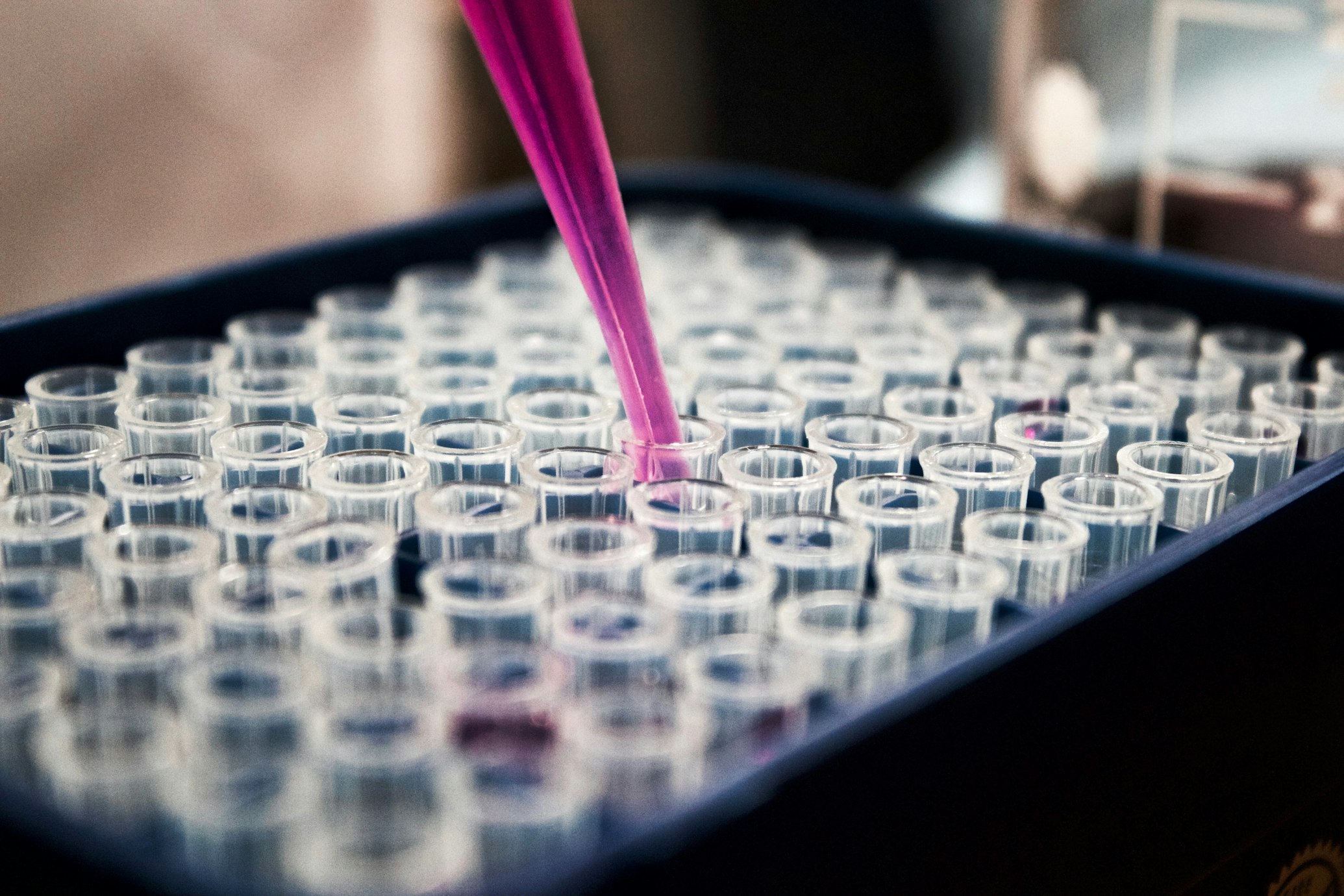
A pivotal study demonstrates the development and application of a Sonogel-Carbon L-Cysteine modified electrode for dopamine detection in biological samples. The research team followed a meticulous process to create and validate their innovative sensor :
- Electrode Preparation: Creating the Sonogel-Carbon base material
- Cysteine Modification: Incorporating L-cysteine into the matrix
- Electrochemical Characterization: Evaluating electrode properties
- Detection Optimization: Establishing optimal parameters
- Real Sample Application: Testing in biological samples including human serum
The Scientist's Toolkit: Essential Components for Electrode Modification
| Reagent/Material | Function | Role in Sensor Development |
|---|---|---|
| L-Cysteine | Chiral modifier | Provides selective recognition sites for target molecules |
| Methyltrimethoxysilane (MTMOS) | Sol-gel precursor | Forms the porous silica matrix for Sonogel electrodes |
| Carbon Powder | Conductive component | Provides electrical conductivity in composite electrodes |
| Gold Electrodes | Substrate | Serves as foundation for self-assembled monolayers |
| Potassium Ferricyanide | Electrochemical probe | Characterizes electrode properties and performance |
Performance Metrics of Cysteine-Modified Electrodes
Key Research Findings
The sensor demonstrated a wide linear detection range from 1 × 10⁻⁷ to 5 × 10⁻⁴ M for epinephrine (a compound similar to dopamine), with a correlation coefficient of 0.998, indicating excellent consistency across concentrations. Most impressively, the detection limit reached 8.7 × 10⁻⁸ M, representing sensitivity sufficient to detect biologically relevant dopamine concentrations 4 .
From Laboratory to Real World: Practical Applications
In clinical settings, cysteine-modified electrodes could enable rapid point-of-care testing for dopamine levels in blood or urine samples. This capability would allow physicians to monitor neurotransmitter levels much as they currently monitor blood glucose—providing quantitative data to guide treatment decisions for Parkinson's patients or those with other dopamine-related conditions 1 .
For neuroscience research, these sensors offer unprecedented opportunities to study dopamine dynamics in real-time. Researchers could investigate how dopamine levels fluctuate in response to various stimuli, medications, or behaviors, shedding new light on the fundamental processes that govern brain function 1 .
Future Directions: Where This Technology Is Headed
Nanomaterial Integration
Incorporating carbon nanotubes, graphene, and metal nanoparticles to boost sensitivity
Multiplexed Sensors
Simultaneous detection of dopamine along with other neurotransmitters
Chiral Optimization
Leveraging chiral properties for enhanced selective recognition
As these technologies continue to evolve, we move closer to a future where monitoring neurotransmitter levels becomes routine practice in medicine, potentially transforming how we understand and treat neurological and psychiatric conditions.
The New Frontier of Neurochemical Sensing
The development of Sonogel/L-Cysteine and SAM L-Cysteine modified electrodes represents a remarkable convergence of materials science, electrochemistry, and neuroscience. These innovative sensors overcome longstanding challenges in dopamine detection, offering new possibilities for both clinical diagnostics and fundamental research.
By harnessing the natural molecular recognition properties of cysteine, scientists have created electrodes that can selectively detect dopamine amidst the complex chemical landscape of biological samples. This capability brings us closer to the goal of real-time neurotransmitter monitoring, which could fundamentally transform how we diagnose and treat neurological disorders.
The future of neurochemical sensing looks bright indeed, with cysteine playing a starring role in this scientific revolution.