Comprehensive Validation Protocols for Aptamer-Based Electrochemical Pharmaceutical Sensors: From Bench to Bedside
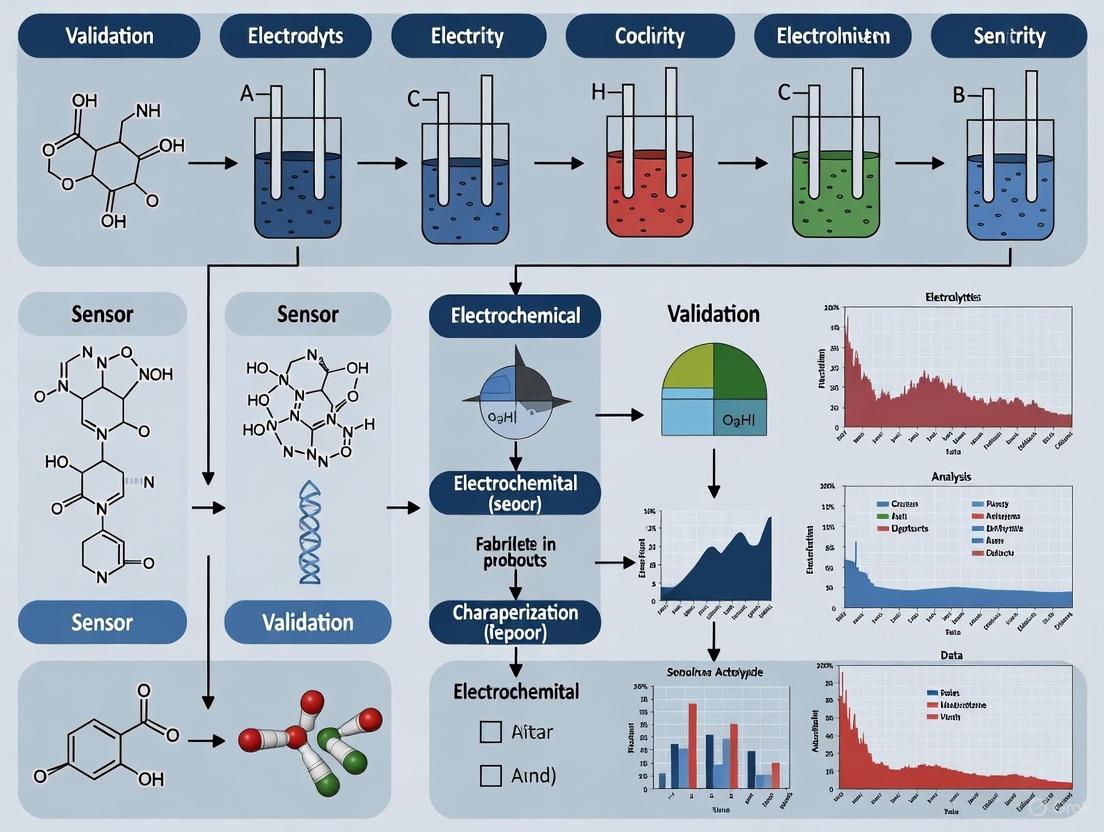
This comprehensive review addresses the critical need for standardized validation protocols in aptamer-based electrochemical biosensors for pharmaceutical applications.
Comprehensive Validation Protocols for Aptamer-Based Electrochemical Pharmaceutical Sensors: From Bench to Bedside
Abstract
This comprehensive review addresses the critical need for standardized validation protocols in aptamer-based electrochemical biosensors for pharmaceutical applications. Targeting researchers, scientists, and drug development professionals, the article systematically explores the fundamental principles of these biosensors, their methodological implementation across drug discovery and clinical diagnostics, optimization strategies to overcome analytical challenges, and rigorous validation frameworks. By integrating recent advances in nanomaterials, signal amplification techniques, and computational approaches, this work provides a structured pathway for developing reliable, reproducible, and clinically translatable aptasensing platforms that meet regulatory standards for pharmaceutical analysis and personalized medicine applications.
Fundamental Principles and Components of Aptamer-Based Electrochemical Biosensors
Core Properties and Comparative Advantages
Aptamers are short, single-stranded DNA or RNA oligonucleotides (typically 15–100 bases) selected for their high affinity and specificity to a diverse range of targets via the Systematic Evolution of Ligands by EXponential enrichment (SELEX) process [1] [2]. Their unique properties offer several distinct advantages over traditional antibodies, making them increasingly popular in diagnostic biosensors.
Table 1: Key Properties of Aptamers vs. Antibodies
| Property | Aptamers | Antibodies |
|---|---|---|
| Production | In vitro chemical synthesis (SELEX) [2] | In vivo biological systems (Animals) [1] |
| Molecular Weight | Low (5-25 kDa) [1] | High (~150 kDa) [1] |
| Thermal Stability | High; can be regenerated after denaturation [3] | Low; susceptible to irreversible denaturation [3] |
| Batch-to-Batch Variability | Low due to synthetic production [2] | High due to biological production [2] |
| Modification | Easy chemical modification with functional groups, labels, or linkers [2] | Complex, can affect binding affinity [3] |
| Target Range | Proteins, small molecules, ions, cells, viruses [2] | Primarily immunogenic molecules [1] |
| Cost & Duration | Relatively low cost and rapid production (weeks) [3] | High cost and lengthy production (months) [3] |
The primary advantages stem from their in vitro selection and synthetic nature. Unlike antibodies, which require animal hosts and can have significant batch-to-batch variations, aptamers are produced through a controlled chemical process, ensuring high reproducibility [2]. Furthermore, their superior stability allows them to withstand harsh conditions, such as elevated temperatures, and be easily refolded, which is ideal for storage and field applications [3]. Their small size can also lead to higher density immobilization on sensor surfaces [1].
Performance in Electrochemical Sensing
Electrochemical, aptamer-based (E-AB) sensors leverage the binding event between an aptamer and its target to generate a measurable electrical signal. The performance of these sensors is characterized by high sensitivity, specificity, and the ability for real-time, reagentless detection [4].
Table 2: Analytical Performance of Selected Aptamer-Based Electrochemical Sensors
| Target Analyte | Sensor Type | Linear Range | Limit of Detection (LOD) | Reference |
|---|---|---|---|---|
| Tetracycline (Antibiotic) | Aptasensor (DPV*) | 5 pM – 50 μM | 1.5 ng/mL (∼3 pM) [1] | Zhou et al. |
| Chlorpyrifos (Pesticide) | Photoelectrochemical Aptasensor | 0.05 – 10 μg/mL | 0.022 ng/mL [5] | Zhong et al. 2025 |
| Listeria monocytogenes (Bacteria) | Photoelectrochemical Aptasensor | 1.3 × 10¹ – 1.3 × 10⁷ CFU/mL | 45 CFU/mL [6] | PMC 2021 |
| Interferon-γ (IFN-γ) (Cytokine) | E-AB Sensor (SWV) | Not Specified | Signal from 90 cells [4] | Revzin et al. |
DPV: Differential Pulse Voltammetry | *SWV: Square Wave Voltammetry*
A key feature of E-AB sensors is their reagentless and reversible operation [4]. The aptamer is typically immobilized on the electrode surface and labeled with a redox tag (e.g., Methylene Blue). Upon target binding, the aptamer undergoes a conformational change that alters the electron transfer efficiency of the tag, producing a measurable signal change without requiring additional reagents. This reversible binding allows for continuous, real-time monitoring of analyte concentration fluctuations [4].
Detailed Experimental Protocol: Fabrication of a Voltammetric Aptasensor
This protocol outlines the key steps for constructing a generic voltammetric aptasensor, summarizing common methodologies from the literature [1] [2] [6].
Materials and Reagents
- Aptamer Sequence: Synthetic DNA or RNA aptamer, typically modified with a thiol (‑SH) or amino (‑NH₂) group at the 3' or 5' end for surface immobilization.
- Electrode: Gold disk electrode, screen-printed gold or carbon electrodes.
- Chemicals:
- Tris(2-carboxyethyl)phosphine (TCEP): For reducing disulfide bonds in thiol-modified aptamers.
- 6-Mercapto-1-hexanol (MCH): Used to create a well-ordered self-assembled monolayer (SAM) and minimize non-specific adsorption.
- Phosphate Buffered Saline (PBS) or other suitable immobilization buffer.
- Redox probes: e.g., Ferri/Ferrocyanide ([Fe(CN)₆]³⁻/⁴⁻) for electrochemical characterization.
- Equipment: Electrochemical workstation, cell for three-electrode system (working, reference, counter electrodes).
Step-by-Step Procedure
Electrode Pretreatment:
- For gold electrodes, polish the surface with alumina slurry (e.g., 0.05 μm) on a microcloth to a mirror finish. Ruminate thoroughly with deionized water.
- Electrochemically clean by performing cyclic voltammetry (CV) in 0.5 M H₂SO₄ until a stable voltammogram characteristic of a clean gold surface is obtained. Rinse with copious deionized water and dry.
Aptamer Preparation:
- Dilute the thiol-modified aptamer in immobilization buffer.
- Incubate with TCEP (e.g., 10x molar excess) for 1 hour to reduce any disulfide bonds and ensure free thiol groups are available.
Aptamer Immobilization:
- Dropcast the reduced aptamer solution onto the clean electrode surface.
- Incubate in a humidified chamber for a defined period (e.g., 16 hours at 4°C or 2-4 hours at room temperature) to allow for the formation of a gold-thiol bond.
Backfilling with MCH:
- Rinse the electrode gently with buffer to remove loosely bound aptamers.
- Incubate the electrode in a 1-10 mM solution of MCH for 30-60 minutes. This step displaces non-specifically adsorbed aptamers and creates a mixed SAM that minimizes fouling and orientates the aptamers for better target accessibility.
Electrochemical Characterization and Detection:
- Characterize the modified electrode using Electrochemical Impedance Spectroscopy (EIS) or CV in a solution containing [Fe(CN)₆]³⁻/⁴⁻. Successful aptamer immobilization is typically confirmed by an increase in charge transfer resistance (Rct).
- For detection, incubate the sensor with the target analyte. The signal transduction can be measured via techniques like EIS, DPV, or SWV. The specific signal (change in current or resistance) is correlated with the target concentration.
Diagram 1: Aptasensor Fabrication and Detection Workflow
Signaling Mechanisms in Aptamer-Based Sensors
The high specificity of aptamers is coupled with versatile electrochemical transduction mechanisms to create robust sensors. The signaling principle often relies on a binding-induced conformational change in the aptamer structure [2] [4].
Diagram 2: Common E-AB Sensor Signaling Mechanisms
The primary electrochemical techniques used to measure these changes are [2]:
- Electrochemical Impedance Spectroscopy (EIS): A label-free method that measures changes in charge transfer resistance at the electrode interface upon target binding.
- Differential Pulse Voltammetry (DPV) / Square Wave Voltammetry (SWV): Highly sensitive techniques that measure the current from a redox tag attached to the aptamer. The binding-induced change in tag accessibility modulates the Faradaic current.
- Amperometry: Measures current at a fixed potential over time, often used with enzymatic amplification.
The Scientist's Toolkit: Essential Research Reagents
Table 3: Key Reagents for Aptasensor Development
| Reagent / Material | Function / Explanation | Example Use Case |
|---|---|---|
| Thiol-modified Aptamer | Enables covalent immobilization on gold electrodes via strong Au-S bonds. | Foundation for creating a stable, self-assembled sensor surface [6]. |
| Methylene Blue (MB) | A common redox reporter that accepts and donates electrons. Its electron transfer efficiency is modulated by aptamer folding. | Tagged on the aptamer terminus for signal transduction in SWV/DPV measurements [4]. |
| 6-Mercapto-1-hexanol (MCH) | A spacer molecule that backfills the gold surface, creating a well-ordered monolayer to prevent non-specific adsorption and orient aptamers. | Used after aptamer immobilization to minimize fouling and improve binding efficiency [6]. |
| TCEP (Tris(2-carboxyethyl) phosphine) | A reducing agent that cleaves disulfide bonds, ensuring thiol-modified aptamers are in a reactive, monomeric state. | Pre-treatment of aptamers before immobilization to enhance grafting density [6]. |
| Gold Nanoparticles (AuNPs) | Nanomaterial used to modify electrodes, providing a high-surface-area platform for increased aptamer loading and enhanced electrical conductivity. | Drop-casted on carbon electrodes before aptamer immobilization to boost sensitivity [7] [2]. |
| Exonuclease I (Exo I) | An enzyme that degrades single-stranded DNA in the 3'→5' direction. Used in amplification strategies. | Selective degradation of unbound aptamers in a sensor, leading to a measurable signal change [6]. |
Electrochemical biosensors have become cornerstone tools in pharmaceutical research, enabling the specific and sensitive detection of a wide range of analytes, from small-molecule drugs to complex biomarkers. The performance of these biosensors is fundamentally governed by their transduction mechanism—the process that converts a biological recognition event into a quantifiable electrical signal. For aptamer-based electrochemical sensors, three primary techniques form the backbone of modern detection: amperometric, voltammetric, and impedimetric transduction. Each mechanism offers distinct advantages and operational principles, making them suitable for different applications within drug development, from therapeutic drug monitoring to real-time, in vivo sensing. This document details these core mechanisms within the context of validating electrochemical aptasensors for pharmaceutical analysis, providing researchers with structured protocols, performance comparisons, and practical implementation guidelines.
Core Detection Mechanisms
Amperometric Detection
Amperometry measures the current generated by an electrochemical reaction at a constant applied potential. The resulting current is directly proportional to the concentration of the electroactive species. In aptamer-based biosensors, this often involves coupling the binding event to an enzymatic or redox-active label that produces a measurable faradaic current.
Principle of Operation: The core principle involves applying a fixed potential to the working electrode versus a reference electrode and monitoring the change in current over time due to the reduction or oxidation of an electroactive species. In aptamer-based configurations, the binding of the target molecule can either hinder or facilitate electron transfer to a redox reporter (e.g., methylene blue) attached to the aptamer, leading to a measurable change in current.
Key Advantages: Amperometric sensors are prized for their high sensitivity, simplicity, and excellent suitability for miniaturization and point-of-care devices. A key advantage is their rapid response time, which can be on the order of seconds, making them ideal for real-time monitoring.
Table 1: Key Characteristics of Amperometric Detection
| Feature | Description | Typical Performance/Example |
|---|---|---|
| Measured Signal | Current from continuous redox reaction | Current (Amperes) |
| Applied Potential | Constant | Fixed potential optimal for the redox reporter |
| Sensitivity | High | Capable of femtomolar (fM) detection limits for PSA [2] |
| Temporal Resolution | High (Real-time) | Seconds to sub-second resolution for continuous monitoring [8] |
| Common Labels/Reporters | Enzymes (HRP, GOx), Redox tags (Methylene Blue) | Enzymatic amplification enables ultra-sensitive detection [2] |
Voltammetric Detection
Voltammetry encompasses a family of techniques that measure current while systematically varying the applied potential. The resulting current-potential profile provides rich information about the electrochemical properties of the system, including the concentration and identity of analytes.
Principle of Operation: In voltammetric aptasensors, a potential sweep or pulse sequence is applied. The binding-induced conformational change in the surface-tethered aptamer alters the electron transfer kinetics of an attached redox reporter. This alteration manifests as a change in the peak current or a shift in peak potential in the voltammogram. Common voltammetric methods include Square Wave Voltammetry (SWV), Differential Pulse Voltammetry (DPV), and Cyclic Voltammetry (CV).
Key Advantages: Voltammetry offers superior selectivity and the ability to study electron transfer kinetics. Its pulsed nature, particularly in SWV and DPV, enhances sensitivity by minimizing capacitive background currents. SWV has emerged as a preferred method for in vivo and complex fluid applications due to its high signal-to-noise ratio and superior drift correction capabilities compared to DPV and ACV [9].
Table 2: Comparison of Primary Voltammetric Techniques
| Technique | Principle | Advantages | Best-Suited Applications |
|---|---|---|---|
| Square Wave Voltammetry (SWV) | Applies a staircase potential with superimposed square waves; net current is measured [9]. | High sensitivity, fast scanning, effective drift correction in vivo [9]. | Real-time, in vivo sensing (e.g., drug pharmacokinetics) [8] [9]. |
| Differential Pulse Voltammetry (DPV) | Applies potential pulses and measures the current difference before and after the pulse [9]. | Low detection limits, reduced capacitive current. | Quantitative detection of low-abundance biomarkers (e.g., BPA at pM levels) [10]. |
| Cyclic Voltammetry (CV) | Applies a linear potential sweep that reverses direction at a set vertex potential. | Provides information on redox potentials and reaction kinetics. | Primarily for characterizing sensor surface modification and stability [10] [2]. |
Impedimetric Detection
Electrochemical Impedance Spectroscopy (EIS) is a powerful label-free technique that measures the impedance of an electrochemical system as a function of frequency.
Principle of Operation: EIS characterizes the opposition to electron transfer at the electrode-electrolyte interface. In a typical faradaic EIS aptasensor, a redox probe like is used. When the target analyte binds to the surface-immobilized aptamer, it hinders the access of the redox probe to the electrode surface, increasing the charge transfer resistance. This change in resistance is quantitatively measured and correlated to the target concentration.
Key Advantages: The primary advantage of EIS is its label-free operation, which preserves the native state of the biomolecules and simplifies assay design. It is highly sensitive to surface modifications and can detect targets without the need for redox labels, though these are sometimes used to enhance the signal.
Table 3: Key Characteristics of Impedimetric Detection
| Feature | Description | Considerations for Validation |
|---|---|---|
| Measured Signal | Charge Transfer Resistance (Rct) / Impedance (Z) | Requires fitting to equivalent circuit models for quantification. |
| Applied Input | Small AC potential over a range of frequencies | Must ensure the system is at steady-state and linear. |
| Label Requirement | Label-free (can be used with/without redox probes) | Faradaic EIS (with probe) often offers higher sensitivity [11]. |
| Sensitivity | Very High | Can achieve limits of detection as low as 10 CFU·mL⁻¹ for pathogens [12]. |
| Interface Sensitivity | Excellent for probing interfacial properties | Highly susceptible to non-specific binding; requires rigorous controls. |
Experimental Protocols
Protocol: Sensor Interrogation via Square Wave Voltammetry (SWV)
This protocol is adapted from studies demonstrating real-time monitoring of vancomycin in blood and in vivo [8] [9].
1. Reagents and Equipment:
- Potentiostat capable of SWV.
- Custom-fabricated gold wire working electrode, Pt wire counter electrode, and Ag/AgCl reference electrode.
- SWV Buffer: 20 mM Tris, 1.0 M NaCl, 1.0 mM MgCl₂, 5 mM KCl, pH 7.4.
- Vancomycin stock solution (e.g., 1 mM in buffer).
2. Sensor Preparation:
- Clean the gold working electrode electrochemically in 0.5 M H₂SO₄.
- Immobilize the thiol-modified, methylene-blue-labeled vancomycin aptamer onto the gold surface via self-assembled monolayer formation (incubate for 1 hour at room temperature).
- Back-fill the monolayer with 6-mercapto-1-hexanol (MCH, 1 mM for 30 minutes) to passivate the surface and displace non-specifically adsorbed aptamers.
- Rinse the sensor thoroughly with SWV buffer to remove unbound aptamers and MCH.
3. SWV Measurement and Data Acquisition:
- Place the functionalized sensor in SWV buffer.
- Configure the SWV parameters on the potentiostat:
- Potential window: Typically -0.5 V to -0.1 V (centered on the formal potential of Methylene Blue).
- Frequency: 100 Hz (optimize between 20-300 Hz for maximum gain; see [9]).
- Amplitude: 25 mV.
- Step potential: 1 mV.
- Acquire a baseline SWV scan in the absence of vancomycin.
- Add increasing concentrations of vancomycin to the solution, allowing the signal to equilibrate (approximately 3-5 minutes per concentration).
- Acquire a new SWV scan after each addition.
- For in vivo or complex media applications, implement Kinetic Differential Measurements (KDM) by measuring at two different SWV frequencies to correct for signal drift [8] [9].
4. Data Analysis:
- Plot the net SWV peak current (or the KDM-corrected signal) against vancomycin concentration.
- Fit the dose-response curve to a binding isotherm (e.g., Langmuir model) to determine the apparent dissociation constant (KD) and dynamic range.
Protocol: Label-free Detection via Faradaic Electrochemical Impedance Spectroscopy (EIS)
This protocol is based on an impedimetric aptasensor for Staphylococcus aureus [12].
1. Reagents and Equipment:
- Potentiostat with EIS capabilities.
- Gold disk working electrode, Pt counter electrode, Ag/AgCl reference electrode.
- EIS Buffer: 5 mM K₃[Fe(CN)₆]/K₄[Fe(CN)₆] (1:1 mixture) in 0.1 M PBS, pH 7.4.
- Thiol-modified protein A-binding aptamer.
- 6-mercapto-1-hexanol (MCH).
- Target sample (e.g., bacterial cells, purified protein).
2. Aptamer Immobilization:
- Reduce the thiol-modified aptamer in Tris(2-carboxyethyl)phosphine (TCEP, 0.1 mM) for 1 hour.
- Incubate the clean gold electrode with the reduced aptamer solution (e.g., 1 µM) for 16 hours at 4°C to form a self-assembled monolayer.
- Rinse with buffer to remove loosely bound aptamers.
- Back-fill the surface with 1 mM MCH for 1 hour to create a well-ordered, mixed monolayer.
- Rinse thoroughly with EIS buffer.
3. EIS Measurement:
- Immerse the functionalized electrode in the EIS buffer containing the ferro/ferricyanide redox probe.
- Set the DC potential to the formal potential of the redox probe (typically ~0.22 V vs. Ag/AgCl).
- Apply a small AC voltage amplitude of 10 mV.
- Sweep the frequency from 100 kHz to 100 mHz, measuring the impedance at each frequency.
- This serves as the baseline "before binding" spectrum.
- Incubate the sensor with the target sample for a defined period (e.g., 10 minutes).
- Rinse the sensor gently with EIS buffer to remove unbound target.
- Acquire a new EIS spectrum under identical conditions ("after binding" spectrum).
4. Data Analysis:
- Fit the obtained EIS spectra to a modified Randles equivalent circuit.
- Extract the charge transfer resistance (Rct) value from the circuit fitting for both the baseline and post-binding states.
- The normalized change in Rct (%ΔRct) is calculated and plotted against target concentration to generate a calibration curve.
The Scientist's Toolkit: Key Research Reagent Solutions
Table 4: Essential Materials for Aptamer-Based Electrochemical Sensor Development
| Reagent / Material | Function / Role in Experiment | Example Use Case |
|---|---|---|
| Thiol-Modified Aptamer | The core biorecognition element; thiol group allows for covalent immobilization on gold electrodes via Au-S bond. | Fundamental for creating a stable self-assembled monolayer on the sensor surface [12] [8]. |
| Methylene Blue Redox Reporter | A covalently attached redox tag; electron transfer rate changes upon aptamer folding/target binding, generating the signal in voltammetry. | Used as the signal reporter in E-AB sensors for vancomycin and ATP [13] [8] [9]. |
| 6-Mercapto-1-hexanol (MCH) | A passivating alkanethiol; used to back-fill unmodified gold surfaces, reducing non-specific adsorption and orienting the aptamer upright. | Critical for improving signal-to-noise and specificity in sensors using gold electrodes [12] [10]. |
| Ferro/Ferricyanide Redox Probe | A freely diffusing redox couple used in faradaic impedimetric and voltammetric characterization to probe interfacial changes. | Essential for EIS-based biosensors to measure charge transfer resistance (Rct) [12] [11]. |
| Tris(2-carboxyethyl)phosphine (TCEP) | A reducing agent; cleaves disulfide bonds to ensure thiol-modified aptamers are monomeric and reactive before immobilization. | Standard pre-treatment step for thiolated DNA/RNA to ensure efficient surface attachment [10]. |
| Gold Electrodes (wire, disk, SPE) | The most common working electrode material; provides an inert, conductive surface for thiol-based chemistry and aptamer immobilization. | The substrate of choice for many E-AB and impedimetric aptasensors due to well-established chemistry [13] [12] [8]. |
Schematic Workflows
Signaling Mechanism of an Electrochemical Aptamer-Based (E-AB) Sensor
Experimental Workflow for Sensor Validation
Electrochemical aptamer-based (E-AB) sensors represent a versatile biosensing platform that synergistically integrates the molecular recognition specificity of nucleic acid aptamers with the sensitive signal transduction capabilities of electrochemical interfaces [3] [14]. These sensors have demonstrated significant potential for therapeutic drug monitoring, clinical diagnostics, and environmental sensing due to their ability to achieve rapid, robust, and specific target detection directly in complex matrices such as whole blood, serum, and other biological fluids [15] [8]. The core architecture of an E-AB sensor typically consists of an electrode-bound, redox-tagged aptamer that undergoes a binding-induced conformational change upon target recognition, altering electron transfer kinetics and generating a measurable electrochemical signal [14].
The performance, sensitivity, and reliability of these sensors are fundamentally governed by three critical components: the selection and engineering of high-affinity aptamers, the choice and modification of electrode materials, and the strategies employed for aptamer immobilization on the electrode surface [15] [16]. This document outlines detailed protocols and application notes for these key components, framed within the context of validating pharmaceutical sensors for research and development purposes. The guidance provided aims to enable researchers and drug development professionals to construct robust, high-performance E-AB sensing platforms.
Aptamer Selection and Engineering
Aptamers are single-stranded DNA or RNA oligonucleotides selected for their high affinity and specificity to a target molecule through an in vitro process called Systematic Evolution of Ligands by EXponential enrichment (SELEX) [17] [14]. The quality of the aptamer is the most fundamental determinant of sensor performance.
Selection and Design Principles
The SELEX process involves iterative cycles of selection, partitioning, and amplification from a vast combinatorial library of nucleic acid sequences (~10^15-10^18 unique molecules) to isolate those with the highest binding affinity for a specific target [14] [16]. For sensor applications, particularly for small-molecule pharmaceutical targets, it is crucial that the selected aptamer undergoes a significant conformational change upon target binding. This structure-switching functionality is the primary transduction mechanism in E-AB sensors [15] [8].
Recent advances have introduced more efficient selection methods, such as Particle Display, which transforms the DNA-target interaction into a particle-target interaction. This method allows for fluorescence-activated cell sorting (FACS) to isolate the highest-affinity aptamers in fewer rounds compared to conventional SELEX, yielding aptamers with superior binding characteristics [14].
For integration into E-AB platforms, selected aptamers often require post-selection engineering. This may involve truncating the aptamer to its minimal target-binding domain or strategically splitting the sequence to optimize the binding-induced conformational change and enhance signal gain [15] [8]. A critical step is the functionalization of the aptamer with a terminal thiol group (e.g., via a C6 carbon linker) for immobilization on gold electrodes and a redox reporter (typically methylene blue) at the distal end for signal transduction [15] [18] [14].
Research Reagent Solutions
Table 1: Essential Reagents for Aptamer Selection and Sensor Fabrication
| Reagent/Chemical | Function/Application | Example/Note |
|---|---|---|
| Thiolated, MB-modified Aptamer | Sensing element; thiol for gold surface immobilization, MB for electrochemical signal | Synthesized commercially; require purification (HPLC) [15] |
| Tris(2-carboxyethyl)phosphine (TCEP) | Reducing agent; cleaves disulfide bonds on thiolated aptamers prior to immobilization | Ensures free thiol groups for gold binding [15] [18] |
| 6-Mercapto-1-hexanol (MCH) | Alkanethiol backfiller; creates a self-assembled monolayer to passivate the electrode | Prevents non-specific adsorption; optimizes aptamer orientation [15] [14] |
| High/Ionic Strength Buffer | Conventional immobilization buffer (e.g., 1 M NaCl, PBS) | Can lead to aptamer clustering due to charge screening [15] [19] |
| Low/Ionic Strength Buffer | Enhanced immobilization buffer (e.g., 20 mM NaCl, Tris) | Mitigates the "bundling effect"; improves sensor sensitivity [15] |
Electrode Materials and Systems
The choice of electrode material and its physical properties significantly impact the sensor's signal-to-noise ratio, sensitivity, and applicability.
Material Choices and Fabrication
Gold is the most prevalent electrode material due to its excellent conductivity, chemical stability, and well-established chemistry for forming self-assembled monolayers with thiolated molecules [14] [16]. Electrodes range from macroscale (e.g., 2 mm diameter gold disks) for benchtop measurements to microelectrodes (with radii as small as ~500 nm) that offer advantages such as fast mass transport, reduced ohmic drop, and suitability for in vivo sensing [15] [18].
To enhance the electroactive surface area and signal strength, especially on microelectrodes, nanostructuring is employed. This involves the electrochemical deposition of gold nanostructures (e.g., dendritic or "spiky" gold) onto the electrode surface. This nanostructuring increases the surface area for aptamer immobilization and can improve mass transport, leading to a higher signal-to-noise ratio [18].
Alternative electrode systems include screen-printed electrodes (SPEs), which are low-cost, disposable, and ideal for point-of-care testing. Studies have shown that self-fabricated SPEs can perform on par with commercial versions for detecting targets like the dengue virus antigen in human serum [20]. Furthermore, electrode surfaces can be modified with nanomaterials such as graphene oxide, carbon nanotubes, or zinc oxide to improve electron transfer kinetics and provide a scaffold for aptamer immobilization [20] [2].
Electrode Characterization Protocol
Objective: To clean, characterize, and nanostructure a gold working electrode for E-AB sensor fabrication. Materials: Gold disk electrode, polishing microcloth, diamond and alumina suspensions, ultrasonic bath, electrochemical workstation, solutions of NaOH, H₂SO₄, KCl, and K₄Fe(CN)₆. Procedure:
- Polishing: Polish the electrode surface sequentially with 1-μm diamond suspension and 0.05-μm alumina suspension on a microcloth. Sonicate in ethanol and distilled water for 5 minutes after each polishing step.
- Electrochemical Cleaning: Perform cyclic voltammetry (CV) scans in 0.5 M NaOH, 0.5 M H₂SO₄, and 0.1 M H₂SO₄ solutions to remove any residual organic contaminants.
- Characterization: Record a CV of the cleaned electrode in a 0.5 mM K₄Fe(CN)₆ / 0.1 M KCl solution. A well-defined, reversible redox wave confirms a clean, active surface.
- Nanostructuring (Optional): Immerse the electrode in a solution of chloroauric acid (e.g., in 0.1 M NaCl/0.01 M HCl). Apply a sinusoidal waveform (e.g., 0.0 V to -400 mV, 100 Hz) to electrodeposit gold nanostructures. Re-characterize the electrode using CV to confirm an increase in electroactive surface area [18].
Aptamer Immobilization Strategies
The method of aptamer attachment to the electrode surface is perhaps the most critical factor in determining E-AB sensor sensitivity, as it controls the surface density and orientation of aptamers, which must be sufficiently spaced to freely undergo binding-induced folding [15] [19].
Strategic Approaches and Protocols
Traditional immobilization involves incubating a clean gold electrode in a solution of thiolated, redox-tagged aptamer, typically prepared in a high-salt phosphate-buffered saline (PBS) to promote electrostatic shielding and adsorption. This is followed by "backfilling" with a small-chain alkanethiol like MCH to passivate uncovered gold surfaces [15] [14]. However, this method can lead to inhomogeneous aptamer clustering or "bundling," rendering a significant fraction of aptamers inactive [15] [19].
Two advanced strategies have been demonstrated to significantly enhance sensor performance:
- Target-Assisted Immobilization: The aptamer is pre-incubated with its target molecule to induce its folded, target-bound conformation before immobilization on the gold electrode. This approach uses the target molecule itself as a spacer, preventing the aptamers from lying flat and densely packing on the surface, thereby creating a monolayer with optimized spacing for optimal function [15] [19].
- Low Ionic Strength Immobilization: Performing the aptamer immobilization step in a low ionic strength buffer (e.g., 20 mM NaCl) instead of conventional high-salt buffers. The reduced ionic strength minimizes charge screening between the negatively charged aptamer backbones, increasing electrostatic repulsion and forcing the aptamers to adopt a more upright, well-spaced configuration on the electrode surface [15] [19].
These strategies have proven generalizable across different small-molecule-binding aptamers, consistently yielding sensors with greater sensitivity and higher signal-to-noise ratios compared to those fabricated by conventional methods [15].
Enhanced Sensor Fabrication Protocol
Objective: To fabricate a high-sensitivity E-AB sensor using enhanced immobilization strategies. Materials: Cleaned/gold working electrode, reduced thiolated/MB-modified aptamer, target molecule, low-salt Tris buffer (10 mM Tris, 20 mM NaCl, 0.5 mM MgCl₂, pH 7.4), high-salt PBS, 30 mM MCH solution. Procedure:
- Aptamer Reduction: Incubate the thiolated aptamer with a 100 mM TCEP solution for 1-2 hours in the dark to reduce disulfide bonds.
- Sample Preparation (Choose One):
- Standard Method: Dilute the reduced aptamer to a final concentration (e.g., 200 nM) in a high-salt PBS or a low-salt Tris buffer.
- Target-Assisted Method: Dilute the reduced aptamer to the same concentration in a low-salt Tris buffer containing a saturating concentration of the target molecule.
- Immobilization: Incubate the cleaned gold electrode in the prepared aptamer solution for 12 hours at room temperature.
- Backfilling: Rinse the electrode thoroughly with ultrapure water to remove loosely bound aptamers. Incubate the electrode in a 30 mM MCH solution for 1 hour to passivate the remaining electrode surface.
- Conditioning: The fabricated sensor is now ready for electrochemical interrogation. For target-assisted immobilization, the pre-bound target must be removed by washing with a target-free buffer before the first measurement [15].
The following workflow diagram illustrates the strategic decision points in the sensor fabrication process leading to optimal performance.
Performance Optimization and Validation
Once fabricated, sensor performance must be rigorously optimized and validated. Key parameters include the aptamer surface density, which is tuned by varying the aptamer concentration during immobilization, and the choice of electrochemical interrogation technique [14].
Analytical Techniques and Data Interpretation
Square Wave Voltammetry (SWV) is the most widely used technique for interrogating E-AB sensors due to its excellent sensitivity and low detection limits. The binding-induced change in the electron transfer rate of the methylene blue tag causes a shift in the SWV peak current. The signal change (often reported as % signal change) is plotted against the target concentration to generate a calibration curve and determine the dissociation constant (KD) and limit of detection (LOD) of the sensor [8] [14].
Intermittent Pulse Amperometry (IPA) can be used on microelectrode platforms to monitor binding and dissociation events with very high temporal resolution (e.g., timescales as fast as 80 ms) [18]. Electrochemical Impedance Spectroscopy (EIS) is a powerful label-free technique that measures changes in charge transfer resistance upon target binding [2].
For validation in complex media, strategies to mitigate biofouling (non-specific adsorption of proteins and cells) are essential. These include the use of zwitterionic backfillers mimicking lipid membranes or physical barriers like polysulfone membranes, which have enabled continuous sensing directly in the bloodstream of live animals [15] [8].
Comparative Analysis of Sensor Technologies
Table 2: Comparison of Electrode Platforms and Their Performance Characteristics
| Electrode Platform | Typical Dimensions | Key Advantages | Key Challenges | Reported Application |
|---|---|---|---|---|
| Macro Gold Electrode | ~2 mm diameter | High current signal; easy fabrication and handling | Slow mass transport; not suitable for in vivo | Benchtop detection of drugs (cocaine, adenosine) [15] |
| Gold Microelectrode | ~500 nm radius | Fast mass transport; low iR drop; suitable for in vivo | Low total current; requires signal amplification | Spatiotemporal resolution measurements [18] |
| Nanostructured Microelectrode | Nanostructures on microelectrode | Enhanced surface area; improved signal-to-noise | Reproducibility of nanostructuring | Detection of ATP with fast binding kinetics [18] |
| Screen-Printed Electrode (SPE) | Customizable | Low cost; disposable; point-of-care suitability | Potential batch-to-batch variability | Detection of Dengue virus antigen in serum [20] |
The following diagram illustrates the core signaling mechanism of a functioning E-AB sensor and the factors that influence its output.
The development of a validated and reliable electrochemical aptamer-based sensor for pharmaceutical applications hinges on the meticulous optimization of its core components. By selecting high-affinity, structure-switching aptamers, choosing an appropriate electrode platform, and—most critically—employing advanced immobilization strategies such as target-assisted or low ionic strength immobilization, researchers can fabricate sensors with significantly enhanced sensitivity and performance. The protocols and application notes detailed herein provide a foundational framework for the construction and validation of such sensors, paving the way for their broader adoption in therapeutic drug monitoring, pharmacokinetic studies, and precision medicine.
The Role of Nanomaterials in Enhancing Sensor Performance and Signal Amplification
The integration of functional nanomaterials into biosensing platforms has revolutionized the field of pharmaceutical analysis, particularly for the development of highly sensitive and specific aptamer-based electrochemical sensors. These sensors synergistically combine the superior molecular recognition capabilities of nucleic acid aptamers with the enhanced signal transduction properties of nanostructured materials [3]. The unique physicochemical properties of nanomaterials—including their high surface-to-volume ratio, exceptional electrical conductivity, and catalytic activity—directly address critical challenges in sensor performance, enabling signal amplification strategies that push detection limits to previously unattainable levels [21] [22]. This advancement is especially valuable for therapeutic drug monitoring, where detecting ultralow concentrations of chemotherapeutic agents in complex biological matrices is essential for personalized treatment regimens [23].
For researchers and drug development professionals, understanding and applying nanomaterial-enhanced sensing platforms is paramount for advancing point-of-care diagnostics and personalized medicine. The following sections provide a detailed examination of the fundamental mechanisms, quantitative performance enhancements, and practical experimental protocols that underpin this transformative technology, with specific focus on validation within pharmaceutical research contexts.
Fundamental Enhancement Mechanisms
Nanomaterials improve electrochemical aptasensor performance through several interconnected mechanisms that enhance both biorecognition and signal transduction.
Signal Transduction Mechanisms
Electrochemical biosensors convert biochemical interactions into measurable electrical signals, with nanomaterials playing a pivotal role in amplifying these signals [2]. The primary electrochemical detection techniques include:
- Amperometry: Measures current generated from redox reactions at a fixed potential, with nanomaterials like gold nanoparticles (AuNPs) and graphene oxide (GO) facilitating electron transfer and significantly amplifying the electrochemical response [2].
- Voltammetric Techniques (Cyclic Voltammetry-CV, Differential Pulse Voltammetry-DPV, Square Wave Voltammetry-SWV): These methods apply potential sweeps to study electroactive species, offering superior signal-to-noise ratios and lower detection limits when enhanced with redox-active nanomaterials such as ferrocene derivatives [2].
- Electrochemical Impedance Spectroscopy (EIS): A label-free technique that measures changes in electrical impedance at the electrode-electrolyte interface upon target binding, with nanostructured electrode modifications enhancing binding affinity and minimizing non-specific adsorption [2].
Nanomaterial Functional Roles
Table 1: Functional Roles of Different Nanomaterial Classes in Biosensing
| Nanomaterial Class | Key Functional Properties | Impact on Sensor Performance |
|---|---|---|
| Gold Nanoparticles (AuNPs) | Excellent conductivity, biocompatibility, surface functionalization | Facilitate electron transfer, provide robust scaffold for aptamer immobilization [2] |
| Carbon Nanomaterials (graphene, CNTs) | High specific surface area, excellent electrical conductivity | Increase target binding sites, improve capture efficiency through π-π bonds and electrostatic interactions [2] [22] |
| Metal-Organic Frameworks (MOFs) | Tunable porosity, extremely high surface area | Encapsulate signal probes, create homogeneous dense matrix for cargo retention [2] [24] |
| Polymeric Nanospheres | Versatile encapsulation capacity, tunable porosity | Carry hundreds of signal probes (e.g., quantum dots), enabling massive signal amplification [24] |
Figure 1: Nanomaterial Enhancement Mechanisms and Performance Outcomes
Quantitative Performance Enhancement Data
The integration of nanomaterials consistently demonstrates remarkable improvements in key sensor performance metrics across multiple pharmaceutical applications.
Performance Comparison Across Sensor Platforms
Table 2: Quantitative Performance Enhancement with Nanomaterials
| Target Analyte | Nanomaterial Used | Detection Technique | Detection Limit (Without NMs) | Detection Limit (With NMs) | Signal Enhancement | Reference |
|---|---|---|---|---|---|---|
| Paclitaxel (Chemotherapeutic) | Not specified | DPV | Not reported | 0.02 pg/mL | Not quantified | [23] |
| Leucovorin (Chemotherapeutic) | Not specified | DPV | Not reported | 0.0077 pg/mL | Not quantified | [23] |
| Ebola Virus | Polystyrene Nanospheres with QDs | Electroluminescence | ~0.44 ng/mL (extrapolated) | 5.2 pg/mL | 85-fold ECL enhancement | [24] |
| Prostate-Specific Antigen (PSA) | Gold Nanoparticles (AuNPs) | Amperometry | Not reported | Femtomolar (fM) range | Significant amplification | [2] |
| Thrombin | Graphene Oxide | SWV | Not reported | Picomolar (pM) range | Enhanced signal-to-noise | [2] |
Analytical Performance Characteristics
The implementation of nanomaterials extends beyond simple detection limit improvements to enhance overall analytical performance:
- Linear Dynamic Range: Nanomaterial-enhanced sensors typically exhibit wider linear dynamic ranges, as demonstrated by paclitaxel sensors (10-1000 pg/mL) and leucovorin sensors (3-500 pg/mL) [23].
- Real Sample Recovery: Excellent recovery rates in biological matrices (91.3% to 109% with RSDs <5%) confirm minimal matrix interference in nanomaterial-based platforms [23].
- Stability Enhancement: Nanomaterials contribute to improved sensor stability by protecting aptamer conformation and maintaining bioreceptor activity over time [21].
Experimental Protocols and Methodologies
This section provides detailed protocols for developing and validating nanomaterial-enhanced electrochemical aptasensors, with emphasis on pharmaceutical applications.
Aptamer Selection and Validation Protocol
The Systematic Evolution of Ligands by Exponential Enrichment (SELEX) process is critical for generating high-affinity aptamers for pharmaceutical targets.
Figure 2: SELEX Workflow for Aptamer Selection
Key Reagents and Materials:
- DNA Library: Random 30-60 nt ssDNA flanked by constant primer regions
- NHS-activated Sepharose Beads: For target molecule immobilization
- Binding Buffer: Typically 20 mM Tris-HCl, pH 7.4-7.6 with 1-150 mM NaCl, 2 mM MgCl₂
- Elution Buffer: 7M urea, 20 mM EDTA, or heated 90°C TE buffer
- PCR Reagents: Taq polymerase, dNTPs, FAM-labeled forward primer, unlabeled reverse primer
Critical Steps:
- Target Immobilization: Couple 1 mg/mL of target molecule (e.g., paclitaxel, leucovorin) to 100 μL washed NHS-activated beads overnight at 4°C with rotation [23].
- Negative Selection: Introduce counter-selection rounds using blank beads after 7th SELEX cycle to eliminate non-specific binders [23].
- Affinity Characterization: Determine dissociation constants (Kd) of selected aptamers using fluorescence binding assays with GraphPad Prism for nonlinear regression analysis [23].
Nanomaterial-Enhanced Aptasensor Fabrication
Protocol for Gold Nanoparticle-Modified Electrochemical Aptasensor:
Table 3: Research Reagent Solutions for Sensor Fabrication
| Reagent/Material | Specifications | Function in Protocol |
|---|---|---|
| Screen-Printed Gold Electrodes (SPGEs) | 2-4 mm working electrode diameter | Provides standardized sensing platform |
| Thiol-modified Aptamer | 1 μM in PBS, HPLC-purified | Recognition element with covalent attachment capability |
| Gold Nanoparticles (AuNPs) | 10-20 nm diameter, citrate-stabilized | Signal amplification, enhanced electron transfer |
| Mercapto-1-hexanol (MCH) | 1 mM in PBS | Backfilling agent to minimize non-specific adsorption |
| Electrochemical Redox Probes | 5 mM [Fe(CN)₆]³⁻/⁴⁻ in PBS | Electron transfer mediators for signal measurement |
Step-by-Step Procedure:
Electrode Pretreatment: Clean SPGEs with ethanol and Milli-Q water, then electrochemically clean via cyclic voltammetry (10 cycles from -0.2 to +0.6V) in 0.5M H₂SO₄ [23].
Aptamer Immobilization:
- Incubate 10 μL of thiolated aptamer solution (1 μM in PBS) on gold electrode surface
- Maintain in water-saturated atmosphere overnight at 4°C [23]
- Rinse thoroughly with 0.1M PBS (pH 7.4) to remove unbound aptamers
Surface Passivation:
- Treat with 1 mM mercapto-1-hexanol in PBS for 30 minutes at room temperature
- This crucial step eliminates non-specific binding sites [23]
Nanomaterial Integration (Alternative Approaches):
- Option A (Pre-modification): Modify electrode with nanomaterials (AuNPs, graphene) prior to aptamer immobilization
- Option B (Hybrid conjugation): Pre-conjugate aptamers to nanomaterials before electrode attachment
- Option C (Signal probe encapsulation): Utilize nanospheres encapsulating electrochemical signal probes [24]
Sensor Storage: Store functionalized electrodes at 4°C in PBS until use
Analytical Validation Protocol
Performance Characterization Methodology:
Detection Limit Determination:
- Measure serial dilutions of target analyte in relevant biological matrix
- Calculate LOD as 3σ/slope, where σ is standard deviation of blank [23]
Selectivity Assessment:
- Challenge sensor with structurally similar compounds and potential interferents
- Confirm <5% cross-reactivity for reliable pharmaceutical applications [23]
Real Sample Validation:
- Spike target analyte into serum, plasma, or whole blood
- Determine recovery rates (85-115% acceptable) and relative standard deviation (RSD <5% desirable) [23]
Stability Testing:
- Monitor sensor response over 2-4 week period with storage at 4°C
- Evaluate signal retention (>80% initial response indicates acceptable stability)
Advanced Signal Amplification Strategies
Beyond fundamental nanomaterial enhancements, sophisticated signal amplification strategies further push detection sensitivity boundaries.
Nanozyme-Catalyzed Amplification
Nanomaterials with enzyme-mimetic properties provide powerful catalytic amplification without the instability of natural enzymes:
- Principle: Utilization of nanomaterial catalytic activity (e.g., HRP-mimicking AuNPs) to catalyze substrate reactions that generate electrochemical signals [22]
- Implementation: Zhou's team designed a dual-amplification platform using HRP to catalyze H₂O₂ reduction to O₂, significantly amplifying electrochemical signal [22]
- Advantages: Superior stability compared to natural enzymes, sustained catalytic activity, resistance to denaturation [22]
3D Nanosphere-Based Amplification
Three-dimensional nanosphere structures represent a particularly effective signal amplification platform:
- Structural Advantage: 3D nanospheres exhibit highly porous structures with remarkably high surface-to-volume ratio, enhancing both electrocatalytic properties and diffusivity [24]
- Encapsulation Capacity: A single polymeric nanosphere can encapsulate hundreds of quantum dots (up to 332 QDs per sphere), resulting in 85-fold signal enhancement in Ebola virus detection [24]
- Versatility: Polymeric, carbon-based, silica, and MOF-based nanospheres can be tailored for specific sensing applications [24]
The strategic integration of nanomaterials into electrochemical aptasensors has unequivocally demonstrated transformative potential for pharmaceutical analysis and therapeutic drug monitoring. Through the mechanisms detailed in this protocol—including enhanced electron transfer, catalytic signal amplification, and sophisticated probe encapsulation—researchers can achieve exceptional sensitivity, specificity, and reliability in detecting clinically relevant analytes.
The experimental frameworks provided herein establish validated methodologies for developing, optimizing, and critically evaluating nanomaterial-enhanced sensing platforms. As this field advances, emerging trends including artificial intelligence-assisted data interpretation, wearable biosensing systems, and IoT-integrated platforms will further expand the translational impact of these technologies [3]. By adhering to these detailed protocols and validation standards, researchers can accelerate the development of robust biosensing platforms that ultimately enhance personalized therapeutic monitoring and patient outcomes.
Systematic Evolution of Ligands by Exponential Enrichment (SELEX) Technologies for Aptamer Development
The Systematic Evolution of Ligands by Exponential Enrichment (SELEX) is a powerful in vitro methodology for identifying nucleic acid-based molecular recognition elements called aptamers. These aptamers, typically short single-stranded DNA or RNA oligonucleotides, fold into specific three-dimensional structures that enable high-affinity and high-specificity binding to diverse targets, including small molecules, proteins, and whole cells [25]. Within the context of pharmaceutical sensor development, aptamers serve as exceptional biorecognition elements for electrochemical biosensors due to their synthetic nature, thermal stability, low immunogenicity, and cost-effectiveness compared to traditional antibodies [26]. The integration of aptamers into electrochemical platforms has given rise to electrochemical aptamer-based (E-AB) sensors, which translate binding events into quantifiable electrical signals, enabling the detection of pharmaceuticals and biomarkers in complex biological matrices [3] [27].
The validation of aptamer-based electrochemical pharmaceutical sensors is critically dependent on the rigorous selection and characterization of the aptamers themselves. SELEX technology has evolved substantially since its inception, with numerous variants now available to enhance the efficiency and success rate of aptamer isolation [28] [25]. This document provides a detailed overview of contemporary SELEX technologies, presents structured protocols for their implementation, and outlines the subsequent analytical procedures necessary for developing validated electrochemical pharmaceutical sensors.
Core Principles and Critical Factors of SELEX
The fundamental objective of SELEX is to isolate a limited number of high-affinity aptamer sequences from an immensely diverse initial oligonucleotide library, typically containing up to 10^15 unique sequences [28]. The process operates through iterative cycles of selection, amplification, and enrichment, mimicking natural evolution in a test tube.
Key Interaction Mechanisms
The binding affinity and specificity of an aptamer are governed by its structural compatibility with the target. Interaction mechanisms include:
- Structural Complementarity: Aptamers fold into shapes (e.g., stem-loops, G-quadruplexes) that create binding pockets for targets [25].
- Molecular Forces: Binding is stabilized by hydrogen bonding, electrostatic interactions, van der Waals forces, and base stacking (particularly for aromatic ligands) [28].
- Induced Fit: Conformational changes in the aptamer, the target, or both often occur upon binding, leading to optimal shape complementarity [28].
Critical Factors for Successful SELEX
Successful aptamer selection is influenced by several factors, which must be optimized for each specific target and intended application [28]:
Table 1: Critical Factors in SELEX Optimization
| Factor | Influence on Selection Process | Optimization Strategy |
|---|---|---|
| Target Type & Immobilization | The molecule type (e.g., small molecule, protein, cell) dictates available SELEX variants. Immobilization can alter target conformation. | Choose an immobilization matrix (e.g., beads, filters) that preserves target native structure. Use counterselection to remove matrix-binding sequences. |
| Oligonucleotide Library Design | Sequence diversity ensures sufficient structural variety. Constant primer regions can interfere with aptamer structure. | Use a library with high sequence diversity. Design primers with minimal self-complementarity to prevent dimer formation. |
| Amplification (PCR) Bias | Excessive PCR cycles can enrich non-binding sequences or by-products, reducing pool quality. | Limit PCR cycles, monitor template amount, use emulsion PCR, or employ asymmetric PCR for single-stranded DNA regeneration. |
| Selection Stringency | Low initial stringency preserves rare binders; insufficiently increased stringency halts enrichment. | Gradually increase stringency across cycles (e.g., by reducing target concentration or increasing wash vigor). |
| Quality Control | Without monitoring, the process can fail due to enrichment of non-binders or lack of progress. | Introduce checks (e.g., binding assays) to monitor enrichment and pool quality after key rounds. |
Advanced SELEX Technologies: A Comparative Analysis
Numerous SELEX variants have been developed to address the limitations of the traditional process, such as its time-consuming nature and low success rate. The choice of method significantly impacts the affinity, specificity, and functional utility of the selected aptamers, especially for integration into electrochemical biosensors.
Table 2: Advanced SELEX Technologies and Applications
| SELEX Variant | Core Principle | Key Advantages | Typical Targets | Throughput & Duration | Suitability for E-AB Sensors |
|---|---|---|---|---|---|
| Capillary Electrophoresis (CE)-SELEX [25] | Separation based on mobility differences between bound and unbound sequences in a capillary under high voltage. | High resolution, minimal immobilization, can determine binding constants (Kd) during selection. | Proteins, small molecules | High throughput; Fewer rounds (3-5) needed. | Excellent; yields aptamers with predefined affinity, crucial for sensor calibration. |
| Microfluidic SELEX [25] | Miniaturization of the entire SELEX process on a chip. | Low reagent consumption, automated operation, fast processing. | Proteins, cells | High throughput; Reduced duration. | Excellent; ideal for high-throughput development of multiple sensors. |
| Cell-SELEX [25] | Uses whole living cells as targets to identify aptamers against native cell surface biomarkers. | No need for purified proteins; identifies aptamers for complex surface targets. | Cell surface proteins, cancer cells | Moderate throughput; Multiple rounds required. | Good for cell detection sensors; requires careful counter-selection. |
| Capture-SELEX [28] | The oligonucleotide library is immobilized; binding to the target in solution induces a conformational release. | Directly selects for structure-switching aptamers. | Small molecules, metabolites | Moderate throughput. | Ideal; directly generates aptamers for E-AB "signal-on" sensors [27]. |
| In Silico SELEX [27] | Uses computational modeling and bioinformatics to predict aptamer-target binding and screen virtual libraries. | Reduces lab work; provides insights into binding mechanics. | Various (dependent on modeling) | Very high throughput for pre-screening. | Promising for rational design; requires experimental validation. |
Workflow Visualization of the SELEX Process
The following diagram illustrates the generalized and iterative workflow of the SELEX process, highlighting the key stages and decision points that are common across many of its variants.
Detailed Experimental Protocol: CE-SELEX for Pharmaceutical Targets
This protocol provides a step-by-step guide for performing Capillary Electrophoresis SELEX, an efficient method for isolating high-affinity aptamers against small molecule pharmaceuticals or protein biomarkers [25].
Research Reagent Solutions and Materials
Table 3: Essential Reagents and Materials for CE-SELEX
| Item | Function/Description |
|---|---|
| Initial ssDNA Library | A synthetic library with a central random region (e.g., 30-40 nt) flanked by constant primer binding sites. |
| Target Molecule | The pharmaceutical compound or biomarker of interest, in purified form. |
| Selection Buffer | A buffer that maintains target stability and aptamer folding (e.g., Tris-HCl, NaCl, MgCl₂). |
| Capillary Electrophoresis System | Instrumentation with a UV/Vis detector and an automated fraction collector. |
| PCR Reagents | DNA polymerase, dNTPs, and primers complementary to the library's constant regions. |
| ssDNA Regeneration Reagents | Enzymes (e.g., lambda exonuclease) or methods (asymmetric PCR) to generate single-stranded DNA from PCR amplicons. |
Step-by-Step Methodology
- Library Preparation: Resuspend the initial single-stranded DNA (ssDNA) library in the selection buffer. Denature at 95 °C for 5 minutes and slowly cool to room temperature to allow proper folding.
- Equilibrium Incubation: Mix the folded ssDNA library with the target molecule at a predetermined concentration in the selection buffer. Incubate at a controlled temperature to reach binding equilibrium.
- Capillary Electrophoresis Injection: Pressure-inject the mixture into the capillary (e.g., fused silica) filled with separation buffer.
- Separation and Collection: Apply a high voltage. The protein-ssDNA complexes, unbound ssDNA, and free target will migrate at different rates due to their distinct charge-to-size ratios. Monitor the electropherogram and use the fraction collector to isolate the peak corresponding to the target-aptamer complex.
- Desalting and Amplification: Purify the collected complex fraction to remove separation buffer salts. Amplify the enriched ssDNA pool using symmetric PCR.
- ssDNA Regeneration: Convert the double-stranded PCR product back to single-stranded DNA for the next selection round. This can be achieved using:
- Enzymatic Method: Treat the PCR product with lambda exonuclease, which preferentially digests one phosphorylated strand.
- Asymmetric PCR: Use a skewed primer ratio in a subsequent PCR to generate predominantly one strand.
- Stringency Adjustment: For subsequent SELEX cycles (typically 3-5 rounds for CE-SELEX), progressively increase the selection stringency. This is achieved by:
- Reducing the concentration of the target molecule.
- Shortening the incubation time.
- Introducing counter-selection steps with related molecules or the immobilization matrix to eliminate cross-reactive or non-specific binders.
- Monitoring and Completion: Monitor enrichment by tracking the amount of collected complex across rounds. A significant increase indicates successful enrichment. Once saturation is observed, proceed to sequencing.
Post-SELEX Aptamer Characterization for Sensor Validation
Following the final SELEX round, the enriched pool is sequenced using Next-Generation Sequencing (NGS). Bioinformatic analysis identifies candidate sequences based on frequency and cluster homology. These candidates must be rigorously characterized before sensor integration.
High-Throughput Binding Characterization
Traditional methods like Isothermal Titration Calorimetry (ITC) are low-throughput. A modern, high-throughput alternative is the Exonuclease Digestion Assay [29].
- Principle: Unbound aptamers are rapidly digested by exonucleases (Exonuclease I and III), while target-bound aptamers are protected. The degree of protection correlates with binding affinity.
- Protocol:
- Incubate the candidate aptamer with a range of target concentrations.
- Add a mixture of Exo I and Exo III to each sample.
- After a fixed digestion time, inactivate the enzymes.
- Quantify the remaining intact aptamer using a fluorescence dye (e.g., SYBR Gold).
- Plot the fraction of aptamer remaining against target concentration to determine the apparent equilibrium dissociation constant (Kd). This method allows for the quantitative analysis of hundreds of aptamer-ligand pairs to map affinity and specificity [29].
Characterization Workflow Visualization
The pathway from a sequenced pool to a validated aptamer candidate involves key steps for binding analysis and selection.
Integration of Selected Aptamers into Electrochemical Sensors
The final step involves integrating the validated aptamer into an electrochemical biosensing platform. A prominent and effective design is the Electrochemical Aptamer-Based (E-AB) Sensor [3] [27].
Sensor Fabrication and Signaling Protocol
- Aptamer Modification: The selected aptamer is chemically synthesized with a thiol group at one end for gold surface attachment and an electrochemical reporter (e.g., Methylene Blue) at the other end.
- Electrode Functionalization:
- A gold disk electrode is cleaned and polished.
- The thiolated aptamer is incubated with the electrode to form a self-assembled monolayer.
- The surface is backfilled with a passivating molecule (e.g., 6-mercapto-1-hexanol) to minimize non-specific adsorption.
- Electrochemical Measurement and Signal Transduction:
- The principle relies on a binding-induced conformational change [27]. Upon target binding, the aptamer's structure changes, altering the electron transfer efficiency between the reporter and the electrode surface.
- Technique: Use Square Wave Voltammetry (SWV) in a suitable buffer.
- Signal Output: The binding event causes a measurable change in current (e.g., a signal decrease in a "signal-off" sensor). This change is concentration-dependent for the target analyte.
- Sensor Validation in Complex Media: The performance of the fabricated sensor must be tested in relevant biological matrices (e.g., blood serum [27], saliva [29]) to assess sensitivity, selectivity, and the impact of matrix interference. For example, a sensor for the malaria biomarker PfLDH was shown to function in whole blood [27], while another for fentanyl was validated in biofluids [29].
The successful development of a validated aptamer-based electrochemical pharmaceutical sensor is intrinsically linked to the rigor of the upstream SELEX process and aptamer characterization. Modern SELEX technologies, particularly CE-SELEX and Microfluidic SELEX, offer efficient paths to high-quality aptamers. Coupling these with high-throughput characterization methods, such as the exonuclease digestion assay, creates a robust pipeline from target identification to functional sensor element. Ensuring that the selection conditions and subsequent validation protocols closely mimic the final sensor's operational environment is paramount to developing a reliable and clinically translatable diagnostic tool.
Implementation Strategies and Pharmaceutical Applications of Aptamer Electrochemical Sensors
This application note details standardized fabrication and validation protocols for electrochemical aptamer-based (EAB) sensors, a promising technology for real-time monitoring of pharmaceuticals in complex biological environments. These sensors synergistically integrate the high specificity of nucleic acid aptamers with the sensitive signal transduction capabilities of electrochemical interfaces [3]. Their ability to perform continuous, real-time measurements directly in undiluted bodily fluids makes them particularly valuable for therapeutic drug monitoring and pharmaceutical research [30]. This document, framed within a broader thesis on validation protocols, provides step-by-step manufacturing processes aimed at ensuring reliability, reproducibility, and clinical relevance for research scientists and drug development professionals.
Materials and Reagents
Research Reagent Solutions
The following table catalogues essential materials required for the fabrication of EAB sensors.
Table 1: Key Research Reagents and Materials for EAB Sensor Fabrication
| Item | Function/Application | Key Details & Considerations |
|---|---|---|
| Gold Electrode | Sensor substrate/transducer | Often used as a screen-printed gold electrode (AuSPE); provides a surface for self-assembled monolayer (SAM) formation [31]. |
| Thiol-modified Aptamer | Biorecognition element | Single-stranded DNA/RNA with high affinity for a specific target; modified with a thiol group (e.g., via C6 spacer) for covalent attachment to gold [31]. |
| Alkylthiolate Passivating Molecules | Form a passivating monolayer | Create a tightly-packed SAM around the aptamer to minimize non-specific adsorption and reduce background current (e.g., 6-mercapto-1-hexanol) [32]. |
| Redox Reporter | Provides electrochemical signal | Molecules like Methylene Blue (MB) or Ferrocene (Fc) are tagged onto the distal end of the aptamer to act as signal transducers [33] [32]. |
| Tris(2-carboxyethyl)phosphine (TCEP) | Aptamer reduction | Reduces disulfide bonds in thiol-modified aptamers to free thiols prior to immobilization [31]. |
| Nanomaterials | Signal amplification & stability | Gold Nanoparticles (AuNPs), carbon nanotubes (CNTs), and graphene oxide (GO) enhance electron transfer and aptamer loading [34] [2]. |
| Ferro/Ferricyanide Solution | Electrochemical characterization | A redox couple ([Fe(CN)₆]³⁻/⁴⁻) used in Cyclic Voltammetry (CV) and Electrochemical Impedance Spectroscopy (EIS) to probe electrode surface quality and binding events [31]. |
Core Sensor Fabrication Protocol
This section outlines the foundational protocol for fabricating a generic EAB sensor, as exemplified by a sensor for tetracycline detection [31] and vancomycin monitoring [30].
Aptamer Preparation
- Reduction: Dissolve the thiol-modified aptamer in an appropriate buffer (e.g., Tris-EDTA). Incubate with TCEP (e.g., 10 mM final concentration) for 1 hour at room temperature to reduce disulfide bonds and generate free thiol groups for binding.
- Purification: Purify the reduced aptamer using dialysis or a desalting column to remove excess TCEP and byproducts.
Electrode Pretreatment
- Cleaning: Mechanically and electrochemically clean the gold electrode surface. A common method involves polishing with alumina slurry (e.g., 0.05 µm) followed by rinsing with deionized water.
- Electrochemical Activation: Electrochemically clean the electrode by performing Cyclic Voltammetry (CV) in a 0.5 M sulfuric acid solution, scanning between suitable potentials (e.g., -0.2 to +1.5 V) until a stable voltammogram characteristic of a clean gold surface is obtained. Rinse thoroughly with deionized water and dry.
Self-Assembled Monolayer (SAM) Formation
- Co-immobilization: Incubate the pretreated gold electrode with a solution containing the reduced, redox-tagged aptamer and a spacer/passivating alkylthiol (e.g., 6-mercapto-1-hexanol) at a defined molar ratio (e.g., 1:100 to 1:1000 aptamer:thiol) for a specified period (typically 4-24 hours) [32].
- Rinsing: After incubation, rinse the electrode gently with a clean buffer to remove physically adsorbed, unbound molecules.
Post-Assembly Blocking and Stabilization
- Blocking: To further minimize non-specific binding, incubate the modified electrode with a blocking agent. A common choice is 1 mM 2-mercaptoethanol for 30-60 minutes [31].
- Stabilization (for enhanced longevity): For applications requiring extended stability (e.g., in vivo monitoring), additional steps are critical. These include using longer-chain alkylthiolates to increase van der Waals interactions and applying protective zwitterionic membranes or blocking layers to mitigate biofouling [32].
The following workflow diagram illustrates the core fabrication process:
Diagram 1: Core EAB sensor fabrication workflow.
Critical Validation and Calibration Protocols
Robust calibration is essential for translating sensor signals into accurate concentration values. The following protocol is critical for validating sensors intended for use in biological systems.
Calibration in Biologically Relevant Conditions
The calibration environment must closely mimic the final measurement conditions to ensure accuracy [30].
- Media Selection: Use the most relevant biological fluid for calibration (e.g., undiluted, freshly collected whole blood or serum). Commercially sourced or aged blood can alter sensor response and lead to quantification errors.
- Temperature Control: Perform all calibration and measurement steps at the target temperature (e.g., 37°C for body temperature). Significant differences in sensor gain and binding curve midpoint occur between room and body temperature [30].
- Data Acquisition: Collect square wave voltammograms (SWV) at multiple frequencies. The peak currents are used to calculate a Kinetic Differential Measurement (KDM) value, which corrects for drift and enhances gain.
- Curve Fitting: Fit the averaged KDM values obtained over a range of target concentrations to a Hill-Langmuir isotherm to generate the calibration curve [30].
Table 2: Key Parameters for Accurate In-Vivo Calibration [30]
| Parameter | Recommended Condition | Impact on Quantification |
|---|---|---|
| Calibration Media | Freshly collected whole blood | Older/commercial blood can alter sensor gain, leading to overestimation of target concentration. |
| Temperature | 37°C (Body Temperature) | Mismatched temperatures change sensor gain and binding midpoint, causing substantial underestimation or overestimation. |
| Data Processing | Use of Kinetic Differential Measurement (KDM) | Corrects for signal drift and enhances sensor gain, improving measurement stability. |
| Sensor-to-Sensor Variation | Use of a common, averaged calibration curve | Study findings suggest this is acceptable, as sensor-to-sensor variation was not a major contributor to error. |
The following diagram visualizes the calibration and quantification process:
Diagram 2: Calibration and quantification workflow for EAB sensors.
Performance Characterization and Troubleshooting
Key Performance Metrics
After fabrication and calibration, sensors must be characterized against standard performance metrics.
Table 3: Key Performance Metrics for EAB Pharmaceutical Sensors
| Metric | Description | Target Performance (Example) |
|---|---|---|
| Limit of Detection (LOD) | The lowest concentration distinguishable from background. | As low as 0.002 pM for tetracycline [31]. |
| Dynamic Range | The range of concentration over which the sensor responds. | 0.01 pM to 10⁴ nM for tetracycline [31]. |
| Accuracy | The closeness of the measured value to the true value. | Better than ±10% in whole blood at 37°C for vancomycin [30]. |
| Stability/Longevity | The duration of stable sensor operation. | Up to one week in bovine serum at 37°C with optimized protocols [32]. |
| Selectivity | Ability to detect target amid interferents. | Negligible response to other antibiotics like doxycycline [31]. |
Common Fabrication Issues and Solutions
- Problem: High background current or non-specific binding.
- Solution: Optimize the ratio of aptamer to passivating thiol during SAM formation. Ensure a dense, well-packed monolayer. Implement rigorous blocking steps and consider zwitterionic coatings [32].
- Problem: Low signal gain or poor sensitivity.
- Problem: Rapid signal degradation in complex media.
- Solution: Focus on stabilization protocols: use longer-chain alkylthiolates, optimize electrochemical scanning parameters to reduce desorption/oxidation, and apply protective antifouling membranes [32].
Detection of Small Molecule Pharmaceuticals and Therapeutic Drug Monitoring
Therapeutic Drug Monitoring (TDM) represents a critical clinical practice for drugs with a narrow therapeutic index, where dosage is adjusted in response to plasma drug concentration measurements to maximize efficacy while minimizing adverse effects [8] [35]. For decades, TDM has relied on techniques such as high-performance liquid chromatography (HPLC), gas chromatography-mass spectrometry (GC-MS), and immunoassays, which require centralized laboratories, specialized personnel, and suffer from significant time delays between sample collection and result availability [8] [35]. Electrochemical aptamer-based (E-AB) sensors have emerged as a transformative technology that addresses these limitations by enabling rapid, calibration-free measurement of specific molecules directly in blood and even in situ in the living body [8].
E-AB sensors consist of an electrode-bound, redox-reporter-modified aptamer sequence that undergoes a binding-induced conformational change in electron transfer kinetics, which can be monitored using techniques such as square-wave voltammetry [8]. These sensors achieve detection and quantitation of biomedically relevant targets, including small-molecule drugs and protein biomarkers, in complex biological samples [36]. The unique attributes of E-AB sensors—including their reagentless operation, single-step measurement capability, and compatibility with miniaturized systems—position them as promising tools for rendering TDM as convenient as current blood glucose monitoring for diabetics [8].
This application note provides detailed protocols and methodological considerations for developing and implementing E-AB sensors for the detection of small-molecule pharmaceuticals, with a specific focus on validation frameworks required for their adoption in clinical and research settings.
Experimental Protocols
Fabrication of Electrochemical Aptamer-Based Sensors
Electrode Preparation and Functionalization
Materials Required:
- Gold working electrodes (2 mm diameter disk electrodes or wire electrodes)
- Alumina polishing suspensions (1.0, 0.3, and 0.05 µm)
- Thiol-modified DNA aptamer specific to target molecule
- 6-mercapto-1-hexanol (MCH)
- Phosphate buffered saline (PBS), pH 7.4
- Ethanol (absolute, HPLC grade)
- Nitrogen gas (high purity)
Procedure:
- Electrode Polishing: Polish gold working electrodes sequentially with 1.0, 0.3, and 0.05 µm alumina suspensions on microcloth pads. After each polishing step, sonicate electrodes in ethanol and deionized water for 5 minutes each to remove residual alumina particles [37].
Electrochemical Cleaning: Perform electrochemical cleaning in 0.5 M H₂SO₄ by cycling the potential between -0.3 V and +1.5 V (vs. Ag/AgCl reference electrode) at a scan rate of 100 mV/s until a stable cyclic voltammogram characteristic of clean gold is obtained [37].
Aptamer Immobilization: Prepare a solution containing the thiol-modified aptamer (typically 1-5 µM) in PBS buffer. Incubate the cleaned gold electrode with the aptamer solution for 16 hours at 4°C in a humidified chamber to facilitate self-assembled monolayer formation through gold-thiol bonds [38].
Backfilling: Rinse the aptamer-functionalized electrode with PBS and subsequently incubate with 1 mM MCH solution for 1 hour at room temperature to displace non-specifically adsorbed aptamer and create a well-ordered mixed monolayer [38].
Sensor Stabilization: Condition the functionalized electrode in measurement buffer by applying square-wave voltammetry scans (typically 10-20 cycles) until a stable redox peak is observed, indicating proper folding and electrochemical activity of the surface-confined aptamer [8].
3D-Printed Electrochemical Cell Fabrication
Materials Required:
- Commercial stereolithographic 3D printer (e.g., FormLabs Form 3+)
- Biocompatible resin suitable for electrochemical applications
- Gold, platinum, or carbon electrode materials
- Reference electrode (Ag/AgCl)
- Counter electrode (platinum wire)
Procedure:
- Cell Design: Design the electrochemical cell using CAD software, incorporating four independent working electrodes, a shared reference electrode, and a shared counter electrode to enable simultaneous, statistically weighted measurements [36].
Printing Parameters: Set printing parameters to 50 µm layer thickness using a commercially available stereolithographic printer. Post-process printed cells by rinsing in isopropanol and curing under UV light according to manufacturer specifications [36].
Electrode Integration: Directly embed working electrodes within the 3D-printed cell structure during the printing process. For complex electrode geometries, employ a pause-print protocol to manually place electrodes at predetermined positions before resuming printing [36].
Cell Assembly: Assemble the complete electrochemical cell by integrating reference and counter electrodes, ensuring proper sealing to prevent leakage during measurements with microliter-scale sample volumes [36].
Measurement Methodologies
Square-Wave Voltammetry for E-AB Sensors
Instrument Parameters:
- Potential window: Tailored to the formal potential of the redox reporter (typically -0.5 V to -0.1 V for methylene blue)
- Frequency: 10-500 Hz (optimized for specific aptamer-target pair)
- Amplitude: 25-50 mV
- Step potential: 1-5 mV
Measurement Protocol:
- Baseline Acquisition: Immerse the functionalized E-AB sensor in measurement buffer (or sample matrix) and acquire baseline square-wave voltammograms until stable (typically 5-10 scans) [8].
Sample Measurement: Introduce sample containing the target analyte and acquire square-wave voltammograms at predetermined time intervals. For continuous monitoring, employ flow-through systems with controlled flow rates [8].
Signal Processing: Measure the change in peak current between the baseline and sample measurements. For calibration-free approaches, utilize the strong frequency dependence of E-AB signaling, measuring at both "signal-on" and "signal-off" frequencies [8].
Data Analysis: Calculate the normalized signal change (ΔI/I₀) where ΔI represents the change in peak current and I₀ represents the initial peak current. Fit the binding isotherm to determine target concentration [8].
Electrochemical Impedance Spectroscopy for Interface Optimization
Instrument Parameters:
- Frequency range: 0.1 Hz to 100 kHz
- AC amplitude: 10 mV
- DC potential: Set to formal potential of redox probe
- Redox probe: 5 mM [Fe(CN)₆]³⁻/⁴⁻ in PBS
Optimization Procedure:
- Interface Characterization: Perform EIS measurements on electrodes functionalized with different aptamer:MCH ratios (typically 1:10, 1:50, 1:100, and 1:150) to determine the optimal surface density [38].
Binding Detection: Monitor changes in charge transfer resistance (Rct) upon target binding. The binding-induced conformational change typically increases Rct due to increased electrostatic barrier to the redox probe [38].
Ratio Optimization: Identify the aptamer:MCH ratio that yields the largest specific response (typically 1:100 for many small molecule targets), which represents the optimal balance between target accessibility and signal generation [38].
In Vivo Sensor Deployment
Materials Required:
- Sterilized E-AB sensors
- 22-gauge catheter for venous access
- Physiological buffer solutions
- Portable potentiostat for real-time measurements
Procedure:
- Sensor Sterilization: Sterilize E-AB sensors using appropriate methods (e.g., ethylene oxide gas, gamma irradiation) that preserve aptamer functionality and electrode performance [8].
Animal Preparation: Anesthetize the animal (typically Sprague-Dawley rats for preliminary studies) and place E-AB sensors in veins via a 22-gauge catheter, securing the sensor to prevent movement during measurements [8].
Drift Correction: Implement kinetic differential measurements (KDM) by measuring the sensor's response at two square-wave frequencies—one "signal-on" and one "signal-off"—that drift in concert. Use the difference between these measurements to correct for baseline drift [8].
Real-Time Monitoring: Continuously monitor plasma drug levels with high temporal resolution (e.g., 9-second intervals) following drug administration to capture pharmacokinetic profiles with unprecedented precision [8].
Performance Characterization and Validation
Analytical Performance of E-AB Sensors for Small Molecules
Table 1: Performance Characteristics of Representative E-AB Sensors for Small-Molecule Pharmaceuticals
| Target Molecule | Detection Principle | Linear Range | Limit of Detection | Matrix | Reference |
|---|---|---|---|---|---|
| ATP | Signal-amplification with gold nanoparticles | Low nanomolar levels | Not specified | Buffer | [37] |
| Vancomycin | E-AB with square-wave voltammetry | Covers 6-35 μM clinical range | Not specified | Whole blood | [8] |
| Tenofovir | Aptamer-field-effect transistor | 1 nM - 100 nM | 1.2 nM | Buffer and human serum | [38] |
| Various targets | CRISPR-enhanced E-DNA | Femtomolar | Femtomolar without amplification | Not specified | [39] |
Validation Parameters for Clinical Translation
Table 2: Key Validation Parameters for Aptamer-Based Electrochemical Pharmaceutical Sensors
| Validation Parameter | Experimental Approach | Acceptance Criteria |
|---|---|---|
| Accuracy | Comparison with reference methods (LC-MS/MS) | ±20% of known concentration in biological matrices [8] |
| Precision | Repeated measurements (n≥5) at multiple concentrations | CV <15% across therapeutic range [40] |
| Sensitivity | Dose-response curve across therapeutic range | Covers entire clinical range with sufficient resolution [8] |
| Specificity | Challenge with structurally similar molecules | Negligible response to non-specific drugs [38] |
| Stability | Continuous operation in biological matrix | <10% signal degradation over required monitoring period [8] |
| Reproducibility | Sensor-to-sensor (n≥3) and batch-to-batch | CV <20% for key performance parameters [36] |
Research Reagent Solutions
Table 3: Essential Research Reagents and Materials for E-AB Sensor Development
| Reagent/Material | Specifications | Function in Experimental Workflow |
|---|---|---|
| DNA Aptamers | Thiol-modified, HPLC purified | Recognition element that binds target with high specificity and affinity [37] [38] |
| Gold Electrodes | 2 mm diameter disk or wire electrodes | Sensor substrate for thiol-based aptamer immobilization [37] [38] |
| 6-Mercapto-1-hexanol (MCH) | ≥97% purity | Backfilling agent to create well-ordered mixed self-assembled monolayers [38] |
| Redox Reporters | Methylene blue, ferrocene, or similar | Electroactive labels for signal generation via electron transfer [8] |
| Phosphate Buffered Saline | 10 mM, pH 7.4 | Standard immobilization and measurement buffer [38] |
| 3D-Printing Resin | Biocompatible, stereolithography grade | Fabrication of customized electrochemical cells for microliter-scale samples [36] |
| Square-Wave Voltammetry | Frequency range: 10-500 Hz | Primary measurement technique for monitoring binding-induced conformational changes [8] |
Signaling Mechanisms and Experimental Workflows
E-AB Sensor Signaling Mechanism
Diagram 1: E-AB Sensor Signaling Mechanism. The binding of the target molecule to the surface-immobilized aptamer induces a conformational change that alters the electron transfer kinetics between the redox reporter and the electrode surface, resulting in a measurable change in current.
Comprehensive Sensor Development and Validation Workflow
Diagram 2: Comprehensive Sensor Development and Validation Workflow. The multi-stage process begins with aptamer selection and proceeds through sensor optimization, characterization, and validation in progressively complex matrices, culminating in in vivo demonstration.
Electrochemical aptamer-based sensors represent a mature technology ready for implementation in pharmaceutical research and therapeutic drug monitoring applications. The protocols detailed in this application note provide a robust framework for the development, characterization, and validation of these sensors for small-molecule pharmaceuticals. The integration of E-AB sensors with advanced manufacturing approaches such as 3D printing, coupled with standardized validation methodologies, positions this technology to transform personalized medicine by enabling frequent, convenient, and precise monitoring of drug concentrations in clinical settings. As the field progresses toward increased standardization and regulatory acceptance, these sensors hold particular promise for narrow therapeutic index drugs such as vancomycin, antiretroviral agents, and chemotherapeutics, where real-time concentration monitoring could significantly improve therapeutic outcomes while reducing adverse effects.
Protein Biomarker Quantification for Disease Diagnosis and Treatment Monitoring
Protein biomarkers are critically important measurable indicators used for disease diagnosis, prognosis, and monitoring treatment efficacy. The accurate quantification of these biomarkers in complex biological samples is essential for clinical decision-making and pharmaceutical development. Electrochemical biosensors utilizing nucleic acid aptamers as recognition elements have emerged as a powerful platform for protein biomarker detection, offering significant advantages over traditional antibody-based methods. These aptamer-based electrochemical biosensors synergistically integrate the high molecular recognition specificity of aptamers with the rapid, sensitive, and cost-effective signal transduction capabilities of electrochemical interfaces, making them ideal for point-of-care diagnostics and therapeutic monitoring [3] [41]. This document provides detailed application notes and experimental protocols for implementing these biosensors within a rigorous validation framework for pharmaceutical research.
Fundamental Principles of Aptamer-Based Electrochemical Biosensors
Aptamers are short, single-stranded DNA or RNA oligonucleotides that fold into defined three-dimensional structures, enabling them to bind to specific targets, including proteins, with high affinity and selectivity. Their equilibrium between folded and unfolded states is fundamental to biosensing, as target binding shifts this equilibrium, inducing a conformational change that can be transduced into a measurable electrochemical signal [41]. Compared to conventional antibodies, aptamers offer superior stability, ease of chemical synthesis and modification, lower batch-to-batch variability, and the ability to target molecules that may not be immunogenic [42] [41].
The core principle of electrochemical aptamer-based (E-AB) sensors involves an electrode-immobilized aptamer, typically labeled with a redox-active probe (e.g., methylene blue or ferrocene). Upon binding to the target protein, the aptamer undergoes a conformational change that alters the electron transfer efficiency between the redox probe and the electrode surface, resulting in a measurable change in current [41] [8]. This platform is reagentless, operates in a single-step, and is capable of measuring biomarker concentrations directly in blood and other complex matrices [8].
Biosensor Design Methodologies and Signaling Mechanisms
The design of an aptamer-based biosensor is crucial for its performance. The main design strategies can be classified into four fundamental modes, each with distinct signaling mechanisms and applications for protein biomarker detection [42].
Table 1: Core Design Strategies for Aptamer-Based Biosensors Targeting Protein Biomarkers
| Design Strategy | Signaling Mechanism | Typical Readout | Advantages | Example Targets |
|---|---|---|---|---|
| Target-Induced Structure Switching (TISS) | Target binding induces a conformational change in the immobilized aptamer, altering the distance/orientation of a redox tag relative to the electrode. | Change in voltammetric peak current (Signal-ON or Signal-OFF). | Reagentless; rapid response; suitable for continuous monitoring. | Thrombin, PDGF-BB [42] |
| Sandwich or Sandwich-like | The protein biomarker is captured between a surface-immobilized aptamer and a second recognition element (e.g., antibody or another aptamer), often with a label for signal amplification. | Increase in current or decrease in impedance. | High specificity and sensitivity; allows for signal amplification. | ADAR1 (using aptamer-antibody pair) [43] |
| Target-Induced Dissociation/Displacement | Target binding displaces a pre-hybridized complementary strand or a competing molecule from the aptamer. | Change in current as the displaced molecule diffuses away. | Can reduce background signal; useful for "signal-on" detection. | - |
| Competitive Replacement | A labeled analog of the target competes with the native target for a limited number of aptamer binding sites. | Decrease in signal as native target replaces the labeled analog. | Effective for small molecules; can be adapted for proteins. | - |
The following diagram illustrates the two most prevalent signaling mechanisms for protein detection: the TISS mode and the Sandwich mode.
Diagram 1: Key Signaling Mechanisms for Protein Detection.
Experimental Protocols
This section provides a detailed step-by-step protocol for fabricating and operating a sandwich-type electrochemical aptasensor, as this design is frequently employed for highly sensitive protein biomarker detection in complex samples [43].
Protocol 1: Fabrication of an Aptamer-Antibody Sandwich Electrochemical Sensor
1.1 Objective: To quantitatively detect a specific protein biomarker (e.g., ADAR1) in a complex biological matrix like cell lysate using a sandwich format with an aptamer and an antibody.
1.2 Principle: The target protein is captured from the solution onto a working electrode surface by an immobilized antibody. A gold nanoparticle (AuNP)-conjugated aptamer then binds to a different epitope of the captured protein. The AuNPs facilitate signal amplification, enabling sensitive detection via differential pulse voltammetry (DPV) [43].
1.3 Materials and Reagents:
- Working Electrode: Bare carbon screen-printed electrode or gold electrode.
- Capture Molecule: Monoclonal or polyclonal antibody specific to the target protein.
- Detection Probe: DNA aptamer specific to the target protein (e.g., the 70-nt Apt38483 for ADAR1).
- Nanomaterial Label: 40 nm Gold Nanoparticles (AuNPs).
- Chemical Linkers: EDC/NHS (1-Ethyl-3-(3-dimethylaminopropyl)carbodiimide / N-Hydroxysuccinimide) for carbon surfaces, or thiol-based chemistry for gold surfaces.
- Blocking Agent: Bovine Serum Albumin (BSA) or ethanolamine.
- Washing Buffer: Phosphate Buffered Saline (PBS) with Tween-20 (PBST).
- Measurement Buffer: PBS, pH 7.4.
- Sample: Clarified cell lysate or diluted serum spiked with the target protein.
1.4 Procedure:
Step 1: Electrode Pretreatment
- Clean the carbon working electrode by polishing with alumina slurry (0.05 µm) on a microcloth pad. Rinse thoroughly with deionized water and then with ethanol. Dry under a stream of nitrogen gas.
- For gold electrodes, clean via electrochemical cycling in sulfuric acid solution.
Step 2: Antibody Immobilization
- Activate the carbon electrode surface by applying a mixture of 0.4 M EDC and 0.1 M NHS in MES buffer for 30-60 minutes to form reactive esters.
- Rinse the electrode with PBS.
- Incubate the activated electrode with a solution of the specific capture antibody (e.g., 10-50 µg/mL in PBS) for 2 hours at room temperature or overnight at 4°C. The amine groups on the antibody will covalently link to the activated carboxyl groups on the electrode.
Step 3: Surface Blocking
- Incubate the modified electrode with 1-3% BSA in PBS for 1 hour to block non-specific binding sites.
- Wash the electrode thoroughly with PBST to remove any unbound BSA.
Step 4: Preparation of Aptamer-Nanoparticle Conjugate (Aptamer-AuNP)
- Thiolate-modified aptamers are conjugated to AuNPs via gold-thiol chemistry.
- Incubate thiolated aptamers with citrate-stabilized AuNPs (e.g., 40 nm) in a low-salt buffer for 16 hours.
- "Salt-aging" is performed by gradually increasing the buffer salt concentration to stabilize the AuNPs.
- Remove unbound aptamers via centrifugation and resuspend the conjugate in PBS containing a stabilizing agent like BSA or Tween.
Step 5: Target Capture and Detection
- Incubate the antibody-modified electrode with the sample (e.g., cell lysate containing the target protein) for 30-60 minutes.
- Wash with PBST to remove unbound materials.
- Incubate the electrode with the Aptamer-AuNP conjugate solution for 30-60 minutes. This forms the "sandwich" structure: Electrode | Antibody : Protein : Aptamer-AuNP.
- Perform a final wash with PBST to remove any non-specifically bound Aptamer-AuNP.
Step 6: Electrochemical Measurement
- Perform electrochemical measurement in a standard measurement buffer (e.g., 0.1 M PBS, pH 7.4) using Differential Pulse Voltammetry (DPV) parameters.
- Typical DPV parameters: Potential window from -0.2 to +0.5 V (vs. Ag/AgCl reference), pulse amplitude of 50 mV, pulse width of 50 ms.
- The current signal, typically the oxidation current of the AuNP tag or an added redox reporter, is measured and is proportional to the concentration of the target protein.
1.5 Data Analysis:
- Plot the DPV peak current against the known concentration of the target protein to generate a calibration curve.
- Use this curve to interpolate the concentration of the target in unknown samples.
Validation Protocol Framework
For integration into pharmaceutical research, a robust validation protocol is mandatory to ensure the reliability, accuracy, and reproducibility of the biosensor.
Table 2: Essential Validation Parameters for Aptamer-Based Biosensors
| Validation Parameter | Experimental Procedure | Acceptance Criteria |
|---|---|---|
| Sensitivity (Limit of Detection, LOD) | Measure the response of blank samples (n≥10) and low-concentration samples. | LOD = Mean(blank) + 3×SD(blank). Should be below the clinical cutoff. |
| Dynamic Range & Linearity | Analyze a series of standards across the expected concentration range (e.g., 6-35 µM for vancomycin [8]). | Linear range should cover clinically relevant levels. R² > 0.98. |
| Accuracy & Precision (Repeatability) | Intra-day: Replicate measurements (n≥5) of Low/Medium/High QC samples in one run. Inter-day: Over different days/operators. | Precision (CV) < 15%. Accuracy (%Recovery) 85-115%. |
| Specificity / Selectivity | Challenge the sensor with structurally similar proteins or non-target components of the sample matrix (e.g., serum proteins). | Signal change < LOD for interferents. Recovery of target within 85-115% in matrix. |
| Matrix Effect | Compare the calibration curve in buffer vs. in the intended biological matrix (e.g., blood, serum, cell lysate). | Signal suppression/enhancement < 20%. Parallelism between curves. |
| Stability / Shelf-life | Monitor the sensor response to a control standard over time under defined storage conditions. | Signal response remains within 15% of the initial value. |
The Scientist's Toolkit: Research Reagent Solutions
Successful implementation of these protocols requires high-quality, well-characterized reagents. The following table details essential materials and their critical functions.
Table 3: Key Research Reagent Solutions for Aptamer-Based Electrochemical Biosensors
| Reagent / Material | Function / Role in the Assay | Key Considerations |
|---|---|---|
| Nucleic Acid Aptamer | Molecular recognition element; binds the target protein with high specificity. | Binding affinity (KD); specificity; stability in biofluids; chemical modification (e.g., thiol, amino, redox tag) [42] [41]. |
| Capture Antibody | In sandwich assays, immobilizes the target protein onto the electrode surface. | High affinity; specificity for a different epitope than the aptamer; availability for conjugation. |
| Gold Nanoparticles (AuNPs) | Signal amplification tag; provides a strong electrochemical signal and increases surface area for aptamer immobilization [43] [2]. | Size (e.g., 40 nm); stability in suspension; functionalization chemistry (e.g., with thiolated aptamers). |
| Electrode (Carbon/Gold) | Signal transducer; provides the surface for biomolecule immobilization and electrochemical reaction. | Material compatibility with immobilization chemistry; surface area; reproducibility. Screen-printed electrodes are ideal for POC devices. |
| Redox Reporter (Methylene Blue, Ferrocene) | In TISS sensors, provides the measurable electrochemical signal that changes with aptamer conformation [42] [8]. | Redox potential; stability of the labeled construct; electron transfer rate. |
| Chemical Linkers (EDC/NHS) | Facilitates covalent immobilization of proteins (antibodies) or amino-modified aptamers to carboxylated electrode surfaces. | Freshness of solution; reaction time and pH optimization. |
| Blocking Agent (BSA, Casein) | Prevents non-specific adsorption of non-target molecules to the sensor surface, reducing background noise. | Must not interfere with the specific binding event; concentration needs optimization for the specific matrix. |
The following diagram outlines the complete experimental workflow from sensor fabrication through to data analysis, integrating the key reagents and steps.
Diagram 2: Experimental Workflow for a Sandwich Aptasensor.
Aptamer-based electrochemical biosensors (AEBs) represent a transformative platform for pathogen detection, synergizing the high specificity of nucleic acid aptamers with the rapid, sensitive capabilities of electrochemical transduction. These biosensors leverage single-stranded DNA or RNA oligonucleotides, selected in vitro, which bind to bacterial and viral targets with affinity and specificity comparable to, or even surpassing, traditional antibodies [2] [44]. The operational principle involves the binding of a target pathogen or biomarker to its corresponding surface-immobilized aptamer, which induces a conformational change in the aptamer structure. This change is then converted into a quantifiable electrochemical signal, enabling the sensitive and selective detection of a wide range of analytes [2] [3].
The significance of AEBs in public health and clinical diagnostics is profound. Conventional pathogen detection methods, including cell culture, polymerase chain reaction (PCR), and enzyme-linked immunosorbent assays (ELISA), while accurate, often require specialized laboratory equipment, lengthy processing times, and skilled personnel [45] [46]. In contrast, AEBs offer a promising alternative for rapid, real-time, and point-of-care (POC) diagnostics, with the potential for miniaturization and deployment in resource-limited settings [2] [47]. Their applicability spans the detection of whole bacterial cells, such as Salmonella and Staphylococcus aureus, viral particles like SARS-CoV-2 and influenza, and specific biomarkers including toxins and surface proteins [45] [46] [48].
The following diagram illustrates the core signaling principle of an electrochemical aptamer-based (E-AB) sensor.
Sensor Principle - This diagram shows the structure and signaling mechanism of an electrochemical aptamer-based sensor [49] [4].
Research Reagent Solutions and Essential Materials
The development and operation of robust aptamer-based biosensors for pathogen detection rely on a suite of specialized reagents and materials. The table below catalogs key components and their functions.
Table 1: Essential Research Reagents and Materials for Aptamer-Based Pathogen Detection
| Reagent/Material | Function/Description | Application Examples |
|---|---|---|
| DNA/Aptamer Library | A synthetic pool of single-stranded DNA sequences (10^14-10^16 variants) with a central random region (20-50 nt) flanked by constant primer sequences; the source from which specific aptamers are selected [45] [50]. | SELEX process for aptamer development against bacterial cells or viral proteins [45] [44]. |
| Modified Nucleotides | Chemically altered nucleotides (e.g., Locked Nucleic Acids - LNAs) incorporated into aptamers to enhance nuclease resistance and stability in complex biological matrices [2]. | Sensor stabilization for measurements in serum, blood, or wastewater [2] [48]. |
| Gold Electrodes | A common transducer surface for electrode fabrication; allows for strong gold-thiol chemistry to immobilize aptamers [2] [49]. | Screen-printed gold electrodes for disposable sensors; gold wire or disk electrodes for continuous sensing [49] [4]. |
| Redox Reporters | Molecules (e.g., Methylene Blue, Ferrocene) attached to the aptamer; their electron transfer rate to the electrode surface changes upon target binding, generating the signal [2] [49]. | Signal transduction in electrochemical, aptamer-based (E-AB) sensors [49] [4]. |
| Functional Nanomaterials | Materials like gold nanoparticles (AuNPs), graphene oxide (GO), and carbon nanotubes (CNTs) used to modify electrode surfaces. They enhance electron transfer, increase surface area, and amplify the electrochemical signal [2] [3]. | AuNPs for signal amplification in SARS-CoV-2 detection; graphene for enhanced sensitivity in thrombin sensing [2] [44]. |
| 6-Mercapto-1-hexanol (MCH) | A short-chain alkanethiol used to create a mixed self-assembled monolayer on gold electrodes; displaces non-specifically adsorbed aptamers and minimizes background interference [49]. | Critical step in the fabrication of E-AB sensors to ensure proper aptamer orientation and reduce fouling [49]. |
Application in Bacterial Identification
The threat of bacterial pathogens to human health is significant, with concerns ranging from foodborne illnesses caused by Escherichia coli O157:H7 and Salmonella spp. to life-threatening antibiotic-resistant strains like the ESKAPE pathogens (Enterococcus faecium, Staphylococcus aureus, etc.) [45] [46]. AEBs provide a powerful tool for the direct detection of whole bacterial cells or indirect detection through secreted toxins.
A common strategy involves using aptamers selected against specific surface biomarkers, such as membrane proteins or lipopolysaccharides (LPS), which are unique to a particular bacterium or strain [46]. For example, an RNA aptamer targeting teichoic acid has been utilized for the detection of S. aureus [45]. The selection of such aptamers is frequently achieved through Cell-SELEX, a process where the entire bacterial cell is used as the target, allowing for the identification of aptamers against native surface structures without prior knowledge of the specific membrane biomarkers [45] [46]. This method has been successfully applied to develop detection assays for pathogens like Listeria monocytogenes and Salmonella enterica [46].
The performance of representative AEBs for bacterial detection is summarized in the table below.
Table 2: Performance of Selected Aptamer-Based Biosensors for Bacterial Pathogen Detection
| Target Pathogen | Sensor Type / Aptamer Target | Detection Limit | Dynamic Range | Reference Application |
|---|---|---|---|---|
| Staphylococcus aureus | Electrochemical Impedance Spectroscopy (EIS) / Teichoic Acid [45] | Not Specified | Not Specified | Food Safety, Clinical Diagnostics [45] |
| Escherichia coli | Electrochemical / Surface Proteins [46] | Not Specified | Not Specified | Water Quality Monitoring, Food Safety [46] |
| Salmonella enterica | Electrochemical / Whole Cell (Cell-SELEX) [46] | Not Specified | Not Specified | Foodborne Pathogen Screening [46] |
| Staphylococcal Enterotoxin B | Electrochemical / Toxin [45] | Not Specified | Not Specified | Food Safety, Biothreat Detection [45] |
Application in Viral Identification
The rapid and accurate detection of viruses is crucial for managing outbreaks and pandemics, as underscored by the recent COVID-19 crisis. AEBs have been extensively developed for detecting a wide spectrum of human viruses, including SARS-CoV-2, Influenza, HIV, and Hepatitis C [50] [44] [48]. These sensors typically employ aptamers that target key viral surface proteins, such as the spike protein of SARS-CoV-2 or the hemagglutinin of influenza viruses [50] [48].
A prominent example is the use of a sandwich-type assay for the detection of the Influenza A virus (H5N1). In this configuration, one aptamer (IF10) is immobilized on a surface to capture the virus, while a second aptamer (IF22), conjugated to gold nanoparticles (AuNPs), is used as a signal reporter. The binding of the AuNP-aptamer complex amplifies the detection signal, enabling high sensitivity [44]. Similar strategies have been leveraged for the detection of SARS-CoV-2 in wastewater, achieving detection limits as low as femtomolar (fM) concentrations, which highlights the potential of AEBs for community-level wastewater-based epidemiological (WBE) surveillance [48].
The table below summarizes the analytical performance of AEBs for detecting key viral pathogens.
Table 3: Performance of Selected Aptamer-Based Biosensors for Viral Pathogen Detection
| Target Virus | Sensor Type / Aptamer Target | Detection Limit | Dynamic Range | Reference Application |
|---|---|---|---|---|
| SARS-CoV-2 | Voltammetric / Spike Protein [48] | Femtomolar (fM) | Up to 5 orders of magnitude | Wastewater Surveillance, Clinical Diagnosis [2] [48] |
| Influenza A (H5N1) | SPR & AuNP Amplification / Viral Particle [44] | 200 EID₅₀/mL | Not Specified | Clinical Diagnosis, Pandemic Preparedness [44] |
| Influenza A (H3N2) | Colorimetric & Magnetic Beads / Viral Particle [44] | Not Specified | Not Specified | Point-of-Care Testing [44] |
| HIV-1 | SPR / Tat Protein [44] | Not Specified | Not Specified | Clinical Diagnostics & Monitoring [44] |
Experimental Protocols
Protocol 1: Cell-SELEX for Aptamer Selection Against Bacterial Pathogens
The Systematic Evolution of Ligands by EXponential enrichment (SELEX) is an iterative process for selecting high-affinity aptamers from a vast random library. Cell-SELEX uses whole, intact bacterial cells as targets, enabling the discovery of aptamers that recognize native surface structures.
Principle: A random single-stranded DNA (ssDNA) library is incubated with target bacterial cells. Bound sequences are recovered, amplified by PCR, and purified to generate an enriched library for the next selection round. Counter-selection against non-target or related cells is often incorporated to enhance specificity [45] [46].
Materials:
- ssDNA Library: (e.g., 5'-Fwd Primer-(N~40~-Rev Primer-3'), where "N" represents random nucleotides)
- Target Bacteria: Pure culture of the pathogen of interest (e.g., Salmonella typhimurium)
- Counter-selection Cells: Non-target cells (e.g., a different bacterial strain or species)
- Buffers: Binding buffer (e.g., PBS or DPBS with Mg²⁺), Wash buffer
- Equipment: PCR thermocycler, centrifuge, microcentrifuge tubes, cell culture facilities
Procedure:
- Preparation: Grow the target and counter-selection cells to the appropriate phase. Wash and resuspend them in binding buffer. Denature the ssDNA library (heat to 95°C, then cool on ice).
- Counter-selection (Negative Selection): Incubate the ssDNA library with the counter-selection cells for 30-60 minutes at room temperature. Centrifuge and collect the supernatant, which contains sequences that did not bind to the non-target cells.
- Positive Selection: Incubate the supernatant from step 2 with the target bacterial cells for 30-60 minutes.
- Partitioning: Centrifuge the cell-DNA mixture to form a pellet. Carefully remove the supernatant containing unbound sequences. Wash the pellet with wash buffer to remove weakly bound sequences.
- Elution: Elute the specifically bound ssDNA sequences from the cell pellet. This can be achieved by heating (e.g., 95°C) in an elution buffer or by using a denaturing buffer.
- Amplification: Amplify the eluted ssDNA using asymmetric PCR or a similar method to generate a new, enriched ssDNA pool for the next selection round.
- Iteration: Repeat steps 1-6 for 8-15 rounds, typically increasing the selection stringency in later rounds (e.g., by reducing incubation time, increasing wash steps, or decreasing the number of target cells).
- Cloning and Sequencing: After the final round, clone and sequence the enriched DNA pool. Analyze the sequences to identify conserved motifs and candidate aptamers for further characterization [45] [46].
The following diagram illustrates the key stages of the Cell-SELEX workflow.
Cell-SELEX Workflow - This diagram outlines the iterative selection process for generating specific aptamers against whole bacterial cells [45] [46].
Protocol 2: Fabrication of an Electrochemical Aptamer-Based (E-AB) Sensor for Viral Detection
This protocol details the fabrication of a generic E-AB sensor, which can be adapted for viral detection using an aptamer specific to a viral protein (e.g., SARS-CoV-2 spike protein).
Principle: A thiol-modified aptamer is covalently immobilized onto a gold electrode via a self-assembled monolayer (SAM). A redox reporter (e.g., Methylene Blue) is attached to the aptamer. Target binding induces a conformational change, altering electron transfer efficiency, which is measured via square-wave voltammetry (SWV) [49] [4].
Materials:
- Gold working electrode (e.g., disk electrode, screen-printed gold electrode)
- Thiol-modified DNA aptamer specific to the viral target
- Methylene Blue (or other redox reporter)
- 6-Mercapto-1-hexanol (MCH)
- Phosphate Buffered Saline (PBS), pH 7.4
- Electrochemical workstation with standard 3-electrode setup
Procedure:
- Electrode Pretreatment: Clean the gold working electrode according to standard protocols (e.g., mechanical polishing or electrochemical cycling in sulfuric acid) to ensure a clean, reproducible surface. Rinse thoroughly with deionized water and dry.
- Aptamer Immobilization: Prepare a solution of the thiol-modified aptamer (e.g., 1 µM) in PBS. Pipette a droplet (e.g., 10 µL) onto the cleaned gold electrode surface. Incubate in a humidified chamber for a defined period (e.g., 1-16 hours) to allow the formation of a SAM via gold-thiol bonds.
- Backfilling: After immobilization, rinse the electrode with PBS to remove unbound aptamers. Incubate the electrode with a solution of MCH (e.g., 1-10 mM in PBS) for 30-60 minutes. This step passivates the gold surface, displaces non-specifically adsorbed aptamers, and creates a well-ordered mixed monolayer, which improves sensor performance and reduces non-specific binding.
- Sensor Stabilization & Storage: For optimal shelf-life, store the fabricated sensor at -20 °C in PBS. This has been shown to preserve sensor functionality (aptamer density, signal gain, and binding affinity) for at least six months [49].
- Measurement: Perform electrochemical measurements using Square-Wave Voltammetry (SWV). Record SWV scans in the absence of the target virus to establish a baseline current. Subsequently, incubate the sensor with samples containing the target virus and record SWV scans again. The change in peak current (ΔI) is proportional to the target concentration [2] [4].
Aptamer-based electrochemical biosensors constitute a versatile and powerful technological platform for the identification of bacterial and viral pathogens. Their high specificity, sensitivity, potential for miniaturization, and capability for real-time analysis position them as ideal candidates for point-of-care diagnostics, environmental monitoring, and food safety applications. The integration of functional nanomaterials and advancements in micro fabrication continues to push the limits of their analytical performance. However, for widespread clinical and field deployment, future work must focus on rigorous validation in complex real-world samples, comprehensive multiplexing capabilities, and the establishment of standardized manufacturing and storage protocols. Overcoming these translational barriers will unlock the full potential of AEBs, revolutionizing pathogen detection and public health response.
Integration with Point-of-Care Platforms and Wearable Diagnostic Devices
The convergence of aptamer-based electrochemical biosensors with point-of-care and wearable diagnostic platforms represents a paradigm shift in biomedical monitoring and therapeutic drug management. These integrated systems synergize the high specificity and affinity of nucleic acid aptamers with the rapid, sensitive signal transduction of electrochemical interfaces, enabling real-time, continuous molecular monitoring directly at the patient's bedside or in ambulant settings [3] [8]. This technological evolution addresses critical limitations in conventional diagnostic approaches, which often require centralized laboratory facilities, experienced personnel, and suffer from significant time delays between sample collection and result availability [51]. The emergence of these integrated platforms is particularly transformative for managing drugs with narrow therapeutic windows, chronic disease monitoring, and early disease detection through continuous biomarker surveillance [52] [8].
For researchers and drug development professionals, validating these integrated systems requires meticulous attention to unique performance parameters that differ from both conventional laboratory assays and standalone biosensors. Key considerations include operational stability in complex biological matrices, signal drift compensation in continuous monitoring scenarios, miniaturization without sacrificing analytical performance, and seamless interface with data transmission systems [53] [54]. This document outlines standardized application notes and experimental protocols to guide the development and validation of aptamer-based electrochemical sensors within point-of-care and wearable diagnostic frameworks, with particular emphasis on their pharmaceutical applications.
Fundamental Principles and Sensing Mechanisms
Aptamer-Based Electrochemical Sensing Foundations
Aptamer-based electrochemical biosensors function through the specific molecular recognition of target analytes by nucleic acid aptamers, generating a measurable electrochemical signal change upon binding events. Aptamers offer significant advantages over traditional antibodies, including enhanced stability across varying temperature and pH conditions, ease of chemical synthesis and modification, reduced batch-to-batch variability, and lower production costs [55] [2]. When integrated into electrochemical platforms, these recognition elements transduce binding events into quantifiable electrical signals through several established mechanisms.
The core sensing principle involves binding-induced conformational changes in surface-immobilized, redox-tagged aptamers. Upon target binding, the aptamer undergoes a structural reorganization that alters the distance between the redox reporter and the electrode surface, thereby modulating the electron transfer efficiency [8]. This change in electron transfer kinetics is readily measurable using electrochemical techniques such as square-wave voltammetry, with signal magnitude correlating directly with target concentration [8]. The platform's versatility allows for the detection of diverse analytes, including small-molecule drugs, proteins, nucleic acids, and entire pathogens, without requiring complex sample preprocessing [3] [55].
Electrochemical Transduction Mechanisms for POC/Wearable Integration
Table 1: Key Electrochemical Sensing Mechanisms for POC and Wearable Integration
| Mechanism | Principle | Measured Parameter | Advantages | Typical Applications |
|---|---|---|---|---|
| Amperometric | Current measurement at fixed potential | Faradaic current | High sensitivity, simple instrumentation | Metabolite detection (glucose, lactate) [54] [56] |
| Voltammetric | Current measurement during potential sweep | Peak current/position | Detailed redox information, multiplexing capability | Drug monitoring, protein detection [8] [2] |
| Potentiometric | Potential measurement at zero current | Potential difference | Simple design, low power consumption | Ion detection (K⁺, Na⁺) [54] [56] |
| Impedimetric | Response to AC potential | Charge transfer resistance | Label-free detection, minimal sample preparation | Affinity sensing, cell detection [54] [2] |
| Electrochemiluminescence | Light emission from electrochemical reactions | Light intensity | Ultra-high sensitivity, low background | High-sensitivity biomarker detection [54] |
The selection of an appropriate transduction mechanism depends critically on the intended application scenario. For wearable continuous monitoring, amperometric and voltammetric sensors dominate due to their established reliability and sensitivity [56]. For single-use point-of-care devices, impedimetric and potentiometric approaches offer advantages in simplicity and power efficiency [54]. Recent advances have focused on developing reagentless, single-step sensing platforms that are particularly amenable to integration with wearable formats, eliminating the need for liquid reagents and simplifying device architecture [8].
Figure 1: Fundamental workflow of an integrated aptamer-based electrochemical sensor, illustrating the pathway from sample introduction to quantitative result output.
Material and Methodological Considerations
Research Reagent Solutions and Essential Materials
Table 2: Essential Research Reagents and Materials for Aptamer-Based Electrochemical Sensor Development
| Category | Specific Examples | Function/Purpose | Application Notes |
|---|---|---|---|
| Aptamer Sequences | Vancomycin-binding aptamer; Thrombin-binding aptamer; Custom-selected sequences | Molecular recognition element | Select for high affinity (nM-pM range) and specificity; chemical modifications enhance stability [8] [2] |
| Nanomaterials | Gold nanoparticles (AuNPs); Graphene oxide (GO); Carbon nanotubes (CNTs); MXenes | Signal amplification; enhanced electron transfer; increased surface area | Improve sensitivity and lower detection limits; AuNPs particularly common for electrode modification [55] [2] |
| Electrode Materials | Screen-printed carbon electrodes; Gold electrodes; Flexible carbon/polymer composites | Signal transduction platform | Balance performance with flexibility/wearability requirements [53] [54] |
| Polymers/Hydrogels | PVDF; PDMS; Conductive hydrogels | Substrate flexibility; skin conformity; self-healing properties | Critical for wearable comfort and continuous operation [53] [56] |
| Redox Reporters | Methylene blue; Ferrocene derivatives; Prussian blue | Generate electrochemical signal | Signal change upon target-induced aptamer conformational shift [8] [2] |
| Stabilizing Agents | PEG; Trehalose; BSA | Enhance aptamer stability in biological matrices | Extend sensor operational lifetime in complex samples [2] |
Signal Amplification and Nanomaterial Integration
Enhancing detection sensitivity for low-abundance biomarkers represents a critical challenge in sensor development. Nanomaterials play a pivotal role in addressing this challenge through multiple mechanisms. Gold nanoparticles provide high surface-to-volume ratios for increased aptamer loading and facilitate electron transfer between the redox center and electrode surface [55]. Carbon nanomaterials, including graphene and carbon nanotubes, enhance electrical conductivity while offering versatile functionalization chemistries for aptamer immobilization [55]. Recent innovations have focused on hybrid nanocomposites that combine the advantages of multiple nanomaterials, such as reduced graphene oxide-gold nanoparticle composites, which demonstrate synergistic effects for signal amplification [55] [2].
Enzyme-assisted amplification strategies provide an alternative approach, employing nucleases for target recycling or enzymatic catalysts to generate electroactive products. For instance, the use of horseradish peroxidase or glucose oxidase in conjunction with aptamer recognition elements can catalytically generate measurable signals, substantially lowering detection limits [2]. These amplification strategies are particularly valuable when monitoring drugs at low therapeutic concentrations or early disease biomarkers present at minimal levels in biological fluids.
Experimental Protocols and Validation Methodologies
Protocol: Sensor Fabrication and Electrode Modification
Objective: To fabricate a reproducible, high-performance electrochemical aptasensor suitable for integration into wearable or point-of-care platforms.
Materials Required:
- Screen-printed carbon electrodes or flexible gold electrodes
- Aptamer sequence with appropriate modification (typically thiol or amine group)
- Nanomaterial solution (e.g., 5nm gold nanoparticle suspension, 1mg/mL graphene oxide)
- Chemical linkers: EDC/NHS, MPA, or similar
- Blocking agents: 6-mercapto-1-hexanol (MCH) or BSA
- Buffer solutions: PBS, immobilization buffer, washing buffer
Procedure:
- Electrode Pretreatment: Clean electrode surfaces according to manufacturer specifications. For carbon electrodes, apply potential cycling in 0.5M H₂SO₄ until stable voltammogram obtained.
- Nanomaterial Modification: Deposit nanomaterial suspension via drop-casting or electrodeposition. For AuNPs, apply 10μL of solution, incubate 2 hours at room temperature, rinse thoroughly.
- Aptamer Immobilization: Incubate modified electrode with 10μM thiolated aptamer solution in immobilization buffer overnight at 4°C.
- Surface Blocking: Treat with 1mM MCH for 1 hour to passivate unmodified surface areas and orient aptamers upright.
- Quality Control: Characterize modified surface using electrochemical impedance spectroscopy and cyclic voltammetry in redox probe solution to confirm successful modification.
Validation Metrics: Electroactive surface area calculation via Randles-Sevcik equation; consistency of surface-to-surface modification (<5% variance); aptamer surface density quantification (typically 1-5×10¹³ molecules/cm²).
Protocol: Analytical Performance Characterization
Objective: To quantitatively evaluate the key analytical parameters of the developed biosensor.
Materials Required:
- Potentiostat with appropriate software
- Purified target analyte in known concentrations
- Relevant biological matrix (serum, whole blood, artificial sweat)
- Interference compounds (common metabolites, structurally similar molecules)
Procedure:
- Sensitivity and Detection Limit:
- Prepare target analyte serial dilutions in appropriate buffer
- Measure sensor response using optimized electrochemical parameters
- Plot calibration curve (signal vs. concentration)
- Calculate limit of detection (LOD) as 3×standard deviation of blank/slope
Selectivity Assessment:
- Challenge sensor with potential interferents at physiologically relevant concentrations
- Compare response to equivalent concentration of target analyte
- Calculate selectivity coefficient = (signalinterferent/signaltarget)
Stability Evaluation:
- Monitor sensor response to fixed analyte concentration over time (days/weeks)
- Assess storage stability at different temperatures
- Evaluate operational stability under continuous measurement conditions
Acceptance Criteria: Linear dynamic range encompassing therapeutic/relevant concentrations; LOD sufficient for intended application (<10% of lowest relevant concentration); selectivity coefficient <0.1 for major interferents; <15% signal degradation over intended operational period.
Protocol: Integration into Wearable Platform
Objective: To incorporate validated aptasensor into functional wearable device for continuous monitoring applications.
Materials Required:
- Validated aptasensor platform
- Flexible substrate (PDMS, polyurethane, textile)
- Microfluidic components (if required for sample handling)
- Electronics module (potentiostat, microcontroller, wireless transmitter)
- Power source (flexible battery or energy harvesting system)
- Encapsulation materials (medical-grade silicone, epoxy)
Procedure:
- Substrate Integration: Transfer sensor onto flexible substrate using compatible adhesion methods
- Microfluidic Integration: If required, integrate sample collection/transport system (e.g., sweat collection patch, microfluidic channel)
- Electronic Interfacing: Connect sensor to miniaturized potentiostat and data processing unit
- Wireless Communication: Implement data transmission capability (Bluetooth Low Energy preferred)
- Encapsulation: Apply protective coating to ensure operational stability while maintaining sensor functionality
- On-Body Validation: Assess device performance during wearer activities (rest, exercise)
Validation Metrics: Signal stability during movement; correlation with reference measurements; battery life; data transmission reliability; wearer comfort assessment.
Figure 2: Comprehensive development workflow for integrated aptamer-based electrochemical sensors, from initial fabrication to real-world application.
Performance Benchmarking and Analytical Standards
Comparative Sensor Performance Metrics
Table 3: Performance Benchmarks for Aptamer-Based Electrochemical Sensors in POC/Wearable Applications
| Target Analyte | Sensor Platform | Linear Range | Detection Limit | Sample Matrix | Stability |
|---|---|---|---|---|---|
| Vancomycin [8] | E-AB sensor | 5-50 μM | 0.1 μM | Whole blood | 4 hours continuous operation |
| Thrombin [2] | Graphene oxide aptasensor | 0.1-10 nM | 50 pM | Serum | 30 days (storage) |
| Oxytetracycline [55] | MWCNTs-AuNPs/CS-AuNPs/rGO-AuNPs | 0.1-100 nM | 30 pM | Milk | 15% signal loss after 1 month |
| Salmonella [55] | rGO-TiO₂ nanocomposite | 10-10⁸ cfu·mL⁻¹ | 10 cfu·mL⁻¹ | Buffer | Good reproducibility |
| Cardiac Troponin [2] | AuNP-modified electrode | 0.01-100 ng/mL | 10 pg/mL | Serum | Not specified |
| SARS-CoV-2 [2] | Voltammetric aptasensor | 1 fg/mL-100 ng/mL | 0.38 fg/mL | Nasal swab | 95% signal retention (2 weeks) |
Validation Against Reference Methods
Robust validation of integrated aptamer-based sensors requires systematic comparison against established reference methods. For pharmaceutical applications, this typically involves correlation with:
- Liquid Chromatography-Mass Spectrometry (LC-MS/MS): Considered gold standard for drug concentration monitoring
- Enzyme-Linked Immunosorbent Assay (ELISA): Standard for protein biomarker quantification
- Clinical Laboratory Standards: Results from certified diagnostic laboratories
Validation protocols should include:
- Correlation analysis: Deming regression comparing sensor results with reference method
- Bland-Altman plots: Assessing agreement between methods
- Clinical sensitivity/specificity: For diagnostic applications using established clinical thresholds
For wearable applications, additional validation against intermittent gold-standard measurements is essential during continuous monitoring scenarios. The recent demonstration of closed-loop feedback control of vancomycin delivery in animal models represents a significant validation milestone for this technology [8].
Implementation Challenges and Mitigation Strategies
Despite significant advances, several challenges persist in the widespread implementation of aptamer-based sensors in point-of-care and wearable formats. Key challenges and potential mitigation strategies include:
Biofouling in Complex Matrices: Exposure to undiluted biological samples can lead to nonspecific adsorption and sensor degradation.
- Mitigation: Implementation of advanced antifouling layers (zwitterionic polymers, hydrogels); sample filtration membranes; pulsed electrochemical cleaning protocols [54]
Signal Drift in Continuous Monitoring: Extended operation leads to baseline signal instability.
- Mitigation: Kinetic differential measurements; regular calibration cycles; reference electrode engineering; drift-correction algorithms [8] [54]
Miniaturization Without Performance Loss: Smaller footprints challenge sensitivity and signal-to-noise ratios.
- Mitigation: Nanostructured electrodes to increase effective surface area; improved electronic designs; signal amplification strategies [53] [56]
Manufacturing Reproducibility: Batch-to-batch variability impedes clinical translation.
- Mitigation: Automated fabrication processes; rigorous quality control metrics; standardized characterization protocols [54]
Successful implementation requires addressing these challenges through interdisciplinary approaches combining materials science, electrical engineering, biochemistry, and clinical medicine. The continued evolution of these integrated systems promises to transform therapeutic monitoring and personalized medicine, enabling precise, real-time pharmacological interventions tailored to individual patient metabolism.
Overcoming Technical Challenges and Performance Optimization Strategies
Addressing Matrix Effects in Complex Biological Samples
Matrix effects present a significant challenge in the development and deployment of electrochemical aptamer-based (E-AB) sensors for pharmaceutical analysis. Complex biological samples such as serum, blood, and other biofluids contain numerous interfering substances that can impede aptamer-target binding, reduce sensor sensitivity, and generate false-positive or false-negative results [3] [57]. Overcoming these limitations is crucial for translating E-AB sensors from proof-of-concept demonstrations to clinically validated diagnostic tools capable of reliable drug monitoring in real-world settings [33] [58].
This application note provides detailed protocols and methodological frameworks for addressing matrix effects throughout the development pipeline, from initial aptamer selection to final sensor validation. By implementing these strategies, researchers can enhance the reliability and analytical performance of aptamer-based pharmaceutical sensors in biologically relevant matrices.
Matrix Background Screening Strategies
Direct versus Indirect Screening Approaches
Matrix background screening during aptamer selection is crucial for developing robust recognition elements that maintain functionality in complex samples. Two complementary approaches have demonstrated efficacy for this purpose [57]:
Direct Screening Approach: This method utilizes the actual sample matrix (e.g., milk powder reconstructions, serum, or other biological fluids) as the mixing-incubation background between the single-stranded DNA (ssDNA) library and the target molecule during Systematic Evolution of Ligands by Exponential Enrichment (SELEX). This increases screening pressure by simulating practical application scenarios and preferentially enriching aptamers that fold correctly and bind their targets under realistic matrix conditions [57].
Indirect Screening Approach: This alternative method utilizes standard buffer conditions (e.g., PBS) as the primary screening background but incorporates strategic counter-screening steps. The "sample matrix" as a whole serves as the counter-screening target, enabling negative selection against sequences that bind non-specifically to matrix components rather than the target analyte [57].
Table 1: Comparison of Matrix Background Screening Approaches
| Parameter | Direct Screening | Indirect Screening |
|---|---|---|
| Background Environment | Actual sample matrix | PBS buffer with counter-selection |
| Screening Pressure | Higher, more realistic | Moderate, controlled |
| Aptamer Evolution | Driven by matrix compatibility | Driven by target specificity |
| Counter-selection | Built into positive selection | Separate negative selection steps |
| Implementation Complexity | Higher | Moderate |
| Success Rate for Complex Matrices | Potentially higher | Variable |
Monitoring Screening Evolution
Monitoring the progression of SELEX rounds under matrix conditions is essential for successful aptamer development. Quantitative PCR (qPCR) assays with dissociation curve analysis can track sequence diversity convergence based on the proportion of hetero- and homo-duplexes present in each sub-library [57]. This approach provides:
- Early indication of enrichment success through melting temperature (Tm) shifts
- Assessment of library diversity throughout the selection process
- Correlation with high-throughput sequencing (HTS) results for validation
- Identification of optimal rounds for terminating selection before over-enrichment
Experimental Protocols
Protocol 1: Matrix-Assisted SELEX for Pharmaceutical Targets
This protocol outlines the procedure for conducting matrix-assisted SELEX to generate aptamers with enhanced performance in biological samples [57].
Materials and Reagents:
- Initial ssDNA library (randomized region flanked by constant primer binding sites)
- Target pharmaceutical compound (high purity)
- Relevant biological matrix (e.g., serum, plasma, urine)
- Binding buffer appropriate for target and matrix
- Negative selection matrices (without target)
- PCR reagents and appropriate primers
- Streptavidin-coated beads or other immobilization surfaces
- qPCR reagents including SYBR Green or similar intercalating dye
Procedure:
- Round 1 - Benign Selection: Incubate the initial ssDNA library with the target in PBS buffer to rapidly enrich initial binding sequences.
- Round 2 - Library Division: Split the enriched library into two portions for parallel direct and indirect screening approaches.
- Direct Screening Branch:
- Incubate the ssDNA library with target pharmaceutical in the biological matrix.
- Partition bound from unbound sequences using appropriate methods (filtration, immobilization, etc.).
- Elute bound sequences and amplify by PCR.
- Monitor enrichment via qPCR dissociation curves.
- Indirect Screening Branch:
- Perform counter-selection by incubating the library with the matrix alone.
- Discard matrix-bound sequences.
- Incubate unbound sequences with target in PBS buffer.
- Partition, elute, and amplify bound sequences.
- Sequence Analysis: After 8-12 rounds, subject enriched pools to high-throughput sequencing.
- Candidate Identification: Identify convergent sequences from both approaches for further characterization.
Troubleshooting Tips:
- If enrichment stalls, consider alternating between matrix and buffer conditions.
- If non-specific binding predominates, increase counter-selection stringency.
- Monitor sequence diversity to prevent premature convergence.
Protocol 2: Sensor Fabrication with Matrix-Resistant Immobilization
This protocol describes optimized electrode fabrication methods that enhance sensor performance in complex matrices by minimizing non-specific interactions [19].
Materials and Reagents:
- Gold electrodes (commercial or 3D-printed)
- Thiol-modified aptamer sequences
- 6-mercapto-1-hexanol (MCH)
- Tris(2-carboxyethyl)phosphine (TCEP)
- Low ionic strength immobilization buffer (e.g., 10 mM Tris, pH 7.4)
- High ionic strength buffer (e.g., 10 mM Tris, 100 mM NaCl, 5 mM MgCl₂, pH 7.4)
- Target pharmaceutical standards
- Biological matrix for testing
Procedure:
- Electrode Preparation:
- Polish gold electrodes with alumina slurry (1.0, 0.3, and 0.05 μm sequentially).
- Clean electrochemically in 0.5 M NaOH and 0.5 M H₂SO₄.
- Rinse thoroughly with deionized water and dry under nitrogen.
Target-Assisted Aptamer Immobilization:
- Pre-incubate thiol-modified aptamers with target pharmaceutical (at approximately KD concentration) in low ionic strength buffer for 30 minutes.
- Reduce disulfide bonds with TCEP (10 mM, 1 hour).
- Incubate cleaned electrodes with the aptamer-target mixture for 1-4 hours at 4°C.
- This approach facilitates proper spacing by immobilizing aptamers in their target-bound folded state.
Backfilling:
- Transfer electrodes to 1-3 mM MCH solution in high ionic strength buffer.
- Incubate overnight at room temperature to form a well-ordered monolayer.
Sensor Conditioning:
- Perform multiple electrochemical scans in measurement buffer to establish stable baseline.
- Verify sensor functionality with target additions before matrix testing.
Validation:
- Compare signal-to-noise ratios with traditionally fabricated sensors.
- Test specificity against structurally similar pharmaceutical compounds.
- Evaluate stability in biological matrix over relevant time course.
The Scientist's Toolkit: Essential Research Reagents
Table 2: Key Research Reagent Solutions for Matrix-Resistant Aptasensor Development
| Reagent/Category | Function | Examples/Specifications |
|---|---|---|
| Matrix-Compatible Aptamers | Molecular recognition elements selected for function in complex environments | Seq.I1II3 for Lactopontin (KD = 5.9 nM) [57]; Modified bases (2'-fluoro, LNA) for nuclease resistance [59] |
| Surface Passivation Agents | Reduce non-specific adsorption | 6-Mercapto-1-hexanol (MCH); Poly(ethylene glycol) variants; Zwitterionic thiols |
| Signal Transduction Reporters | Generate measurable electrochemical signals | Methylene blue; Ferrocene derivatives; Ruthenium complexes; Thionine |
| Nanomaterial Quenchers/Enhancers | Improve sensitivity in complex media | MnO₂ nanosheets (fluorescence quenching) [60]; Gold nanoparticles; Graphene oxide |
| Stabilization Additives | Maintain aptamer conformation in matrix | Sugars (trehalose); Polyols (glycerol); Bovine serum albumin (BSA) |
| Reference Electrodes | Provide stable potential reference | Ag/AgCl (3M NaCl); Pseudoreference electrodes (Pt, Au wires) |
| 3D-Printing Resins | Custom sensor fabrication | FormLabs High Temp Resin; Biocompatible resins [58] |
Sensor Design and Fabrication Strategies
Advanced Immobilization Techniques
Optimal aptamer immobilization is critical for mitigating matrix effects in E-AB sensors. Conventional fabrication methods often result in dense aptamer monolayers where a significant fraction of probes cannot properly fold or bind targets due to steric hindrance and electrostatic repulsion [19]. Two key strategies have demonstrated improved performance:
Target-Assisted Immobilization: This approach involves pre-incubating aptamers with their target molecules before surface attachment, facilitating immobilization in the folded conformation. This strategy:
- Promotes appropriate spacing between neighboring aptamers
- Preserves binding-competent conformations
- Increases the proportion of active recognition elements
- Enhances signal-to-noise ratios by 2-5 fold compared to traditional methods [19]
Low Ionic Strength Fabrication: Performing aptamer immobilization under low ionic strength conditions (e.g., 10 mM Tris without added salt), rather than conventional high ionic strength buffers, reduces electrostatic screening during monolayer formation. This approach:
- Enhances inter-aptamer repulsion to prevent overcrowding
- Improles target-induced conformational changes
- Increases sensitivity for small-molecule targets
- Has demonstrated success across multiple aptamer sequences [19]
Heterogeneous Aptamer Surfaces
Creating sensor surfaces with rationally designed aptamer mixtures specific for the same target but with different affinities provides a powerful method to tune dynamic range and sensitivity for specific applications [61]. This approach:
- Enables customization of sensor response for expected concentration ranges
- Utilizes bi-Langmuir binding isotherms for predictable performance
- Allows optimization for specific matrix environments
- Demonstrates generality across different target classes (e.g., ATP, tobramycin) [61]
Diagram 1: Sensor Fabrication Strategies to Counter Matrix Effects
Validation in Complex Matrices
Multiplexed Sensing Platforms
Advanced sensor designs that enable multiplexed measurements address matrix effects by providing statistical redundancy and internal validation. Recent developments in 3D-printed electrochemical cells represent significant advances for this application [58]:
Key Features:
- Four independent working electrodes for simultaneous measurements
- Small volume chambers (75-300 μL) compatible with biorepository samples
- Reusable design with commercial potentiostat compatibility
- Cost-effective fabrication compared to lithographic approaches
Implementation Benefits:
- Statistical weighting of results from multiple simultaneous measurements
- Internal controls for matrix-specific interference
- Validation across sensor replicates within single experiment
- Compatibility with clinical sample volume limitations
Correlation with Standard Methods
Establishing correlation with gold standard methods is essential for validating sensor performance in biological matrices. For pharmaceutical detection, this typically involves comparison with:
- High-Performance Liquid Chromatography (HPLC): Provides reference values for accuracy determination
- Liquid Chromatography-Mass Spectrometry (LC-MS/MS): Offers high sensitivity and specificity for confirmation
- Enzyme-Linked Immunosorbent Assay (ELISA): Useful for protein targets and cross-validation
Successful aptasensor validation should demonstrate:
- Excellent correlation (typically R² > 0.95) with reference methods
- Recoveries between 85-115% across relevant concentration range
- Low coefficients of variation (<15%) in matrix samples
- Minimal cross-reactivity with structurally similar compounds [60]
Applications in Pharmaceutical Analysis
Representative Pharmaceutical Targets
E-AB sensors with matrix-resistant properties have been successfully developed for several clinically relevant pharmaceutical compounds:
Table 3: Validated Applications of Aptasensors for Pharmaceutical Detection in Complex Matrices
| Target Compound | Sensor Platform | Matrix | Performance | Reference |
|---|---|---|---|---|
| Sulfadiazine | Fluorescent (MnO₂) | Soil, water, egg, beef | LOD: 3.25 ng/mL; Recovery: 87-109% | [60] |
| Vancomycin | Electrochemical | Human serum | Correlation with standard methods | [58] |
| Tobramycin | Electrochemical | Buffer, serum | Tunable dynamic range via heterogeneous surfaces | [61] |
| Irinotecan | Electrochemical (3D-printed) | Serum | Multiplexed detection capability | [58] |
| Adenosine Triphosphate | Electrochemical | Buffer systems | Affinity-controlled sensing ranges | [61] |
Protocol 3: Validation in Biological Matrices
This protocol outlines the procedure for validating aptasensor performance in complex biological samples using standard addition methods.
Materials and Reagents:
- Functionalized aptasensors
- Pharmaceutical standard (high purity)
- Biological matrix (serum, plasma, etc.)
- Standard reference materials (if available)
- HPLC or LC-MS/MS system for comparison
- Appropriate sample preparation materials
Procedure:
- Sample Preparation:
- Aliquot biological matrix into separate vials.
- Spike with pharmaceutical standard at concentrations spanning the expected dynamic range.
- Include unspiked matrix as negative control.
- Prepare standards in simple buffer for comparison.
Sensor Measurement:
- Measure each sample in triplicate using functionalized sensors.
- Record response for each concentration.
- Include wash steps between measurements if sensors are reusable.
Reference Method Analysis:
- Analyze same samples using reference method (e.g., HPLC, LC-MS/MS).
- Ensure proper sample preparation for reference method (e.g., protein precipitation for LC-MS).
Data Analysis:
- Calculate recovery for each spike level: (Measured Concentration / Expected Concentration) × 100%.
- Determine correlation between sensor response and reference method values.
- Calculate precision (coefficient of variation) across replicates.
- Assess potential matrix effects by comparing slopes of standard curves in matrix versus buffer.
Acceptance Criteria:
- Mean recovery should be 85-115% across calibration range
- Correlation coefficient (R²) with reference method >0.95
- Intra-assay precision <15% CV
- Minimal difference in sensitivity between matrix and buffer (<20%)
Diagram 2: Sensor Validation Workflow for Complex Matrices
Addressing matrix effects is essential for developing clinically relevant aptamer-based electrochemical sensors for pharmaceutical applications. The integrated strategies presented in this application note—including matrix-assisted aptamer selection, optimized sensor fabrication, heterogeneous surfaces, and rigorous validation protocols—provide a comprehensive framework for creating robust sensing platforms that maintain performance in complex biological samples.
By implementing these approaches, researchers can accelerate the translation of E-AB sensors from laboratory demonstrations to practical tools for therapeutic drug monitoring, clinical diagnostics, and pharmaceutical development. The continuing evolution of these technologies, particularly through advanced manufacturing methods like 3D printing and multiplexed sensing architectures, promises to further enhance the reliability and applicability of aptasensors in real-world biomedical applications.
Enhancing Sensor Stability and Reproducibility Through Material Engineering
The translation of aptamer-based electrochemical biosensors from laboratory research to reliable clinical and pharmaceutical diagnostics is critically dependent on overcoming two fundamental challenges: sensor stability and reproductionibility. These parameters are paramount for regulatory approval and clinical adoption, ensuring that sensors perform consistently across different production batches and under varied storage and operational conditions [3] [2]. Material engineering, particularly the integration of functional nanomaterials and the optimization of interface chemistries, provides a powerful pathway to address these challenges. This document outlines the primary material-centric strategies for enhancing sensor robustness and details standardized experimental protocols for their validation, framed within the context of a comprehensive thesis on pharmaceutical sensor development.
Material Engineering Strategies for Enhanced Stability
The stability and reproducibility of an aptamer-based sensor are profoundly influenced by the materials used for the electrode platform, the aptamer immobilization strategy, and the overall sensor architecture.
Table 1: Material Engineering Strategies for Sensor Stabilization
| Material/Strategy | Function | Key Advantages | Impact on Stability & Reproducibility |
|---|---|---|---|
| Gold Nanoparticles (AuNPs) | Signal amplification; facilitates electron transfer; high surface area for aptamer immobilization [2] [34]. | Excellent biocompatibility and conductivity; easy functionalization with thiolated aptamers [34]. | Enhances signal-to-noise ratio and consistency; reduces electrode fouling. |
| Carbon Nanotubes (CNTs) | Electrode nanoscaffold; improves electron transfer kinetics [2]. | High surface area; excellent electrical conductivity [2]. | Improves mechanical robustness of the electrode interface. |
| Graphene Oxide (GO) & Reduced GO (rGO) | Platform for aptamer attachment; enhances signal [2] [34]. | Large surface area; tunable oxygen-containing groups for covalent chemistry [34]. | Provides a consistent, well-defined substrate, improving batch-to-batch reproducibility. |
| Metal-Organic Frameworks (MOFs) | Nano-porous scaffold for aptamer hosting and signal amplification [2]. | Ultra-high surface area; tunable pore size and functionality [2]. | Protects the aptamer from nuclease degradation and denaturation, enhancing operational stability. |
| Thiol-Based Self-Assembled Monolayers (SAMs) | Creates a well-ordered, covalently anchored layer for aptamer attachment on gold surfaces [2] [31]. | Defines a uniform surface chemistry; minimizes non-specific adsorption [2]. | Crucial for reproducible aptamer surface density and orientation, a key to reproducible performance. |
| Chemical Modifications (LNA, PEG) | Aptamer backbone modification to resist nuclease degradation [2]. | Increases in vivo and in complex matrix half-life of aptamers [2]. | Directly improves the biochemical stability of the recognition element. |
Experimental Protocols for Fabrication and Validation
This section provides detailed methodologies for fabricating a stable aptasensor and rigorously testing its performance.
Protocol: Fabrication of a Nanomaterial-Enhanced Aptasensor
This protocol describes the fabrication of a robust electrochemical aptasensor using a gold nanoparticle and graphene oxide composite platform.
- Objective: To reproducibly fabricate an aptamer-based electrochemical sensor with enhanced stability via nanomaterial integration.
- Principle: A glassy carbon electrode (GCE) is modified with a nanocomposite of gold nanoparticles and reduced graphene oxide (AuNPs/rGO). Thiolated aptamers are then immobilized onto the AuNPs via a stable Au-S bond, creating a high-density, well-oriented recognition layer [2] [34].
Materials & Reagents:
- Glassy Carbon Electrode (GCE)
- Graphene Oxide (GO) suspension
- Chloroauric acid (HAuCl₄)
- Thiol-modified aptamer (e.g., sequence specific to a target like interleukin-6 or tetracycline)
- Tris(2-carboxyethyl)phosphine (TCEP) for reducing disulfide bonds
- 2-Mercaptoethanol (2-ME) or 6-mercapto-1-hexanol (MCH) for backfilling
- Potassium ferricyanide/ferrocyanide ([Fe(CN)₆]³⁻/⁴⁻) redox probe
- Phosphate Buffered Saline (PBS, pH 7.4)
Procedure:
- Electrode Pretreatment: Polish the GCE sequentially with 1.0, 0.3, and 0.05 µm alumina slurry on a microcloth. Rinse thoroughly with deionized water and sonicate in ethanol and water for 1 minute each. Dry under a nitrogen stream.
- Electrodeposition of AuNPs/rGO:
- Prepare an electrochemical deposition solution containing 0.5 mg/mL GO and 0.5 mM HAuCl₄ in PBS.
- Immerse the cleaned GCE and perform cyclic voltammetry (CV) for 15 cycles between -1.5 V and 0.6 V (vs. Ag/AgCl) at a scan rate of 50 mV/s.
- Rinse the modified electrode (now AuNPs/rGO/GCE) gently with water to remove loosely adsorbed materials.
- Aptamer Immobilization:
- Pre-activate the thiolated aptamer by incubating it with 10 mM TCEP for 1 hour to reduce any disulfide bonds.
- Drop-cast 10 µL of the activated aptamer solution (1 µM in PBS) onto the AuNPs/rGO/GCE surface and incubate in a humid chamber for 12-16 hours at 4°C.
- Surface Backfilling:
- Rinse the electrode with PBS to remove unbound aptamers.
- Incubate the electrode in 1 mM MCH solution for 1 hour to passivate uncovered gold surfaces, minimizing non-specific binding.
- Final Rinse and Storage: Rinse the fabricated aptasensor thoroughly with PBS. For storage, keep in a sealed container with a desiccant at 4°C.
Protocol: Validation of Sensor Stability and Reproducibility
A comprehensive validation protocol is essential for assessing sensor performance against real-world requirements.
- Objective: To quantitatively evaluate the operational stability, storage stability, and inter-sensor reproducibility of the fabricated aptasensor.
- Materials:
- Fabricated aptasensors (n ≥ 3 for reproducibility assessment)
- Electrochemical workstation
- Target analyte at known concentrations in PBS and spiked into a relevant complex matrix (e.g., diluted serum, synthetic wastewater)
- Procedure:
- Analytical Performance Benchmarking:
- Using Square Wave Voltammetry (SWV) with the [Fe(CN)₆]³⁻/⁴⁻ redox probe, record the signal response for a series of target analyte concentrations in PBS.
- Construct a calibration curve (signal vs. log[concentration]) and calculate the limit of detection (LOD), linear dynamic range, and sensitivity.
- Operational Stability (Reusability/Regeneration):
- Challenge the same sensor with a fixed, moderate concentration of the target.
- After measurement, regenerate the sensor surface with a gentle washing step (e.g., low-pH buffer or mild denaturant) to dissociate the target-aptamer complex.
- Record the SWV signal after each regeneration cycle. Operational stability is reported as the number of cycles performed before the signal response degrades to below 90% of its initial value [31].
- Storage Stability:
- Fabricate a batch of sensors and store them under controlled conditions (e.g., dry, at 4°C).
- At regular intervals (e.g., daily for the first week, then weekly), test the sensors' response to a standard target concentration.
- Storage stability is expressed as the duration for which the sensor retains >90% of its initial signal response.
- Reproducibility (Inter-sensor Variance):
- Fabricate at least three sensors independently following the same protocol.
- Measure their response to the same target concentration.
- Calculate the Relative Standard Deviation (RSD) of the signals. An RSD of < 5% is typically considered excellent for electrochemical biosensors [31].
- Matrix Interference Test:
- Measure the sensor response in a clean buffer to create a standard curve.
- Spike the target analyte into a complex biological or environmental matrix (e.g., 10% serum, wastewater) at known concentrations.
- Measure the recovery rate (%) for each spiked sample. Recovery rates between 90-110% demonstrate high sensor specificity and robustness against matrix effects [31].
- Analytical Performance Benchmarking:
Table 2: Key Validation Metrics and Target Benchmarks
| Validation Parameter | Experimental Method | Target Benchmark | Example from Literature |
|---|---|---|---|
| Limit of Detection (LOD) | Calibration curve in buffer | Sub-picomolar to nanomolar, depending on analyte [31] | 0.002 pM for tetracycline in wastewater [31] |
| Inter-sensor Reproducibility | RSD of signals from n≥3 sensors | RSD < 5% [31] | RSD < 2.88% for a tetracycline aptasensor [31] |
| Operational Stability | Signal retention after regeneration cycles | >90% signal after multiple cycles | -- |
| Storage Stability | Signal retention over time under storage | >90% signal after 2-4 weeks | -- |
| Matrix Effect | Spike-and-recovery in complex sample | 90-110% Recovery [31] | 100.96%-110% recovery for tetracycline in wastewater [31] |
The Scientist's Toolkit: Essential Research Reagent Solutions
Table 3: Key Reagents for Aptasensor Development and Their Functions
| Research Reagent | Function in Experiment | Critical Specification |
|---|---|---|
| Thiolated Aptamer | The biorecognition element; binds target specifically. Immobilized via Au-S bond. | HPLC purification; 5'/3' thiol modification with C6 spacer. |
| Tris(2-carboxyethyl)phosphine (TCEP) | A reducing agent that cleaves disulfide bonds to activate thiolated aptamers. | Freshly prepared solution in buffer (e.g., 10 mM in PBS). |
| 6-Mercapto-1-hexanol (MCH) | A passivating agent that forms a self-assembled monolayer to backfill unbound gold sites. | High purity (>99%) to ensure a dense, defect-free monolayer. |
| Gold Nanoparticles (AuNPs) | Nanomaterial for signal amplification and as a platform for aptamer immobilization. | Controlled size (e.g., 10-20 nm); citrate-capped for stability. |
| Potassium Ferricyanide/Ferrocyanide | A redox probe used in electrochemical measurements to monitor surface changes. | High-purity salt; solution prepared daily or stored in amber vials. |
Workflow and Data Analysis Visualization
The following diagrams illustrate the core experimental workflow and the subsequent data analysis pathway for validation.
Sensor Fabrication and Test Flow
Validation Data Analysis Path
Strategies for Minimizing Non-Specific Binding and Background Signals
In the development of robust and reliable aptamer-based electrochemical sensors for pharmaceutical applications, minimizing non-specific binding (NSB) and background signals is a critical challenge. NSB refers to the unwanted adsorption of non-target molecules onto the sensor surface, which can obscure the specific signal from the target analyte, leading to false positives, reduced sensitivity, and inaccurate quantification [62]. For researchers validating these biosensors, implementing effective strategies to suppress NSB is essential for achieving the high levels of precision and accuracy required in drug development [3] [47].
This protocol details established and emerging methodologies to mitigate these effects, focusing on surface chemistry, sensor design, and signal processing techniques tailored for electrochemical aptasensors in complex biological matrices.
Background and Fundamental Concepts
Non-specific binding in electrochemical biosensors primarily arises from electrostatic, hydrophobic, and van der Waals interactions between the sensor surface and interfering substances in the sample matrix, such as proteins, lipids, and other cellular components [62]. Background signals can be further amplified by non-specific adsorption of redox reporters, fouling of the electrode surface, and limitations in the electrochemical readout system [63] [64].
Aptamers, while offering advantages over antibodies such as superior stability and easier modification, are still susceptible to these challenges, especially when deployed in complex, protein-rich environments like serum, blood, or raw milk [33] [65]. The table below summarizes the core principles and corresponding techniques to address these issues.
Table 1: Core Principles for Minimizing NSB and Background Signals
| Principle | Objective | Key Techniques |
|---|---|---|
| Surface Passivation | Block non-reactive sites on the transducer to prevent physisorption of interferents. | Use of small molecules (e.g., MCH), polymer films (e.g., PEG), and blocking proteins [62] [16]. |
| Controlled Immobilization | Ensure optimal orientation and availability of aptamers, reducing steric hindrance. | Thiol-gold chemistry, covalent linkers (e.g., EDC/NHS), streptavidin-biotin systems [63] [16]. |
| Signal Transduction Design | Differentiate the specific signal from background fluctuations. | Use of structure-switching redox-labeled aptamers, label-free impedimetric sensing [3] [2]. |
| Enzymatic Control | Actively remove unbound recognition elements to reduce background. | Selective digestion of unbound aptamers using nucleases (e.g., Exonuclease I) [66]. |
Material and Reagent Solutions
The following table lists essential reagents and materials required for implementing the strategies described in this protocol.
Table 2: Key Research Reagent Solutions for NSB Suppression
| Reagent/Material | Function/Application | Key Examples & Notes |
|---|---|---|
| 6-Mercapto-1-hexanol (MCH) | A short-chain alkanethiol used to create a well-ordered self-assembled monolayer (SAM) on gold surfaces, displacing non-specifically adsorbed aptamers and passivating uncovered gold areas [66] [16]. | Used after thiolated aptamer immobilization. Backfilling with MCH creates a hydrophilic interface that resists protein adsorption. |
| Polyethylene Glycol (PEG) | A polymer used in surface blocking due to its high hydrophilicity and ability to form a hydration barrier that minimizes protein adsorption [62]. | Can be applied as a blocking solution or covalently linked to the surface (e.g., PEG-SH for gold surfaces). |
| Exonuclease I (Exo I) | An enzyme that selectively degrades single-stranded DNA in the 3' to 5' direction. It is used to digest unbound aptamers that have not undergone target-induced folding, drastically reducing background current [66]. | Effective for "signal-on" sensors where target binding protects the aptamer from digestion. |
| EDC / NHS Chemistry | A carbodiimide crosslinker (EDC) and activator (NHS) used to covalently conjugate amine-modified aptamers to carboxylated surfaces (e.g., CNTs, SAMs) [63]. | Promotes stable, covalent immobilization. Critical for carbon-based electrodes where thiol chemistry is not applicable. |
| 1-Pyrenebutyric Acid N-Hydroxysuccinimide Ester (Pyr-NHS) | A heterobifunctional linker for carbon surfaces. The pyrene group adsorbs onto carbon via π-stacking, while the NHS ester reacts with amine-modified aptamers [63]. | Useful for immobilizing aptamers on carbon nanotube (CNT) networks. |
| Redox Mediators | Soluble molecules that undergo redox cycling at the electrode. Changes in their diffusion due to target binding or surface fouling can be monitored. | Ferri/Ferrocyanide ([Fe(CN)_6]^{3-/4-}), Methylene Blue (MB), Ferrocene derivatives [2] [16]. |
Experimental Protocols
Protocol 1: Suppressing NSB on Gold Electrodes via SAM Backfilling
This is a foundational protocol for sensors using thiolated aptamers on gold electrodes [66] [16].
Workflow Overview
Step-by-Step Procedure
- Electrode Preparation: Clean the gold working electrode via electrochemical cycling in sulfuric acid or via oxygen plasma treatment to ensure a pristine, hydrophilic surface.
- Aptamer Immobilization: Incubate the electrode with a 1-10 µM solution of thiolated aptamer in a suitable buffer (e.g., Tris-EDTA or phosphate buffer with Mg²⁺) for 12-18 hours at 4°C. This allows the formation of a stable Au-S bond.
- Rinsing: Gently rinse the electrode with copious amounts of the same buffer to remove physically adsorbed aptamers.
- Surface Backfilling: Incubate the electrode with a 1-10 mM solution of 6-Mercapto-1-hexanol (MCH) in buffer for 1 hour at room temperature. MCH displaces loosely bound aptamers and forms a dense, hydrophilic monolayer that passivates the remaining gold surface.
- Final Rinse: Rinse the sensor thoroughly with buffer to remove excess MCH. The sensor is now ready for characterization and use.
Protocol 2: Enzymatic Background Reduction with Exonuclease I
This protocol leverages enzyme kinetics to selectively remove unbound aptamers, dramatically improving the signal-to-noise ratio [66].
Workflow Overview
Step-by-Step Procedure
- Sensor Preparation: Fabricate a label-free aptasensor using a suitable immobilization strategy (e.g., Protocol 1).
- Sample Incubation: Incubate the sensor with the sample solution. In the absence of the target, the aptamer remains in a flexible, single-stranded state. In the presence of the target, the aptamer folds into a specific, rigid structure (e.g., a G-quadruplex).
- Enzymatic Treatment: Add Exonuclease I (Exo I) to the solution. Exo I specifically digests single-stranded DNA from the 3'-end.
- No Target: The unfolded aptamers are digested by Exo I, preventing them from later binding a signal probe (e.g., hemin), thus minimizing the background signal.
- With Target: The folded, target-bound aptamer is protected from digestion by Exo I.
- Signal Generation and Measurement: After Exo I digestion is complete, a signal probe (e.g., hemin, which can bind to a G-quadruplex) is added. Only the protected aptamers generate an electrochemical signal, leading to a high signal-to-noise ratio for target detection.
Protocol 3: Covalent Immobilization on Carbon Nanotube (CNT) Electrodes
Carbon surfaces like CNTs present different NSB challenges due to their high reactivity and 3D structure. Covalent immobilization can enhance stability and control over orientation [63].
Step-by-Step Procedure
- Surface Activation: Activate the carboxyl groups on the SWCNT surface by incubating the electrode for 30-60 minutes in a solution containing EDC (e.g., 400 mM) and NHS (e.g., 100 mM) in MES buffer (pH 4-6).
- Aptamer Coupling: Rinse the electrode and immediately incubate it with an amine-modified aptamer solution (1-5 µM in a slightly basic buffer like PBS, pH 7.4) for 2-4 hours. The NHS ester on the surface reacts with the primary amine group on the aptamer, forming a stable amide bond.
- Surface Blocking: To passivate any remaining activated carboxyl groups, incubate the sensor with a 1 M ethanolamine solution (pH 8.5) for 1 hour.
- Final Rinse and Storage: Rinse the sensor with buffer and store it appropriately before use. The covalent linkage provides a stable sensor surface that is less prone to aptamer desorption.
Data Analysis and Sensor Validation
When validating an aptamer-based sensor, it is critical to move beyond simple changes in peak current. A comprehensive assessment should include the following parameters, particularly when using techniques like Square-Wave Voltammetry (SWV) [63]:
- Variations in Peak Current: The absolute change in current upon target binding.
- Shifts in Peak Position: A change in the formal potential of the redox reporter can indicate successful binding-induced conformational change in the aptamer.
- Background Current Restoration: The ability of the sensor signal to return to baseline after the target is removed indicates reversible binding and a lack of surface fouling.
Table 3: Analytical Techniques for Assessing NSB and Performance
| Technique | Primary Use | Parameters for NSB Assessment |
|---|---|---|
| Electrochemical Impedance Spectroscopy (EIS) | Label-free detection of binding events. | Increase in charge transfer resistance ((R{ct})) indicates binding. A large (R{ct}) in blank solution suggests NSB or biofouling [62] [2]. |
| Cyclic Voltammetry (CV) | Characterizing redox processes and surface coverage. | Peak separation ((\Delta Ep)) and peak current can reveal surface fouling. A decrease in current and increased (\Delta Ep) suggest passivation of the electrode [16]. |
| Square-Wave Voltammetry (SWV) | High-sensitivity quantification of redox-labeled aptamers. | Monitor both partial and integrated currents. Analyze "signal-on" and "signal-off" behavior across different frequencies to confirm specific binding [63]. |
The reliability of aptamer-based electrochemical sensors in pharmaceutical research hinges on the effective suppression of non-specific binding and background signals. The strategies outlined herein—ranging from surface passivation with MCH and controlled covalent immobilization to advanced enzymatic background reduction—provide a robust toolkit for researchers. Successful sensor validation requires a multi-parametric approach to data analysis, combining insights from various electrochemical techniques and surface characterization methods. By rigorously applying these protocols, scientists can develop highly specific, sensitive, and reliable sensors capable of performing in complex biological environments, thereby accelerating drug discovery and development.
Aptamer Truncation and Modification for Improved Binding Affinity
Aptamers are short, single-stranded DNA or RNA oligonucleotides that function as synthetic receptors with high target selectivity and affinity, driven by their specific three-dimensional structures [67]. In the development of electrochemical aptasensors for pharmaceutical applications, such as therapeutic drug monitoring, the intrinsic binding affinity and stability of the aptamer are paramount for sensor performance, dictating critical parameters like sensitivity, limit of detection, and operational robustness [30] [68]. This application note details established protocols for the post-selection maturation of aptamers, specifically through truncation and chemical modification, to enhance binding affinity for integration into robust electrochemical sensing platforms.
Core Strategies for Aptamer Improvement
The journey from an initial aptamer candidate to a high-performance bioreceptor involves two primary post-SELEX (Systematic Evolution of Ligands by Exponential Enrichment) optimization strategies: truncation and chemical modification. Truncation aims to identify the minimal sequence essential for target binding, which can reduce steric hindrance, improve structural stability, and lower production costs [69]. Chemical modification involves the introduction of novel functional groups or altered nucleotides to augment non-covalent interactions or introduce covalent cross-linking capabilities, thereby increasing binding affinity and stability [67] [59]. These strategies are often used iteratively to achieve the desired performance characteristics for diagnostic applications [69].
Table 1: Summary of Aptamer Improvement Strategies
| Strategy | Description | Key Mechanism | Potential Benefit |
|---|---|---|---|
| Truncation | Identifying the minimal binding sequence. | Removes redundant nucleotides, reduces steric hindrance. | Increased affinity, reduced cost, improved stability [69]. |
| Nucleotide Replacement | Site-specific substitution with modified nucleotides. | Enhances intermolecular interactions (e.g., hydrogen bonding, stacking). | Increased binding affinity and nuclease resistance [69]. |
| Aptamer Dimerization | Linking two aptamers to form a bivalent construct. | Increases avidity by enabling simultaneous binding to two target sites. | Significant (e.g., 10 to 200-fold) affinity enhancement [69]. |
| Covalent Trapping | Introducing reactive groups for covalent target binding. | Forms irreversible covalent bonds with the target molecule. | Increased effective affinity and sensor signal stability [67]. |
Experimental Protocols
Protocol 1: Aptamer Truncation and Validation
This protocol outlines a systematic approach to aptamer truncation, from computational analysis to experimental validation of binding affinity.
I. Materials
- Template Aptamer: Parent DNA or RNA aptamer sequence.
- Primers: For generating truncated sequences via PCR or synthesis.
- Buffer: Selection buffer (e.g., PBS or Tris-based, pH 7.4).
- Target Analyte: High-purity pharmaceutical (e.g., Vancomycin).
- Analysis Instrument: Surface Plasmon Resonance (SPR) biosensor or Isothermal Titration Calorimetry (ITC).
II. Methodology
- Sequence Analysis and Truncation Design:
- Analyze the secondary structure of the parent aptamer using prediction software (e.g., Mfold, RNAstructure).
- Design a series of truncated variants by systematically removing nucleotides from the 5' and 3' ends, prioritizing the conservation of predicted structural motifs like G-quadruplexes, hairpins, and bulges [69].
- Oligonucleotide Synthesis:
- Chemically synthesize the full set of designed truncation variants.
- Binding Affinity Assay (SPR):
- Immobilize the target pharmaceutical onto a CMS sensor chip using standard amine-coupling chemistry [68].
- Dilute each aptamer variant in the selection buffer to a series of concentrations.
- Inject the aptamer solutions over the chip surface at a constant flow rate.
- Monitor the association and dissociation phases in real-time.
- Regenerate the chip surface between cycles.
- Data Analysis:
- Fit the resulting sensorgrams to a suitable binding model using the SPR instrument's software.
- Determine the dissociation constant for each variant.
III. Expected Outcomes Successful truncation will yield a shorter aptamer with a dissociation constant comparable to or lower than that of the parent aptamer. For instance, a truncation of a transferrin receptor aptamer has been shown to enhance binding affinity [69].
Protocol 2: Chemical Modification for Enhanced Non-Covalent Binding
This protocol focuses on incorporating modified nucleotides to strengthen non-covalent interactions with the target.
I. Materials
- Template Aptamer: Truncated, high-affinity DNA or RNA sequence.
- Modified Nucleotides: e.g., 2'-Fluoro-RNA, 2'-O-Methyl RNA, or C5-modified dUTP derivatives.
- Polymerase: Engineered DNA polymerase capable of incorporating modified nucleotides.
- PCR Reagents: dNTPs, buffer, primers.
- Purification Kit: For post-PCR clean-up.
- Validation Instrument: SPR, ITC, or an electrochemical aptasensor platform.
II. Methodology
- Selection of Modification Type:
- Incorporation of Modified Nucleotides:
- Pre-SELEX Method: Use a library of oligonucleotides already containing the modified nucleotide during the SELEX process [67].
- Post-SELEX Method (more common): Incorporate modified nucleotides during the enzymatic synthesis of the selected aptamer sequence using specialized polymerases and modified dNTPs [67] [59].
- Affinity Validation:
- Characterize the binding affinity of the modified aptamer using SPR, as described in Protocol 1, or by integrating it into the intended electrochemical sensor and performing a calibration curve [30].
III. Expected Outcomes Chemical modifications can significantly improve affinity and stability. For example, substituting thymines in a thrombin aptamer with 5-fluoro-2’-deoxyuridine improved structural stability and activity [69].
The Scientist's Toolkit: Essential Research Reagents
Table 2: Key Reagent Solutions for Aptamer Maturation and Sensing
| Reagent / Material | Function / Application | Example Use Case |
|---|---|---|
| 2'-F-ANA & LNA Nucleotides | Sugar-modified nucleotides for enhanced nuclease resistance and binding affinity [67]. | Post-SELEX stabilization of RNA aptamers for use in complex biological media like serum [67]. |
| C5-Modified dNTPs | Base-modified nucleotides (e.g., with benzyl or indole groups) to introduce novel functional groups for interaction [67]. | Increasing the chemical diversity of DNA aptamers to improve affinity for protein targets [67]. |
| Biotin & Thiol Modifiers | Conjugation chemistry for aptamer immobilization on sensor surfaces (e.g., streptavidin-coated or gold electrodes) [69]. | Functionalizing the aptamer for covalent attachment in an electrochemical EAB sensor [30] [68]. |
| Magnetic Beads | Solid support for target immobilization during SELEX or for purification and assay development [68]. | Used in Magnetic Bead-SELEX for efficient aptamer selection and washing steps [68]. |
| Polyethylene Glycol (PEG) | Polymer conjugation to reduce renal clearance and extend aptamer half-life in vivo [69]. | PEGylation of therapeutic aptamers for systemic administration. |
| Graphene Oxide (GO) | A nanomaterial used in electrical and optical biosensors for its high conductivity and fluorescence-quenching properties [70]. | Serves as a transduction element in FET-based or fluorescent aptasensors [70]. |
Workflow and Data Visualization
Aptamer Optimization Workflow
The following diagram illustrates the logical sequence for optimizing an aptamer, from initial selection to its final application in a sensor.
EAB Sensor Calibration Data Relationship
This diagram outlines the critical parameters and their relationships when calibrating an electrochemical aptamer-based (EAB) sensor, a key validation step post-optimization.
Integrating structured protocols for aptamer truncation and chemical modification is a critical step in developing high-performance electrochemical aptasensors. The methodologies detailed herein—ranging from computational design and SPR validation to strategic nucleotide modification—provide a robust framework for enhancing aptamer affinity and stability. For electrochemical pharmaceutical sensors, this direct optimization of the bioreceptor element is foundational to achieving the requisite sensitivity, specificity, and robustness for clinical applications, such as the real-time monitoring of drugs like vancomycin [30] [68].
Computational Approaches and Machine Learning for Sensor Optimization
The convergence of computational science and experimental biochemistry is fundamentally advancing the development of aptamer-based electrochemical sensors. These sensors synergistically combine the high specificity of nucleic acid aptamers with the sensitivity of electrochemical transduction, creating powerful platforms for pharmaceutical monitoring [3]. Traditional sensor development faces significant challenges, including lengthy aptamer selection processes, suboptimal sensor interface design, and complex signal interpretation in real-world samples. The integration of machine learning (ML) and artificial intelligence (AI) methodologies is systematically addressing these limitations, enabling more efficient discovery, enhanced sensor performance, and robust analytical validation [71] [72] [73]. This document outlines standardized application notes and protocols for implementing these computational approaches, providing a framework for developing validated pharmaceutical sensors.
Computational Approaches in Aptamer Development and Selection
The initial stage of sensor development relies on identifying high-affinity aptamers for specific pharmaceutical targets. Conventional wet-lab methods are increasingly augmented by computational strategies that accelerate discovery and improve outcomes.
In Silico Aptamer Selection and Optimization
- Pre-Screening of Libraries: ML models can analyze initial selection rounds (e.g., from SELEX) to identify sequence motifs with high binding potential, reducing the number of required laboratory rounds [72].
- Binding Affinity Prediction: Algorithms trained on sequence and structural features predict dissociation constants (Kd), allowing for the prioritization of candidates before synthesis and testing [72].
- Structure-Based Modeling and Docking Simulations: Computational tools predict the tertiary structure of aptamers and simulate their interaction with target molecules, providing insights into binding mechanisms and guiding sequence optimization for enhanced specificity [72]. Molecular docking, for instance, can predict binding orientations and energies, as demonstrated in the development of a tetracycline aptasensor where the most stable configuration exhibited a binding energy of -8.86 kcal/mol [31].
Key Computational Tools and Workflows
Table 1: Computational Tools for Aptamer Development
| Tool Category | Function | Application Example |
|---|---|---|
| Machine Learning Models | Predict aptamer-target affinity from sequence data [72]. | In silico enrichment of aptamer libraries between SELEX rounds. |
| Molecular Docking Software | Simulate and visualize binding interactions between aptamer and target [72] [31]. | Validating the binding mechanism of a selected aptamer to a pharmaceutical target like tetracycline. |
| Structure Prediction Algorithms | Predict secondary (e.g., G-quadruplex) and tertiary structures of nucleic acids [72]. | Guiding the rational design of aptamers with stable, binding-competent structures. |
Diagram 1: Integrated Computational-Experimental Aptamer Selection Workflow.
ML-Driven Sensor Design and Optimization
After aptamer selection, computational methods are critical for optimizing the sensor's physical construction and electrochemical performance.
Optimization of Sensor Components
Machine learning algorithms efficiently navigate complex, multi-parameter optimization spaces that are infeasible for purely empirical approaches.
- Electrode Material Selection: ML models can predict the performance of nanomaterial composites (e.g., graphene oxide/gold nanoparticle) by learning from datasets linking material properties to sensor metrics like sensitivity and signal-to-noise ratio [71] [73].
- Aptamer Immobilization Density: The surface density of aptamers on the electrode is crucial for signal generation and accessibility. AI can model the relationship between immobilization chemistry, surface coverage, and binding efficiency to identify optimal conditions [72] [73].
- Redox Reporter and Electrolyte Selection: The choice of redox reporter (e.g., methylene blue, ferrocene) and electrolyte significantly impacts electron transfer kinetics. AI-assisted analysis of cyclic voltammetry data can guide the selection of reporters and buffer conditions that maximize signal change upon target binding [33] [71].
Addressing Sensor Performance Challenges
- Signal Drift Compensation: ML models (e.g., ARIMA, LSTM networks) can learn temporal patterns in baseline signal drift caused by factors like temperature fluctuation or electrode fouling. These models can then predict and correct for the drift, improving long-term stability [71].
- Cross-Talk and Interference Mitigation: In multiplexed sensors, ML algorithms like Support Vector Machines (SVMs) and Artificial Neural Networks (ANNs) are trained to deconvolve overlapping signals from multiple electroactive species, enabling accurate quantification of individual analytes in complex mixtures [71] [74].
Table 2: ML Solutions for Common Sensor Optimization Challenges
| Optimization Challenge | Traditional Approach | ML-Enhanced Approach | Reported Benefit |
|---|---|---|---|
| Signal Drift | Frequent re-calibration; linear correction [30]. | LSTM networks model and predict temporal drift for automatic software compensation [71]. | Improved accuracy for long-term/in vivo monitoring. |
| Low-Concentration Accuracy | Averaging repeated measurements; hardware signal amplification. | ML models (e.g., Random Forest) trained on noisy low-concentration signals to enhance effective SNR [71]. | Achieved picomolar LOD for tetracycline in wastewater [31]. |
| Multiplex Detection & Cross-Talk | Physical sensor separation; sequential measurement. | SVM/ANN algorithms resolve overlapping voltammetric peaks from multiple analytes [74]. | Enabled qualitative/quantitative analysis of quinone mixtures [74]. |
| Nonlinear Response | Linear calibration within a narrow range. | ANN models learn the full nonlinear relationship between signal and concentration [71]. | Wider dynamic range and improved quantification accuracy. |
Experimental Validation and Data Analysis Protocols
Robust validation is essential for translating research sensors into reliable analytical tools. The following protocols provide a framework for this process.
Protocol 1: AI-Assisted Calibration for Complex Matrices
Objective: To establish a calibration model that maintains accuracy in complex, biologically relevant media like whole blood. Background: Sensor response (gain, binding midpoint K₁/₂) is highly dependent on the calibration matrix and temperature [30]. Mismatched conditions lead to significant quantification errors.
Procedure:
- Sample Preparation:
- Prepare a minimum of 6 standard solutions of the target pharmaceutical, spanning its expected physiological range (e.g., 0-100 µM), in freshly collected, undiluted whole blood.
- Critical: Maintain the blood at 37°C and use within hours of collection to prevent age-related changes in sensor response [30].
- Data Acquisition:
- Model Fitting:
- Fit the averaged KDM values vs. concentration to a Hill-Langmuir isotherm to extract parameters (KDMmin, KDMmax, K₁/₂, n_H) for the traditional model [30].
- For the AI model, use the entire voltammogram (current vs. potential) as input features. Train a regression algorithm (e.g., Support Vector Regression or a shallow Neural Network) to map the voltammetric data directly to target concentration.
- Validation:
- Challenge the sensor with blinded samples in fresh whole blood. Compare the accuracy and precision of the traditional Hill-fit method versus the AI model.
Protocol 2: Resolving Multiplexed Signals with Machine Learning
Objective: To qualitatively and quantitatively detect multiple pharmaceuticals with overlapping electrochemical signals. Background: Species with similar redox potentials produce merged voltammetric peaks, making quantification impossible with traditional methods [74].
Procedure:
- Training Data Generation:
- Collect voltammetry data (CV or SWV) for each individual analyte and for mixtures at known concentrations and ratios.
- Ensure the dataset covers the entire expected concentration range and potential window.
- Data Preprocessing:
- Apply necessary preprocessing: background subtraction, normalization, and feature engineering. Advanced techniques like Gramian Angular Field (GAF) transformation can convert 1D voltammograms into 2D images for use with image-based deep learning models [74].
- Model Training and Selection:
- For classification (identifying which analytes are present), train a model like a Convolutional Neural Network (CNN) on the GAF images or an SVM on extracted features [74].
- For regression (determining concentration), train a model like a Random Forest or a multi-output Neural Network on the mixture data.
- Deployment and Analysis:
- Input the voltammogram of an unknown sample into the trained model.
- The model outputs the predicted concentrations for each target analyte, effectively deconvolving the overlapping signals.
Diagram 2: AI-Powered Signal Deconvolution Workflow for Multiplexed Detection.
The Scientist's Toolkit: Essential Research Reagents and Materials
Table 3: Key Reagents and Materials for Aptamer-Electrochemical Sensor Research
| Category/Item | Specification/Example | Primary Function in R&D |
|---|---|---|
| Aptamer Sequences | Thiol-modified ssDNA (e.g., 76-mer for tetracycline) [31]. | Biorecognition element; thiol group enables covalent immobilization on gold electrodes. |
| Electrode Systems | Gold Screen-Printed Electrodes (AuSPE); Carbon SPEs [31] [74]. | Sensor platform/substrate; provides a stable, miniaturized electrochemical cell. |
| Nanomaterials | Gold Nanoparticles (AuNPs); Reduced Graphene Oxide (rGO); Multi-Walled Carbon Nanotubes (MWCNTs) [34]. | Signal amplification; enhances electron transfer, increases surface area for aptamer immobilization. |
| Redox Probes | Ferro/Ferricyanide ([Fe(CN)₆]³⁻/⁴⁻); Methylene Blue [33] [31]. | Electroactive reporter; generates measurable current; signal change indicates binding. |
| Immobilization Reagents | Tris(2-carboxyethyl)phosphine (TCEP); 2-Mercaptoethanol [31]. | TCEP reduces disulfide bonds in thiol-aptamers; 2-ME can form a backfill monolayer to reduce non-specific binding. |
| Buffer Components | Tris Buffer; Potassium Chloride (KCl); Magnesium Chloride (MgCl₂). | Provides stable pH and ionic strength; Mg²⁺ can be critical for aptamer folding and stability. |
| Validation Samples | Pharmaceutical standards in relevant matrices (e.g., wastewater, synthetic blood) [31]. | Used for calibration, determining LOD/LOQ, and assessing selectivity/recovery in real samples. |
The integration of computational approaches and machine learning is no longer optional but essential for advancing aptamer-based electrochemical sensors from research tools to validated pharmaceutical monitoring platforms. These methods dramatically accelerate the aptamer selection process, enable data-driven optimization of sensor design and interface, and empower robust analysis of complex signals in real-world environments. The protocols and frameworks outlined herein provide a foundational roadmap for researchers to develop next-generation sensors with the high sensitivity, specificity, and reliability required for critical applications in therapeutic drug monitoring and diagnostic development. Future directions will involve the deeper integration of AI across the entire workflow, from fully automated in-silico aptamer design to the creation of intelligent, self-calibrating sensors connected via the Internet of Things (IoT) for real-time health monitoring [3] [72] [73].
Validation Frameworks and Comparative Performance Assessment
Establishing Standardized Validation Protocols for Analytical Performance
The integration of aptamer-based electrochemical biosensors (AEBs) into pharmaceutical research and therapeutic drug monitoring represents a significant advancement in analytical science [3] [8]. These sensors synergistically combine the high specificity of nucleic acid aptamers with the sensitive transduction capabilities of electrochemical interfaces, enabling rapid detection of targets ranging from small-molecule pharmaceuticals to protein biomarkers [3] [2]. However, the transition of this promising technology from research laboratories to regulated pharmaceutical applications requires establishing robust validation protocols that demonstrate scientific evidence of consistent performance [75]. This application note provides a standardized framework for validating the analytical performance of AEBs within the stringent requirements of pharmaceutical development and regulatory compliance.
Critical Analytical Performance Parameters
Validation of AEBs requires comprehensive assessment of key analytical parameters against predefined acceptance criteria. The table below summarizes the core performance characteristics and their recommended validation approaches.
Table 1: Essential Analytical Performance Parameters for AEB Validation
| Parameter | Definition | Recommended Validation Approach | Typical Acceptance Criteria |
|---|---|---|---|
| Sensitivity | Ability to detect low analyte concentrations | Calibration curve with ≥6 concentrations across claimed range [8] | Limit of Detection (LOD): Signal-to-noise ratio ≥3:1 [2] |
| Selectivity | Ability to measure analyte accurately in presence of interferents | Challenge with structurally similar compounds and matrix components [2] | <±20% bias from nominal values in complex matrices [8] |
| Accuracy | Closeness of measured value to true value | Comparison with reference method (HPLC-MS, ELISA) [8] | Recovery of 80-120% across analytical range [75] |
| Precision | Closeness of repeated measurements | Repeated measurements (n≥6) at multiple concentrations [75] | RSD ≤15% for within-run and between-run precision [75] |
| Stability | Ability to maintain performance over time | Testing after storage under various conditions [2] | ≤15% deviation from initial performance [75] |
Experimental Protocols for Core Validation Tests
Sensor Fabrication and Preparation
Materials Required:
- Gold working electrode (or screen-printed electrodes) [14]
- Thiol-modified DNA/RNA aptamer sequence [14]
- Methylene blue or ferrocene redox reporter [14]
- Self-assembled monolayer (SAM) components (e.g., 6-carbon mercaptohexanol) [14]
Procedure:
- Electrode Pretreatment: Clean gold electrodes with oxygen plasma or piranha solution, followed by electrochemical cycling in sulfuric acid [14].
- Aptamer Immobilization: Incubate electrodes with thiol-modified aptamer (0.1-1 μM concentration) for 4-16 hours at room temperature to achieve optimal packing density [14].
- SAM Formation: Passivate unmodified gold surface with mercaptohexanol (1 mM) for 1 hour to minimize non-specific binding [14].
- Quality Control: Verify immobilization via cyclic voltammetry in buffer solution; successful modification typically shows characteristic redox peaks [14].
Sensitivity and Linearity Assessment
Materials Required:
- Standard solutions of target analyte across claimed range
- Potentiostat with square wave voltammetry capability [8]
- Reference material for calibration
Procedure:
- Calibration Curve: Prepare at least six standard solutions spanning the claimed analytical range, including concentrations near the anticipated LOD and LOQ [8].
- Measurement: Acquire square wave voltammograms (frequency range: 10-100 Hz) for each standard solution [14] [8].
- Data Analysis: Plot peak current (or current change) versus analyte concentration. Calculate regression parameters (slope, intercept, correlation coefficient) [8].
- LOD/LOQ Determination: LOD = 3.3 × σ/S; LOQ = 10 × σ/S, where σ is standard deviation of blank and S is slope of calibration curve [2].
Selectivity and Matrix Interference Testing
Materials Required:
- Target analyte at therapeutic concentration
- Potential interferents (structurally similar compounds, metabolites)
- Biological matrix (serum, whole blood, plasma) [8]
Procedure:
- Interferent Challenge: Measure sensor response to target analyte, then to potential interferents at physiologically relevant concentrations [2].
- Matrix Effect Evaluation: Compare sensor response in buffer versus appropriate biological matrix (e.g., whole blood, plasma) [8].
- Cross-reactivity Assessment: Calculate cross-reactivity percentage as (response to interferent/response to target) × 100% [2].
- Statistical Analysis: Use Student's t-test to determine if differences are statistically significant (p < 0.05 considered significant) [75].
AEB Validation Workflow
The following diagram illustrates the comprehensive validation workflow for aptamer-based electrochemical biosensors, integrating both technical performance assessment and regulatory compliance requirements.
Signal Transduction Mechanism in E-AB Sensors
The fundamental operating principle of electrochemical aptamer-based sensors relies on binding-induced conformational changes that alter electron transfer kinetics, as illustrated below.
Essential Research Reagent Solutions
Successful implementation of AEB validation requires carefully selected materials and reagents. The table below catalogues key research reagent solutions and their functions in sensor development and validation.
Table 2: Key Research Reagent Solutions for AEB Development and Validation
| Reagent Category | Specific Examples | Function in AEB System | Validation Considerations |
|---|---|---|---|
| Aptamer Sequences | Thrombin-binding aptamer [76], Vancomycin-binding aptamer [8], PfLDH-binding aptamer [27] | Molecular recognition element that binds specifically to target analyte | Verify affinity (KD), specificity, and stability via EMSA or SPR [77] |
| Electrode Materials | Gold electrodes [14], Screen-printed carbon electrodes [2], Gold nanoparticles [2] | Signal transduction platform for electrochemical measurements | Confirm surface cleanliness, reproducibility, and modification efficiency [14] |
| Redox Reporters | Methylene blue [14], Ferrocene derivatives [2] | Electron transfer mediators that generate measurable current | Verify electrochemical activity, stability, and position relative to electrode [14] |
| Surface Passivation | Mercaptohexanol [14], PEG-thiols [2] | Minimize non-specific binding and fouling in complex matrices | Optimize packing density and electrical conductivity [14] |
| Signal Amplification | Enzymatic (HRP, GOx) [2], Nanomaterials (CNTs, graphene) [2] | Enhance detection sensitivity for low-abundance analytes | Characterize amplification factor and potential background signals [2] |
Regulatory Considerations in Pharmaceutical Applications
Implementation of AEBs in pharmaceutical settings must align with regulatory frameworks governing analytical method validation. 21 CFR Parts 210 and 211 establish current Good Manufacturing Practice requirements for pharmaceutical production and process control, emphasizing the need for "scientific evidence that a process is capable of consistently delivering a quality product" [75]. The FDA Process Validation Guidance (2011) provides a practical framework organized into three stages: process design, process qualification, and continued process verification [75].
For AEBs intended for therapeutic drug monitoring applications, validation must demonstrate reliability in relevant biological matrices. As demonstrated in vancomycin monitoring studies, successful validation includes establishing correlation with standard methods (e.g., HPLC-MS) and demonstrating performance in whole blood with minimal sample processing [8]. The calibration-free operation capability of some E-AB platforms further enhances their utility for point-of-care pharmaceutical applications [8].
Standardized validation protocols are essential for translating aptamer-based electrochemical biosensors from research tools to reliable pharmaceutical applications. This application note provides a comprehensive framework addressing critical performance parameters, experimental methodologies, and regulatory considerations specific to AEB technology. By implementing these standardized protocols, researchers can generate the scientific evidence necessary to demonstrate sensor reliability, reproducibility, and fitness-for-purpose in pharmaceutical research, therapeutic drug monitoring, and quality control applications. The ongoing development of miniaturized, multiplexed, and wearable AEB platforms will further expand pharmaceutical applications, making robust validation protocols increasingly important for regulatory acceptance and clinical adoption.
The transition of electrochemical, aptamer-based (E-AB) sensors from research prototypes to reliable tools for pharmaceutical analysis hinges on rigorous validation. These sensors, which combine the molecular recognition of aptamers with the quantitative capabilities of electrochemistry, show significant promise for therapeutic drug monitoring and diagnostics [2] [4]. Establishing their credibility requires a standardized assessment of key analytical parameters, including sensitivity, specificity, the limit of detection (LOD), the limit of quantification (LOQ), and the dynamic range. This document provides detailed application notes and experimental protocols for the systematic validation of E-AB sensors, framed within a comprehensive thesis on validation protocols. The procedures outlined herein are designed for researchers, scientists, and drug development professionals to ensure data quality and facilitate the translation of this technology into clinical and pharmaceutical practice.
Core Validation Parameters: Definitions and Significance
A robust validation protocol for E-AB sensors must clearly define and accurately measure five core parameters. The table below summarizes their definitions and importance in the context of pharmaceutical sensor research.
Table 1: Core Analytical Validation Parameters for E-AB Pharmaceutical Sensors
| Parameter | Definition | Significance in Pharmaceutical Sensing |
|---|---|---|
| Sensitivity | The ability of the sensor to discriminate between small differences in analyte concentration; often represented by the slope of the calibration curve. | High sensitivity is critical for detecting low-abundance biomarkers and tracking small, pharmacologically relevant fluctuations in drug concentration [78]. |
| Specificity | The sensor's ability to respond only to the target analyte in the presence of potential interferents (e.g., structurally similar molecules, proteins, salts). | Ensures that measurements in complex biological matrices (e.g., blood, serum) are accurate and not biased by confounding species [4] [33]. |
| Limit of Detection (LOD) | The lowest analyte concentration that can be reliably distinguished from a blank sample. Typically calculated as 3.3σ/S, where σ is the standard deviation of the blank and S is the sensitivity. | Determines the utility of the sensor for detecting trace levels of a target, which is essential for early disease diagnosis or monitoring drugs with low therapeutic indices [2] [78]. |
| Limit of Quantification (LOQ) | The lowest analyte concentration that can be quantitatively determined with acceptable precision and accuracy. Typically calculated as 10σ/S. | Defines the lower boundary of the dynamic range for producing reliable quantitative data, which is mandatory for therapeutic drug monitoring [30]. |
| Dynamic Range | The concentration interval over which the sensor's response changes in a known and reproducible manner, bounded by the LOQ and the upper limit of quantification. | Must encompass the clinically or pharmacologically relevant concentration range of the target molecule to be practically useful [30]. |
Experimental Protocols for Parameter Determination
Sensor Fabrication and Calibration Curve Generation
This protocol outlines the steps for fabricating a typical E-AB sensor and generating the calibration curve essential for determining LOD, LOQ, sensitivity, and dynamic range, using the vancomycin E-AB sensor as a model [30].
Workflow Overview:
Detailed Procedure:
- Electrode Preparation: Clean a gold working electrode (e.g., 2 mm diameter) with piranha solution (Caution: highly corrosive) and subsequently with ethanol and deionized water. Characterize the bare electrode using Cyclic Voltammetry (CV) in a 5 mM K₃Fe(CN)₆/K₄Fe(CN)₆ solution to confirm a clean, electroactive surface [2] [33].
- Nanocomposite Modification (Optional for Enhancement): To enhance sensitivity and stability, modify the electrode with a nanocomposite such as AuNPs@MXene. Drop-cast a suspension of AuNPs@MXene onto the electrode surface and allow it to dry. This step can significantly increase the active surface area and improve electron transfer [79].
- Aptamer Immobilization: Incubate the modified electrode with a solution of the thiol-modified, redox-tagged (e.g., Methylene Blue) aptamer (e.g., 1 µM in PBS) for several hours (e.g., 16 hours) to form a self-assembled monolayer. Backfill with 6-mercapto-1-hexanol (1 mM) for 1 hour to passivate the surface and minimize non-specific adsorption [30].
- Calibration and Data Acquisition:
- Place the fabricated sensor in the chosen calibration matrix. For in-vivo applications or measurements in blood, the ideal matrix is freshly collected, whole blood maintained at 37°C [30].
- Using Square Wave Voltammetry (SWV), interrogate the sensor across a range of target analyte concentrations. Collect voltammograms at multiple frequencies (e.g., a "signal-on" and a "signal-off" frequency) [30].
- For each concentration, process the data to generate a Kinetic Differential Measurement (KDM) value, which corrects for signal drift and enhances gain. The formula is:
KDM = (I_signal-on_norm - I_signal-off_norm) / ((I_signal-on_norm + I_signal-off_norm)/2)[30].
- Calibration Curve Fitting: Plot the averaged KDM values against the logarithm of the target concentration. Fit the data to a Hill-Langmuir isotherm model to generate the calibration curve:
Response = Min + (Max - Min) * [Target]^nH / ([Target]^nH + K₁/₂^nH)[30].
Determination of LOD and LOQ
Using the calibration curve generated in Section 3.1:
- Calculate Sensitivity (S): The sensitivity is the slope of the linear portion of the calibration curve.
- Measure Standard Deviation of the Blank (σ): Perform at least 10 replicate measurements of the blank matrix (containing no analyte) using the same sensor or multiple sensors from the same fabrication batch.
- Compute LOD and LOQ:
Evaluation of Specificity
To confirm that the sensor's signal is specific to the target molecule and not from interferents:
- Challenge with Interferents: Independently introduce structurally similar compounds, major ions, and proteins expected in the sample matrix (e.g., albumin in blood) at physiologically relevant concentrations.
- Measure Signal Response: The sensor's signal change upon addition of these potential interferents should be negligible (typically < 5% of the signal from the target at its LOQ) compared to its response to the target analyte [4] [33].
- Validation in Mixed Samples: Test the sensor's recovery in samples containing the target analyte spiked into the complex biological matrix (e.g., serum, whole blood) to confirm accurate performance despite the presence of numerous other molecules.
Performance Data and Benchmarking
The following table compiles illustrative performance metrics for various E-AB sensors, demonstrating the typical ranges for key validation parameters as reported in recent literature.
Table 2: Exemplary Validation Data for Electrochemical, Aptamer-Based Sensors
| Target Analyte | Sensor Platform / Mechanism | Dynamic Range | LOD | Reported Specificity / Accuracy | Key Validation Notes |
|---|---|---|---|---|---|
| Vancomycin [30] | E-AB, Gold electrode, KDM interrogation | Clinical range (6 - 42 µM) and beyond | Not Specified | Accuracy: Better than ±10% in clinical range | Calibrated in fresh, 37°C whole blood is critical for accuracy. |
| VEGF [79] | E-AB, AuNPs@MXene nanocomposite | Not Specified | Not Specified | Not Specified | AuNPs@MXene enhanced stability and sensitivity over 30x vs. planar gold. |
| SARS-CoV-2 [80] | SERS Aptasensor (Meta-analysis) | Not Specified | Pooled Sensitivity: 97% Specificity: 98% (vs. RT-PCR) | AUC: 0.98 | High diagnostic accuracy in clinical samples (n=8082). |
| Sepsis Biomarkers (e.g., CRP, PCT) [78] | Various Electrochemical Aptasensors | Varies by design | fM to pM range reported | High selectivity in buffer; limited data in clinical matrices | Highlighted as a challenge: validation in real clinical samples. |
The Scientist's Toolkit: Essential Research Reagents and Materials
Successful development and validation of E-AB sensors require specific, high-quality materials. The table below lists key reagents and their critical functions.
Table 3: Essential Reagents for E-AB Sensor Development and Validation
| Reagent / Material | Function and Importance |
|---|---|
| DNA/RNA Aptamer | The molecular recognition element. Selected via SELEX for high affinity and specificity to the target. Can be chemically modified (e.g., with thiol, methylene blue) for immobilization and signaling [4] [33]. |
| Gold Electrodes | A common transducer surface. Forms a strong Au-S bond with thiol-modified aptamers, enabling stable self-assembled monolayers [30]. |
| Functional Nanomaterials (AuNPs, MXene, Graphene) | Used to modify the electrode surface to enhance electron transfer, increase surface area, and improve signal amplification, thereby boosting sensitivity and stability [2] [79]. |
| Redox Reporters (Methylene Blue, Ferrocene) | Molecules attached to the aptamer. Their electron transfer efficiency to the electrode changes upon target-induced aptamer conformational change, generating the measurable electrochemical signal [4] [33]. |
| 6-Mercapto-1-hexanol (MCH) | A passivating agent used to backfill unoccupied sites on the gold electrode after aptamer immobilization. This step minimizes non-specific adsorption and helps orient the aptamers [30]. |
| Fresh Whole Blood / Serum | The most relevant calibration matrix for validating sensors intended for in-vivo or clinical use. Using fresh matrix at body temperature (37°C) is critical for obtaining accurate calibration parameters [30]. |
The validation of novel biosensing platforms requires rigorous comparison against established gold-standard methods. For aptamer-based electrochemical pharmaceutical sensors, this entails direct benchmarking with traditional techniques including Enzyme-Linked Immunosorbent Assay (ELISA), Polymerase Chain Reaction (PCR), and various chromatography-based approaches. This protocol provides a standardized framework for conducting such comparative analyses, ensuring reliable assessment of analytical performance metrics such as sensitivity, specificity, and detection limits. The guidelines are specifically contextualized within pharmaceutical development applications, where accurate quantification of biomarkers, therapeutic drugs, and contaminants is paramount for efficacy and safety profiling.
Quantitative Performance Comparison
Table 1: Performance Metrics of Diagnostic Methods Across Applications
| Method | Target Analyte | Sensitivity | Specificity | Detection Limit | Reference Method |
|---|---|---|---|---|---|
| Immunochromatography | HBsAg (HBV) | 97% | 91% | Not specified | PCR [81] |
| ELISA | HBsAg (HBV) | 78% | 76% | Not specified | PCR [81] |
| Chemiluminescence | HBsAg (HBV) | 97.01% | 98.32% | Not specified | RT-PCR [82] |
| Aptamer-based SERS | SARS-CoV-2 | 97% | 98% | Not specified | RT-PCR [80] |
| Aptamer-based Fluorescence | Sulfadiazine | Not specified | Not specified | 3.25 ng/mL | HPLC [83] |
| Competitive ELAA | Melatonin | Not specified | Not specified | 0.57 pg/mL | Mass Spectrometry [84] |
Table 2: Analytical Characteristics of Techniques for Small Molecule Detection
| Method | Target | Linear Range | Detection Limit | Assay Time | Key Advantage |
|---|---|---|---|---|---|
| Competitive ELAA | Melatonin | 3.9×10⁻¹¹ to 8.62×10⁻⁶ M | 0.57 pg/mL | <2 hours | Exceptional sensitivity for low-abundance molecules [84] |
| Fluorescent Aptasensor (MnO₂) | Sulfadiazine | 5-40 ng/mL | 3.25 ng/mL | ~60 minutes | Correlates well with HPLC [83] |
| Aptamer-PCR | Leptin | Not specified | 100 pg/mL | <2 hours | Combines aptamer specificity with PCR amplification [85] |
| Traditional ELISA | HBsAg | Not specified | Not specified | Several hours | Well-established, high-throughput [81] |
Experimental Protocols
Protocol 1: Aptamer-Based Electrochemical Sensor Validation
Principle: Electrochemical aptasensors utilize aptamers immobilized on an electrode surface as recognition elements. Target binding induces conformational changes or steric hindrances that alter electron transfer, measurable via voltammetry or electrochemical impedance spectroscopy (EIS) [3] [86].
Procedure:
- Electrode Preparation: Clean the gold electrode surface with piranha solution (Caution: extremely corrosive) and rinse thoroughly with deionized water.
- Aptamer Immobilization: Incubate the thiol-terminated aptamer (0.5-1.0 µM) on the gold electrode for 12-16 hours at 4°C to form a self-assembled monolayer via Au–S bonds. Subsequently, passivate with 1-mercapto-6-hexanol (MCH) for 1 hour to displace non-specifically adsorbed aptamers and create a well-oriented layer [86].
- Blocking: Treat the sensor surface with 2% bovine serum albumin (BSA) for 1 hour to minimize non-specific binding.
- Target Incubation: Expose the functionalized electrode to the target analyte in a suitable buffer (e.g., PBS or HEPES, pH 7.4) for a predetermined time (typically 30-60 minutes) at 25°C.
- Electrochemical Measurement: Perform measurement using differential pulse voltammetry (DPV) or EIS in the presence of a redox probe (e.g., [Fe(CN)₆]³⁻/⁴⁻). The binding event typically increases charge transfer resistance (Rₑₜ) in EIS or decreases peak current in DPV.
- Data Analysis: Quantify the target concentration by correlating the signal change (e.g., ΔRₑₜ or ΔI) with a pre-established calibration curve [3] [86].
Protocol 2: Traditional ELISA for Benchmarking
Principle: ELISA relies on an enzyme-linked antibody for detection, where the enzyme catalyzes a colorimetric reaction proportional to the target concentration [81] [84].
Procedure:
- Coating: Immobilize a capture antibody (or aptamer) onto a polystyrene 96-well plate by passive adsorption in carbonate-bicarbonate buffer (pH 9.6) overnight at 4°C.
- Blocking: Incubate wells with blocking buffer (e.g., 1-5% BSA or casein) for 1-2 hours at 37°C to prevent non-specific binding.
- Sample Incubation: Add standards and unknown samples to the wells, incubate for 1-2 hours at 37°C, then wash to remove unbound material.
- Detection: Add an enzyme-conjugated detection antibody (e.g., HRP-labeled) and incubate for 1 hour at 37°C, followed by washing.
- Signal Development: Introduce the enzyme substrate (e.g., TMB for HRP) and incubate for 15-30 minutes in the dark.
- Signal Measurement: Stop the reaction with stop solution (e.g., sulfuric acid) and measure the absorbance with a plate reader. Compare against the standard curve for quantification [81] [84].
Protocol 3: PCR-Based Confirmation Assay
Principle: PCR amplifies specific nucleic acid sequences, allowing for extremely sensitive detection of viral DNA/RNA or, when combined with aptamers, proteins via quantitative PCR (qPCR) of bound aptamers [81] [85].
Procedure:
- Nucleic Acid Extraction: Purify viral DNA/RNA from serum or plasma samples using commercial kits (e.g., magnetic bead-based systems like Magcore) [81].
- PCR Setup: For DNA viruses like HBV, prepare a reaction mix containing primers specific to the target gene, dNTPs, DNA polymerase, and buffer. For aptamer-PCR protein detection, the target protein is first incubated with biotinylated aptamers, and the bound aptamers are then amplified and quantified by qPCR [85].
- Amplification: Run the PCR with optimized cycling conditions (e.g., initial denaturation at 95°C, followed by 35-40 cycles of denaturation, annealing, and extension) on a real-time PCR instrument.
- Analysis: Determine the viral load or protein concentration based on the cycle threshold (Ct) values from a standard curve with known concentrations. Samples with values between 10,000 IU/mL and 100,000 IU/mL are typically considered positive [81] [85].
The Scientist's Toolkit: Research Reagent Solutions
Table 3: Essential Reagents for Aptamer-Based Sensor Development and Validation
| Reagent / Material | Function / Application | Key Characteristics |
|---|---|---|
| Thiol-terminated Aptamers | Sensor surface immobilization | Enables self-assembly on gold surfaces via stable Au–S bonds [86] |
| Mercaptohexanol (MCH) | Aptamer monolayer co-immobilization | Displaces non-specific adsorption, improves orientation and accessibility [86] |
| MnO₂ Nanosheets | Fluorescence quenching in aptasensors | Large surface area, strong adsorption of ssDNA, efficient fluorescence quenching [83] |
| FAM-labeled Aptamers | Fluorescence-based detection | Provides a sensitive signal output; requires a quencher like MnO₂ [83] |
| Magnetic Beads | Separation and automation | Facilitates target separation and concentration; compatible with microfluidics [86] |
| Streptavidin/Biotin System | Immobilization and detection | High-affinity pairing for robust anchoring of biotinylated aptamers to surfaces [87] |
| Gold Nanoparticles (AuNPs) | Electrode surface modification | Increases active surface area for higher aptamer loading, enhancing sensitivity [86] |
| Carbon Nanotubes (MWCNT) | Electrode modification | Enhances electron transfer and provides a robust platform for aptamer immobilization [86] |
Workflow and Signaling Pathways
Experimental Workflow for Comparative Analysis
Aptamer-Based Sensor Signaling Pathway
Assessment of Real-World Applicability in Clinical and Pharmaceutical Settings
Aptamer-based electrochemical biosensors (AEBs) represent a promising technological platform for therapeutic drug monitoring (TDM) and clinical diagnostics, offering high specificity, sensitivity, and real-time detection capabilities [2]. These biosensors leverage the unique molecular recognition properties of aptamers—single-stranded DNA or RNA oligonucleotides—and efficient electrochemical transduction mechanisms to detect various analytes, including disease biomarkers and pharmaceutical compounds [2] [42]. Despite significant advancements in laboratory settings, the translation of AEBs to real-world clinical and pharmaceutical environments faces several challenges related to analytical performance, sample matrix effects, and operational stability [2] [32]. This assessment provides a comprehensive evaluation of the real-world applicability of AEBs, with structured protocols and analytical frameworks to guide validation in clinical and pharmaceutical contexts.
Analytical Performance and Diagnostic Applications
AEBs have demonstrated exceptional analytical performance in detecting diverse analytes relevant to clinical diagnostics and pharmaceutical monitoring. The integration of functional nanomaterials has been instrumental in enhancing sensor sensitivity, often achieving detection limits in the femtomolar (fM) to attomolar (aM) range [2].
Table 1: Diagnostic Applications of Aptamer-Based Electrochemical Biosensors
| Disease Category | Target Biomarker | Detection Mechanism | Reported Detection Limit | Clinical Relevance |
|---|---|---|---|---|
| Cancer | Prostate-specific antigen (PSA) | Amperometric with AuNP modification [2] | Femtomolar (fM) [2] | Early cancer detection [2] |
| Cardiovascular Diseases | Cardiac troponin I | Voltammetric with graphene oxide [2] | Picomolar (pM) range [2] | Acute myocardial infarction diagnosis [2] |
| Infectious Diseases | SARS-CoV-2 spike protein | Impedimetric with nanostructured electrodes [2] | Not specified | Pandemic response and point-of-care testing [2] |
| Therapeutic Drug Monitoring | Vancomycin | Square-wave voltammetry with aptamer conformation change [8] | Micromolar (μM) range [8] | Personalized antibiotic dosing [8] |
| Neurodegenerative Disorders | Amyloid-beta peptides | EIS with graphene modification [2] | Not specified | Alzheimer's disease biomarker detection [2] |
The selection of appropriate electrochemical sensing mechanisms depends on the specific application requirements. Amperometric systems offer high sensitivity but often require redox reagents, while impedimetric (EIS) platforms provide label-free detection but may have lower sensitivity [2]. Voltammetric techniques, particularly differential pulse voltammetry (DPV) and square wave voltammetry (SWV), provide superior signal-to-noise ratios and are widely employed in AEBs for pharmaceutical applications [2] [8].
Experimental Protocol: Sensor Fabrication and Characterization
Materials and Reagents
- Gold electrodes: Polycrystalline gold disk electrodes (2 mm diameter) or screen-printed gold electrodes
- Aptamer sequences: Thiol-modified DNA aptamers specific to target analyte (e.g., vancomycin aptamer [8])
- Monolayer components: Alkylthiolate passivating molecules (e.g., 6-mercapto-1-hexanol [32])
- Nanomaterials: Gold nanoparticles (AuNPs), graphene oxide (GO), carbon nanotubes (CNTs) [2] [34]
- Buffer solutions: Phosphate buffered saline (PBS, pH 7.4), Tris-EDTA buffer, MOPS buffer [88]
- Biological samples: Purified target analytes, serum, whole blood, synthetic clinical samples
Sensor Fabrication Procedure
Electrode Pretreatment: Clean gold electrodes with piranha solution (3:1 H₂SO₄:H₂O₂) for 10 minutes, followed by electrochemical cycling in 0.5 M H₂SO₄ from -0.2 to +1.5 V (vs. Ag/AgCl) until stable voltammogram is obtained [32].
Aptamer Immobilization:
Mixed Monolayer Formation:
- Backfill with alkylthiolate solution (1 mM 6-mercapto-1-hexanol) for 1 hour
- This step minimizes non-specific adsorption and creates a well-ordered monolayer [32]
Nanomaterial Enhancement (Optional):
Diagram 1: Sensor Fabrication Workflow. This diagram illustrates the stepwise process for developing robust aptamer-based electrochemical biosensors.
Sensor Characterization Protocol
Electrochemical Characterization:
- Perform cyclic voltammetry (CV) in 5 mM K₃Fe(CN)₆/K₄Fe(CN)₆ from -0.2 to +0.6 V at 50 mV/s
- Calculate electrode active surface area using Randles-Sevcik equation [32]
Aptamer Surface Density Determination:
- Integrate chronocoulometric curves in 10 μM ruthenium hexamine solution
- Calculate aptamer surface density using the equation: Γ = Q/(nFA)
- Optimal density range: 2-5 × 10¹² molecules/cm² [32]
Binding Kinetics Assessment:
- Monitor real-time signal changes using square wave voltammetry (SWV)
- Fit data to Langmuir isotherm model to determine equilibrium constants [8]
Real-World Application Challenges and Solutions
The transition of AEBs from laboratory research to clinical implementation requires addressing several critical challenges related to complex sample matrices, sensor stability, and reproducibility.
Table 2: Challenges and Mitigation Strategies for Real-World AEB Applications
| Challenge Category | Specific Issues | Proposed Solutions | Experimental Evidence |
|---|---|---|---|
| Sample Matrix Effects | Biofouling in serum/blood [32], Interference from complex biologics [2] | Zwitterionic antifouling coatings [32], Sample dilution or pretreatment [2] | Week-long stability in serum with zwitterionic membranes [32] |
| Sensor Stability | Monolayer degradation at 37°C [32], Aptamer nuclease susceptibility [2] | Increased alkylthiolate chain length [32], Chemical modifications (LNA, PEG) [2] | 7-day continuous operation in serum at 37°C [32] |
| Clinical Validation | Correlation with gold standard methods [8], Inter-individual variability [8] | Parallel measurement with HPLC-MS [8], Large-scale patient studies | Vancomycin sensor correlation with HPLC-MS in rat models [8] |
| Manufacturing Reproducibility | Batch-to-batch variability [2], Electrode surface heterogeneity [32] | Standardized fabrication protocols [2], Quality control metrics [32] | Controlled roughness gold surfaces for consistent monolayers [32] |
Protocol for Assessing Matrix Effects
Sample Preparation:
- Spike known concentrations of target analyte into relevant biological matrices (serum, whole blood, urine)
- Prepare standard curves in both buffer and biological matrices for comparison
- Use at least five different analyte concentrations across the clinical range [8]
Interference Testing:
- Test sensor response against structurally similar compounds (e.g., drug metabolites)
- Evaluate effect of common medications at physiologically relevant concentrations
- Assess impact of variable hematocrit levels for blood-based measurements [2]
Recovery Studies:
- Spike known amounts of analyte into real patient samples
- Calculate percentage recovery: (Measured concentration/Expected concentration) × 100%
- Acceptable recovery range: 85-115% for clinical applications [88]
Pharmaceutical Applications: Therapeutic Drug Monitoring
The application of AEBs for therapeutic drug monitoring represents a significant advancement in personalized medicine, particularly for drugs with narrow therapeutic windows such as vancomycin [8].
Diagram 2: AEB Detection Mechanism and Pharmaceutical Applications. This diagram illustrates the signal transduction pathway of AEBs and their implementation in pharmaceutical settings.
Protocol for Vancomycin TDM Using AEBs
Sensor Calibration:
Sample Measurement:
- Acquire finger-prick scale blood samples (100 μL)
- Direct measurement without sample pretreatment in undiluted whole blood
- Perform square-wave voltammetry with optimized parameters: amplitude 25-50 mV, potential step 1-5 mV [8]
Data Analysis:
- Apply kinetic differential measurements (KDM) for drift correction
- Calculate vancomycin concentration using predetermined calibration factors
- Report results within clinically relevant range (6-35 μM) [8]
Validation:
- Compare results with standard laboratory methods (HPLC-MS, immunoassay)
- Establish correlation coefficients and Bland-Altman analysis for method comparison [8]
The Scientist's Toolkit: Essential Research Reagents
Table 3: Key Research Reagents for Aptamer-Based Electrochemical Biosensors
| Reagent Category | Specific Examples | Function | Application Notes |
|---|---|---|---|
| Electrode Materials | Polycrystalline gold, Screen-printed carbon, Gold nanowires [32] | Signal transduction platform | Gold provides optimal thiol-gold chemistry for aptamer immobilization [32] |
| Aptamer Modifications | Thiol modification, Methylene blue, Ferrocene tags [42] [8] | Facilitate surface attachment and electrochemical signaling | Redox tags positioned to maximize binding-induced signal change [42] |
| Nanomaterials | Gold nanoparticles (AuNPs), Graphene oxide, Carbon nanotubes [2] [34] | Signal amplification, enhanced sensitivity and stability | AuNPs improve electron transfer and aptamer loading capacity [2] [34] |
| Antifouling Agents | Zwitterionic polymers, alkylthiolates (C6-C11) [32] | Prevent non-specific adsorption, improve stability in biological fluids | Longer alkyl chains (C11) enhance monolayer stability in serum [32] |
| Biological Matrices | Bovine serum, Human plasma, Synthetic urine [8] [32] | Real-world validation medium | Testing in 100% serum at 37°C provides rigorous stability assessment [32] |
Long-Term Stability Assessment Protocol
Achieving extended sensor stability is critical for clinical applications, particularly for continuous monitoring devices. Recent research has demonstrated week-long operation of AEBs in biological fluids at body temperature [32].
Stability Testing Protocol
Accelerated Aging Studies:
- Incubate sensors in bovine serum at 37°C with continuous electrochemical monitoring
- Perform square-wave voltammetry every 30 minutes for the first 24 hours, then daily
- Monitor both faradaic current and background current changes [32]
Stability Enhancement Strategies:
- Implement longer-chain alkylthiolates (C11) to increase van der Waals interactions
- Apply zwitterionic polymer coatings for antifouling protection
- Optimize electrochemical parameters to minimize monolayer damage [32]
Performance Metrics:
- Calculate signal retention percentage: (Final signal/Initial signal) × 100%
- Monitor response time changes throughout stability testing
- Assess selectivity maintenance after prolonged exposure to biological matrices [32]
Aptamer-based electrochemical biosensors demonstrate significant potential for real-world applications in clinical diagnostics and pharmaceutical monitoring. The integration of robust sensor design, appropriate nanomaterial enhancements, and comprehensive validation protocols enables translation from laboratory research to clinical implementation. Continued focus on addressing matrix effects, improving operational stability, and conducting rigorous clinical validation studies will further advance the field toward routine practical application in personalized medicine and therapeutic drug monitoring.
Regulatory Considerations and Pathways Toward Clinical Adoption
The translation of innovative biosensing technologies from laboratory research to clinical practice requires navigating a complex regulatory framework designed to ensure safety, efficacy, and reliability. Aptamer-based electrochemical biosensors (AEBs) represent a rapidly advancing field with significant potential to revolutionize therapeutic drug monitoring (TDM) and clinical diagnostics through their high specificity, sensitivity, and suitability for point-of-care testing [3] [2]. These biosensors synergistically combine the precise molecular recognition capabilities of nucleic acid aptamers with sensitive electrochemical signal transduction, enabling detection of targets ranging from small-molecule pharmaceuticals to protein biomarkers [3] [8]. However, their path to clinical adoption necessitates rigorous validation and clear regulatory strategies to bridge the gap between technological innovation and patient care, particularly for applications in pharmaceutical analysis and personalized medicine [2] [78].
Table 1: Key Regulatory Considerations for Aptamer-Based Electrochemical Pharmaceutical Sensors
| Regulatory Aspect | Technical Requirements | Documentation Needs |
|---|---|---|
| Analytical Performance | Sensitivity, specificity, precision, accuracy, limit of detection, dynamic range [89] [8] | Validation protocols, interference testing, cross-reactivity studies [78] |
| Clinical Validity | Correlation with standard methods, clinical sensitivity/specificity [8] [78] | Clinical study data, method comparison studies [8] |
| Manufacturing Quality | Batch-to-batch consistency, stability, shelf-life [2] | Quality control procedures, manufacturing protocols [2] |
| Software/Connectivity | Data integrity, algorithm validation, cybersecurity [3] | Software validation records, data protection measures [3] |
Analytical Performance Validation
Essential Performance Metrics
Comprehensive analytical validation forms the foundation for regulatory submissions. For electrochemical aptamer-based pharmaceutical sensors, key parameters must be rigorously established using standardized protocols. Sensitivity should be demonstrated across the clinically relevant range, with particular attention to the therapeutic window of the target analyte [8]. For instance, a vancomycin-detecting E-AB sensor achieved measurements spanning the entire 6–35 μM clinical range, which is critical for therapeutic drug monitoring of this narrow-therapeutic-window antibiotic [8]. Specificity testing must include challenges with structurally similar molecules, potential co-medications, and endogenous compounds that may be present in the biological matrix [89] [78].
Precision studies should encompass both repeatability (within-run) and reproducibility (between-run, between-operator, between-instrument, and between-laboratory) components [78]. For example, the vancomycin E-AB sensor demonstrated less than ±20% deviation in measurements across the clinically relevant range when deployed in calibration-free manner in 100 μL samples of whole bovine blood [8]. Accuracy determination typically involves method comparison with established reference methods, such as LC-MS/MS or validated immunoassays, using appropriate statistical analyses [8].
Table 2: Experimental Protocol for Core Analytical Validation
| Parameter | Experimental Design | Acceptance Criteria |
|---|---|---|
| Limit of Detection (LOD) | Serial dilution of analyte in biological matrix; determine concentration yielding signal-to-noise ratio ≥3 [89] | LOD sufficient for clinical application; typically 3-5x lower than lowest therapeutic concentration [89] [8] |
| Dynamic Range | Spiked samples across expected physiological range; demonstrate linearity (R² >0.99) or defined nonlinear model [89] [8] | Must encompass entire therapeutic range and critical values; e.g., 5 pg mL–1 to 10 ng mL–1 for estradiol sensor [89] |
| Precision | Repeated measurements (n≥20) at low, medium, and high concentrations within single run and across multiple days [78] | CV <15% for all concentrations; <20% at LLOQ [78] |
| Specificity | Challenge with structurally similar compounds, potential interferents, and matrix components at physiologically relevant concentrations [89] [78] | Signal change <±20% for interferents; minimal cross-reactivity with analogues [89] |
Matrix Effects and Interference Testing
Robustness against matrix effects is particularly crucial for biosensors intended for direct analysis of complex biological samples. Validation should assess performance across relevant matrices (e.g., plasma, whole blood, serum, urine) from diverse donor populations [2] [8]. The sensor's response should be evaluated in the presence of potential interferents such as lipids (lipemic samples), hemoglobin (hemolyzed samples), bilirubin (icteric samples), and commonly co-administered medications [78]. For wearable or continuous monitoring devices, additional considerations include the effect of movement, temperature fluctuations, and prolonged contact with biological tissues [90] [8].
Figure 1: Experimental workflow for comprehensive interference testing of aptamer-based electrochemical pharmaceutical sensors, evaluating matrix effects and potential interferents.
Clinical Validation Protocols
Establishing Clinical Utility
Clinical validation must demonstrate that the biosensor provides accurate and reliable results representative of real-world patient populations. Study designs should include appropriate sample sizes with demographic diversity and relevant pathological conditions [78]. For pharmaceutical sensors, this includes patients with varying renal/hepatic function, different ages, and diverse comorbidities that might affect drug pharmacokinetics [8]. The validation should establish clinical sensitivity and specificity relative to gold standard methods, with predetermined statistical power and confidence intervals [78].
Protocols for clinical validation of a vancomycin E-AB sensor demonstrated high-precision measurement of subject-specific pharmacokinetics in a rat model, achieving 9-second resolved plasma vancomycin levels in real-time after intravenous injection [8]. This level of temporal resolution enabled precise determination of distribution (α) and elimination (β) time constants with statistical precision better than 20% [8]. For human studies, similar principles apply, with careful attention to ethical considerations, informed consent, and protocol approval by institutional review boards.
Reference Method Comparison
Method comparison studies should follow established statistical approaches such as Bland-Altman analysis, Deming regression, or Passing-Bablok regression to account for potential errors in both methods [8] [78]. Sample selection should adequately represent the entire measuring range, with particular attention to medical decision points. For TDM applications, this includes the lower and upper bounds of the therapeutic window, as well as toxic concentrations [8].
Manufacturing and Quality Systems
Quality by Design Framework
Implementation of Quality by Design (QbD) principles ensures consistent sensor performance throughout the product lifecycle. Critical quality attributes (CQAs) for aptamer-based electrochemical sensors include aptamer binding affinity, electrode surface characteristics, signal-to-noise ratio, and stability under storage conditions [2]. Critical process parameters (CPPs) encompass aptamer synthesis purity, surface modification protocols, and assembly conditions [2]. Establishing a design space for manufacturing operations provides flexibility while maintaining quality standards.
Batch-to-batch consistency must be demonstrated through testing of multiple production lots under realistic storage conditions [2]. For the estradiol aptamer sensor, rigorous evaluation of binding properties using microscale thermophoresis, gold nanoparticle-based colorimetric methods, and electrochemical assays ensured consistent performance with a dissociation constant of 92 nM [89]. Similar comprehensive characterization should be applied to all manufactured lots intended for clinical use.
Stability Testing Protocols
Stability studies must evaluate both the shelf-life under defined storage conditions and in-use stability. Real-time stability testing should employ the intended storage container and conditions, with testing intervals adequate to establish expiration dating [2]. Accelerated stability studies can provide preliminary data, but real-time data remains essential for regulatory approval. For sensors incorporating nanomaterials, particular attention should be paid to potential aggregation, surface modification degradation, and maintenance of electrochemical properties over time [55] [2].
The Scientist's Toolkit: Essential Research Reagent Solutions
Table 3: Key Research Reagents and Materials for Aptamer-Based Electrochemical Sensor Development
| Reagent/Material | Function | Application Example |
|---|---|---|
| Gold Nanoparticles (AuNPs) | Enhance electron transfer, provide immobilization surface, signal amplification [55] [2] | MWCNTs-AuNPs/CS-AuNPs/rGO-AuNPs nanocomposite for oxytetracycline detection [55] |
| Carbon Nanomaterials | Electrode modification for improved conductivity and surface area [55] [2] | Reduced graphene oxide/titanium dioxide (rGO-TiO₂) nanocomposite for Salmonella detection [55] |
| Thiol-modified Aptamers | Self-assembly on gold electrodes via Au-S bond formation [91] [8] | Vancomycin aptamer immobilization on gold electrodes for therapeutic drug monitoring [8] |
| Microscale Thermophoresis | Label-free aptamer affinity characterization in solution [89] | Determination of estradiol aptamer dissociation constant (Kd = 92 nM) [89] |
| Electrochemical Impedance Spectroscopy | Label-free detection monitoring charge transfer resistance changes [2] [78] | Detection of amyloid-beta peptides in cerebrospinal fluid [2] |
Regulatory Strategy and Submission Pathways
Pre-submission Interactions
Early engagement with regulatory agencies through pre-submission meetings provides valuable feedback on validation strategies and data requirements. These interactions help align development activities with regulatory expectations, potentially reducing time to market [78]. Documentation for pre-submission packages should include preliminary performance data, proposed intended use, and specific questions for regulatory feedback.
For novel biosensing platforms like aptamer-based electrochemical sensors, regulators may require additional data establishing the scientific validity of the technology platform itself, beyond the performance of a specific assay [78]. This may include mechanistic studies of signal transduction, aptamer-target interaction characterization, and robustness of the sensing platform across multiple target analytes.
Submission Documentation
The regulatory submission must comprehensively document the sensor's analytical and clinical performance, manufacturing processes, and quality control procedures. Key elements include:
- Device Description: Detailed specifications of sensor components, detection mechanism, and instrumentation [2] [8]
- Software Documentation: Algorithm descriptions, data processing methods, and cybersecurity measures for connected systems [3]
- Biocompatibility Assessment: For sensors contacting patients, evaluation of materials per ISO 10993 series [8]
- Risk Analysis: Systematic risk assessment and mitigation strategies following ISO 14971 [78]
- Clinical Data: Complete results from clinical validation studies, including all pre-specified endpoints [8] [78]
- Labeling: Proposed labeling including instructions for use, limitations, and performance claims [78]
Figure 2: Strategic pathway for regulatory approval of aptamer-based electrochemical pharmaceutical sensors, from pre-development planning through post-market surveillance.
Successful clinical adoption of aptamer-based electrochemical pharmaceutical sensors requires methodical attention to regulatory requirements throughout the development lifecycle. By implementing robust validation protocols, maintaining rigorous quality systems, and engaging proactively with regulatory agencies, developers can translate promising biosensing technologies into clinically valuable tools that enhance patient care. The integration of these sensors into therapeutic drug monitoring systems, as demonstrated by the vancomycin E-AB sensor, represents a paradigm shift toward real-time, personalized pharmacotherapy with the potential to significantly improve treatment outcomes and patient safety [8]. As the field advances toward wearable and continuous monitoring platforms, regulatory frameworks will continue to evolve, requiring ongoing dialogue between developers, clinicians, and regulatory scientists to ensure patient access to safe and effective diagnostic technologies.
Conclusion
The development of robust validation protocols for aptamer-based electrochemical pharmaceutical sensors represents a critical milestone in translating these promising technologies from research laboratories to clinical and pharmaceutical applications. This comprehensive analysis demonstrates that successful validation requires integrated consideration of fundamental sensor principles, methodological implementation, systematic troubleshooting, and rigorous performance assessment. Future directions should focus on establishing universal standardization protocols, expanding multiplexed detection capabilities, enhancing sensor stability in complex biological matrices, and accelerating regulatory approval pathways. The convergence of nanotechnology, advanced materials, artificial intelligence, and microfluidics promises to overcome current limitations, ultimately enabling the widespread adoption of these biosensors in personalized medicine, therapeutic drug monitoring, and point-of-care diagnostics. Interdisciplinary collaboration among chemists, material scientists, clinicians, and regulatory experts will be essential to realize the full potential of aptamer-based electrochemical sensors in revolutionizing pharmaceutical analysis and patient care.
References
- 1. Comparison of Electrochemical Immunosensors and ... [https://pmc.ncbi.nlm.nih.gov/articles/PMC4810399/]
- 2. Advances in aptamer-based electrochemical biosensors for ... [https://pubs.rsc.org/en/content/articlehtml/2025/nh/d5nh00368g]
- 3. Aptamer-based electrochemical biosensors: Signal ... [https://www.sciencedirect.com/science/article/pii/S2666053925000840]
- 4. Perspective—Assessing Electrochemical, Aptamer-Based ... [https://pmc.ncbi.nlm.nih.gov/articles/PMC10750225/]
- 5. A highly sensitive photoelectrochemical aptamer sensor ... [https://www.sciencedirect.com/science/article/abs/pii/S0026265X25025743]
- 6. A Novel Photoelectrochemical Aptamer Sensor Based on ... [https://pmc.ncbi.nlm.nih.gov/articles/PMC8701101/]
- 7. Design and optimization of an electrochemical sensor ... [https://www.sciencedirect.com/science/article/pii/S0008622324007693]
- 8. Electrochemical Aptamer-Based Sensors for Improved ... [https://pmc.ncbi.nlm.nih.gov/articles/PMC6886665/]
- 9. Comparison of voltammetric methods used in the interrogation ... [https://pubs.rsc.org/en/content/articlehtml/2024/sd/d3sd00083d]
- 10. High-Performance Voltammetric Aptasensing Platform for ... [https://pmc.ncbi.nlm.nih.gov/articles/PMC7498542/]
- 11. Advances in Impedimetric Biosensors: Current Applications ... [https://www.mdpi.com/2072-666X/16/11/1244]
- 12. Development of An Impedimetric Aptasensor for the ... [https://pmc.ncbi.nlm.nih.gov/articles/PMC5713450/]
- 13. Direct, Real-Time Detection of Adenosine Triphosphate ... [https://pmc.ncbi.nlm.nih.gov/articles/PMC6469990/]
- 14. Electrochemical aptamer-based biosensors [https://en.wikipedia.org/wiki/Electrochemical_aptamer-based_biosensors]
- 15. Immobilization Strategies for Enhancing Sensitivity of ... [https://pmc.ncbi.nlm.nih.gov/articles/PMC7933091/]
- 16. Immobilization Techniques for Aptamers on Gold ... [https://www.mdpi.com/2079-6374/10/5/45]
- 17. Aptamer based electrochemical sensors for emerging ... [https://pmc.ncbi.nlm.nih.gov/articles/PMC4071757/]
- 18. Microscale, Electrochemical, Aptamer-Based Sensors ... - PMC [https://pmc.ncbi.nlm.nih.gov/articles/PMC11059485/]
- 19. Immobilization Strategies for Enhancing Sensitivity ... - PubMed [https://pubmed.ncbi.nlm.nih.gov/33448791/]
- 20. Different electrode system based electrochemical ... [https://www.sciencedirect.com/science/article/pii/S266635112400007X]
- 21. for Biosensing and Bioassays | Frontiers Research Topic Nanomaterials [https://www.frontiersin.org/research-topics/41252/nanomaterials-for-biosensing-and-bioassays/magazine]
- 22. -Mediated Electrochemical and Optical... | MDPI Nanomaterial [https://www.mdpi.com/1424-8220/25/18/5902]
- 23. Design of electrochemical aptameric biosensor for the ... [https://www.nature.com/articles/s41598-025-16913-6]
- 24. Nanosphere Structures Using Various Materials: A Strategy for Signal ... [https://pmc.ncbi.nlm.nih.gov/articles/PMC9824175/]
- 25. Advancements in SELEX Technology for Aptamers and ... [https://www.mdpi.com/2218-273X/15/6/818]
- 26. in early disease diagnosis: modern approaches to proteomic... Aptamers [https://bmpcjournal.ru/en/25877313-2025-10-02]
- 27. An aptamer-based electrochemical sensor for the ... [https://www.sciencedirect.com/science/article/pii/S0956566325000260]
- 28. SELEX: Critical factors and optimization strategies for ... [https://pmc.ncbi.nlm.nih.gov/articles/PMC9788027/]
- 29. High-throughput quantitative binding analysis of DNA ... [https://pmc.ncbi.nlm.nih.gov/articles/PMC9976898/]
- 30. Improved calibration of electrochemical aptamer-based ... [https://www.nature.com/articles/s41598-022-09070-7]
- 31. Aptamer-based electrochemical sensor for picomolar level ... [https://link.springer.com/article/10.1007/s43939-025-00404-6]
- 32. Week-long operation of electrochemical aptamer sensors [https://pmc.ncbi.nlm.nih.gov/articles/PMC10443649/]
- 33. Recent Developments in Aptamer-Based Sensors for ... [https://pmc.ncbi.nlm.nih.gov/articles/PMC11644826/]
- 34. Research Progress on Aptamer Electrochemical ... [https://www.mdpi.com/1424-8220/25/14/4367]
- 35. Optical Biosensors for Therapeutic Drug Monitoring - PMC [https://pmc.ncbi.nlm.nih.gov/articles/PMC6955905/]
- 36. 3D-printed electrochemical cells for multi-point aptamer - based drug... [https://pubmed.ncbi.nlm.nih.gov/39157417/]
- 37. for Electrochemical ... | SpringerLink Aptamer Sensor Small Molecule [https://link.springer.com/protocol/10.1007/978-1-61779-349-3_9]
- 38. Aptamer-based Field-Effect Biosensor for Tenofovir Detection [https://www.nature.com/articles/srep44409]
- 39. Surpassing the detection limit and accuracy of ... [https://pubmed.ncbi.nlm.nih.gov/32090878/]
- 40. Validation of DHTs (Digital Health Technologies) for use in ... [https://improvita.com/validation-of-dhts/]
- 41. Aptamer and Oligonucleotide-Based Biosensors for Health ... [https://pmc.ncbi.nlm.nih.gov/articles/PMC12109747/]
- 42. Design Strategies for Aptamer-Based Biosensors - PMC [https://pmc.ncbi.nlm.nih.gov/articles/PMC3292130/]
- 43. A novel aptamer-antibody sandwich electrochemical ... [https://www.sciencedirect.com/science/article/pii/S2590137024000554]
- 44. Application of Aptamers in Virus Detection and Antiviral ... [https://www.frontiersin.org/journals/microbiology/articles/10.3389/fmicb.2019.01462/full]
- 45. Recent Advances in Aptamer-Based Biosensors for ... [https://pmc.ncbi.nlm.nih.gov/articles/PMC11117931/]
- 46. Biosensors based on DNA aptamers for detection of ... [https://www.sciencedirect.com/science/article/pii/S1043452625000336]
- 47. Electrochemical Aptamer-Based Biosensors for Sepsis ... [https://pubmed.ncbi.nlm.nih.gov/40710052/]
- 48. Aptamer-based biosensors for wastewater surveillance of ... [https://www.sciencedirect.com/science/article/pii/S0043135425003975]
- 49. Effects of storage conditions on the performance of an... [https://pubs.rsc.org/en/content/articlehtml/2024/sd/d4sd00066h]
- 50. Aptamers for viral detection and inhibition - PMC [https://pmc.ncbi.nlm.nih.gov/articles/PMC8905934/]
- 51. Frontiers | Editorial: Integrated - Point - of Testing... Care [https://www.frontiersin.org/journals/bioengineering-and-biotechnology/articles/10.3389/fbioe.2022.851675/full]
- 52. Revolutionary Point - of - Care for Early Disease... Wearable Diagnostics [https://pubmed.ncbi.nlm.nih.gov/38958517/]
- 53. Recent advances in wearable electrochemical biosensors ... [https://www.sciencedirect.com/science/article/pii/S2590137024000670]
- 54. Device integration of electrochemical biosensors - PMC [https://pmc.ncbi.nlm.nih.gov/articles/PMC9951169/]
- 55. Research Progress on Aptamer Electrochemical ... [https://pmc.ncbi.nlm.nih.gov/articles/PMC12300297/]
- 56. Wearable mechanical and electrochemical sensors for real ... [https://www.nature.com/articles/s43246-024-00658-2]
- 57. Matrix Background Screening of an ssDNA Aptamer and Its ... [https://www.mdpi.com/1422-0067/25/21/11832]
- 58. 3D-printed electrochemical cells for multi-point aptamer -based drug... [https://pubs.rsc.org/en/content/articlehtml/2024/sd/d4sd00192c]
- 59. Recent advances in aptamer discovery, modification and ... [https://www.sciencedirect.com/science/article/pii/S2405580824002164]
- 60. Development and Validation of Aptasensor Based on MnO ... [https://www.mdpi.com/2079-6374/13/6/613]
- 61. Heterogeneous Electrochemical Aptamer-Based Sensor ... [https://pmc.ncbi.nlm.nih.gov/articles/PMC5627764/]
- 62. Suppressing Non-Specific Binding of Proteins onto ... [https://pmc.ncbi.nlm.nih.gov/articles/PMC6468902/]
- 63. Challenges in aptamer-based sensor development using ... [https://pubs.rsc.org/en/content/articlehtml/2024/sd/d4sd00250d]
- 64. A Noise-Cancellation Technique for Aptamer-Based ... [https://bsac.berkeley.edu/publications/bpnx1008-dual-path-noise-elimination-dune-noise-cancellation-technique-aptamer-based]
- 65. An Aptamer-Based Biosensor for Direct, Label-Free ... [https://www.mdpi.com/1424-8220/18/10/3227]
- 66. Label-free and amplified aptasensor for thrombin detection ... [https://www.sciencedirect.com/science/article/abs/pii/S0956566312008949]
- 67. Chemical Modification of Aptamers for Increased Binding ... [https://pmc.ncbi.nlm.nih.gov/articles/PMC7350236/]
- 68. Disposable electrochemical aptasensor for rapid and ... [https://www.sciencedirect.com/science/article/pii/S0003267025009134]
- 69. Aptamer Maturation [https://basepairbio.com/aptamer-maturation/]
- 70. Comparison of Optical and Electrical Sensor Characteristics for... [https://pmc.ncbi.nlm.nih.gov/articles/PMC9688426/]
- 71. Application of Machine Learning to Improve the Accuracy ... [https://www.sciencedirect.com/science/article/abs/pii/S0165993625003371]
- 72. Designing the Future of Biosensing: Advances in Aptamer ... [https://pmc.ncbi.nlm.nih.gov/articles/PMC12562710/]
- 73. AI-Enhanced Electrochemical Sensing Systems: A Paradigm ... [https://pmc.ncbi.nlm.nih.gov/articles/PMC12467342/]
- 74. Artificial intelligence-assisted electrochemical sensors for ... [https://pubs.rsc.org/en/content/articlehtml/2025/dd/d4dd00318g]
- 75. Pharmaceutical Validation Guide: Proper Implementation [https://dicksondata.com/pharmaceutical-validation-6-principles-for-effective-implementation?srsltid=AfmBOopMoCsYT3q7AcApLpKdJMOUYX4OrkirQZD3GpRYNiO9JkaVHopT]
- 76. Analytical performances of aptamer-based sensing for ... [https://pubmed.ncbi.nlm.nih.gov/17338547/]
- 77. In silico design and validation of high-affinity RNA ... [https://elifesciences.org/reviewed-preprints/107785]
- 78. Electrochemical Aptamer-Based Biosensors for Sepsis ... [https://pmc.ncbi.nlm.nih.gov/articles/PMC12292998/]
- 79. Enhancing the sensitivity and stability of electrochemical ... [https://www.sciencedirect.com/science/article/pii/S0956566323008606]
- 80. Diagnostic accuracy of aptamer-based biosensors for the ... [https://www.sciencedirect.com/science/article/pii/S2405844025017463]
- 81. Comparative assessment of immunochromatography and ... [https://www.revistagastroenterologiamexico.org/en-comparative-assessment-immunochromatography-elisa-diagnostic-articulo-S2255534X21001225]
- 82. Comparison of Real Time PCR, Chemilluminicensce ... [https://www.scitechnol.com/peer-review/comparison-of-real-time-pcr-chemilluminicensce-elisa-and-rapid-immunochromatographic-tests-for-detection-of-hepatitis-b-virus-infe-OajF.php?article_id=7316]
- 83. Development and Validation of Aptasensor Based on ... [https://pmc.ncbi.nlm.nih.gov/articles/PMC10296364/]
- 84. Competitive enzyme linked aptamer based assay for ... [https://www.nature.com/articles/s41598-025-94304-7]
- 85. Aptasensor for Quantification of Leptin Through PCR ... [https://pubmed.ncbi.nlm.nih.gov/33650854/]
- 86. Electrochemical Aptasensors: Current Status and Future ... [https://pmc.ncbi.nlm.nih.gov/articles/PMC7828092/]
- 87. Aptamer-Based Chromatographic Methods for Efficient and ... [https://pmc.ncbi.nlm.nih.gov/articles/PMC11016351/]
- 88. The Screening of Aptamers and the Development of a ... [https://www.mdpi.com/1424-8220/25/7/2060]
- 89. Design and Validation of a Short Novel Estradiol Aptamer and... [https://pmc.ncbi.nlm.nih.gov/articles/PMC10819485/]
- 90. Aptamer-based biosensors: from SELEX to biomedical ... [https://www.sciencedirect.com/science/article/pii/S0165993625002171]
- 91. Accelerated aptamer selection via SELEX and molecular simulations... [https://pubs.rsc.org/en/content/articlehtml/2025/ra/d5ra06759f]