Breathing Underwater: How Electrochemistry is Revealing Hypoxia's Secrets
Exploring the intersection of electroanalysis, dense gases, and controlled oxygen environments to understand cellular responses to hypoxia
The Oxygen Paradox
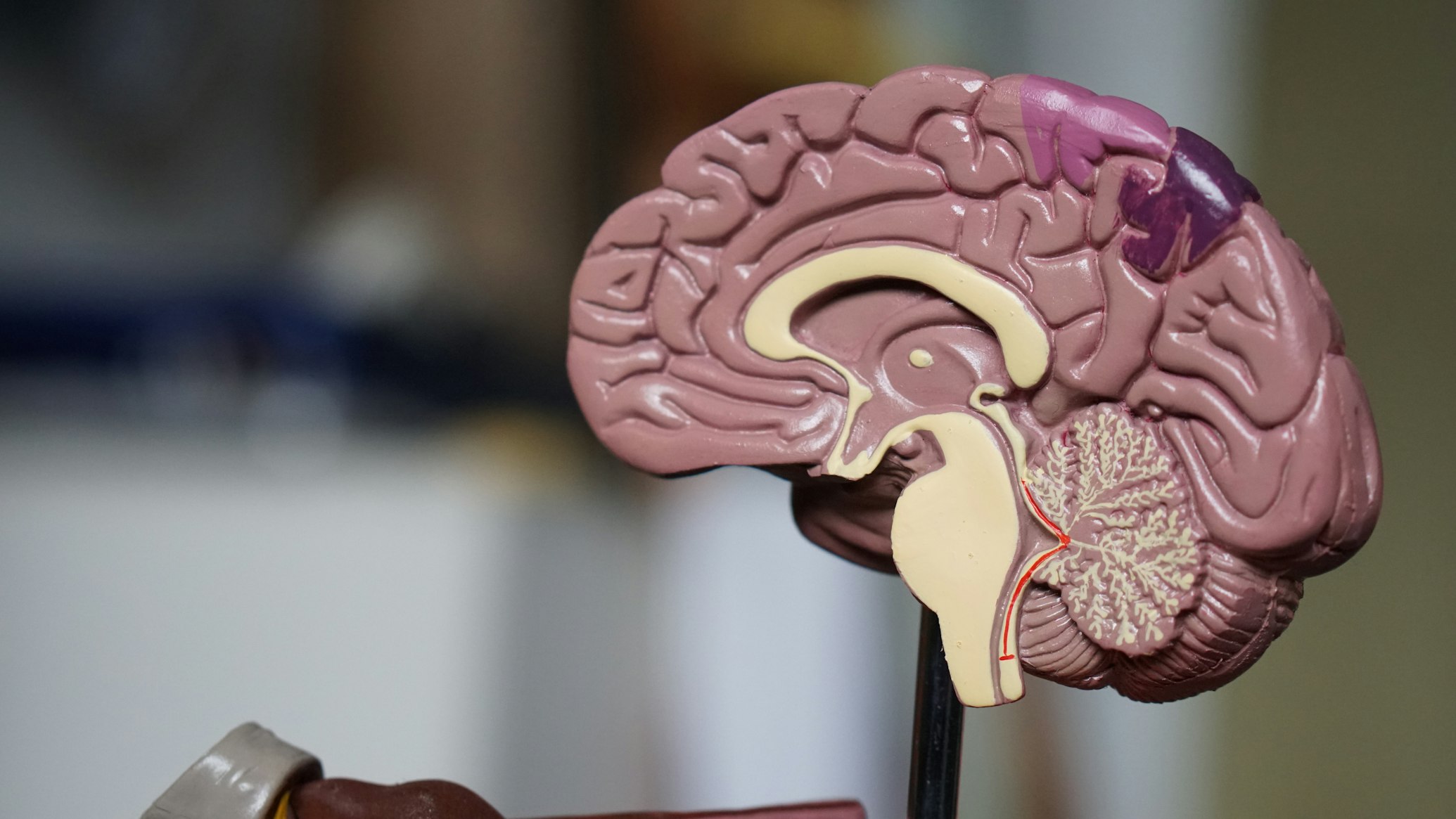
Imagine a tiny, precise stroke occurring deep within the human brain—so small it goes unnoticed, yet significant enough to potentially contribute to cognitive decline over time. Similarly, picture a cancer cell thriving in a tumor's oxygen-deprived core, using its hypoxic environment to strengthen its resistance to treatment. These scenarios share a common challenge: how can scientists accurately study oxygen deprivation (hypoxia) in biological systems without creating artificial conditions that poorly mimic reality?
Understanding the Key Concepts: Hypoxia, Electroanalysis, and Dense Gases
What Exactly is Hypoxia?
Hypoxia refers to a state of insufficient oxygen availability to tissues. The brain normally maintains oxygen partial pressure around 35 mmHg (4.6%), which decreases with depth 2 .
The cellular response to hypoxia is primarily coordinated by Hypoxia Inducible Factor 1 alpha (HIF-1α), a protein that activates genes involved in both cell survival and death pathways 2 .
The Electrochemical Connection
Electroanalysis applies electrochemical techniques to study chemical systems, including:
- Oxygen scavenging electrodes that remove oxygen from specific areas
- Nanoscale sensors detecting oxygen at cellular level
- Biosensors monitoring cellular responses to oxygen deprivation
Dense Gas Environments
Creating controlled atmospheric environments where oxygen levels can be precisely manipulated using dense gases (such as carbon dioxide or specialized gas mixtures) to establish stable hypoxic conditions in experimental chambers.
Oxygen Levels in Different Environments
Generating Hypoxia: From Traditional Methods to Electrochemical Innovation
Limitations of Conventional Approaches
Hypoxia Chambers & Incubators
Create homogeneous oxygen concentration, failing to mimic focal hypoxia in diseases 2 .
Chemical Inhibitors
Only mimic certain aspects of hypoxic response without true oxygen deprivation 2 .
Enzymatic Oxygen Scavengers
Can introduce side effects and struggle with spatial control 2 .
Pre-treated Solution Exchange
Reduce oxygen equilibration time but limit differential spatial control 2 .
The Electrochemical Revolution: eLOS
electrochemical Localised Oxygen Scavenging (eLOS)
This innovative approach uses electrodes polarized at oxygen reduction potential to selectively remove oxygen from precisely defined areas 2 .
Key Advantages:
- Reduces oxygen concentration in targeted areas in approximately 6 minutes 2
- Creates hypoxia patterns that closely mimic human disease
- Enables precise spatial control of oxygen depletion
Comparison of Hypoxia Generation Methods
| Method | Spatial Precision | Temporal Resolution | Key Advantages | Key Limitations |
|---|---|---|---|---|
| eLOS (Electrochemical) | High (micrometer scale) | High (minutes) | Precise spatiotemporal control, rapid induction 2 | Requires specialized electrodes and equipment |
| Hypoxia Chambers | Low (entire culture) | Low (hours) | Simple implementation, compatible with standard culture | Cannot create focal hypoxia patterns |
| Chemical Inhibitors | Low (entire culture) | Medium (minutes to hours) | Inexpensive, easy to use | Only mimics specific hypoxia pathways 2 |
Experimental Spotlight: Creating Miniature Strokes in a Dish
Methodology: Step-by-Step
- Electrode Preparation: 5% platinum/graphite electrodes fabricated through proprietary process 2 .
- System Design: Specialized cell culture well with gold electrode arrays to map oxygen gradients 2 .
- Oxygen Scavenging: Applying specific potentials to create defined hypoxic zones.
- Biological Validation: Using human neural progenitor cells and cortical neurons 2 .
- Microfluidic Integration: Purpose-designed device to study axonal hypoxia effects 2 .
Results and Analysis: Patterned Hypoxia and Cellular Consequences
HIF-1α Accumulation
Time-dependent increase in patterns mirroring electrochemically induced hypoxia gradient 2 .
Neuronal Death
Significant increase with localized axonal hypoxic stress, even with normal cell body oxygen 2 .
Axonal Vulnerability
Focal hypoxic insult to axons impacts surrounding neurons, modeling cerebral microinfarcts 2 .
Experimental Data from eLOS System Validation
The Scientist's Toolkit: Essential Research Reagent Solutions
| Research Tool | Function in Hypoxia Research | Example Application |
|---|---|---|
| Platinum/Graphite Electrodes | Oxygen scavenging through reduction reactions | Creating focal hypoxic zones in cell cultures 2 |
| Platinum Nanoelectrodes (PtNEs) | Oxygen detection at nanoscale | Measuring oxygen gradients in tumor spheroids and brain tissue 4 |
| Carbon Nanotube-Modified Electrodes | Hydrogen peroxide detection | Monitoring hypoxia-induced glycolysis in cancer cells 3 |
| Anti-CD81 Antibody Functionalized Surfaces | Extracellular vesicle capture | Detecting hypoxia-induced EV secretion from cancer cells 5 |
| Microfluidic Devices | Spatial separation of cellular components | Studying axonal hypoxia effects on neuronal survival 2 |
| Nonenzymatic Glucose Sensors | Oxygen-independent metabolite monitoring | Continuous glucose monitoring in hypoxic tumors |
Application Effectiveness of Different Tools
Beyond the Lab: Future Applications and Implications
Medical Applications
The cancer diagnostic probe (CDP) uses carbon nanotube-modified electrodes to detect hydrogen peroxide released through hypoxia-assisted glycolysis pathways in cancer cells 3 .
When tested on 258 fresh breast tumor samples, it demonstrated 95% sensitivity and 97% specificity in detecting neoplastic lesions 3 .
Development of oxygen-independent glucose sensors offers promise for continuous glucose monitoring in hypoxic patients with conditions like COVID-19-related ARDS, anemia, or solid tumors .
Therapeutic Development
The eLOS system provides a platform for testing drugs designed to protect against hypoxic damage. By creating more physiologically relevant models of conditions like lacunar infarcts, researchers can better evaluate potential neuroprotective compounds before advancing to clinical trials 2 .
Potential Applications:
- Neuroprotective drug screening
- Cancer treatment resistance studies
- Ischemia-reperfusion injury research
Personalized Medicine
As these technologies develop, we might imagine future applications where a patient's own cells are used to create personalized models of how their specific tissues respond to hypoxia, potentially guiding treatment decisions for conditions ranging from stroke to cancer.
Conclusion: A New Frontier in Biological Research
Hypoxic electroanalysis represents more than just a technical advancement—it offers a fundamental shift in how we study one of biology's most crucial parameters. By enabling precise spatial and temporal control over oxygen availability while simultaneously monitoring biological responses, these techniques are revealing aspects of hypoxia that were previously inaccessible.
From creating miniature strokes in a dish to detecting cancer through its metabolic signature, the marriage of electrochemical analysis with controlled gas environments is providing unprecedented insights into what happens when oxygen runs short. As these technologies continue to evolve, they promise to deepen our understanding of both fundamental biology and disease mechanisms, potentially leading to new diagnostic and therapeutic approaches for the many conditions involving hypoxia.
The future of this field will likely see even greater integration of electrochemical systems with advanced tissue models and microfluidic platforms, creating increasingly sophisticated experimental models that bridge the gap between traditional cell culture and complex living organisms. In the ongoing quest to understand hypoxia's role in health and disease, hypoxic electroanalysis offers a powerful new way to breathe life into our research—precisely by taking the breath away.
References
References will be populated here