Trapped Ions, Clear Signals
How Flow Electroanalysis Hunts Toxic Metals
Invisible threats demand ingenious solutions—modern electrochemistry transforms contamination detection into a high-precision science.
Article Navigation
The Silent Threat in Our Water
Lead and copper contamination isn't just an environmental concern—it's a public health crisis. Lead exposure damages neurological development in children, while excessive copper harms liver and kidneys. Regulatory agencies enforce strict limits: just 0.005 mg/L for lead and 1.3 mg/L for copper in drinking water 3 .
Neurological Impact
Even low-level lead exposure can cause irreversible cognitive deficits in children, reducing IQ by 5-10 points at blood levels of 10 μg/dL.
Water Contamination
An estimated 6 million lead service lines still deliver water to homes in the US, with aging infrastructure exacerbating contamination risks.
Traditional analysis methods like atomic absorption spectrometry require expensive equipment and skilled operators, delaying critical interventions. Enter flow electroanalysis with adsorption preconcentration—a technique combining nanoparticle ingenuity with electrochemical precision to detect these metals at parts-per-billion levels. This approach isn't merely sensitive; it's revolutionizing environmental monitoring.
The Nuts and Bolts of Metal Hunting
Adsorption Preconcentration
Heavy metals lurk in water at ultra-trace concentrations, evading direct detection. Scientists exploit their chemical "stickiness" by designing surfaces that capture and concentrate metal ions.
Flow Electroanalysis
Static electrochemical cells struggle with slow metal transport to electrodes. Flow systems solve this elegantly:
- A pump propels water samples through a porous electrode
- Metals adsorb onto high-surface-area fibers
- Voltage scan strips metals back into solution
Key Advantages
- 10× faster adsorption kinetics 1
- Automated, reproducible analysis
- Real-time monitoring potential
Why it works: Preconcentration amplifies trace metal signals 100–1,000×, turning whispers into shouts detectable by voltammetry.
Inside the Breakthrough: Graphite Felt Traps Lead Ions
A pivotal experiment reveals the power of flow preconcentration 1
Methodology: The Step-by-Step Hunt
- Electrode Setup: Graphite felt (specific area: 0.7 m²/g) packed into a flow reactor
- Flow Preconcentration: Pump 10⁻⁷ M lead solution through felt at 91 mL/min for 11 minutes
- Electrode Transfer: Move felt to electrochemical cell with LiClO₄ electrolyte
- Stripping Voltammetry: Reduce trapped Pb²⁺ at –1 V, then scan from –1 V to –0.2 V
- Signal Measurement: Oxidation peak appears at –0.66 V, proportional to lead concentration

Electrochemical flow cell used for metal ion detection (Science Photo Library)
Results: Volume Trumps Concentration
The study revealed a counterintuitive insight: lead adsorption depended not on flow rate, but on total sample volume processed.
| Sample Volume (mL) | Peak Current (µA) | Adsorption Efficiency |
|---|---|---|
| 100 | 0.15 | 12% |
| 500 | 0.82 | 68% |
| 1,000 | 1.20 | 100% |
Once saturated (~1,000 mL), the felt reached equilibrium. The method achieved a detection limit of 0.5 nM (0.1 ppb)—20× below EPA limits 1 .
| Electrode Type | Modifier | LOD (Pb) | LOD (Cu) | Analysis Time |
|---|---|---|---|---|
| Graphite felt (flow) | None | 0.1 ppb | - | 15 min |
| HMS-Qu/CPE | Mesoporous silica + quercetin | 0.17 ppb | 0.32 ppb | <5 min |
| Nontronite/cellulose-GCE | Clay membrane | - | 1.73 ppb | 2 min |
| Bi-film electrode | Bismuth | 0.65 ppb | 0.94 ppb | 10 min |
Why It Mattered
This experiment proved porous flow electrodes overcome the kinetic limitations of static systems. Flowing samples ensured constant contact with fresh binding sites, slashing preconcentration time while boosting sensitivity.
The Scientist's Toolkit: Build Your Own Metal Detector
| Reagent/Material | Function | Real-World Example |
|---|---|---|
| Graphite felt | Porous electrode matrix; high surface area traps ions | RVG 4000 (Le Carbone Lorraine) 1 |
| Hexagonal mesoporous silica (HMS) | Nano-sized "sponge" with ordered pores; immobilizes ligands | Quercetin-loaded HMS for Cu/Pb/Cd detection 2 |
| Quercetin | Natural flavonoid; forms stable complexes with metals | Modifier in carbon paste electrodes 2 |
| Ionic liquids | Enhance conductivity and stability of electrode surfaces | [Bmim]BF₄ in Qu-IL/CPE 2 |
| Nontronite/cellulose | Ion-exchange clay + protective membrane; blocks interferents | Preconcentrates Cu²⁺ in ammoniacal water 4 |
| Bismuth film | Eco-friendly alternative to mercury electrodes | Bi-coated GCE for simultaneous Cd/Pb/Zn analysis |
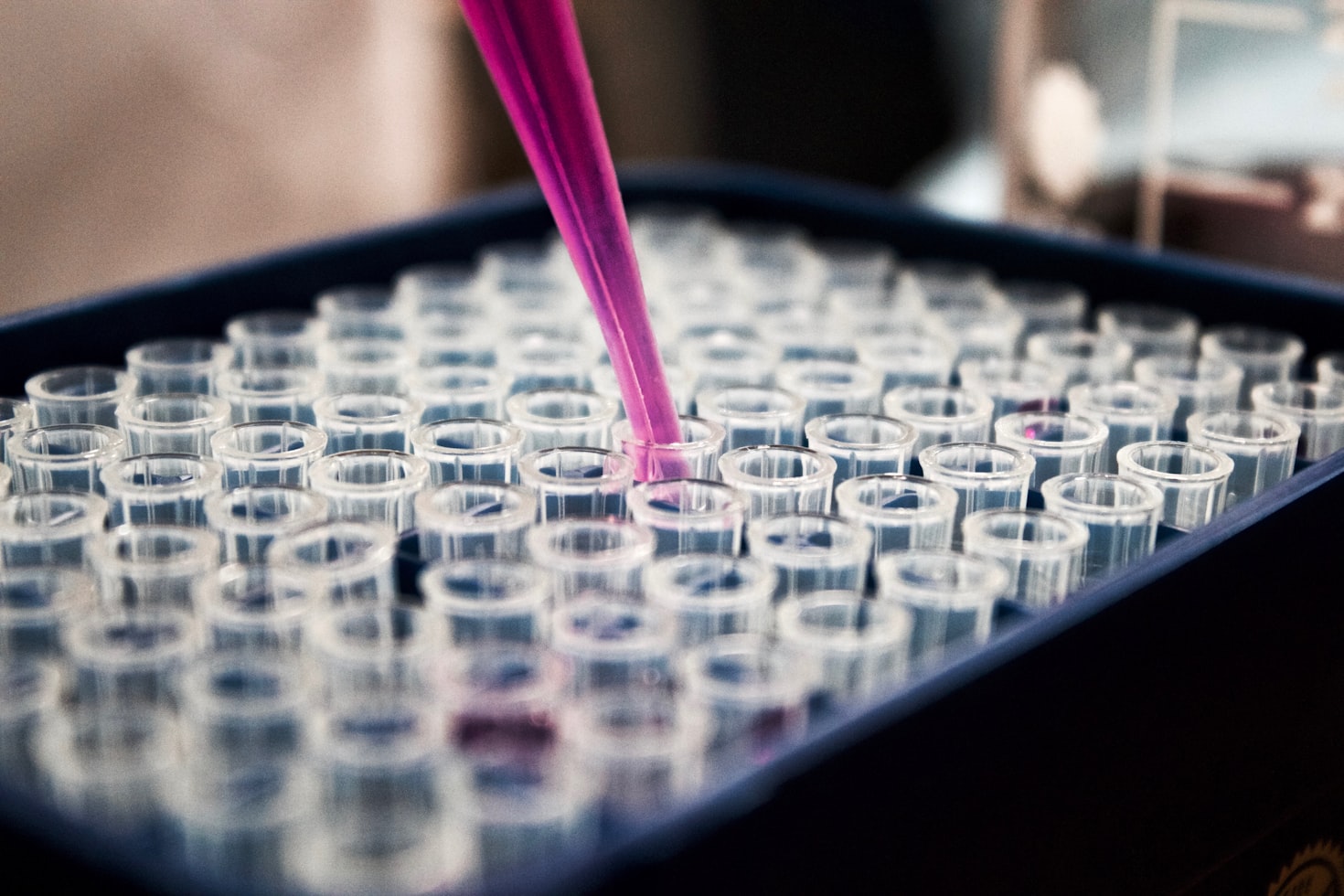
Modern Electrochemical Setup
Advanced flow electroanalysis systems combine precision pumps with sensitive detectors for real-time monitoring.

Nanomaterials at Work
Mesoporous silica and graphene provide the high surface area needed for effective metal ion capture.
Beyond the Lab: From Soil to Smartphones
Field applications are already emerging. HMS-Qu/CPE electrodes detected copper and lead in contaminated soil with >95% recovery 2 . Nontronite sensors measured copper in tap water without pretreatment 4 . The next frontier integrates these systems into 3D-printed microfluidic chips paired with smartphone readers—enabling on-site testing by non-experts .
"Screen-printed electrodes with bismuth or nanoparticle coatings could soon make handheld metal detectors as common as pH strips."
Laboratory
High-precision analysis with flow systems
Water Treatment
Real-time monitoring of purification systems
Field Testing
Portable devices for on-site analysis
The Takeaway
Flow electroanalysis with adsorption preconcentration transforms hazardous metal detection from a lab chore to a rapid, precise field operation. By marrying material science with electrochemistry, we're not just measuring contamination—we're building a safer future, one drop at a time.