The Invisible Science of Ultra-Pure Solvents
How Chemists Purify Tetrahydrofuran and Dioxane for Electrochemical Discovery
Introduction
Imagine trying to listen to a whisper in a thunderstorm—this is precisely the challenge electrochemists face when working with impure solvents. In the sophisticated world of electroanalytical chemistry, where researchers measure minute electrical signals to understand chemical reactions, even trace amounts of impurities can distort results beyond recognition. This article explores the fascinating purification processes for two essential solvents—tetrahydrofuran (THF) and dioxane—which serve as the foundational media for countless electrochemical experiments. Their purity isn't merely a preference; it's an absolute necessity for producing reliable science that drives innovation in materials research, pharmaceutical development, and environmental monitoring 1 .
THF Applications
Widely used as a solvent in pharmaceutical synthesis, polymer science, and electrochemistry due to its excellent solvating properties.
Dioxane Applications
Commonly employed as a stabilizer for chlorinated solvents and as a solvent for various chemical processes and laboratory applications.
Why Purification Matters
Solvents in electroanalysis aren't merely passive spectators; they create the environment in which electrochemical reactions occur. Their molecular structure influences how compounds dissolve, how ions move, and how electrons transfer between molecules. THF and dioxane belong to a class of solvents known as cyclic ethers, valued for their ability to dissolve a wide range of organic and inorganic compounds while providing a suitable medium for electrochemical measurements 1 .
Common Impurities
- Water Absorbed from atmosphere
- Peroxides Formed during storage
- Stabilizers Added by manufacturers
- Metal ions Leached from equipment
- Organic byproducts Residual compounds
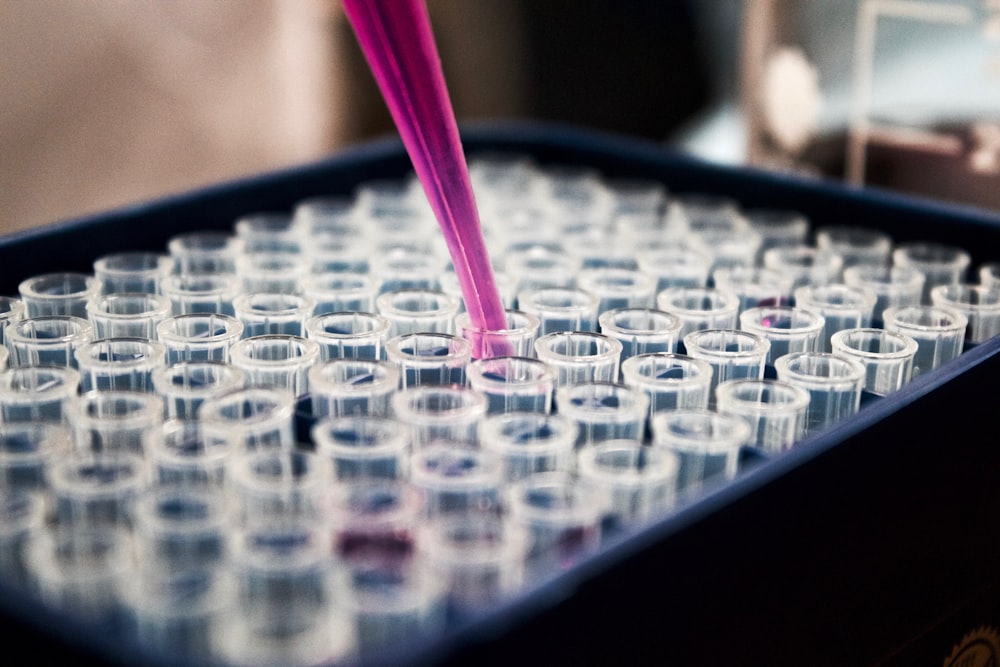
Even at concentrations as low as parts per million, these contaminants can significantly alter electrochemical behavior by participating in unwanted side reactions, forming complexes with analytes, or creating conductive pathways that distort measurements 1 .
The Purification Journey
The purification of solvents for electroanalysis involves multiple sophisticated techniques to achieve the required level of purity. Each method targets specific impurities and contributes to the overall effectiveness of the purification process.
The initial purification stage for both THF and dioxane typically involves distillation, a process that separates substances based on their boiling points. Simple distillation effectively removes non-volatile impurities and higher-boiling contaminants 2 .
After initial distillation, solvents often undergo chemical treatments to remove specific contaminants such as peroxides, water, and metal ions using specialized reagents like lithium aluminum hydride, drying agents, and chelating compounds .
Purification Process Timeline
Initial Assessment
Analysis of commercial solvent to identify impurity profile and determine appropriate purification strategy.
Peroxide Removal
Treatment with reducing agents to decompose potentially dangerous peroxides formed during storage.
Preliminary Drying
Initial water removal using desiccants like calcium chloride or sodium sulfate.
Distillation
Separation of solvents from non-volatile impurities and higher-boiling contaminants.
Azeotropic Distillation
Specialized distillation to break water-THF azeotrope using entrainers like ethylene glycol 2 .
Final Polishing
Passage through adsorption columns with activated alumina or molecular sieves for ultimate purity.
A Closer Look: Key Experiment
A comprehensive study published in Pure and Applied Chemistry detailed a systematic approach to purifying THF and dioxane for electroanalytical applications 1 . The researchers compared multiple purification techniques to identify the most effective protocol.
Methodology
Initial Treatment
Commercial THF and dioxane were first treated with reducing agents to decompose peroxides.
Drying
The solvents were refluxed with desiccants like sodium sulfate or calcium chloride.
Distillation
Preliminary distillation removed most water and non-volatile impurities.
Fractional Distillation
High-efficiency fractional distillation separated compounds with similar boiling points.
Final Purification
Passage through adsorption columns containing activated alumina or molecular sieves removed trace impurities.
Effectiveness of Purification Methods
| Purification Method | Water Content (ppm) | Peroxide Content (ppm) | Performance |
|---|---|---|---|
| Commercial grade | 500-1000 | 10-50 | Unusable |
| Simple distillation | 50-100 | 5-20 | Poor |
| Chemical treatment + distillation | 10-30 | <1 | Acceptable |
| Full multi-step protocol | <10 | <0.1 | Excellent |
Source: 1
Electrochemical Performance
The electroanalytical performance was assessed by examining the background current and potential window in voltammetric experiments. Purified solvents showed dramatically reduced background currents and expanded potential windows, enabling detection of subtle faradaic currents from target analytes 1 .

The Scientist's Toolkit
The purification of solvents for electroanalysis requires specialized materials and reagents, each serving a specific function in the removal of particular impurities. Based on the search results, here are the key components of the solvent purification toolkit 1 2 :
| Reagent/Material | Primary Function | Specific Application |
|---|---|---|
| Lithium aluminium hydride (LiAlH₄) | Powerful reducing agent | Peroxide decomposition |
| Activated alumina | Adsorption medium | Removal of polar impurities |
| Molecular sieves | Water scavenger | Final drying step |
| Calcium chloride | Desiccant | Preliminary drying |
| Ethylene glycol | Entrainer | Extractive distillation |
| Sodium sulfate | Drying agent | Water removal |
| Activated carbon disks | Extraction medium | Analytical concentration |
Many purification reagents require special handling precautions:
- Lithium aluminium hydride reacts violently with water
- Peroxides can be explosive when concentrated
- Some solvents have toxicity concerns
- Proper ventilation is essential
Proper storage of purified solvents is critical:
- Store under inert atmosphere (N₂ or Ar)
- Use dark containers to prevent photodegradation
- Seal containers tightly to prevent contamination
- Use freshly purified solvents for sensitive work
Beyond the Lab: Environmental Considerations
While this article has focused primarily on the purification of solvents for analytical applications, it's important to acknowledge the environmental context of these processes. THF and dioxane have attracted environmental scrutiny due to their persistence in groundwater and potential health effects 4 .
Solvent recycling and recovery have become increasingly important in laboratory practice. The purification methods described in this article can be adapted for solvent recovery systems that reduce waste and minimize environmental impact.
Environmental monitoring requires sensitive and accurate methods for detecting THF and dioxane at trace levels in complex matrices. Solid-phase extraction techniques using activated carbon disks followed by GC/MS/MS analysis have been developed with quantification limits as low as 0.31 μg/L for dioxane and 3.1 μg/L for THF 4 .
The intersection between analytical chemistry, environmental science, and green chemistry highlights how sophisticated purification methodologies developed for electroanalysis can contribute to broader sustainability goals while enabling more sensitive environmental monitoring.
Conclusion: The Silent Guardian of Electrochemical Truth
The purification of solvents like THF and dioxane for electroanalysis represents a fascinating blend of traditional chemical techniques and sophisticated modern approaches. This often-overlooked aspect of electrochemical research serves as a critical foundation upon which reliable measurements are built. From simple distillation to complex extractive distillation processes, each step in the purification workflow contributes to the ultimate goal: removing chemical interference that would otherwise obscure the subtle signals electrochemists seek to measure 1 2 .
The next time you encounter a breakthrough in battery technology, pharmaceutical research, or environmental monitoring, remember that behind many electrochemical discoveries lies a story of meticulous solvent purification—the invisible science that lets researchers listen to nature's quietest electrochemical whispers without the thunder of chemical interference.